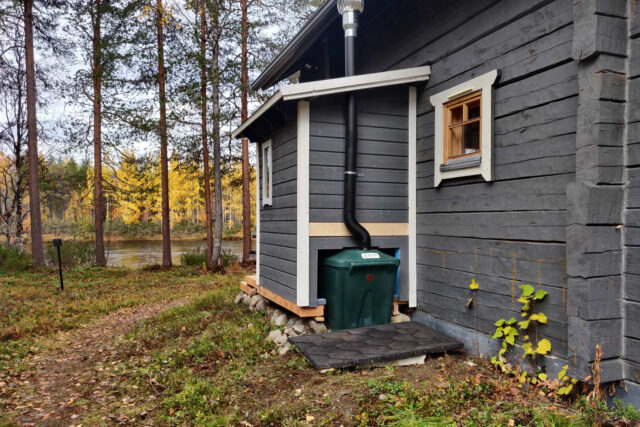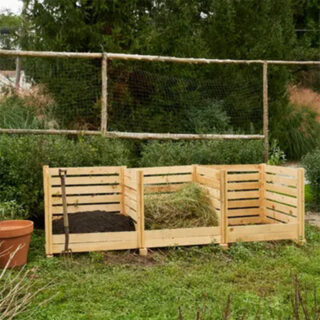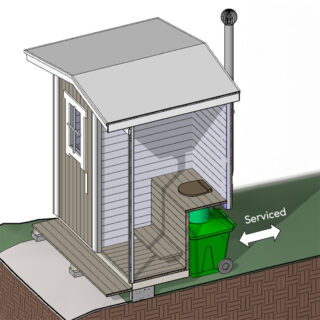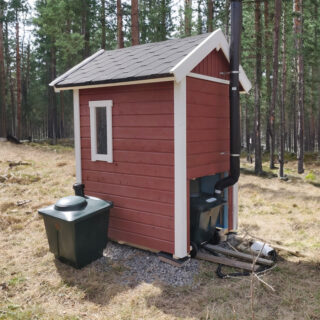

Articles Tiny House Composting Toilet: Everything you need to know
Eemeli profile picture waterless toilet shop

Eemeli Palo

Waterless Toilet Expert
πŸ“±(702) 328 0689
βœ‰ info@waterlesstoiletshop.com

Tiny House Composting Toilet: Everything you need to know

The tiny house movement emphasizes efficient use of space and resources, making composting toilets a popular choice for these homes. This article explores composting toilets, focusing on their functionality, benefits, and integration into tiny houses. We will cover how they work, their environmental advantages, and practical considerations for installation and maintenance, providing a thorough overview for anyone considering this sustainable option.

Introduction to Tiny Houses and Composting Toilets

The tiny house movement has gained popularity as more people seek to disconnect from busy urban lifestyles and embrace simpler, more sustainable living. These compact homes are often situated in remote, serene environments where traditional utilities are not always feasible. In such settings, space-saving and eco-friendly solutions are crucial. Composting toilets, which reduce water use and handle waste sustainably, are an ideal choice for these small dwellings. This section explores how composting toilets align with the goals of the tiny house movement, providing efficiency and environmental benefits essential for secluded living.

tiny house composting toilets introduction

About Different Types of Composting Toilets for Tiny Houses
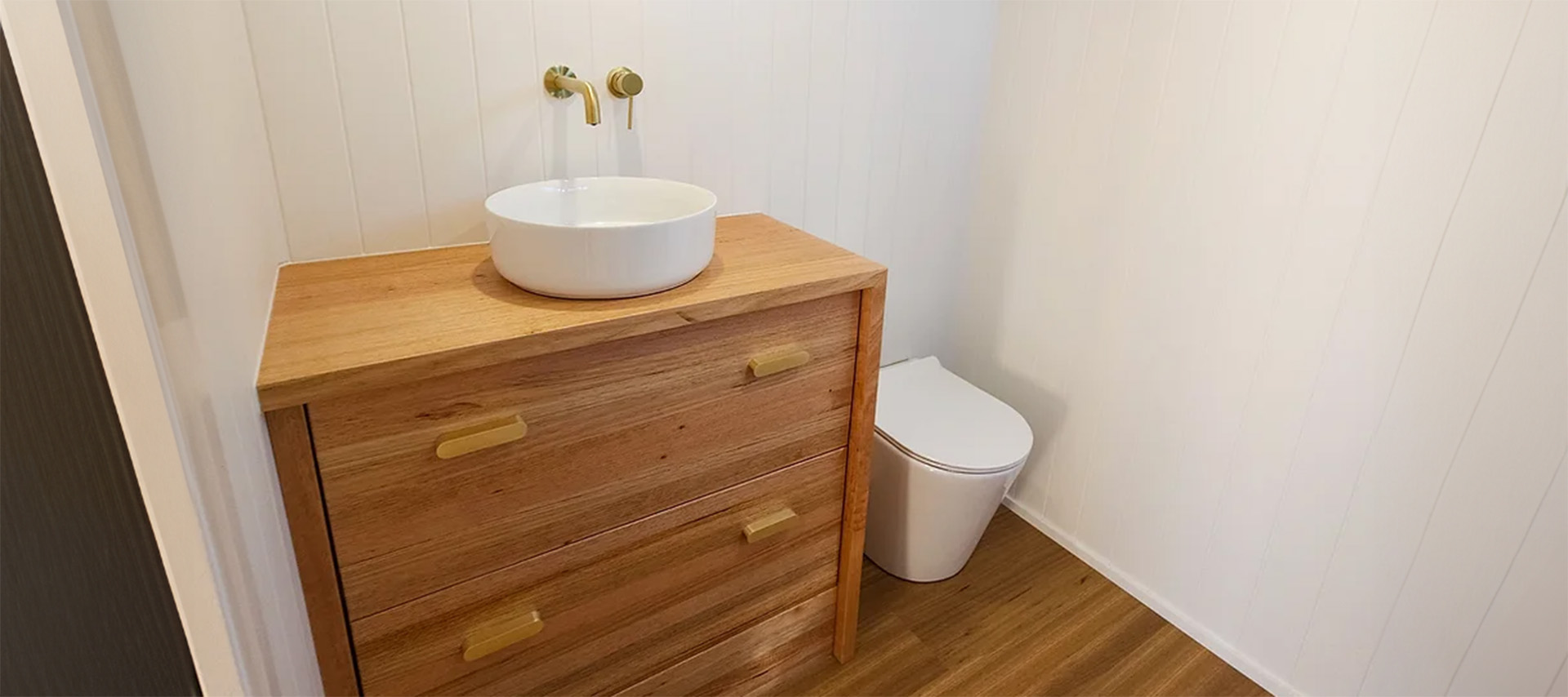
tiny house composting toilet indoors waterless toilet shop usa
A split-system composting toilet with a porcelain toilet pedestal in tiny home bathroom.

A composting toilet is a type of waterless toilet that treats human waste using a natural composting process, transforming it into reusable compost.

Not all waterless toilets qualify as composting toilets, despite common misconceptions. A true composting toilet not only collects waste but also completes the composting process within the unit itself, a detail often misrepresented by some manufacturers. For a deeper dive into this distinction, read Composting toilets vs. compost toilets.

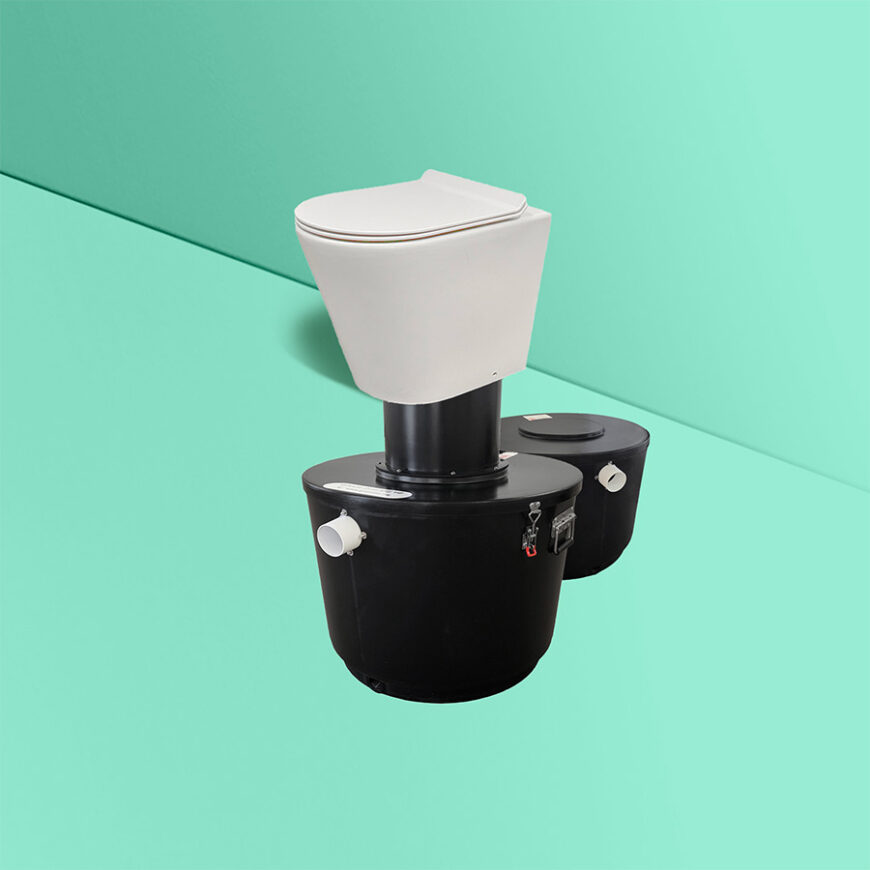
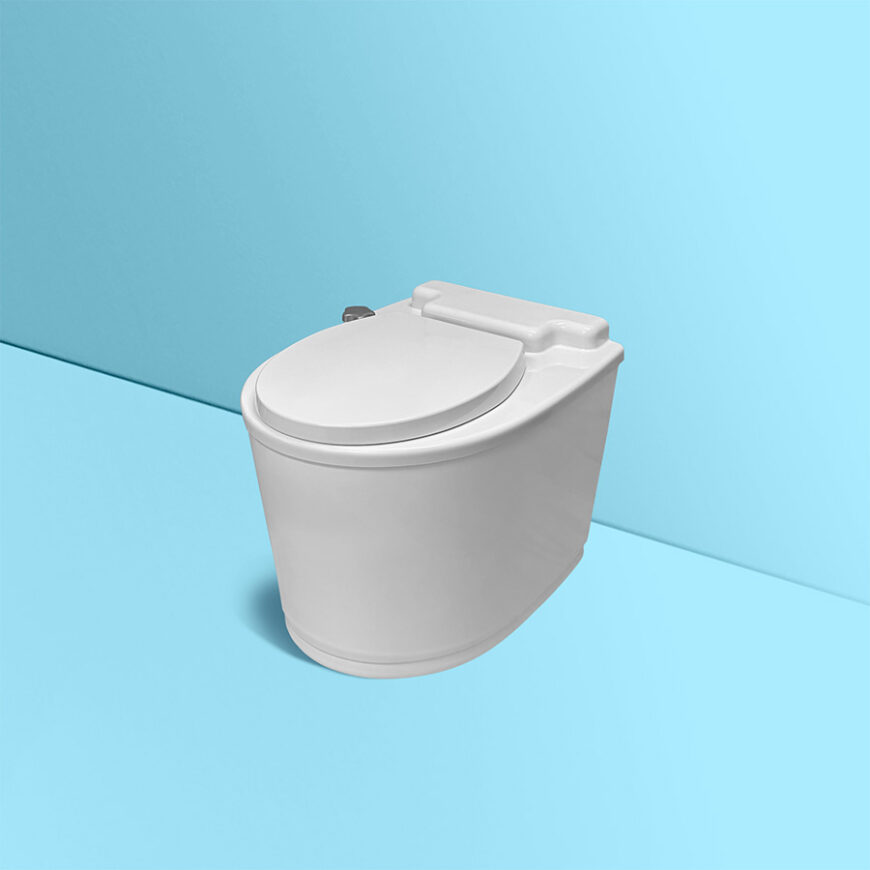
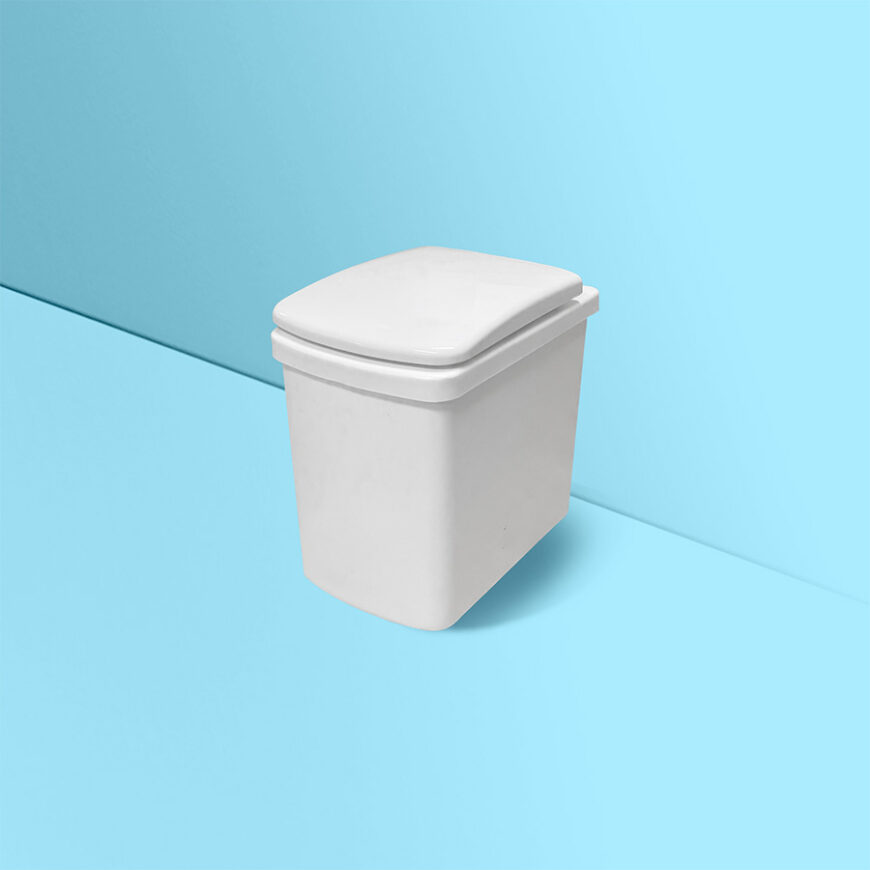
Composting toilets are generally categorized into two types: self-contained units and split systems. Self-contained units house all necessary components within one structure installed at floor level, making them ideal for tiny houses without space beneath the bathroom. Split systems, on the other hand, feature an external composting unit located below the floor level, suitable for tiny houses built with space underneath the bathroom. The choice between these systems depends heavily on the structure of the tiny house. To learn more, read our article about Split-systems vs. Self-contained composting toilets.

Additionally, composting toilets can be differentiated by their operation: batch composting and continuous composting. Batch composting involves alternating between two containers for active use and further composting, while continuous composting uses a single, larger unit that is gradually emptied, typically from the side. This distinction is crucial for understanding how each type of composting toilet can be serviced in a tiny house.

Split-systems vs. Self-contained composting toilets: Learn Differences, Advantages and More!

Delve into the distinct features of split-system and self-contained composting toilets. This guide compares their...

Read more

Outhouse Composting Toilets: Five Examples (With Pictures)

Discover the innovative world of outhouse composting toilets with our comprehensive guide. From traditional designs...

Read more

ABC of Composting Toilets

Explore the basics of compost toilets: their design, benefits, and how they contribute to sustainable...

Read more

Urine Separation in Composting Toilets

Liquid separation is essential for odor-free composting toilets. This article explores how separating liquid enhances...

Read more

Do Composting Toilets Smell?

Wondering if composting toilets smell? This article explores the top three factors that keep modern...

Read more

Benefits of Composting Toilets in Tiny Houses

Composting toilets offer significant advantages for tiny houses, especially those located in off-grid, scenic settings. These systems allow for greater flexibility in placement of tiny homes, as they do not require connection to sewage systems, enabling residents to choose stunning, remote locations without sacrificing sanitary conditions.

Environmental Impact

Composting toilets significantly reduce water usage by eliminating the need for flushing, a crucial benefit in eco-conscious living. Additionally, they facilitate nutrient recycling by turning waste into compost that can be used to enrich the soil, minimizing the ecological footprint of the tiny house. Unlike cesspools or septic systems, composting toilets can easily be made completely closed systems, meaning they treat waste on-site without risk of environmental contamination.
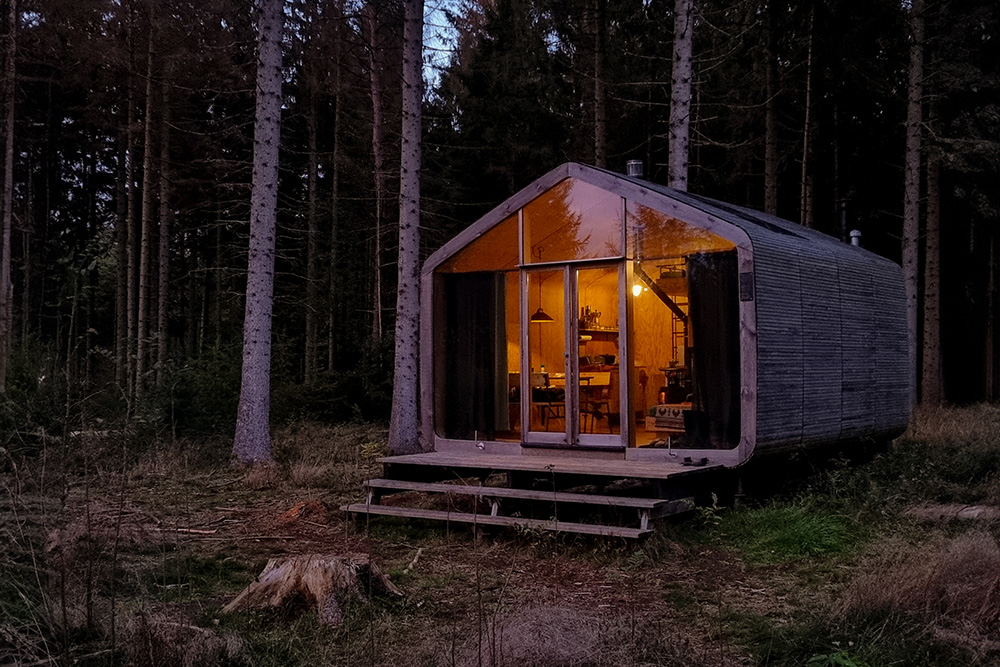
tiny house in woods

Cost Efficiency

Composting toilets offer significant cost advantages, particularly for tiny houses in off-grid locations. The initial setup cost of a composting toilet is significantly lower than that of installing traditional plumbing and septic systems, which can be prohibitively expensive in remote areas. For ballpark comparison, whereas making a new septic system might cost $15,000-$25,000, as composting toilet with a white ceramic toilet usually costs only about $1,000-$2,000.

Furthermore, the long-term savings are considerable; with minimal maintenance or service costs, typically amounting to just a few dollars per year, composting toilets provide an economical solution over their lifespan.

Space Efficiency and Simplicity

Many composting toilet models are designed to be compact, making them ideal for the space constraints within tiny houses. As standalone systems, they do not require external maintenance of experts coming into your tiny house to fix things. Instead, homeowners can manage these systems independently, avoiding the need for regular paid service visits. This do-it-yourself aspect not only cuts down on costs but also enhances the simplicity and appeal of managing a tiny home.

These benefits underscore why composting toilets are not just practical but also a sustainable and economical choice for tiny house living, aligning perfectly with the ethos of reducing one’s environmental impact while maintaining a high standard of living.
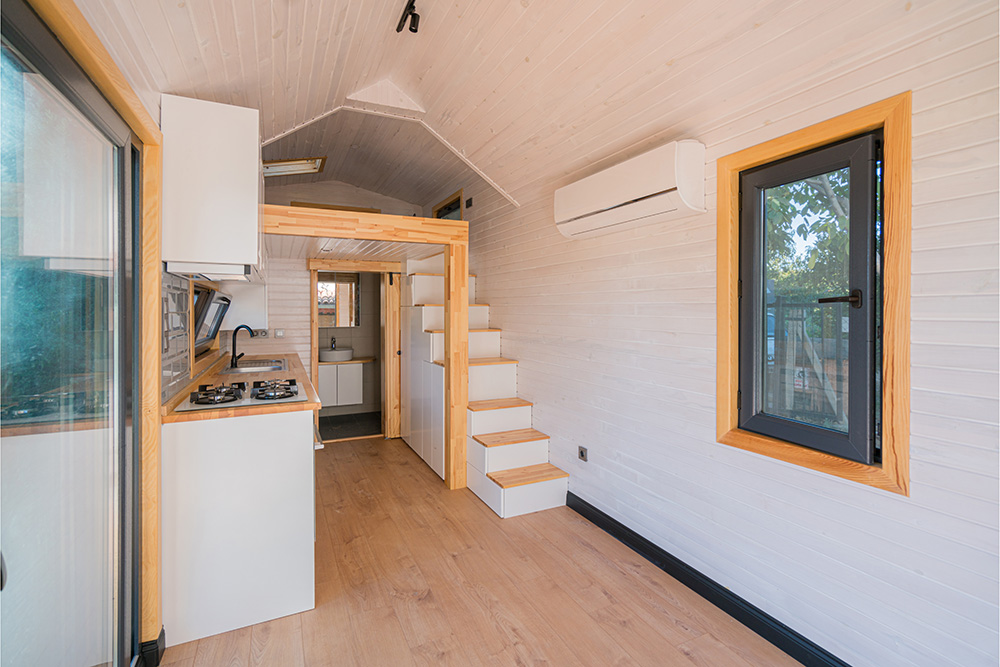
tiny house inside

Choosing the Right Composting Toilet for Your Tiny House

Selecting the appropriate composting toilet involves several considerations that ensure it meets the specific needs of your tiny house and its residents. Key factors to keep in mind include:

Household Size and Usage

The number and frequency of users significantly influence the type of composting toilet needed. For a tiny house that accommodates multiple residents or guests regularly, a more robust system might be necessary compared to one used by a single person or used only seasonally.

Seasonal vs. Year-round Use

Composting toilets vary in their capacity and durability, which are important to consider if your tiny house is not used year-round. Systems designed for occasional use in summer homes need different specifications from those required for all-year living.

Structural Considerations

The existing or planned structure of your tiny house also plays a crucial role. If there is space beneath the bathroom floor, a split system may be feasible, which generally allows for larger capacity and easier maintenance. For tiny houses without this space, a self-contained unit would be more suitable.

Installation Tips for Composting Toilets in Tiny Houses

Ceramic composting toilet in tiny home

While specific installation instructions will vary by model, there are several universal considerations to ensure your composting toilet functions effectively:

Separation of Liquids and Solids

Proper separation of liquid is crucial for eliminating odors and enhancing the composting process. There are essentially two way to separate the liquids: either directly in the toilet bowl or afterwards in the composting container. The separated liquid can be collected into a separate container or drained into a French drain, depending on the environment and the local regulations of state and county.
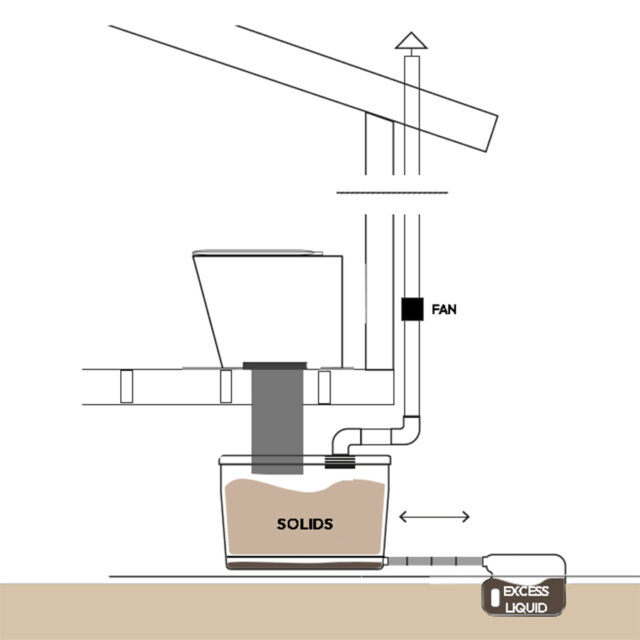
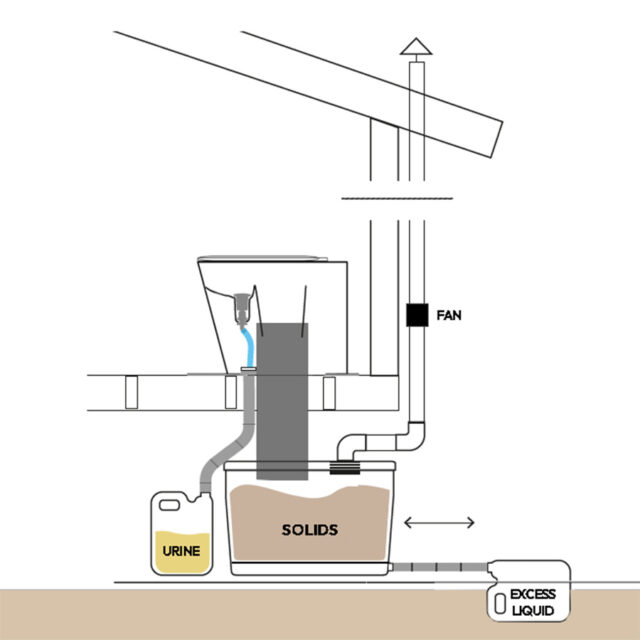
upgrade to urine diverting pedestal


Learn more about urine-separation from the other blog post.


Ventilation

Adequate ventilation is essential to control moisture and odors. If your unit includes an electric fan, verify that it directs airflow from inside the toilet to the outside. For systems without a fan, ensure the ventilation pipe is installed vertically and as straight as possible to promote natural air flow.
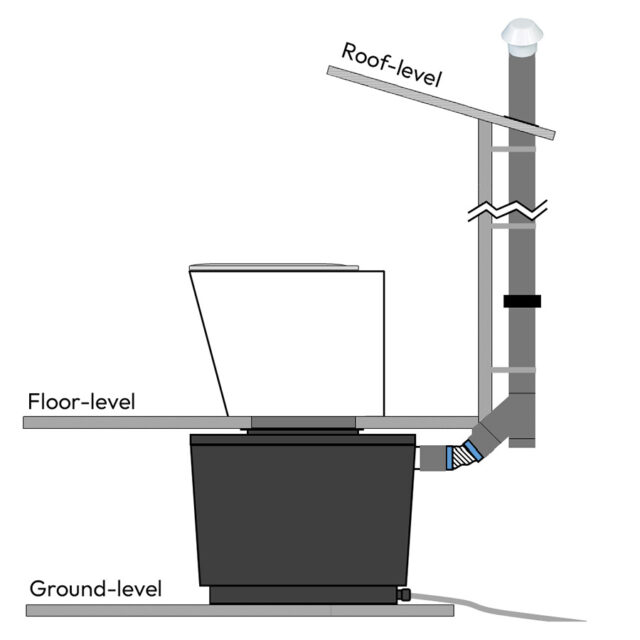
Flat floor with space below
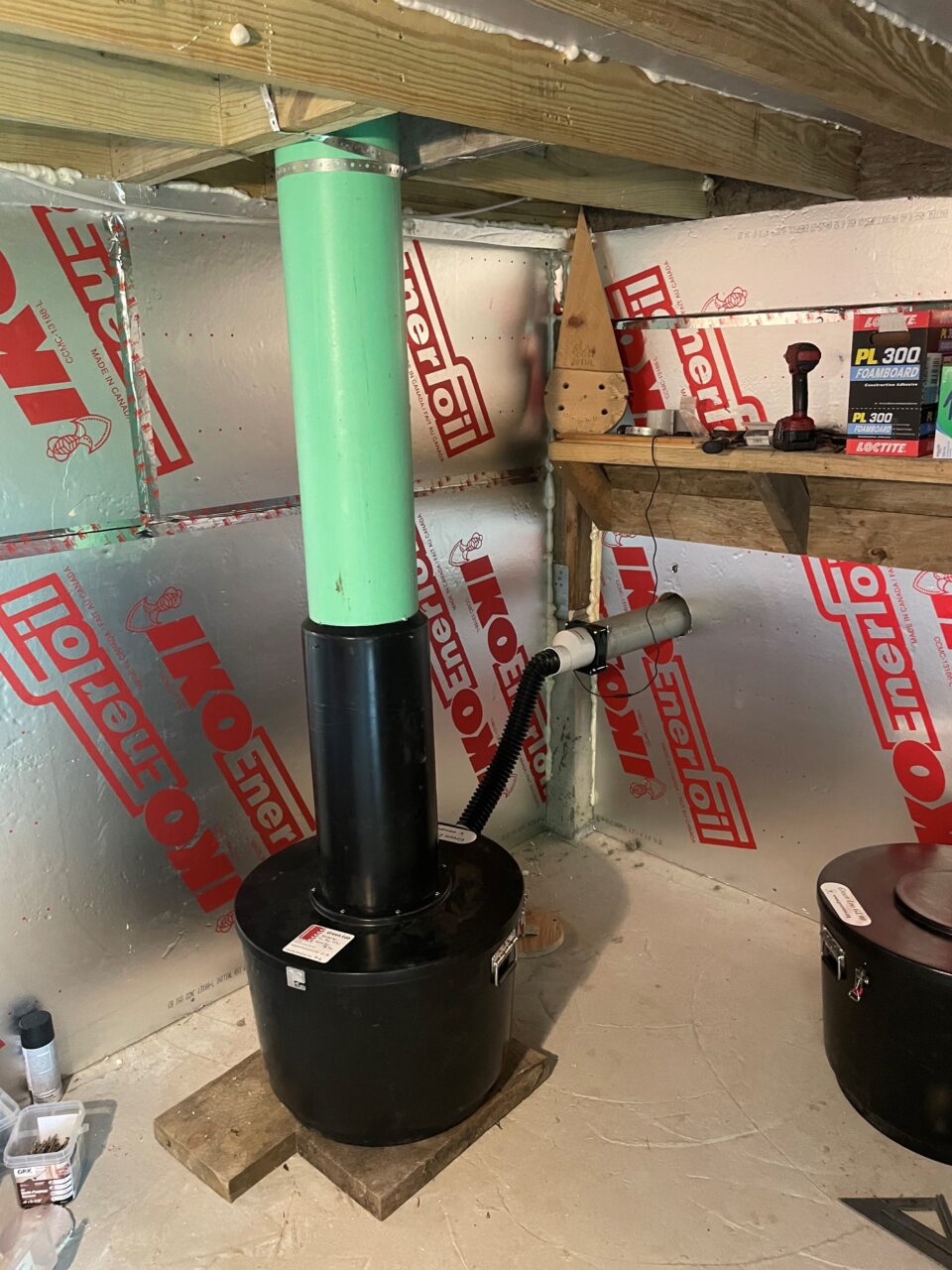
For example, the GL 90 requires a minimum of 18 inches below the floor

Pre-Installation Preparation

Before purchasing a composting toilet, review the installation manual or guide available from the manufacturer. If it is not available, ask for it! This can provide a clearer understanding of the installation process and help you assess whether you can undertake it independently or if professional help is needed.

Maintenance and Service of Composting Toilets in Tiny Houses
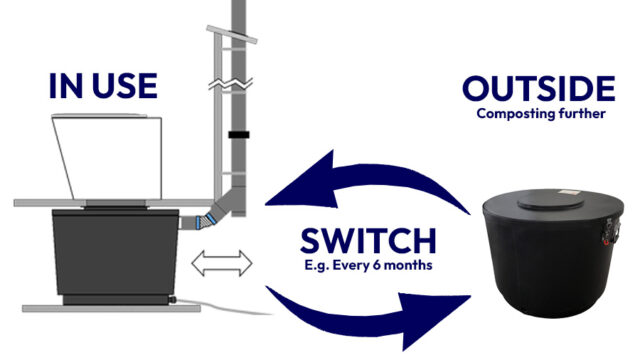
split system batch composting toilets
Split-system batch composting toilets are installed on two levels with an external composting unit under the bathroom floor level. The term batch composting means that there are two or more composting units that switch position between being in use and outside for further composting process. Once the other composting container fills up, the other one is ready with composting process.

It’s important to acknowledge that all toilets require maintenance. Like traditional flush toilets, composting toilets need regular cleanup. However, providing exact service guidelines for a composting toilet in a tiny house is challenging because maintenance varies with each model. Essentially, what goes inβ€”poop, urine, toilet paper, and dry materials like hempβ€”must eventually come out, transformed into compost. This natural process typically takes 6-14 months, influenced by climate and other factors. The resulting compost is safe to use as fertilizer for nearby non-edible plants and trees.

For more detailed guidance on how to empty composting toilets, please refer to our article How to Empty a Compost Toilet.

How to Empty Compost Toilet

In the United States, the legality of waterless toilets varies as regulations are set at the state, county, and sometimes city level, without a nationwide standard. Before installing a waterless toilet, it’s essential for tiny house owners to consult local regulations on on-site waste treatment. This can range from full allowance with no restrictions in some areas to strict prohibitions or specific requirements in others. Understanding these local laws is crucial to ensure compliance and to avoid unpleasant surprises during the integration of waterless toilets in tiny houses.


Real-Life Inspirations: Tiny Houses with Composting Toilets
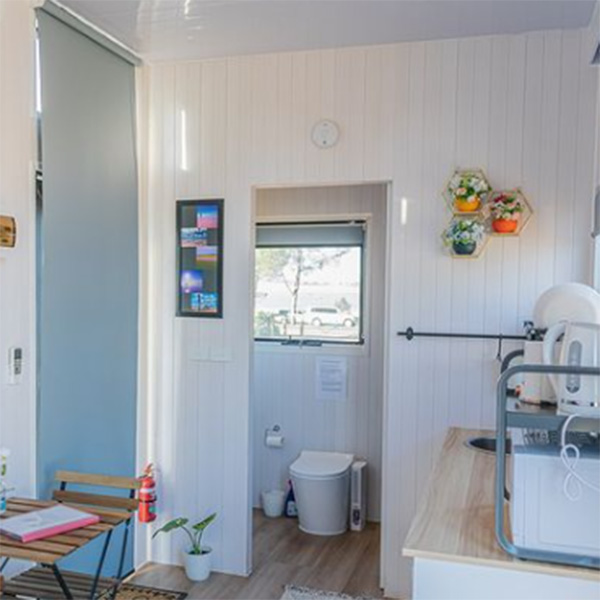
tiny house with composting toilet inside

Contrary to common misconceptions, modern composting toilets are designed to be completely odorless and pleasant for indoor use, making them an excellent choice for tiny houses like the ones seen in this article. The advanced design of composting units ensures that odors are effectively reduced and managed through ventilation systems, making the experience as comfortable as using a conventional bathroom.

This setup demonstrates how composting toilets can seamlessly fit into the aesthetic and functional needs of a tiny house, right next to a kitchen for example, providing a hygienic and environmentally friendly solution to waste management.
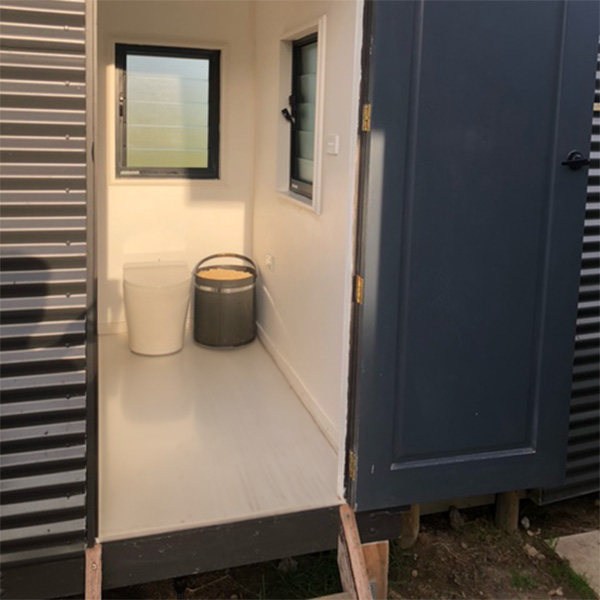
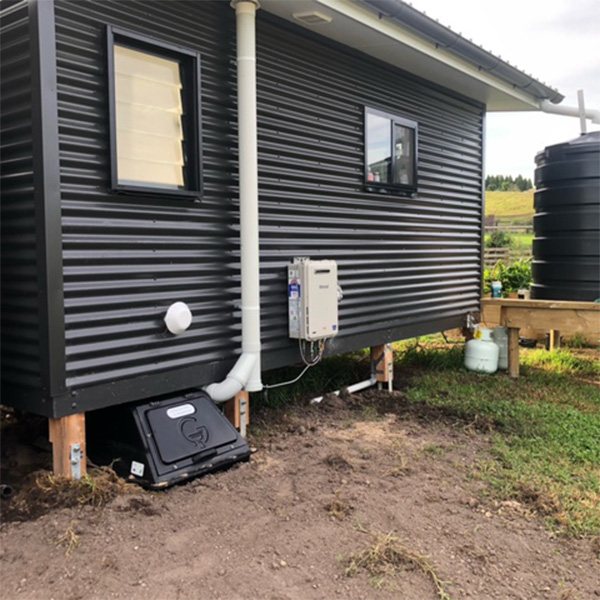
Split-system composting toilets are an ideal choice for tiny houses with available space beneath the bathroom floor, as they separate the composting unit from the toilet itself. This arrangement allows for larger capacity and easier maintenance, making it suitable for tiny homes where multiple occupants might increase the system’s usage demands.

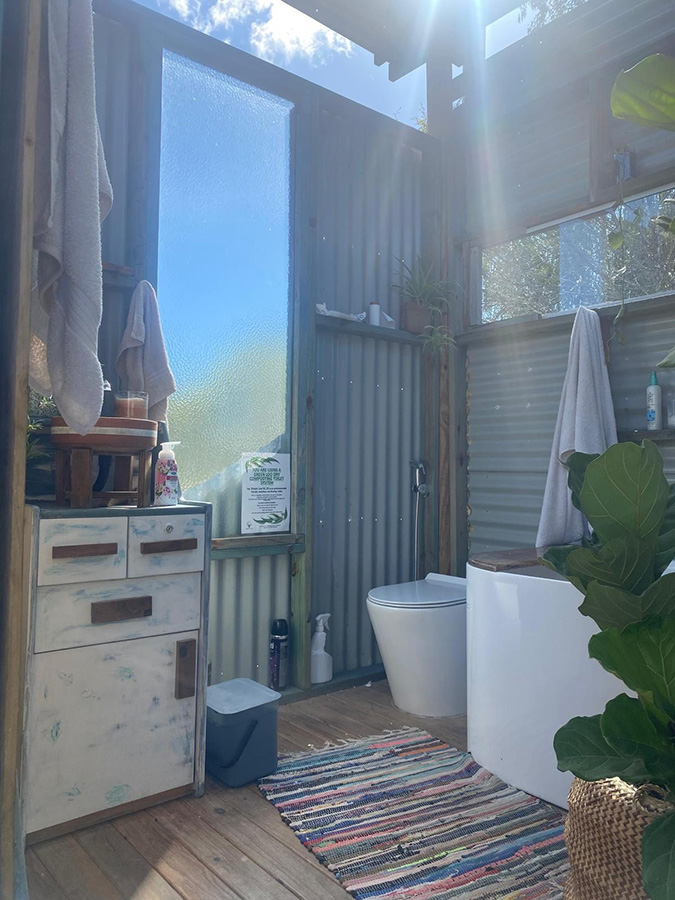
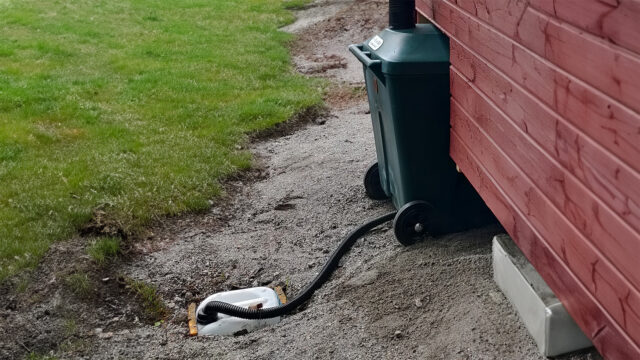
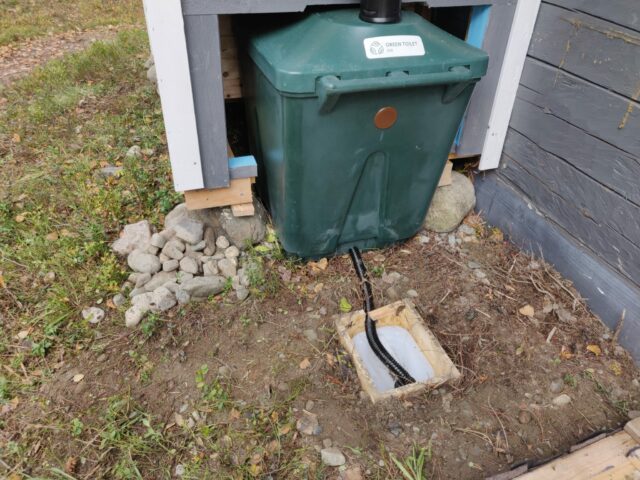
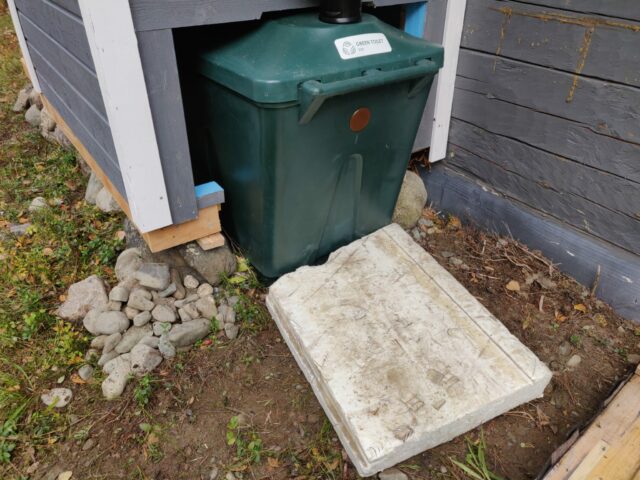
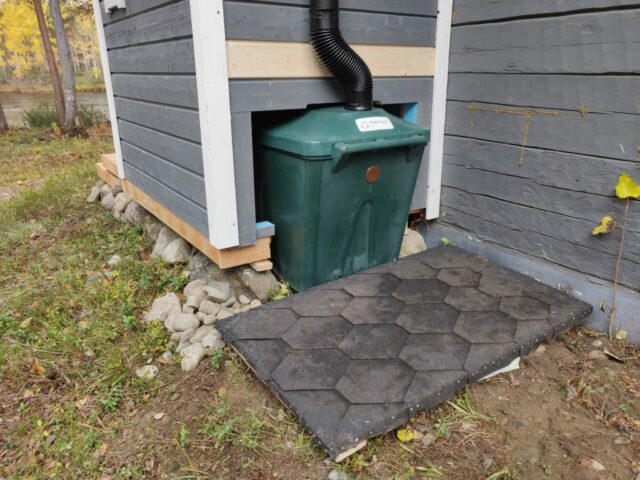
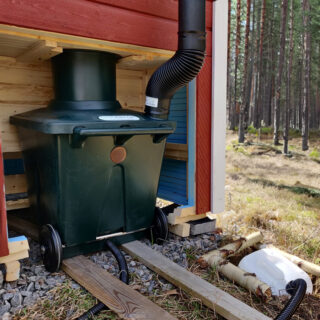
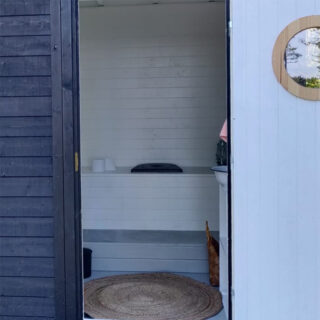
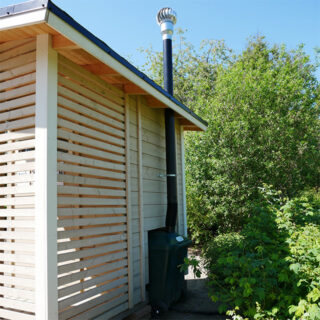
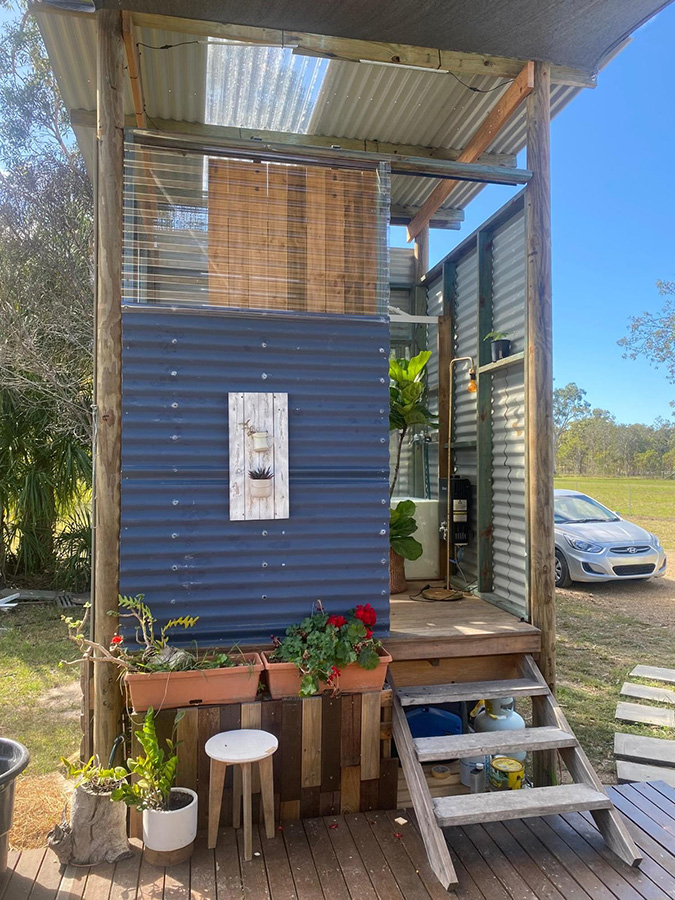
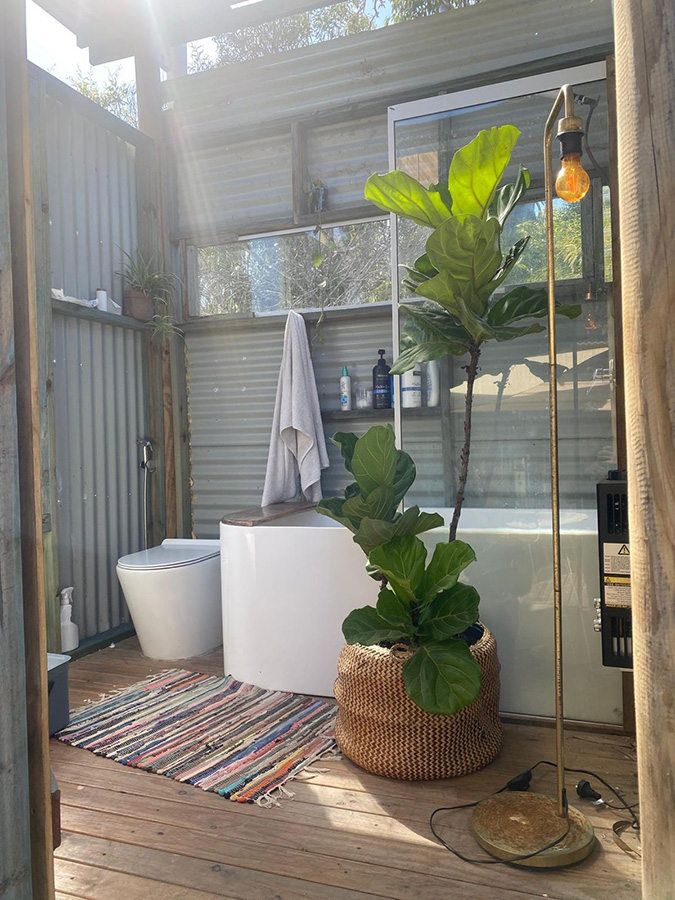
Not every tiny house has enough indoor space to accommodate a true composting toilet. In such cases, homeowners can consider constructing an outdoor bathroom adjacent to their tiny house. This approach not only conserves indoor space but it can also make the maintenance and service of the toilet easier. Below are images from a customer who successfully implemented an outdoor bathroom with a composting toilet, demonstrating how it can seamlessly integrate with their tiny house lifestyle.
 

Conclusion

Composting toilets are a great choice for anyone living in a tiny house. They help save space, reduce water use, and turn waste into useful compost. This guide has shown you different types of composting toilets, how they work, and why they’re good for the environment and your budget. We’ve also covered how to pick the right one, install it, and maintain it properly.

Choosing a composting toilet means choosing a smart, sustainable way to live. They fit perfectly with the tiny house lifestyle, letting you live comfortably and responsibly, even in remote places. With the right setup, a composting toilet can make your tiny home more practical and pleasant place to stay longer.

Shop Composting Toilet for Tiny House

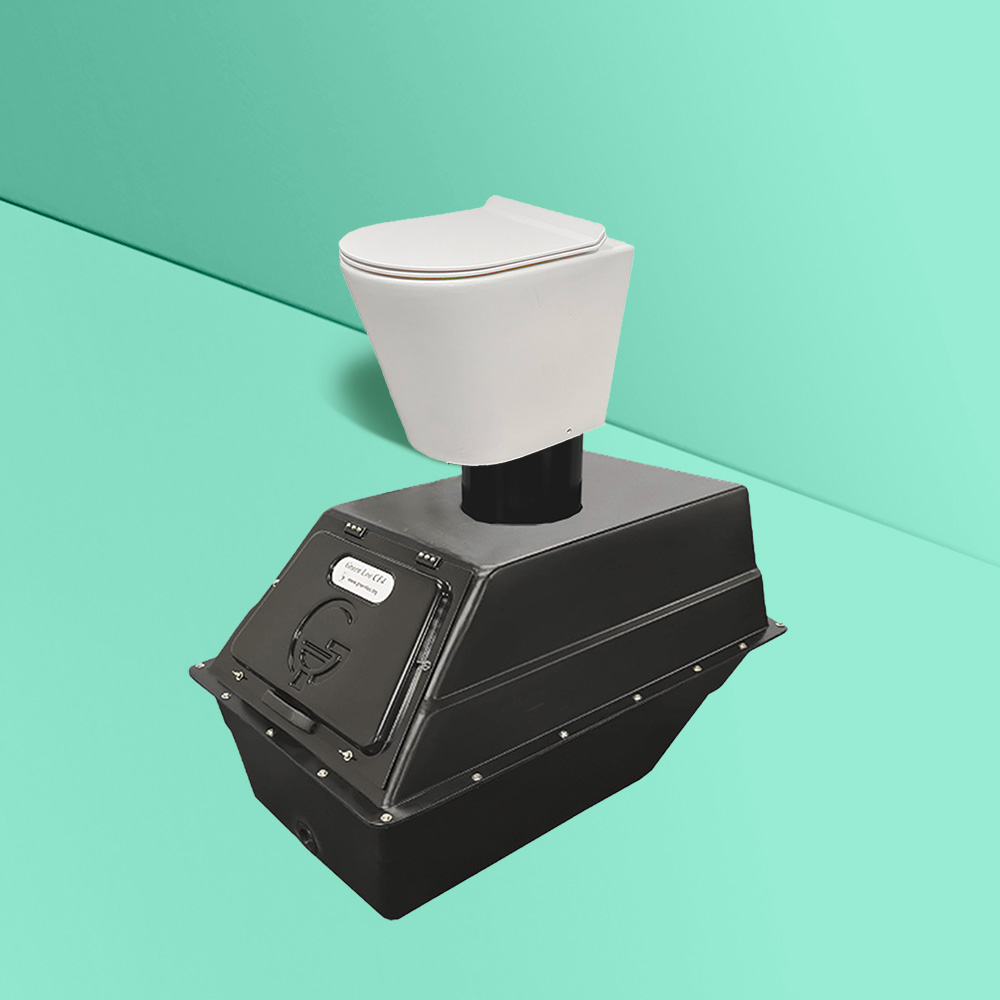
CF 4 waterless composting toilet system with porcelain toilet

CF 4

Continuous Composting Toilet

$1,895.00
gl 90 batch composting toilet package

GL 90

Batch composting toilet

$1,349.00
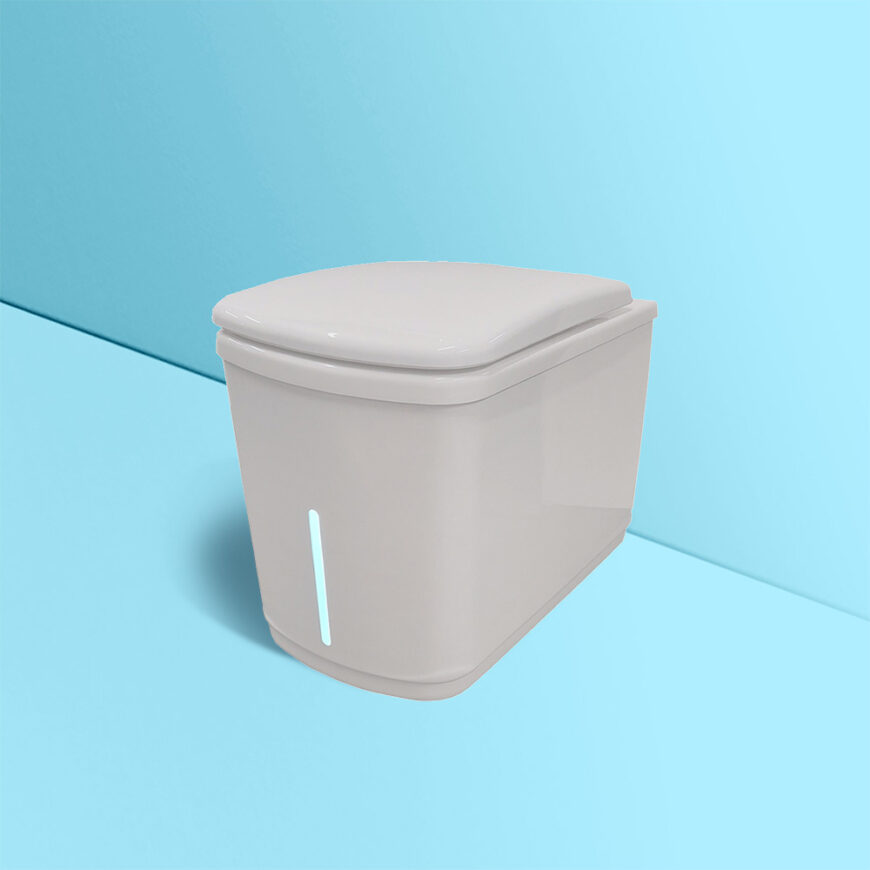
Oz-e-pod waterless composting toilet waterless toilet shop

Oz-e-Pod

Composting Toilet

$1,590.00
tiny pod self contained batch composting toilet

Tiny-Pod

Composting Toilet

$749.00
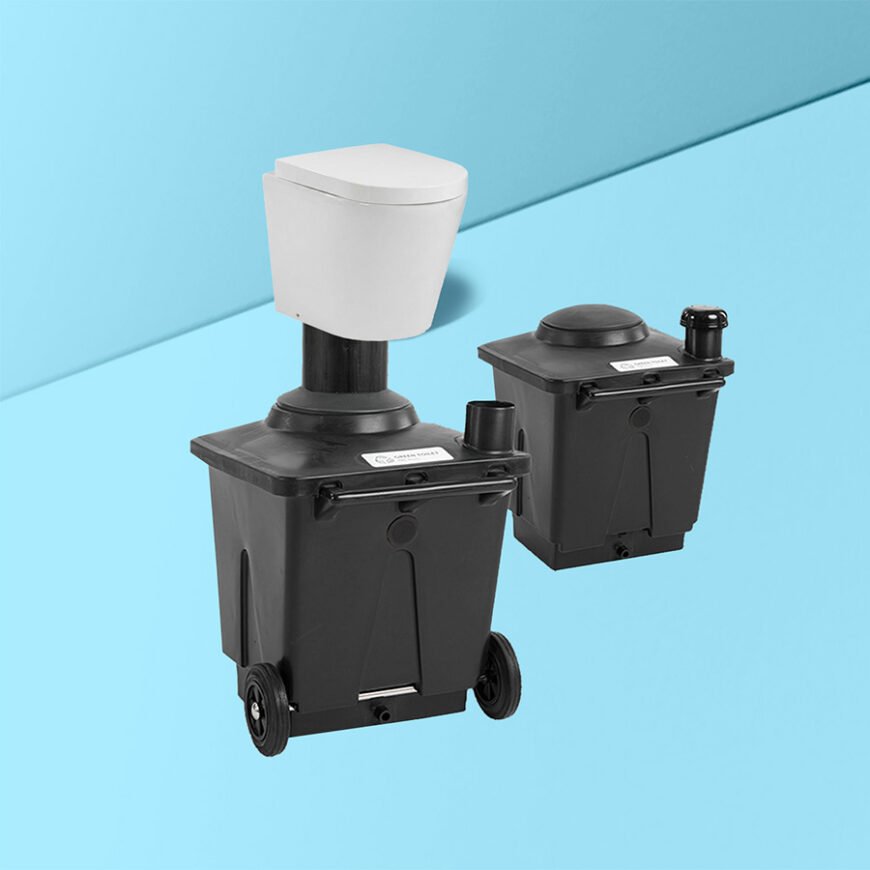
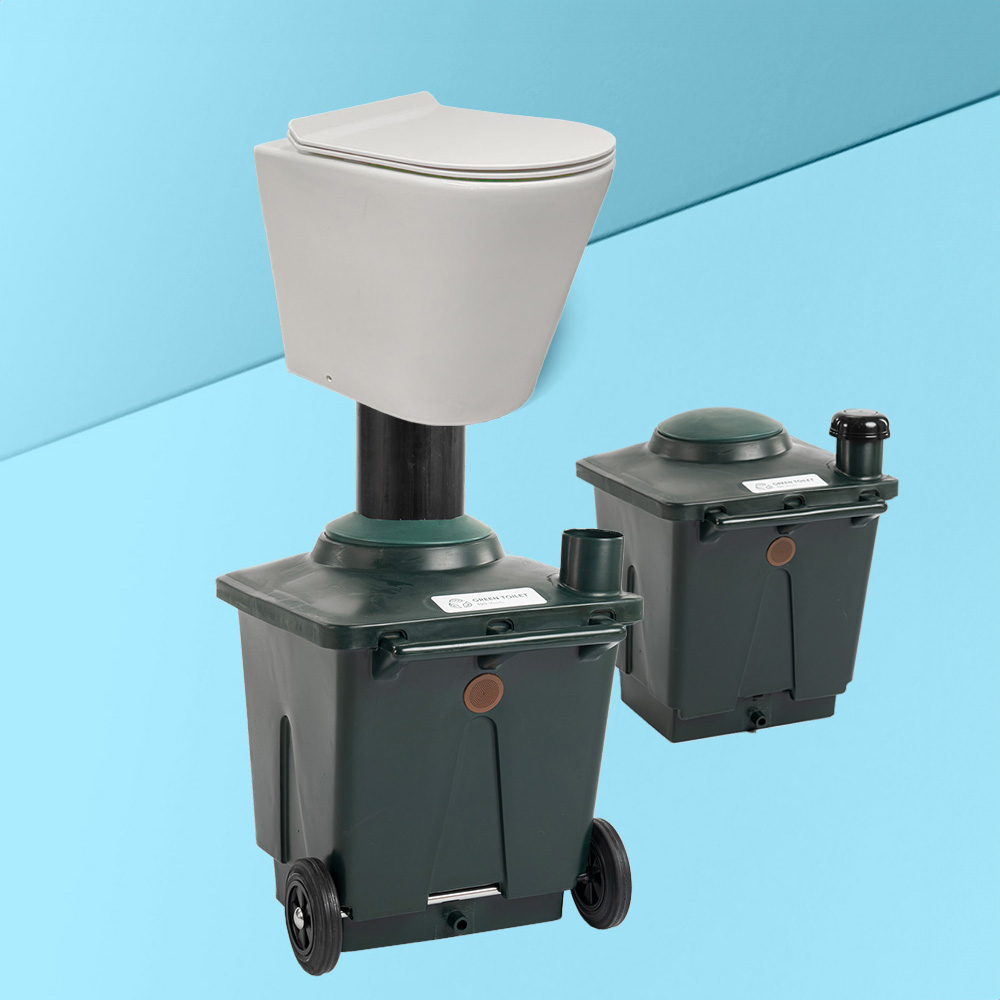
Green Toilet Lux 120 Composting toilet with spare container package Waterless Toilet Shop USA

Green Toilet Lux 120

Composting Toilet

$1,849.00
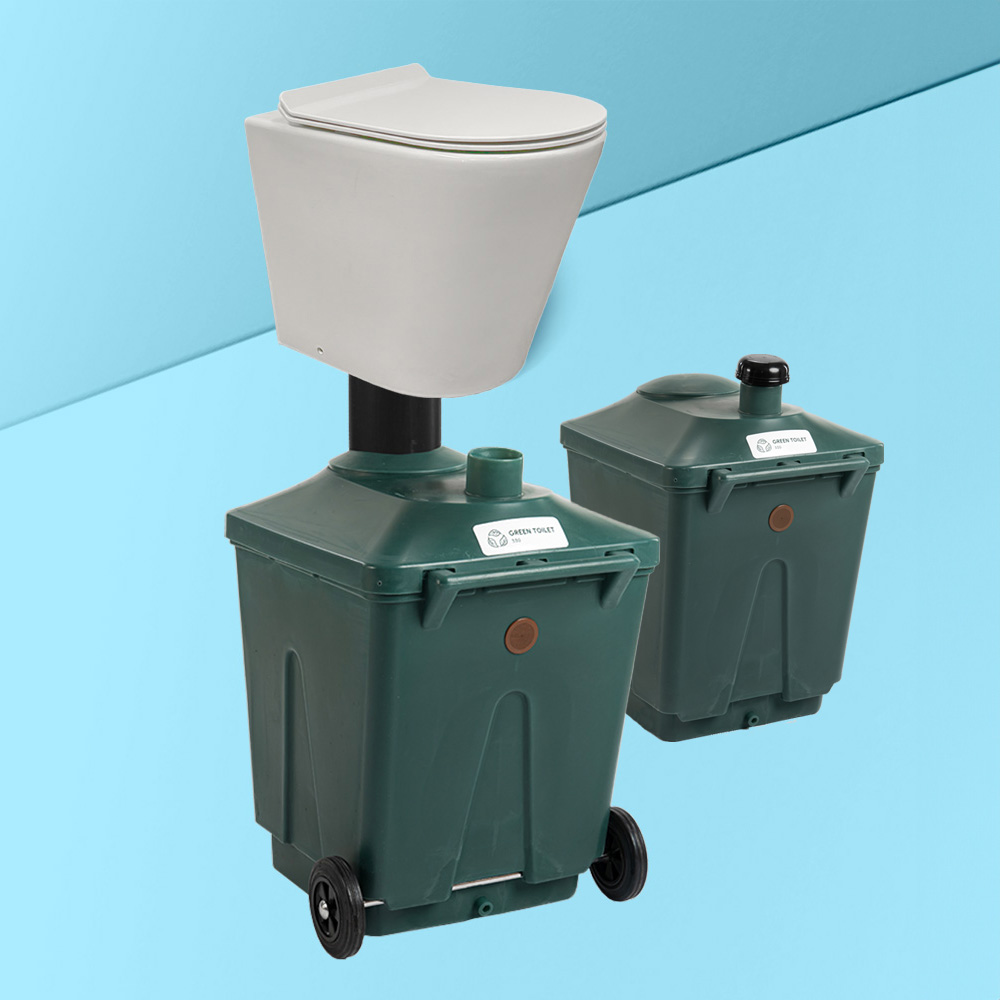
Composting Toilet Green Toilet 100 Easy

Green Toilet 100 Easy

Composting toilet

From: $729.00
$1,000 Off
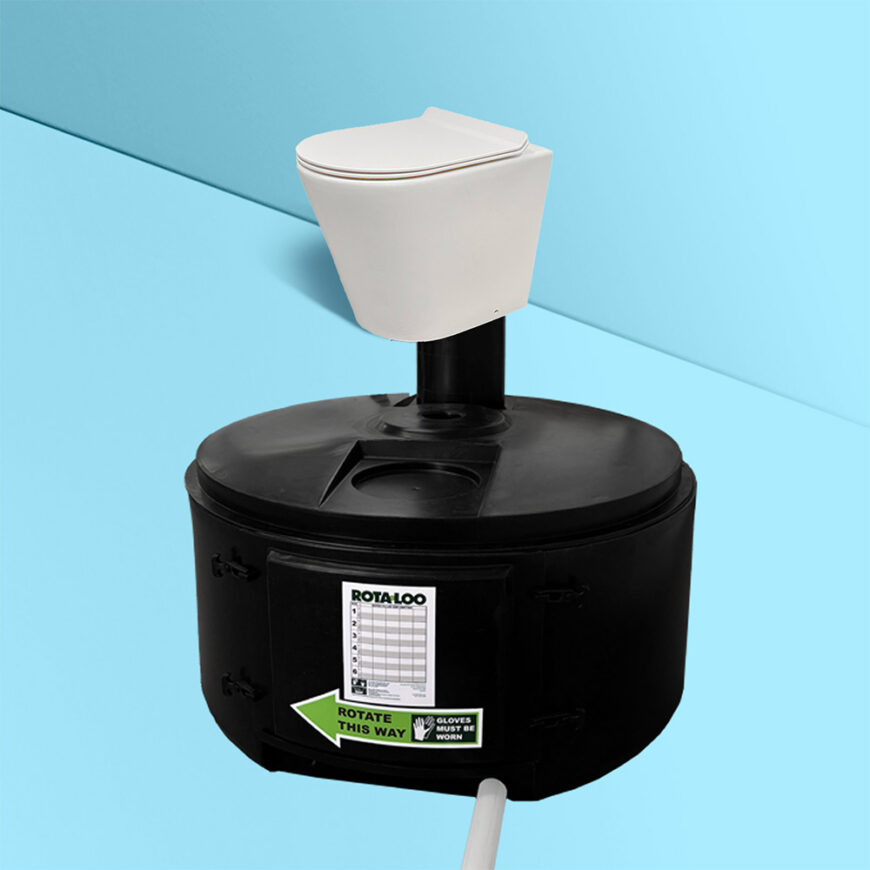
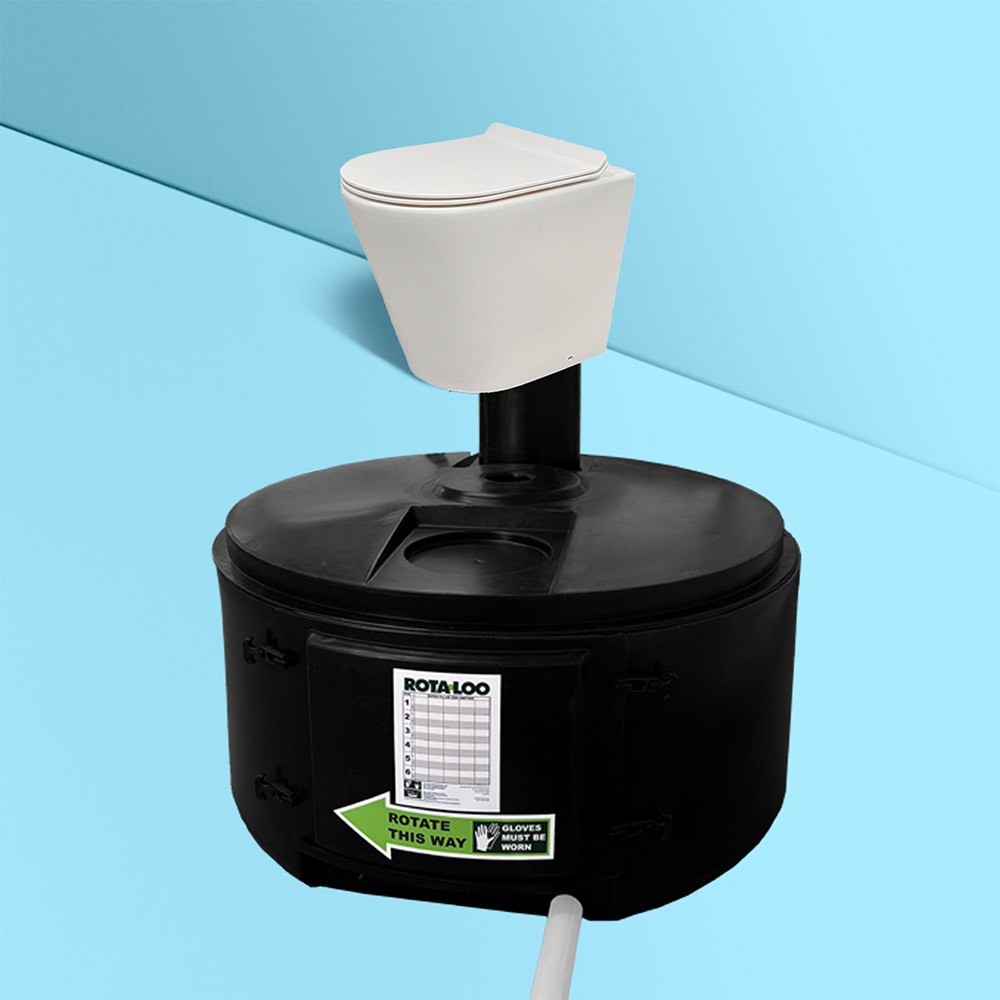
Rota-Loo 650 Split-system Batch Composting Toilet

Rota Loo 650

Batch Composting Toilet

$3,980.00
On Sale
rv pod dry toilet

RV Pod

Urine-diverting toilet

$999.00
a new home for pikkuvihrea was found

Who We Are

At Waterless Toilet Shop we are a dedicated team of dry toilet experts based in Henderson, Nevada. As a family-owned company with deep roots in Scandinavia and Australia, we bring a blend of global insights and local expertise to every product we create.

At Waterless Toilet Shop, we do more than just design and manufacture innovative composting toilets; we also use them daily. This hands-on experience allows us to continuously improve our products and ensure they meet the high standards of functionality and sustainability that our customers expect.

We are committed to living the eco-friendly principles we teach, making our solutions not just part of our business, but a part of our lives. Join us in embracing a more sustainable future, one flush at a time.

Read Our Story
Request a quote

Thanksgiving Holiday Notice

Our customer service team is currently on holiday for Thanksgiving and will return on Monday, December 1st.
Please leave us a message or email and we will get back to you as soon as we’re back. Thank you for your patience and have a wonderful holiday!


Waterless Toilet Shop – Black Friday & Cyber Monday Campaign Terms and Conditions

Campaign Period

This Black Friday & Cyber Monday promotion (β€œCampaign”) runs from November 17, 2025 through December 1, 2025 (Cyber Monday). All qualifying orders must be placed during this period. No retroactive discounts will be applied to orders placed before or after the Campaign Period.

Eligibility

The offers are valid only for purchases made on waterlesstoiletshop.com or through direct communication with Waterless Toilet Shop during the Campaign Period. Discounts apply to new orders only.

Campaign Offers

The following products include fixed discounts during the Campaign Period:

All other products: price reductions may be available. Customers must request a quote during the Campaign Period to receive the best possible offer.

Discounts are automatically applied to listed sale prices or will be reflected in quoted pricing (as applicable).

Limitations

Discounts cannot be combined with any other promotions, coupons, or discount codes unless explicitly stated.

Discounted pricing applies per product, not per order.

Limited inventory: discounts apply only while stock remains available. Some products may have extended lead times.

Shipping costs are not discounted unless otherwise stated.

Request-A-Quote Items

Products requiring a custom quotation must be requested during the Campaign Period. Quotes provided as part of the Campaign will remain valid for 7 days unless otherwise specified.

Payment & Order Completion

To secure the campaign pricing, full payment or an agreed deposit must be received within the quote validity period. Waterless Toilet Shop reserves the right to void quotes not paid within the specified timeframe.

Cancellations & Returns

Standard return and cancellation policies apply. The campaign discount is non-refundable and will not be β€œreapplied” to replacement orders outside the Campaign Period.

General

Waterless Toilet Shop reserves the right to:

  1. modify or withdraw this Campaign at any time,
  2. correct pricing errors,
  3. limit quantities per customer,
  4. decline requests that do not meet eligibility criteria.

By placing an order during the Campaign Period, customers agree to these Terms and Conditions.

Our phone customer service is closed today.
Email customer service remains available β€” please contact us at info@waterlesstoiletshop.com
, and we’ll get back to you as soon as possible.

Thank you for your understanding.

Klarna_Payment_Badge png

Pay with Klarna

We’re excited to now offer Klarna as a payment option at Waterless Toilet Shop!
Choose how you want to pay β€” all at once or with flexible installments that fit your budget.

πŸ’Έ Pay in 4 β€” Interest-Free

Split your composting toilet purchase into four equal payments every two weeks.
No interest, no hidden fees β€” just a smarter way to pay over time.

Other Flexible Options

Klarna also offers monthly financing with 6–24-month plans and transparent APR rates based on your credit.
You’ll see all available payment options instantly when you select Klarna at checkout.

Klarna financing is issued by WebBank and available to eligible U.S. residents in most states.
Missed payments may incur late fees. For California residents, loans are made or arranged pursuant to a California Financing Law license. Review Klarna’s terms.

CF 8 Composting Toilet – Estimated Daily Capacity

The CF 8 is a continuous composting toilet system featuring a single large 250-gallon container. Like the CF 4, it is designed for gradual emptying rather than batch-style use. Solids are typically removed in thirds or sections, allowing earlier deposits time to fully compost inside the tank.

This setup allows for either:


πŸ” Continuous Use: Gradual Emptying in Thirds

When used year-round, the CF 8 is typically emptied one-third at a time, effectively composting in three rotating β€œpiles” within the container.

Because the CF 8 is more than twice as large as the CF 4, each pile can hold approximately 480–960 poops, depending on composting conditions and how much bulking material is used.

Service Interval (per pile) Estimated #2 Visits per Day
30 days (1 month) ~17–32 visits/day
60 days (2 months) ~8–16 visits/day
90 days (3 months) ~5–11 visits/day
180 days (6 months) ~3–5 visits/day
365 days (1 year) ~1.2–2.6 visits/day

πŸ’‘ These figures assume that one-third of the tank is in active use at a time, with older waste given time to compost before removal.


🌀 Seasonal Use: Full-Tank Emptying After Inactive Period

For cabins, cottages, or other sites used seasonally, the CF 8 can be used for a few months and then left idle to allow full composting. In such cases, the entire tank may be emptied once a year.

Full-tank capacity estimate: ~1,440–2,880 poops

Example: 120 days of use (approx. 4 months):
β†’ ~12–24 solid visits per day on average


⚠️ Disclaimer

These numbers are rough estimates based on typical use and conditions. Actual capacity will vary depending on:

For best performance, ensure proper aeration, regular bulking material use, and consistent emptying of composted portions.


πŸ’‘ Want to Maximize Capacity? Consider a Urine-Diverting Toilet β€” With Some Important Considerations

upgrade to a urine diverting toilet pedestal

If you’re looking to maximize the capacity of the CF 8 system β€” aiming for 960+ poops per composting β€œpile” β€” we recommend using a urine-diverting (UD) toilet pedestal.

βœ… Benefits of Urine Separation:

By diverting urine out of the solids container, the volume taken up by absorbent material (like peat or wood shavings) is significantly reduced. This can make a big difference in how often the system needs to be emptied.


⚠️ Downsides to Consider:

Urine-diverting toilets can take some time to get used to. Users need to sit or aim correctly to ensure proper separation, which might not happen consistently without experience or guidance.

For this reason, UD toilets are generally not ideal for public or commercial settings where the toilet is used by guests, tourists, or other first-time users. In these cases, misuse can reduce the effectiveness of the system and may even lead to unpleasant maintenance issues.


In short: A UD toilet is an excellent choice for maximizing capacity in private or family use, but for guest or public access composting toilets, a standard non-diverting model may be more practical and user-friendly.

🚚 $100 OFF Shipping Cost – Green Toilet 330 Composting Toilets

For a limited time, enjoy $100 off the shipping cost when you order a
Green Toilet 330 or Green Toilet Lux 330 composting toilet.

No promo codes, no extra steps – the discount is automatically applied at checkout.

If you experience any technical issue and the discount does not apply automatically, you can manually enter
the coupon code 100OFFSHIPPING during checkout to receive the offer.

The Green Toilet 330 and Green Toilet Lux 330 are ideal for cabins, cottages, off-grid homes, and other locations where
reliable, low-maintenance, and environmentally friendly waste management is a priority. Their batch composting design
makes servicing simple and hygienic, with a spare container included to keep the system running without interruption.

Campaign details:

  • Offer valid until August 31, 2025 or while stock lasts
  • Discount applies only to Green Toilet 330 and Green Toilet Lux 330 composting toilet orders
  • Automatically applied at checkout – or use coupon code 100OFFSHIPPING if needed
  • Applies to orders shipped within the Lower 48 states only

Upgrade your off-grid toilet system now and save on shipping while supplies last.

Green Toilet 100 Easy – Estimated Daily Capacity

The Green Toilet 100 Easy is a compact and user-friendly batch composting toilet with a 26-gallon composting container. Its design makes it well-suited for outhouses, cabins, and even indoor use. A spare container is available to expand capacity and simplify servicing.


πŸ”’ Estimated Solid-Waste Capacity per Bin:

Note: Due to the shape and internal structure of the container, the actual composting capacity is slightly lower than its raw volume might suggest, if you compare with Green Toilet 120 Family composting toilet for example.


πŸ“† Average Daily Capacity per Bin

Service Interval Estimated #2 Visits per Day
30 days (1 month) ~6–7 visits/day
60 days (2 months) ~3–4 visits/day
90 days (3 months) ~2.2 visits/day
180 days (6 months) ~1.1 visits/day
365 days (1 year) ~0.5 visits/day

Notes & Recommendations:


⚠️ Disclaimer:
These estimates are intended as general guidance. Real-world performance may vary depending on:

CF 4 Composting Toilet – Estimated Daily Capacity

The CF 4 is a continuous composting toilet system featuring a single large 105-gallon container. Unlike batch composting systems (such as the Green Toilet models), the CF 4 is designed for gradual emptying β€” solids are typically removed in thirds or sections, allowing earlier deposits time to fully compost inside the tank.

This setup allows for either:


πŸ” Continuous Use: Gradual Emptying in Thirds

When used year-round, the CF 4 is typically emptied one-third at a time, effectively composting in three rotating β€œpiles” within the container. Depending on composting conditions and how much bulking material is used, each pile can hold approximately 200–400 poops.

Service Interval (per pile) Estimated #2 Visits per Day
30 days (1 month) ~7–13 visits/day
60 days (2 months) ~3–7 visits/day
90 days (3 months) ~2–4 visits/day
180 days (6 months) ~1–2 visits/day
365 days (1 year) ~0.5–1.1 visits/day

πŸ’‘ These figures assume that one third of the tank is in active use at a time, with older waste given time to compost before removal.


🌀 Seasonal Use: Full-Tank Emptying After Inactive Period

For cabins, cottages, or other sites used seasonally, the CF 4 can be used for a few months and then left idle to allow full composting. In such cases, the entire tank may be emptied once a year.


⚠️ Disclaimer

These numbers are rough estimates based on typical use and conditions. Actual capacity will vary depending on:

For best performance, ensure proper aeration, regular bulking material use, and consistent emptying of composted portions.


πŸ’‘ Want to Maximize Capacity? Consider a Urine-Diverting Toilet β€” With Some Important Considerations

upgrade to a urine diverting toilet pedestal

If you’re looking to maximize the capacity of the CF 4 system β€” aiming for 400+ poops per composting β€œpile” β€” we recommend using a urine-diverting (UD) toilet pedestal.

βœ… Benefits of Urine Separation:

By diverting urine out of the solids container, the volume taken up by absorbent material (like peat or wood shavings) is significantly reduced. This can make a noticeable difference in how often the system needs to be emptied.

⚠️ Downsides to Consider:


In short: A UD toilet is an excellent choice for maximizing capacity in private or family use, but for guest or public access composting toilets, a standard non-diverting model may be more practical and user-friendly.

Green Toilet 120 Family

πŸ’© Average Daily Capacity per 31-Gallon Composting Bin

(Based on approx. 356 uses involving a #2 β€” i.e., poop) – only the solids count!

Service Interval #2 Visits per Day (involving a #2)
30 days (1 month) ~11.9 visits/day
60 days (2 months) ~5.9 visits/day
90 days (3 months) ~4.0 visits/day
180 days (6 months) ~2.0 visits/day
365 days (1 year) ~1.0 visits/day

🟒 What counts as a β€œ#2 visit”?
Only visits that involve pooping (i.e., going number two) β€” urine-only visits don’t contribute to filling the composting bin and are not included in the estimate.

⚠️ Disclaimer:
These estimates are approximations. The actual number of solid uses per bin may vary significantly depending on climate, temperature, ventilation, user habits, and the amount of dry bulking material (e.g., wood shavings or peat) added after each use.

Green Toilet 330

πŸ’© Average Daily Capacity per 87-Gallon Composting Bin

(Based on approx. 1,000 uses involving a #2 β€” i.e., poop) – only the solids count!

Service Interval #2 Visits per Day (involving pooping)
30 days (1 month) ~33 visits/day
60 days (2 months) ~17 visits/day
90 days (3 months) ~11 visits/day
180 days (6 months) ~5.6 visits/day
365 days (1 year) ~2.7 visits/day

🟒 What counts as a β€œ#2 visit”?
Only visits that involve defecation (pooping) β€” urine-only visits don’t fill up the composting bin and are not included in the 1,000-use estimate.

⚠️ Disclaimer:
These estimates are based on typical, steady use. The actual number of solid uses a composting bin can handle may vary significantly depending on climate, temperature, humidity, ventilation, and how much dry bulking material (like wood shavings) is added after each use.

Composting toilet waste pipe extension

πŸ’§ Liquid waste (urine) estimate

Average person produces about:

So for 100 people:


🚽 Flush water use estimate

Average flush volume in the U.S. is about:

Average person flushes ~5 times per day, so:

So for 100 people:


βœ… Summary in gallons

Type Per person For 100 people
Urine (liquid waste) β‰ˆ0.4 gal/day β‰ˆ40 gal/day
Flush water (toilet only) β‰ˆ7.5 gal/day β‰ˆ750 gal/day
Product Image Product Clearance Requirement
CF 4 continuous composting toilet with porcelain pedestal green background CF 4 Continuous composting toilet 13″ (when partially buried)
gl 90 batch composting toilet package GL 90 Batch composting toilet 18″
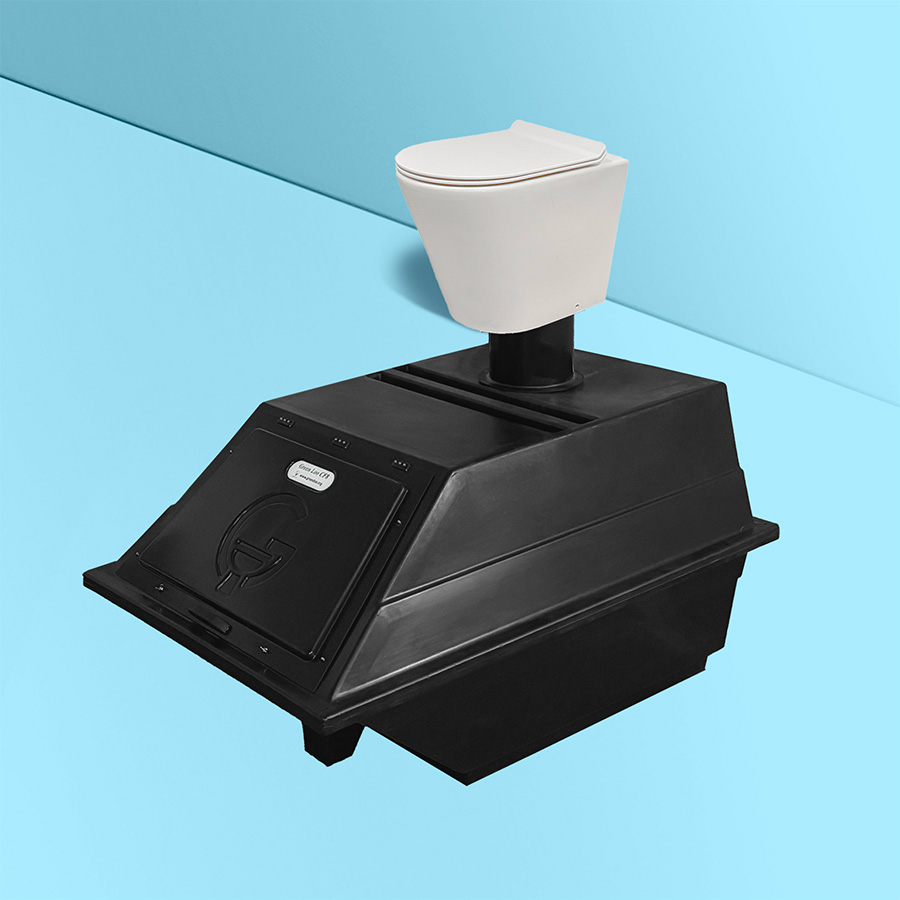
CF 8 continuous composting toilet with non separating porcelain pedestal blue background CF 8 Continuous composting toilet 18″ (when partially buried)
Rota-Loo 650 Split-system Batch Composting Toilet Rota Loo 650 Batch composting toilet 26″
Green Toilet Lux 120 Composting toilet with spare container package Green Toilet Lux 120 Batch composting toilet 28″
Green Toilet Lux 330 Composting toilet with spare container package Green Toilet Lux 330 Batch composting toilet 37″
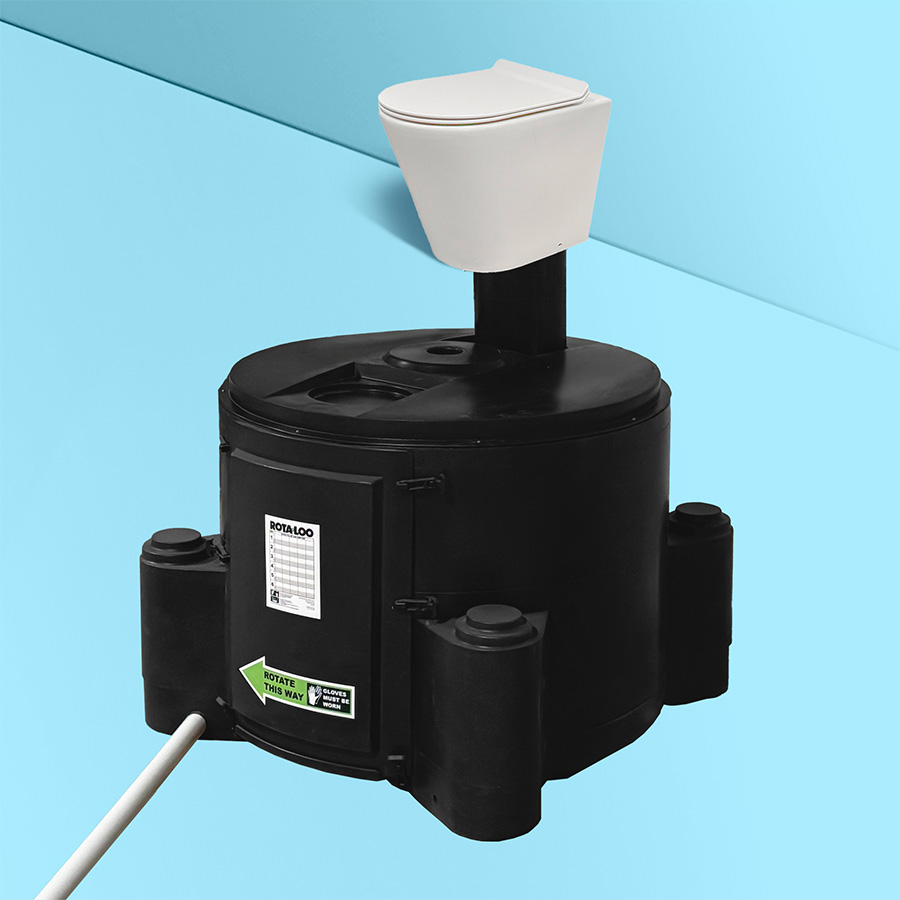
Rota Loo 950 batch composting toilet blue background Rota Loo 950 Batch composting toilet 38″

πŸ“ž Customer Service Hours
We’re here to help!

πŸ“± Phone: 1-702-328-0689
πŸ’¬ Live Chat: Start a Chat Now

Our team is always available to assist you during the following hours:

Monday – Friday: 6:00 AM – 2:00 PM Pacific Time
Saturday – Sunday: Closed
Holidays: Closed

Have a question outside of our service hours?
Feel free to leave us a message through our contact form or email us at info@waterlesstoiletshop.com.

We’ll get back to you as soon as possible on the next business day.

WTS Logo

Urine Separation in Composting Toilet Article

outhouse next to winter cottage (1)

outhouse next to winter cottage


open compost bin outdoors

open back bench-type-of seat
Installation principle of Green Toilet 120 and 330

Green Toilet 120 Family composting toilet installed

Green Toilet 120 Family installed underneath outhouse seat

Green Toilet 330 outhouse inside flat seat

Green Toilet 330 ventilation pipes

Green Toilet features ventilation pipes.

On top of the vent pipe stack here is a Whirlybird

Green Toilet double base from below

Green Toilet’s double base from below

My cart
Your cart is empty.

Looks like you haven't made a choice yet.