
 Composting
 Off-Grid
 Indoors
 Premium
 Floor-standing
 Tiny House
 ADU
ADU Urine-diverting
 Year-around
 Luxurious
 Cabins
 RVs
RVs Large capacity
 Cold climate
 Glamping
 Outhouses
 Batch toilets
 Public use
 Single-chamber
 Toilet Pedestals
 Accessories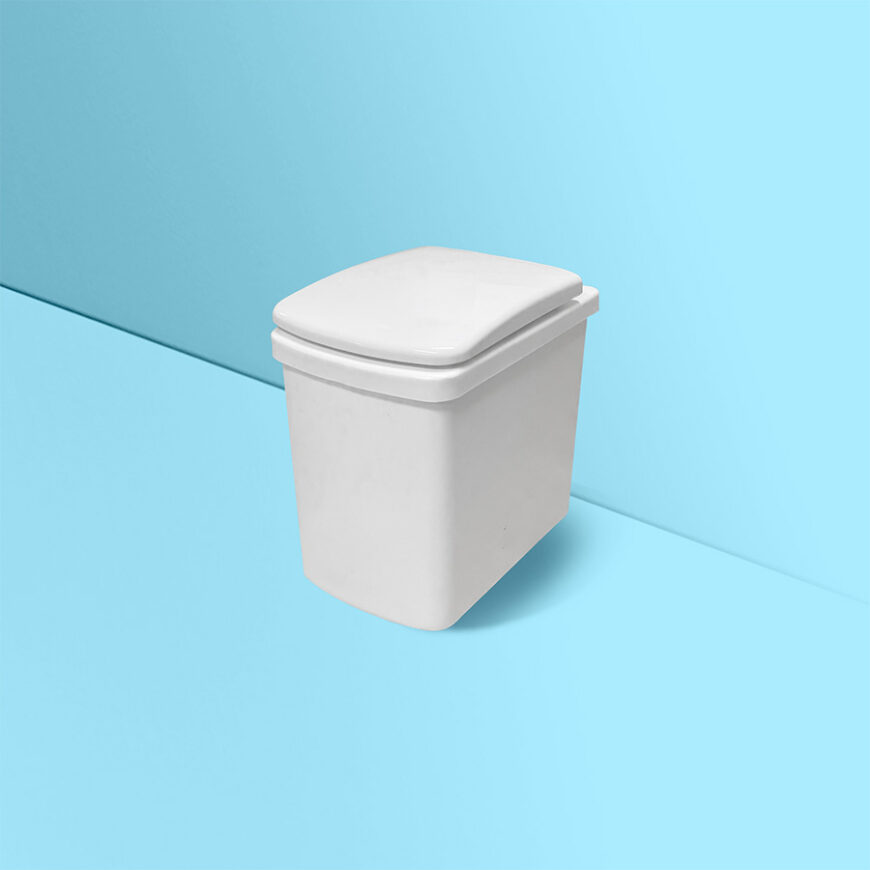


Tiny-Pod
Composting Toilet
$749.00
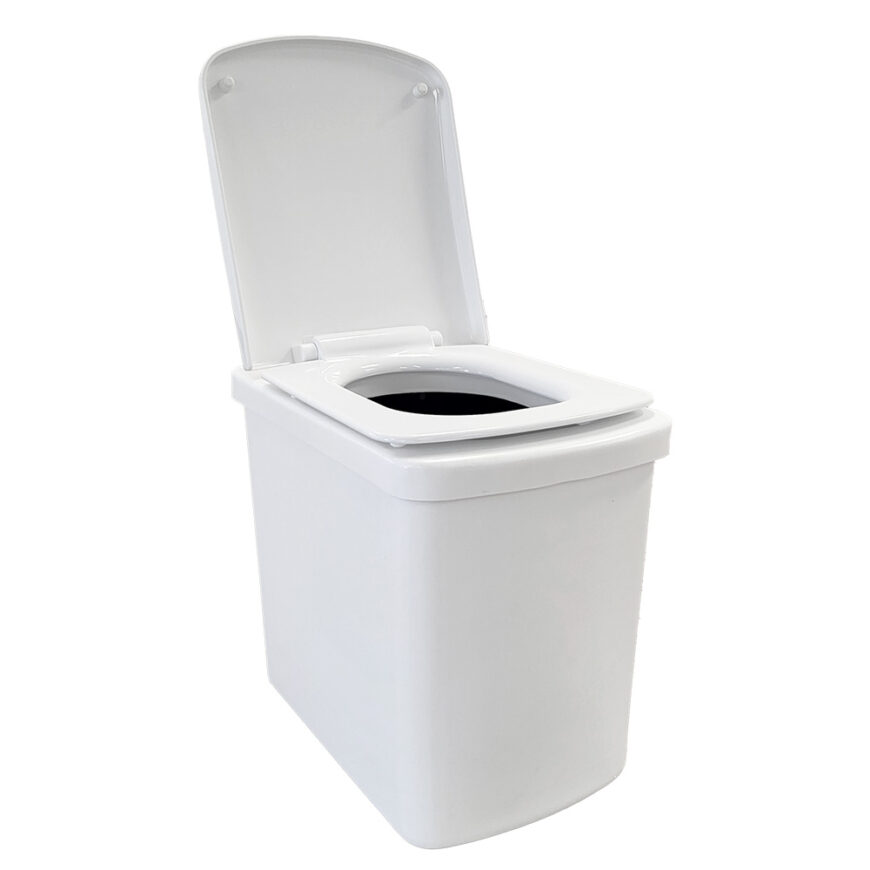
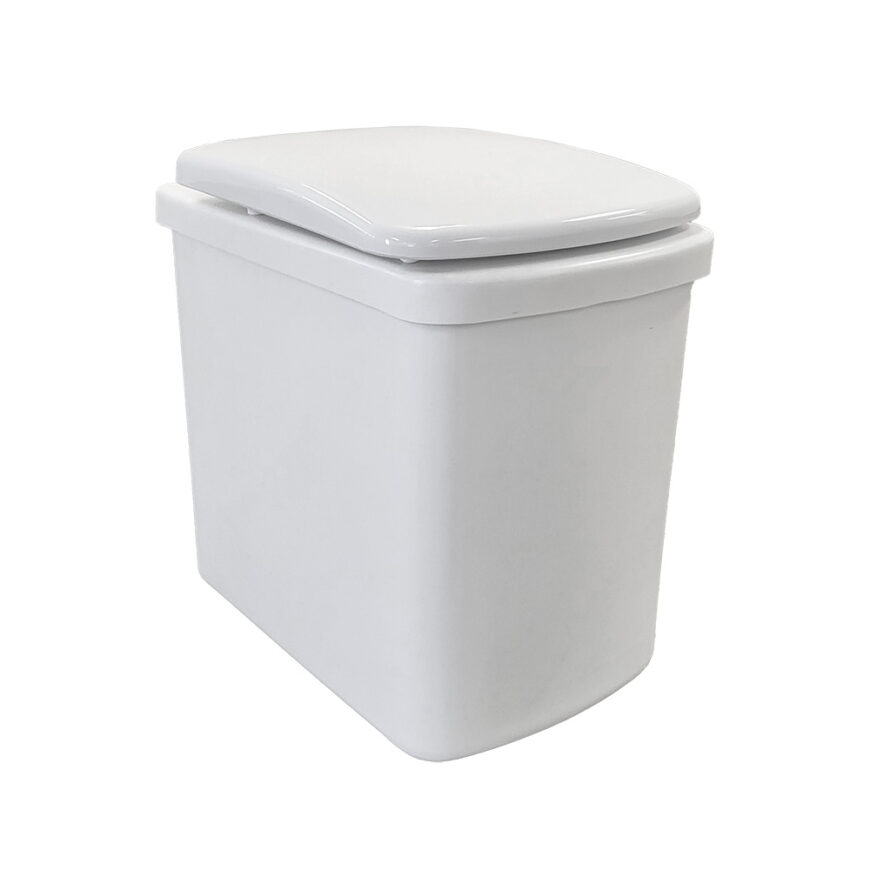
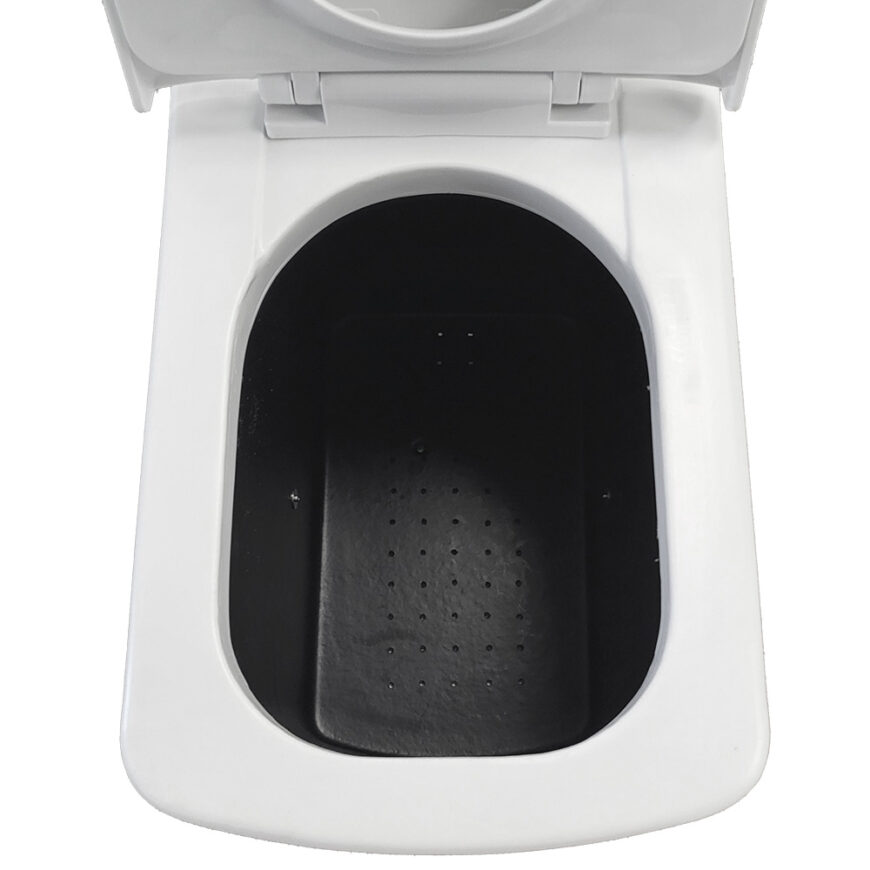
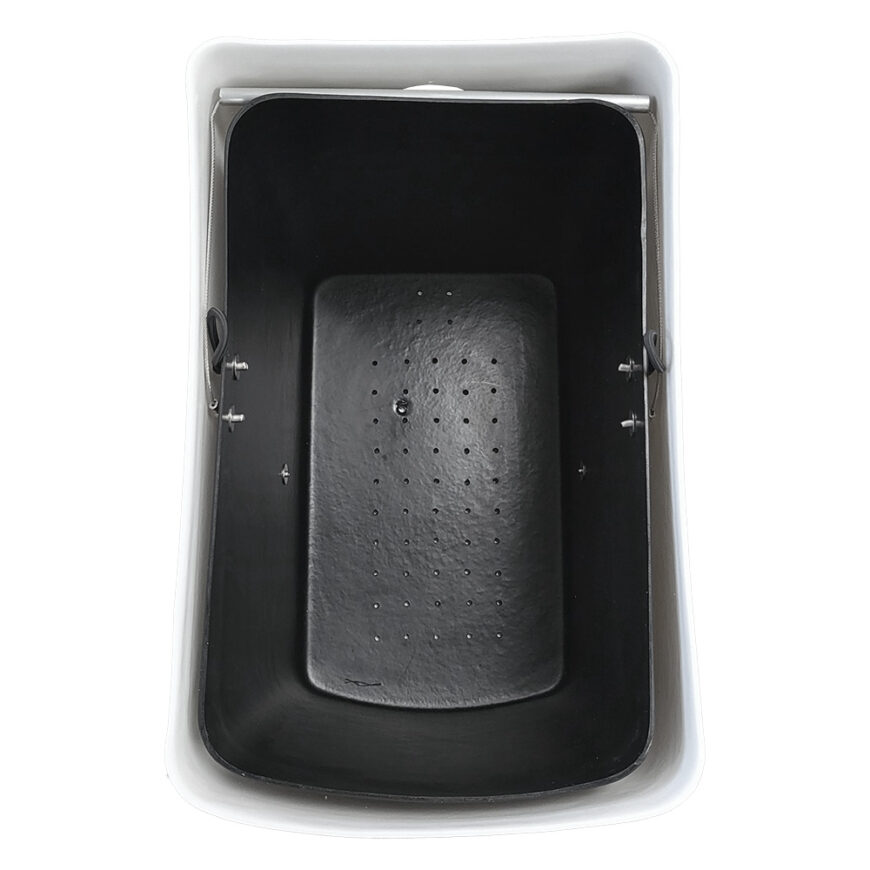
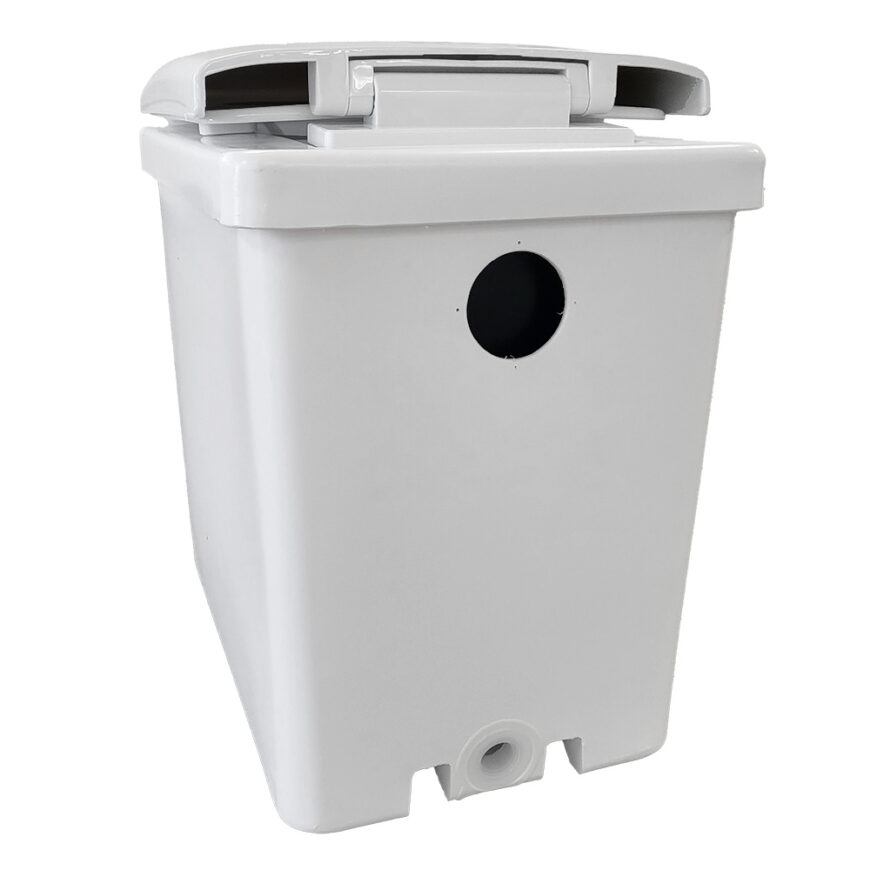
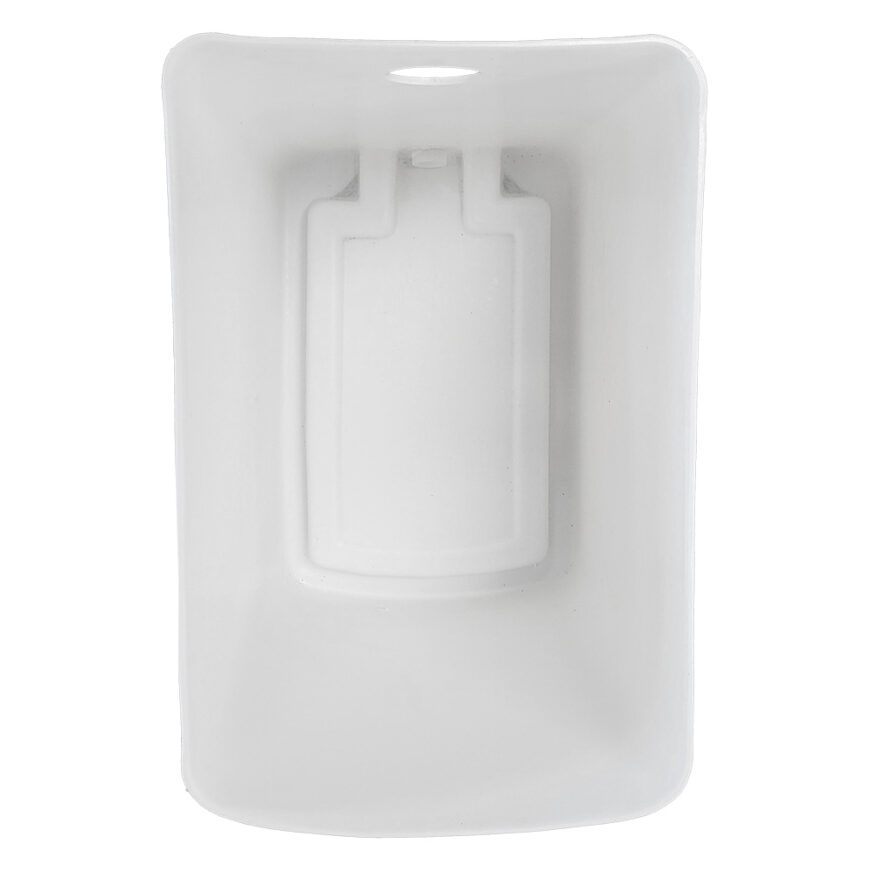
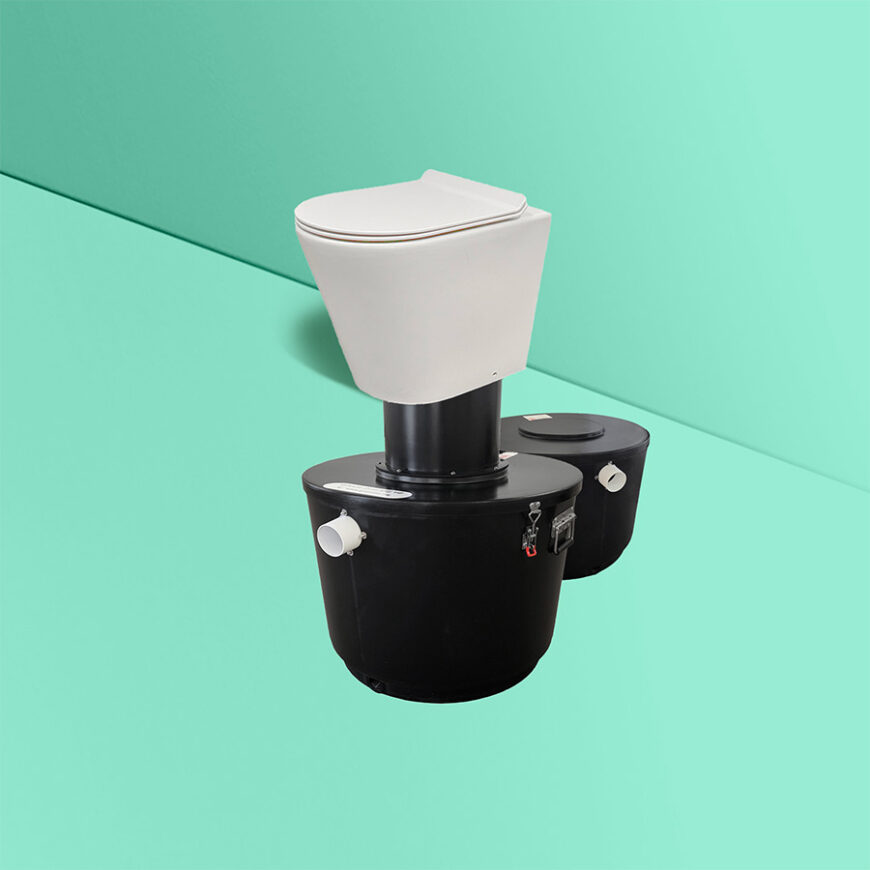
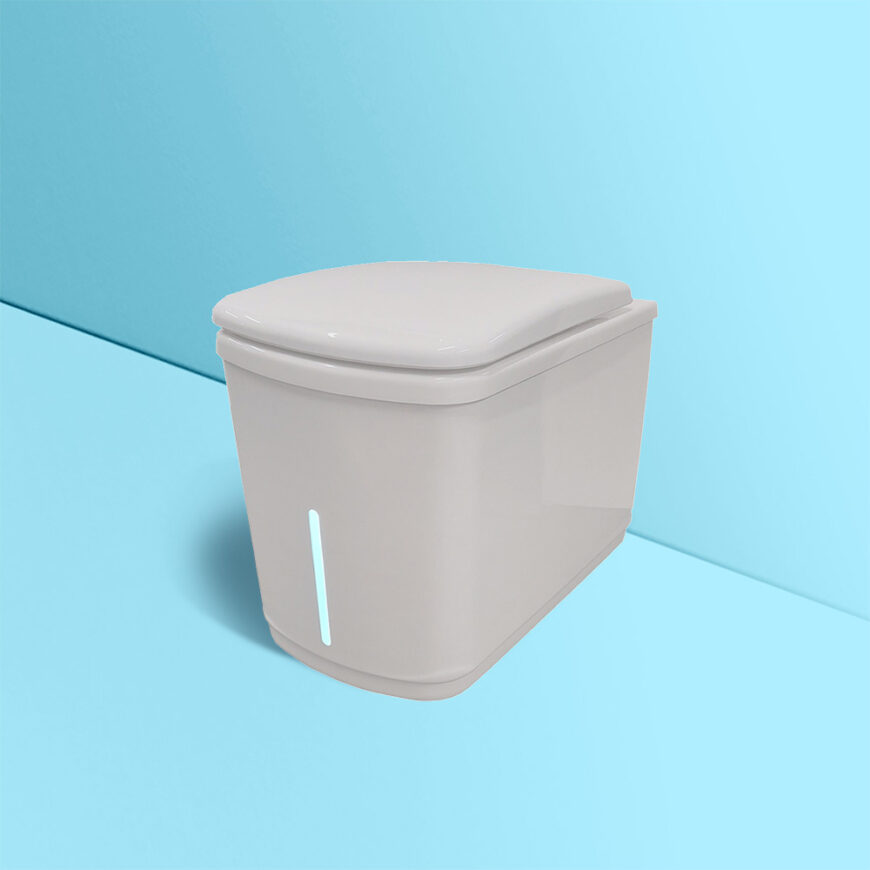
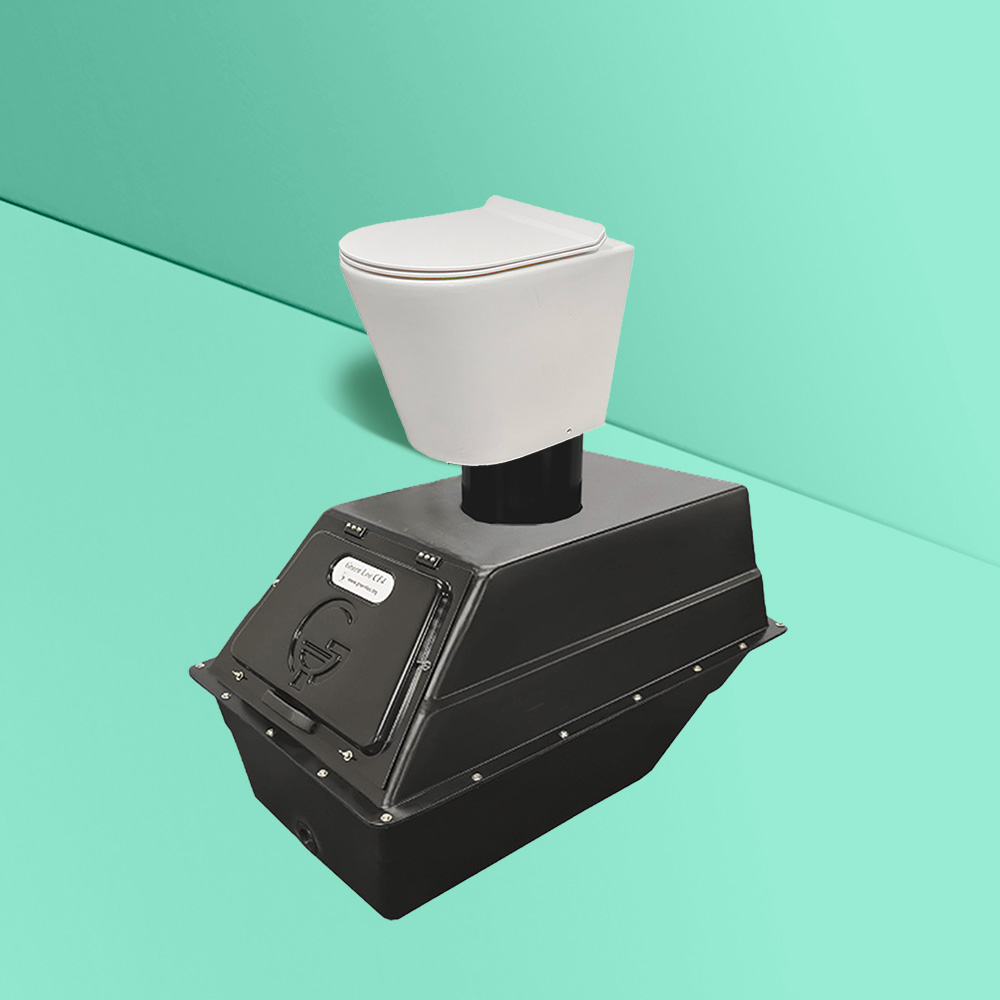
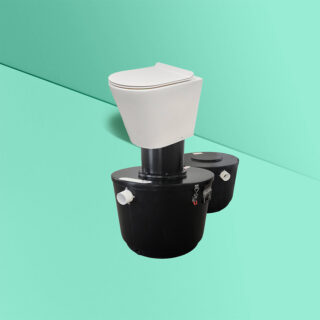
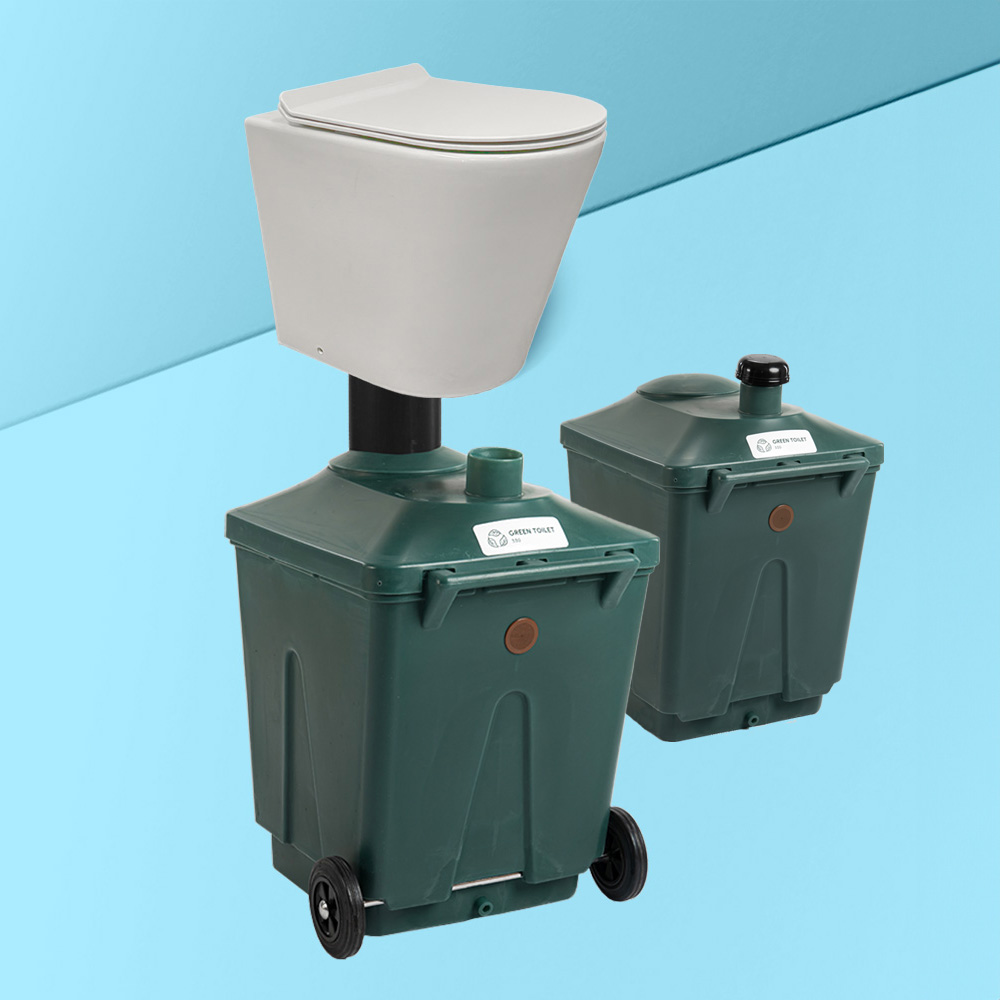
Tiny-Pod is a sleek floor-standing composting toilet with a swappable bin system (also known as batch composting), tailored for 1–2 individuals and best suited for part-time use. Tiny-Pod has a stylish white look that fits well into modern design. Inside the Tiny-Pod, there is a black solids chamber that separates excess urine from the solid waste, keeping the toilet odorless and optimizing the decomposing process.
With the ability to expand capacity through additional compost bins, the Tiny-Pod is a perfect fit for tiny homes, holiday cottages, and any setting with limited space available for a toilet.
In stock: 4 pcs
Tiny-Pod
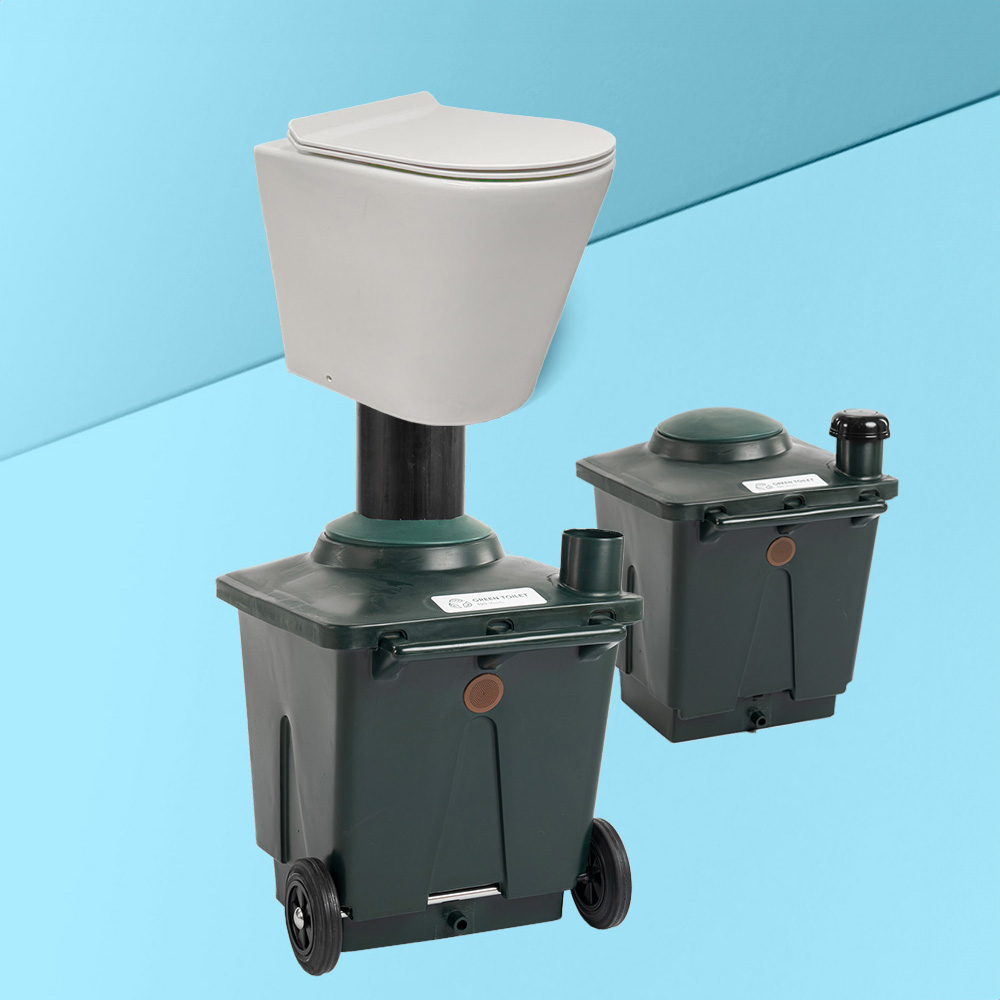
The Tiny-Pod introduces a compact, efficient composting toilet system designed for 1–2 people. The Tiny-Pod works as a swappable bin system (also known as batch composting): it is supplied with two compost bins, so when the bin in use becomes full, it is simply swapped for the empty one and set aside to finish composting. This makes it best suited for part-time or seasonal use; for full-time, year-round use, we recommend expanding the rotation to 2–4 compost bins, or, for continuous heavy-duty use, choosing our larger-capacity Toilet Waste Composter instead. Constructed with durability in mind, it features high resistance to impact, chemicals, and UV light, ensuring longevity and reliability.
Made in Australia.
The Tiny-Pod's attractive design and ease of operation make it an excellent selection for any setting. Its process of aerobic decomposition and evaporation transforms human waste into a clean, safe substance that can be sustainably returned to the earth, ensuring environmental protection.
What is a Floor-Standing Swappable Bin Toilet?
The Tiny-Pod is a textbook example of a floor-standing toilet (also known as self-contained) with a swappable bin system (also known as batch composting).
A floor-standing composting toilet is a standalone unit where all solid waste is managed within the toilet itself, although liquids may be diverted and drained out through a hose into a separate container.
The swappable bin system refers to managing waste with multiple bins. Typically, the system includes at least two bins: while one is in active use within the toilet, the other is placed outdoors to undergo further composting. Once the bin in use fills up, it is swapped with the composted bin from outdoors, allowing a continuous cycle of use and composting. This swappable bin method ensures that waste is effectively transformed into compost over time, optimizing space and resource use in environments where sustainable practices are essential.
Key Benefits
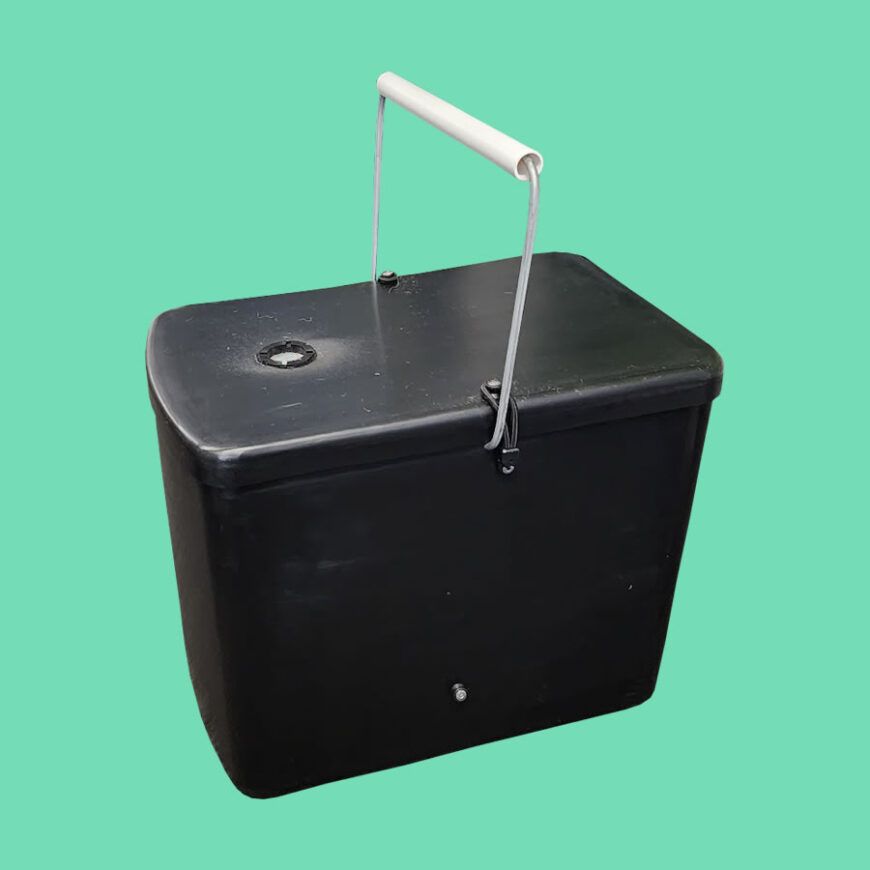
Swappable Bin System (also known as batch composting): Tiny-Pod is supplied with two compost bins, both 11.5 gallons. When one bin fills up, the next one can be set into use. The contents of the first bin are expected to be fully composted by the time the second bin has filled up.
Adaptable Capacity: Accommodates 1–2 users with the flexibility to expand by adding more compost bins.
Durable Design: The Tiny-Pod features a durable, elegant, and sturdy construction with high resistance to impact, chemicals, and UV light.
Mess-Free Maintenance: Includes a transit tray (also known as a drip tray) for clean and easy bin exchanges.
Eco-Friendly Process: The composting process effectively reduces waste volume by 70–90%, producing nutrient-rich compost.
Energy-Efficient Operation: Features a low-consumption fan and a system to manage excess liquids efficiently.
Power Options: Supports connection to mains power or an optional 12V solar power for completely off-grid setups.
Simplified Installation: Designed for easy assembly with basic tools, perfect for tiny homes and buildings installed directly on floor level.
Installation
The Tiny-Pod composting toilet is simple to install directly on floor level of your toilet room. To install the Tiny-Pod, you need to make two holes in the back wall of your toilet room: one 3″ hole for the ventilation pipe and another 1″ hole for the excess liquids flowing out from the composting toilet.
For more specific information about the installation of the Tiny-Pod, please refer to the installation and user manual.
Use of the Tiny-Pod
The Tiny-Pod composting toilet is used just like a normal flush toilet, except that it is not flushed. All toilet waste goes into a single compost bin inside the Tiny-Pod. Toilet paper can also be put into the toilet, as it composts along with the other solids inside the bin. However, please note that any items containing plastic, e.g., sanitary towels, should be placed into a separate trash bin as they do not compost.
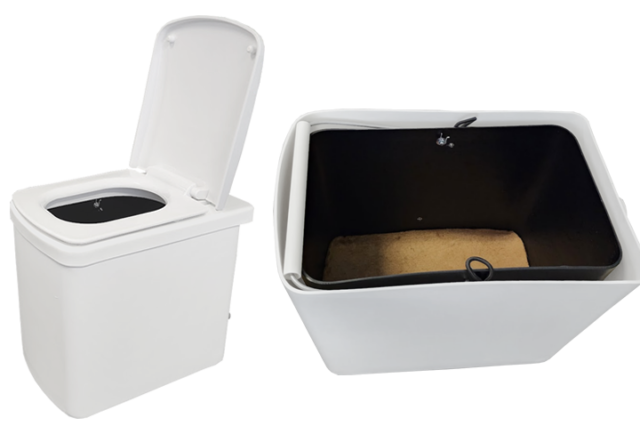
Following each use, it is advised to sprinkle a cup of covering material, like hemp or peat, over the waste through the toilet seat to aid the composting process and to cover tracks of use.
Service of the Tiny-Pod
The average length of time until a bin is 80 percent full (recommended exchange level) is around 4–6 weeks with 2 people in full-time use.
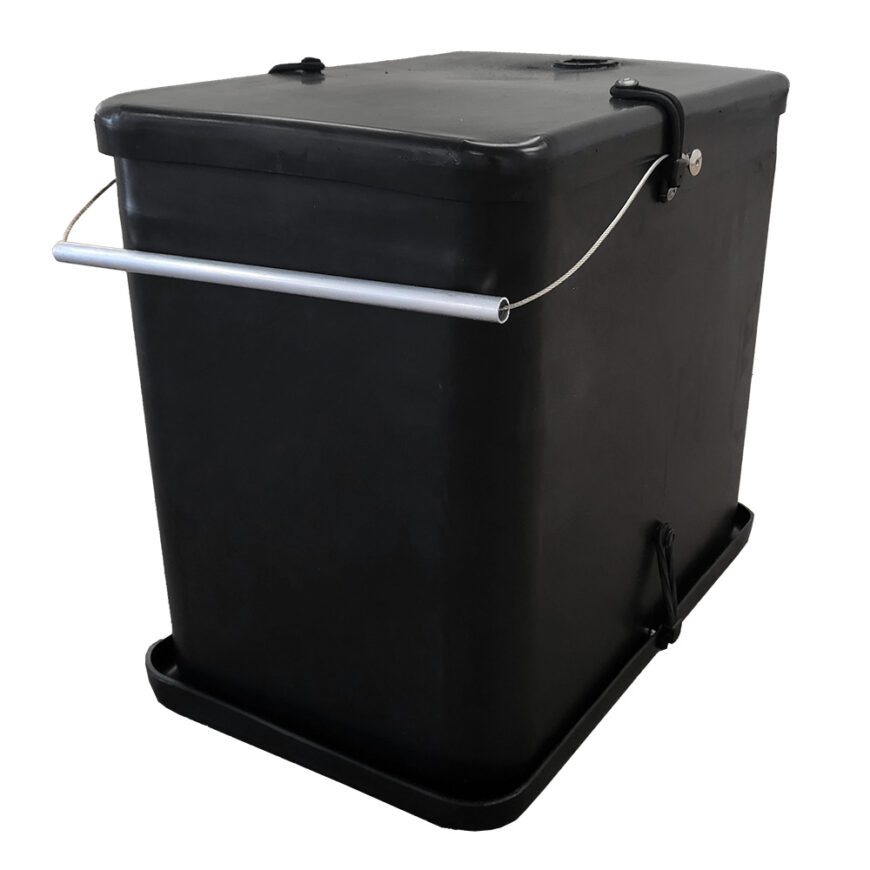
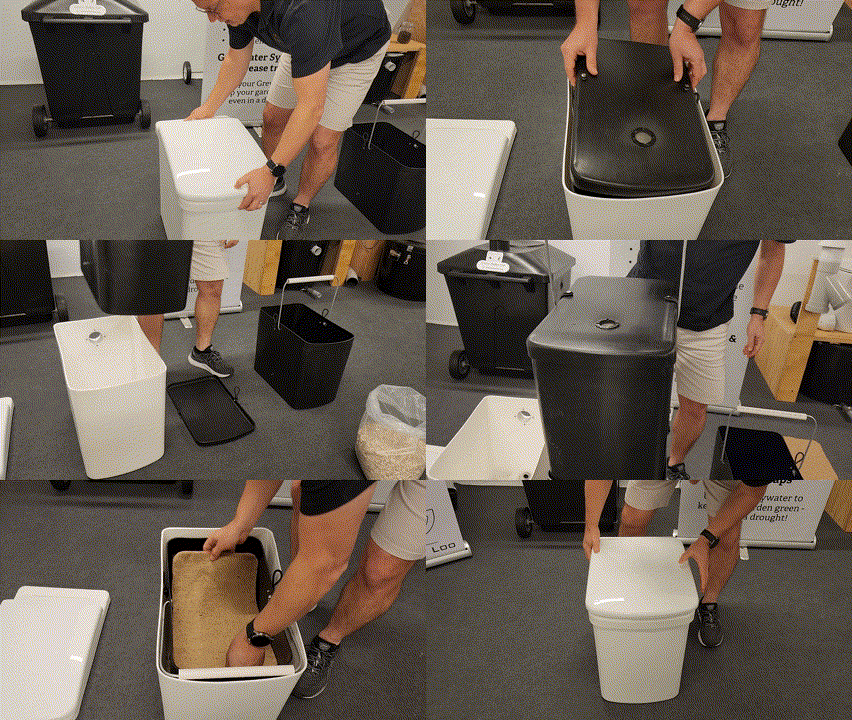
When it is time to exchange or empty the Tiny-Pod, the top of the system is first removed. Then, a lid is put onto the compost bin either while it is still inside the unit or outside. The lid is secured to the bin with bungee loops, and the bin is lifted onto a drip tray (also known as a transit tray) next to the Tiny-Pod. The tray’s purpose is to prevent excess liquids from dripping onto the floor while the bin is carried out for emptying, and it is fastened to the bin with another set of bungee loops. The full compost bin is now ready to be carried outside for further composting or emptying. As in any swappable bin system (also known as batch composting), the waste will finish composting in this bin while the second bin is in use.
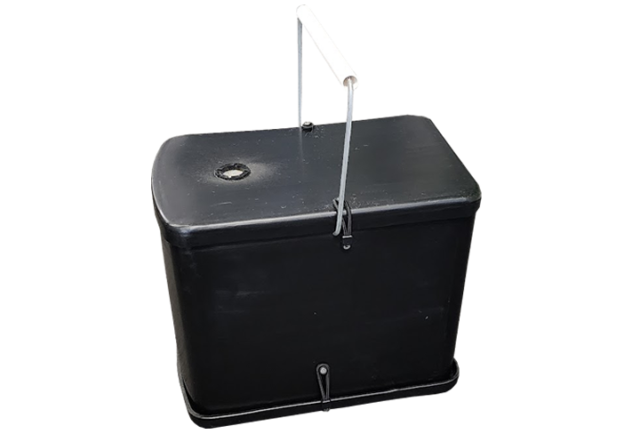
By the time the second bin has filled up, the contents of the first bin should be ready to be used as a fertilizer in, e.g., a garden, or disposed of appropriately. Should the first bin not be ready yet by the time the second bin has filled up, we recommend either purchasing an extra compost bin or a larger, completely separate toilet waste composter with greater capacity.
Please note that there is no definite way to determine if the composting process has finished fully. A good rule of thumb is that if the compost looks and feels ready and does not smell, then it most likely is ready.
Specifications
| Feature | Specification |
|---|---|
| Product | Tiny-Pod |
| Recommended For | Limited Part-time use |
| Capacity | 1-2 Users |
| Average Daily Visits | – |
| Length | 20.5″ |
| Width | 13.8″ |
| Height | 19.3″ |
| Depth | – |
| Minimum Under Floor Space Requirement | N/A |
| Weight limit | ~400 lbs |
| Volume Per Container | 11.5 Gallons |
| Container Weight (Empty) | – |
| Toilet Weight | – |
| Total System Shipping Weight | 41 lbs |
Delivery Contents
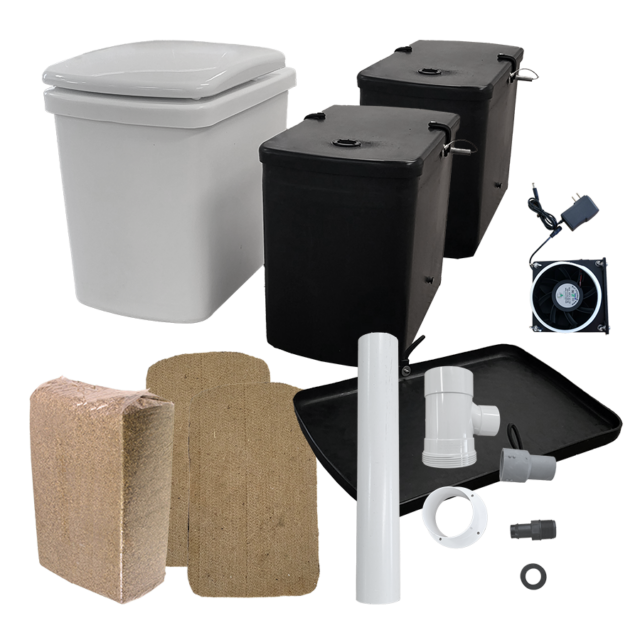
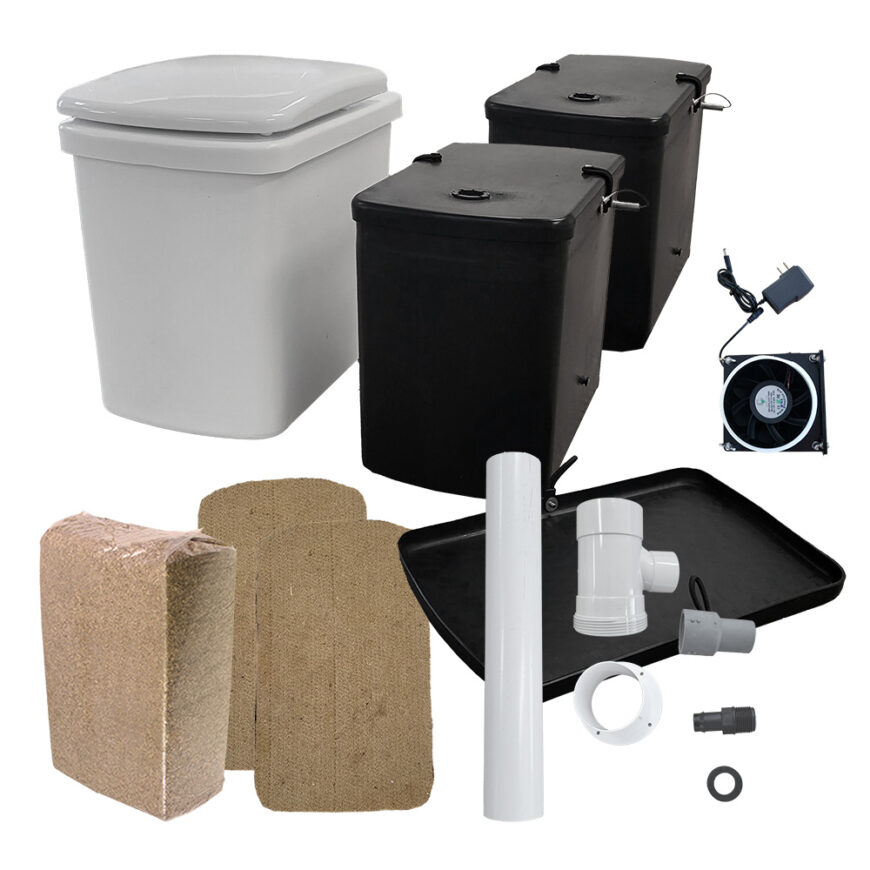
- Tiny-Pod composting toilet
- 2 compost bins (11.5-gallon capacity each)
- 1 lid & 1 transit tray (also known as a drip tray) as standard
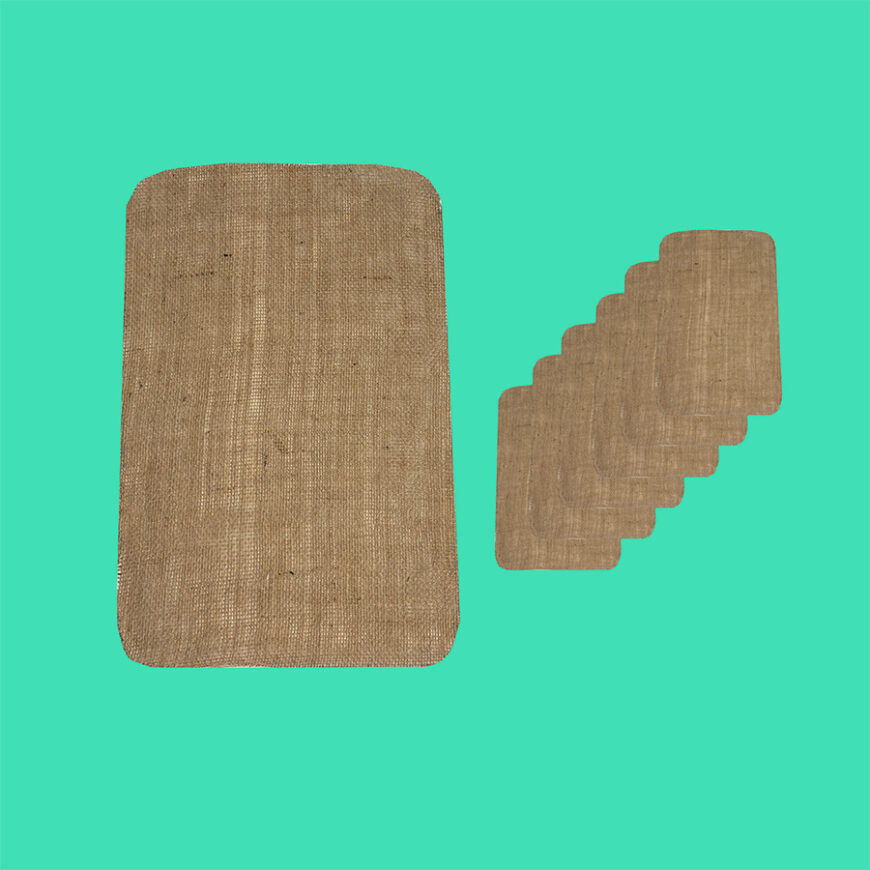
- 2 x Jute liners
- 12V fan & housing, mains transformer and plug
- Vent cowl
- Moisture trap to protect the fan from condensation
- Covering material
- 65mm pipe & excess liquids drainage pipe
This is everything you need to set the system up and get going, except the 4″ vent pipe and slotted drainage pipe (not included for transport reasons and affordably obtainable from any local hardware store).
Optional accessories
*Recommended for off-grid installations without electricity. Use the coupon code “DROP FAN” at checkout to remove the electric fan from the basic package and receive a discount for its exclusion.
**We recommend considering the purchase of a replacement fan along with your toilet, so you’ll have one on hand in case the original fan eventually needs replacing after year(s) of use.
Does the Tiny-Pod smell?
No — set up correctly, it smells less than the flush toilet you’re used to. The black solids chamber separates excess liquid from the solid waste, keeping it dry enough to compost properly, while the fan draws air continuously out and away. The few things that can cause odor — a switched-off fan, a blocked vent, or a blocked liquid hose — are easily avoided and easily fixed.
Is the Tiny-Pod suitable for full-time, year-round use?
The Tiny-Pod is best suited for part-time or seasonal use with its standard two bins. For full-time, year-round use, we recommend expanding the rotation to 2–4 compost bins, or, for continuous heavy-duty use, choosing our larger-capacity Toilet Waste Composter instead.
Is it comfortable for family and guests to use?
Yes. It looks and operates like a regular flush toilet, so there’s no awkward technique for kids, older relatives, or guests to learn.
Can I use it in a cold climate? What happens if it freezes?
Yes. Freezing temperatures pause the composting process but don’t stop you from using the toilet — composting simply resumes once temperatures rise again. In very cold regions with a short composting season, an extra compost bin gives you the buffer capacity to cover it.
Where is the Tiny-Pod made?
The Tiny-Pod is designed and manufactured in Australia by our partner Green Loo — the same team behind the Oz-e-Pod.
How much power does the fan use — is it loud?
The Tiny-Pod runs on a low-power and quiet 12V fan, light enough to run off the optional 12V solar setup for a fully off-grid installation.
Tiny-Pod
The Tiny-Pod introduces a compact, efficient composting toilet system designed for 1–2 people. The Tiny-Pod works as a swappable bin system (also known as batch composting): it is supplied with two compost bins, so when the bin in use becomes full, it is simply swapped for the empty one and set aside to finish composting. This makes it best suited for part-time or seasonal use; for full-time, year-round use, we recommend expanding the rotation to 2–4 compost bins, or, for continuous heavy-duty use, choosing our larger-capacity Toilet Waste Composter instead. Constructed with durability in mind, it features high resistance to impact, chemicals, and UV light, ensuring longevity and reliability.
Made in Australia.
The Tiny-Pod's attractive design and ease of operation make it an excellent selection for any setting. Its process of aerobic decomposition and evaporation transforms human waste into a clean, safe substance that can be sustainably returned to the earth, ensuring environmental protection.
What is a Floor-Standing Swappable Bin Toilet?
The Tiny-Pod is a textbook example of a floor-standing toilet (also known as self-contained) with a swappable bin system (also known as batch composting).
A floor-standing composting toilet is a standalone unit where all solid waste is managed within the toilet itself, although liquids may be diverted and drained out through a hose into a separate container.
The swappable bin system refers to managing waste with multiple bins. Typically, the system includes at least two bins: while one is in active use within the toilet, the other is placed outdoors to undergo further composting. Once the bin in use fills up, it is swapped with the composted bin from outdoors, allowing a continuous cycle of use and composting. This swappable bin method ensures that waste is effectively transformed into compost over time, optimizing space and resource use in environments where sustainable practices are essential.
Key Benefits
Swappable Bin System (also known as batch composting): Tiny-Pod is supplied with two compost bins, both 11.5 gallons. When one bin fills up, the next one can be set into use. The contents of the first bin are expected to be fully composted by the time the second bin has filled up.
Adaptable Capacity: Accommodates 1–2 users with the flexibility to expand by adding more compost bins.
Durable Design: The Tiny-Pod features a durable, elegant, and sturdy construction with high resistance to impact, chemicals, and UV light.
Mess-Free Maintenance: Includes a transit tray (also known as a drip tray) for clean and easy bin exchanges.
Eco-Friendly Process: The composting process effectively reduces waste volume by 70–90%, producing nutrient-rich compost.
Energy-Efficient Operation: Features a low-consumption fan and a system to manage excess liquids efficiently.
Power Options: Supports connection to mains power or an optional 12V solar power for completely off-grid setups.
Simplified Installation: Designed for easy assembly with basic tools, perfect for tiny homes and buildings installed directly on floor level.
Installation
The Tiny-Pod composting toilet is simple to install directly on floor level of your toilet room. To install the Tiny-Pod, you need to make two holes in the back wall of your toilet room: one 3″ hole for the ventilation pipe and another 1″ hole for the excess liquids flowing out from the composting toilet.
For more specific information about the installation of the Tiny-Pod, please refer to the installation and user manual.
Use of the Tiny-Pod
The Tiny-Pod composting toilet is used just like a normal flush toilet, except that it is not flushed. All toilet waste goes into a single compost bin inside the Tiny-Pod. Toilet paper can also be put into the toilet, as it composts along with the other solids inside the bin. However, please note that any items containing plastic, e.g., sanitary towels, should be placed into a separate trash bin as they do not compost.
Following each use, it is advised to sprinkle a cup of covering material, like hemp or peat, over the waste through the toilet seat to aid the composting process and to cover tracks of use.
Service of the Tiny-Pod
The average length of time until a bin is 80 percent full (recommended exchange level) is around 4–6 weeks with 2 people in full-time use.
When it is time to exchange or empty the Tiny-Pod, the top of the system is first removed. Then, a lid is put onto the compost bin either while it is still inside the unit or outside. The lid is secured to the bin with bungee loops, and the bin is lifted onto a drip tray (also known as a transit tray) next to the Tiny-Pod. The tray’s purpose is to prevent excess liquids from dripping onto the floor while the bin is carried out for emptying, and it is fastened to the bin with another set of bungee loops. The full compost bin is now ready to be carried outside for further composting or emptying. As in any swappable bin system (also known as batch composting), the waste will finish composting in this bin while the second bin is in use.
By the time the second bin has filled up, the contents of the first bin should be ready to be used as a fertilizer in, e.g., a garden, or disposed of appropriately. Should the first bin not be ready yet by the time the second bin has filled up, we recommend either purchasing an extra compost bin or a larger, completely separate toilet waste composter with greater capacity.
Please note that there is no definite way to determine if the composting process has finished fully. A good rule of thumb is that if the compost looks and feels ready and does not smell, then it most likely is ready.
Specifications
| Feature | Specification |
|---|---|
| Product | Tiny-Pod |
| Recommended For | Limited Part-time use |
| Capacity | 1-2 Users |
| Average Daily Visits | – |
| Length | 20.5″ |
| Width | 13.8″ |
| Height | 19.3″ |
| Depth | – |
| Minimum Under Floor Space Requirement | N/A |
| Weight limit | ~400 lbs |
| Volume Per Container | 11.5 Gallons |
| Container Weight (Empty) | – |
| Toilet Weight | – |
| Total System Shipping Weight | 41 lbs |
Delivery Contents
- Tiny-Pod composting toilet
- 2 compost bins (11.5-gallon capacity each)
- 1 lid & 1 transit tray (also known as a drip tray) as standard
- 2 x Jute liners
- 12V fan & housing, mains transformer and plug
- Vent cowl
- Moisture trap to protect the fan from condensation
- Covering material
- 65mm pipe & excess liquids drainage pipe
This is everything you need to set the system up and get going, except the 4″ vent pipe and slotted drainage pipe (not included for transport reasons and affordably obtainable from any local hardware store).
Optional accessories
*Recommended for off-grid installations without electricity. Use the coupon code “DROP FAN” at checkout to remove the electric fan from the basic package and receive a discount for its exclusion.
**We recommend considering the purchase of a replacement fan along with your toilet, so you’ll have one on hand in case the original fan eventually needs replacing after year(s) of use.
Does the Tiny-Pod smell?
No — set up correctly, it smells less than the flush toilet you’re used to. The black solids chamber separates excess liquid from the solid waste, keeping it dry enough to compost properly, while the fan draws air continuously out and away. The few things that can cause odor — a switched-off fan, a blocked vent, or a blocked liquid hose — are easily avoided and easily fixed.
Is the Tiny-Pod suitable for full-time, year-round use?
The Tiny-Pod is best suited for part-time or seasonal use with its standard two bins. For full-time, year-round use, we recommend expanding the rotation to 2–4 compost bins, or, for continuous heavy-duty use, choosing our larger-capacity Toilet Waste Composter instead.
Is it comfortable for family and guests to use?
Yes. It looks and operates like a regular flush toilet, so there’s no awkward technique for kids, older relatives, or guests to learn.
Can I use it in a cold climate? What happens if it freezes?
Yes. Freezing temperatures pause the composting process but don’t stop you from using the toilet — composting simply resumes once temperatures rise again. In very cold regions with a short composting season, an extra compost bin gives you the buffer capacity to cover it.
Where is the Tiny-Pod made?
The Tiny-Pod is designed and manufactured in Australia by our partner Green Loo — the same team behind the Oz-e-Pod.
How much power does the fan use — is it loud?
The Tiny-Pod runs on a low-power and quiet 12V fan, light enough to run off the optional 12V solar setup for a fully off-grid installation.
Customer Reviews
 Tiny-Pod
Customer photos and videos


Let our customers speak for us

 Verified owner
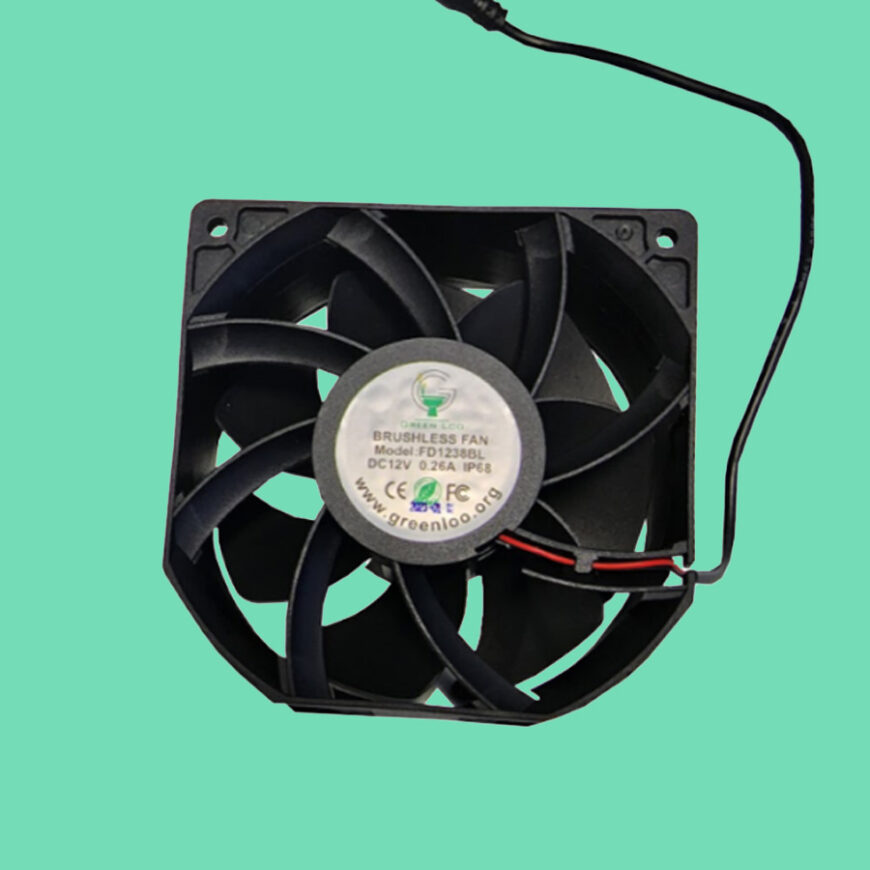
I purchased the replacement fan old 1 still working
 Verified owner
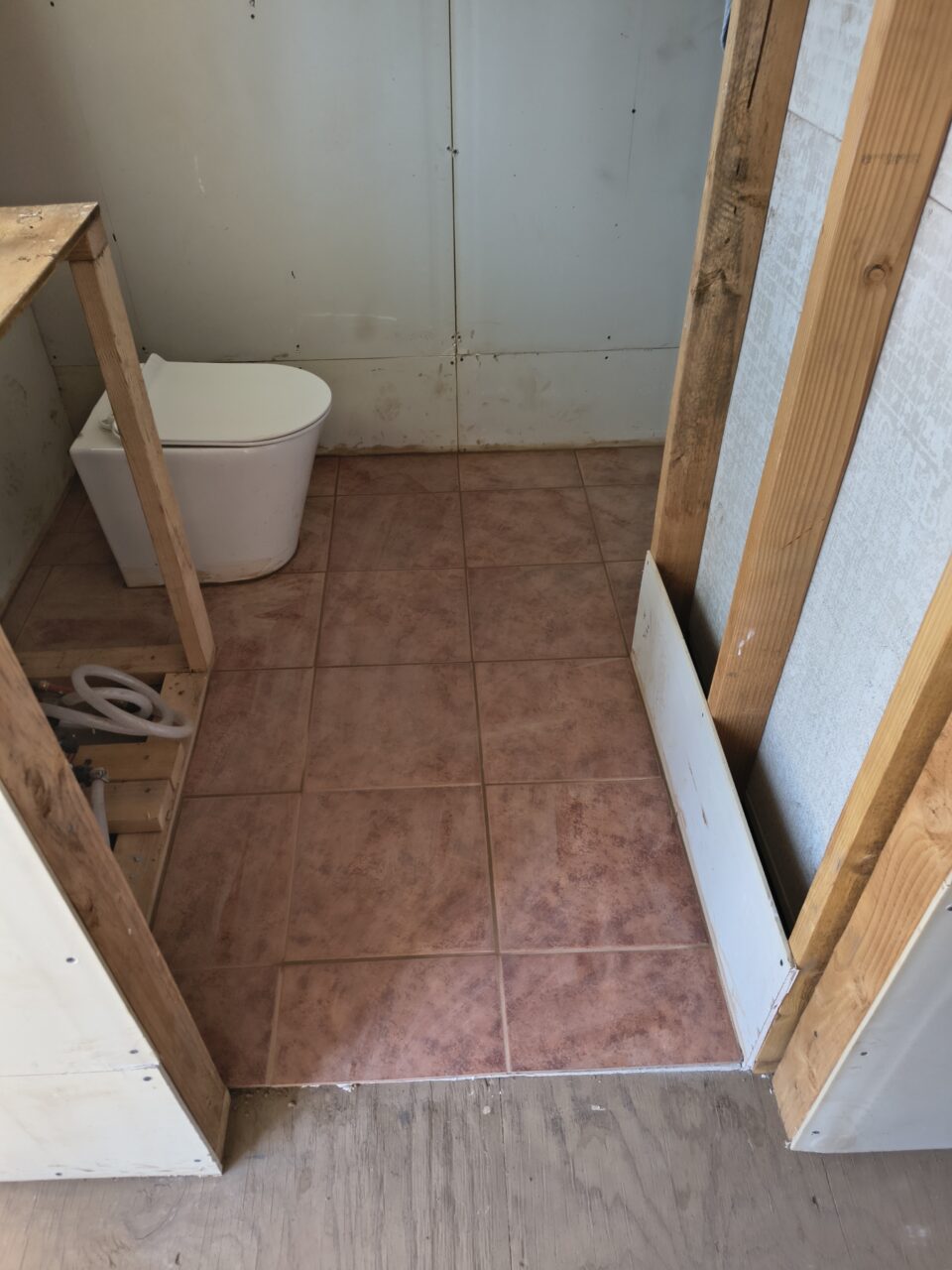
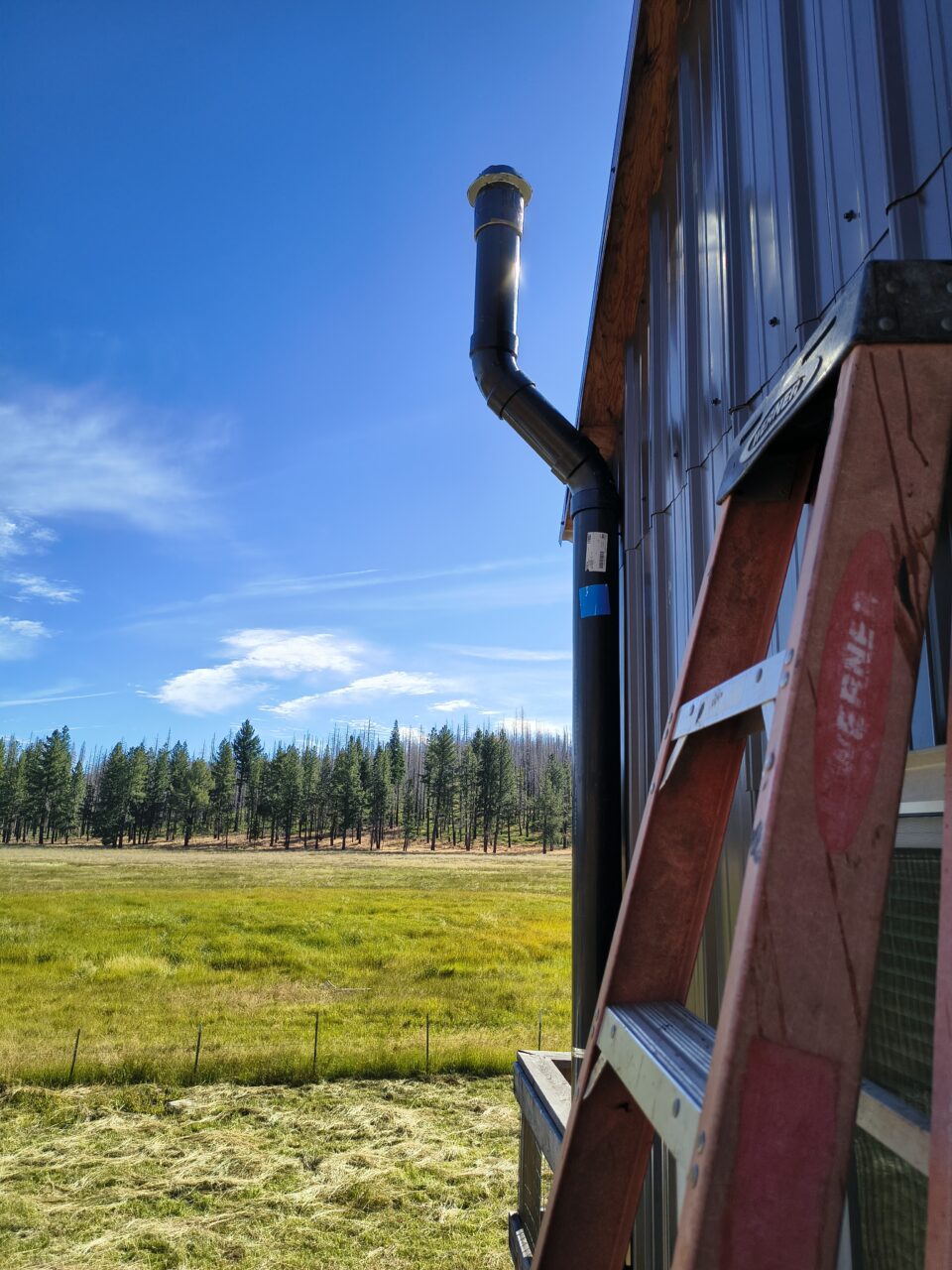
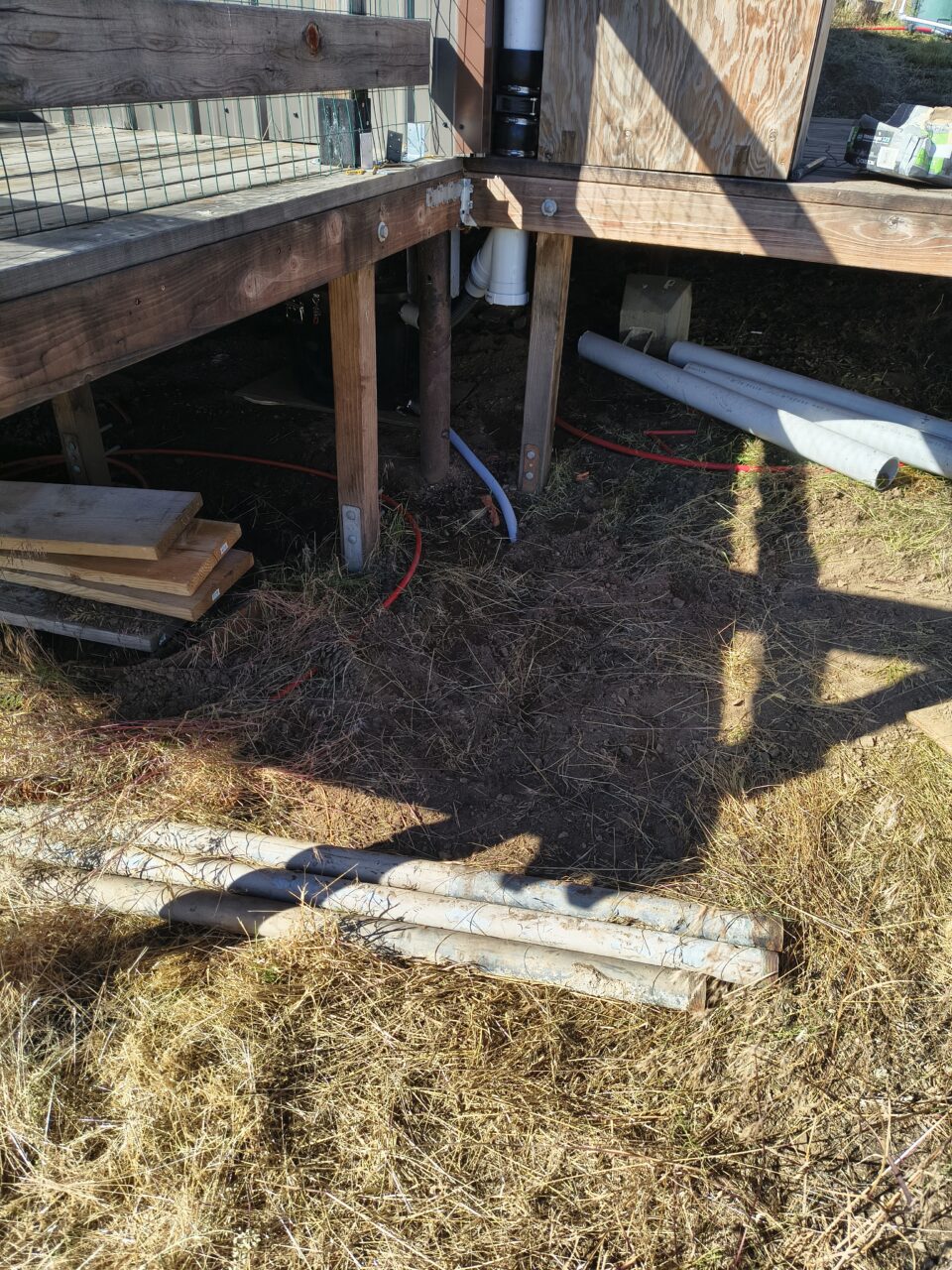
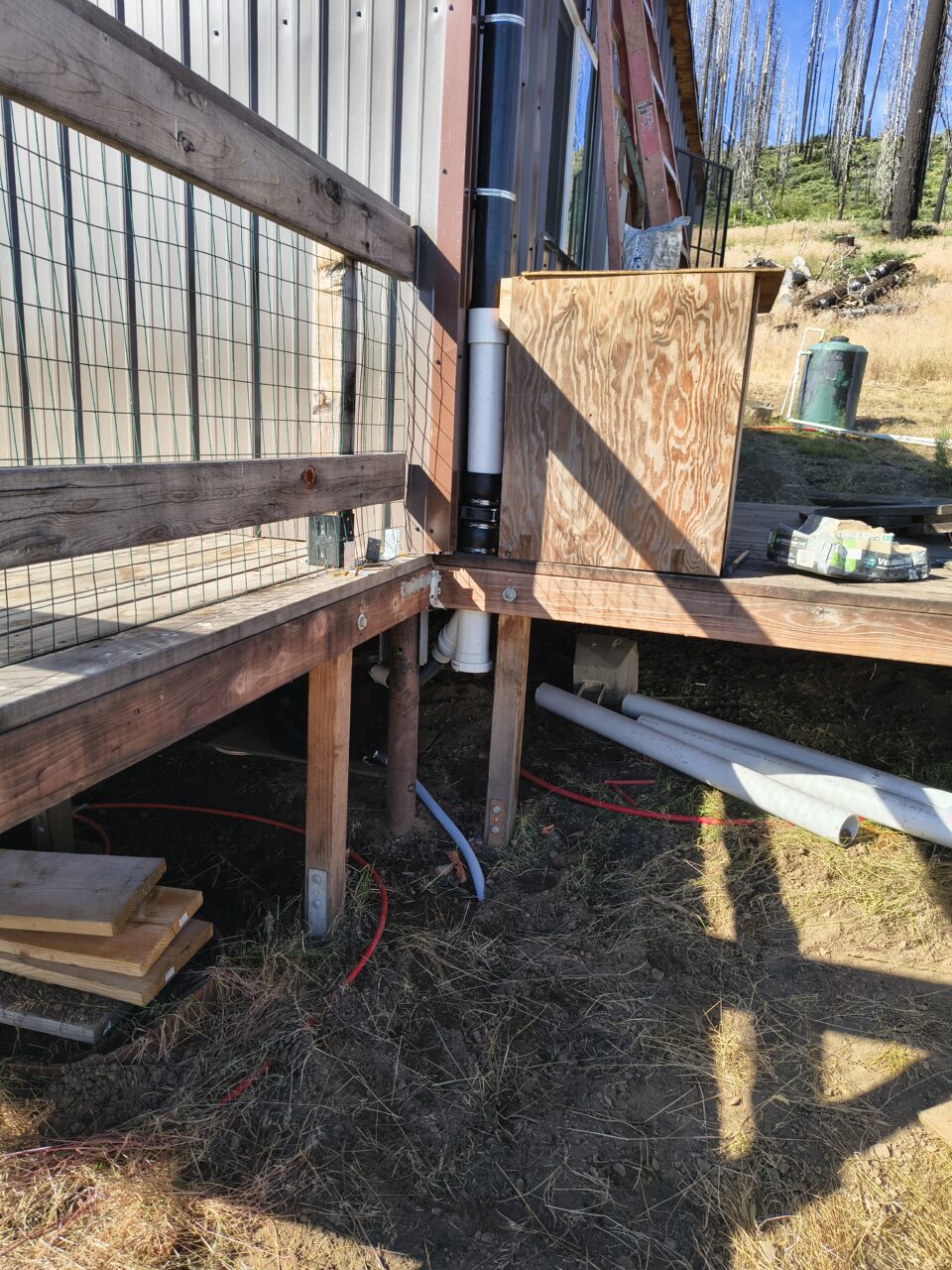
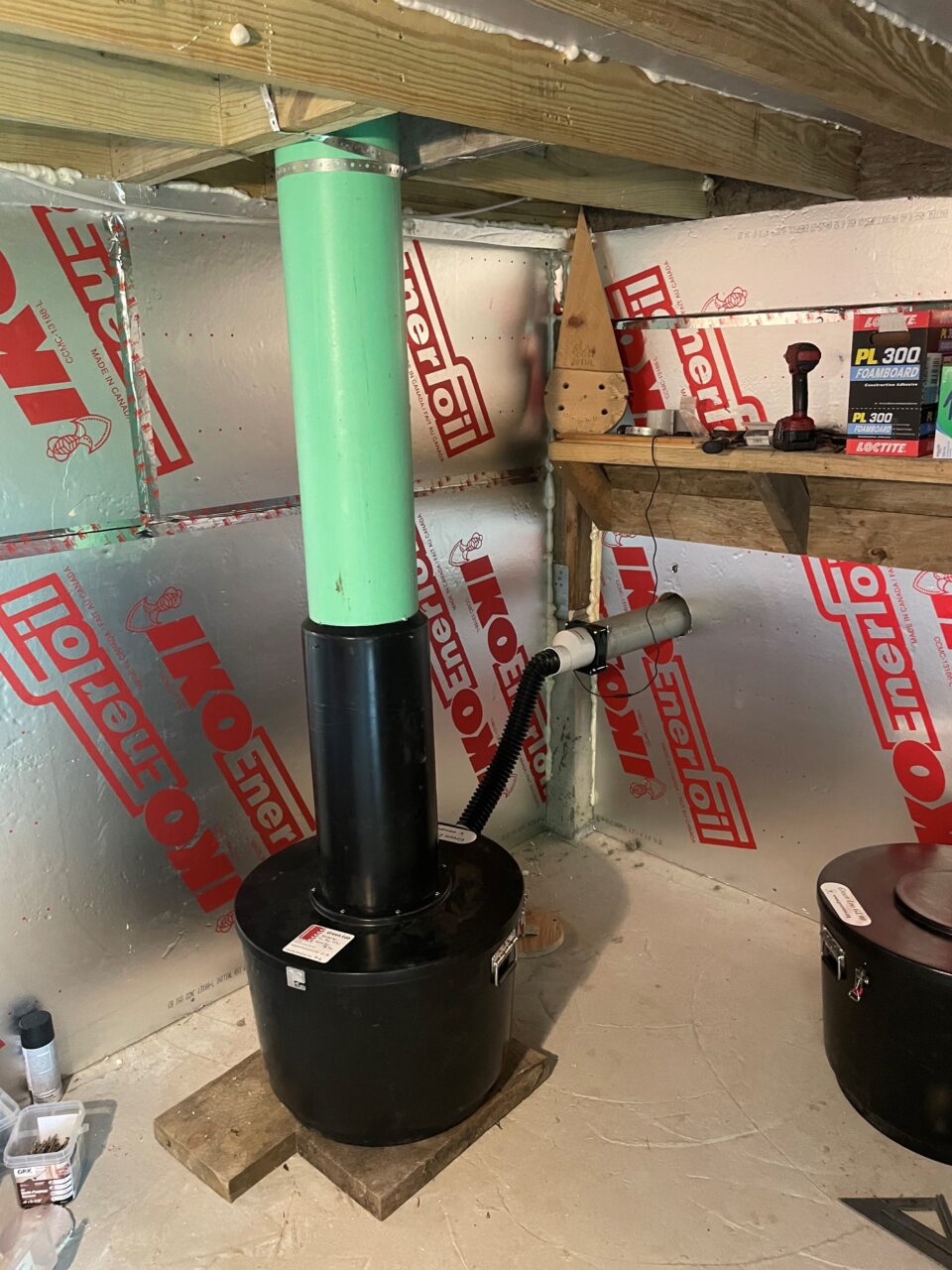
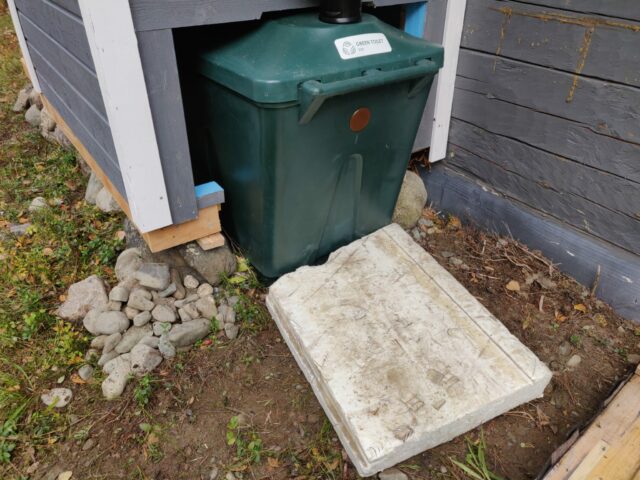
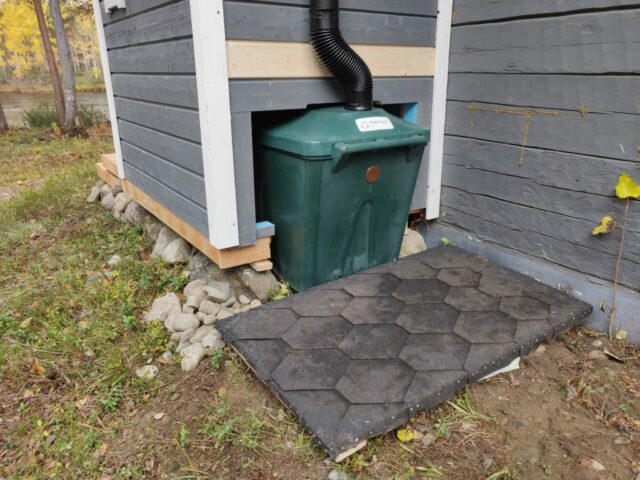
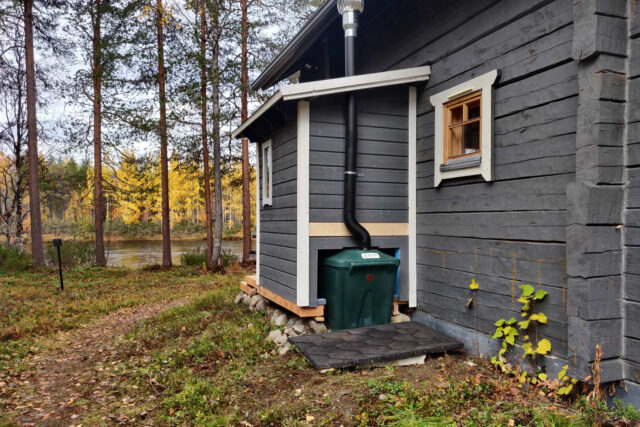
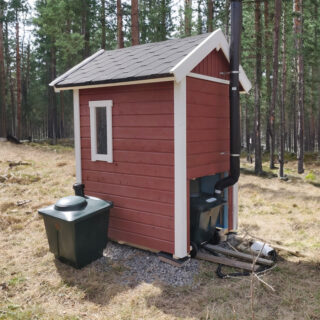
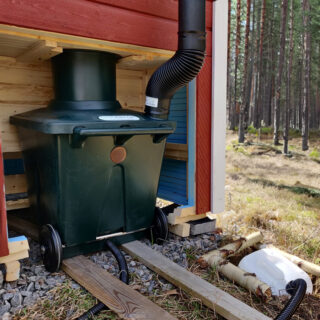
I was very pleased with the composting toilet system. It worked perfectly this whole summer. It was used for the cabin on our ranch. My son and I built the cabin so installing this was quite simple. The one concern I have would be for people who are not as adept as we are. It was with the instructions. There should be two different instructions sets for the different hole sizes of the toilet through the floor hole. The other suggestion would be to provide the cap to be in inches not mm. The 4 in pipe did not directly fit. I was 2 hours away from a store to get a rubber sleeve and cut slits in the 4 in pipe to fit the cap. It worked perfectly. I ordered the whirlybird in case I needed it but the fan worked just fine. All in all, I couldn't have been more pleased. Here are photos of the installation. The pod is under the cabin but you see where it comes into the piping.
 Verified owner
My biggest concern was Odor. So happy to verify that it truly is odorless. Installation was easy and most all parts are provided.




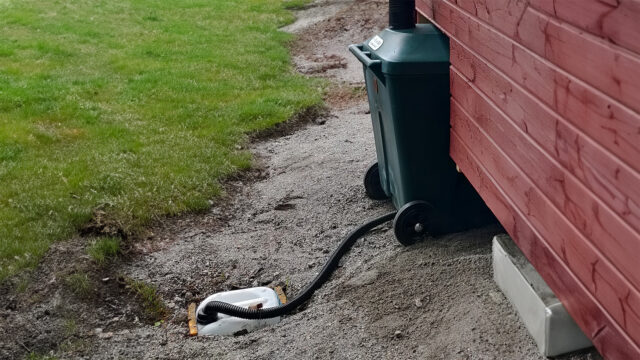
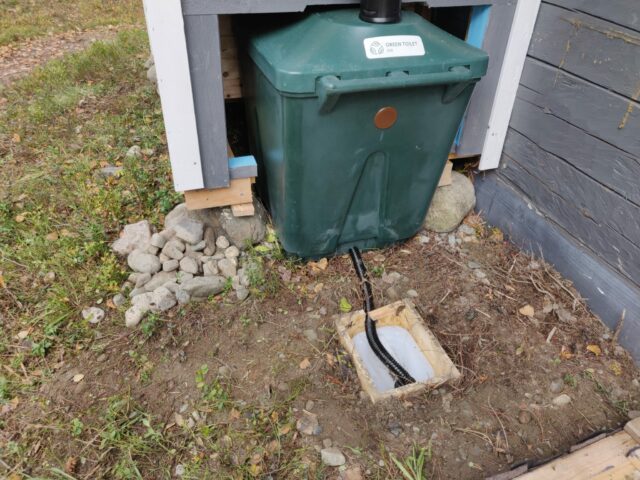


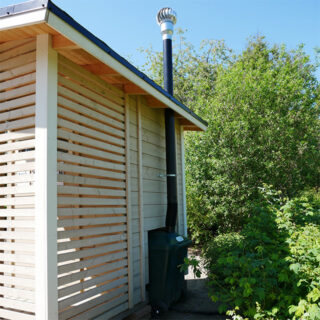
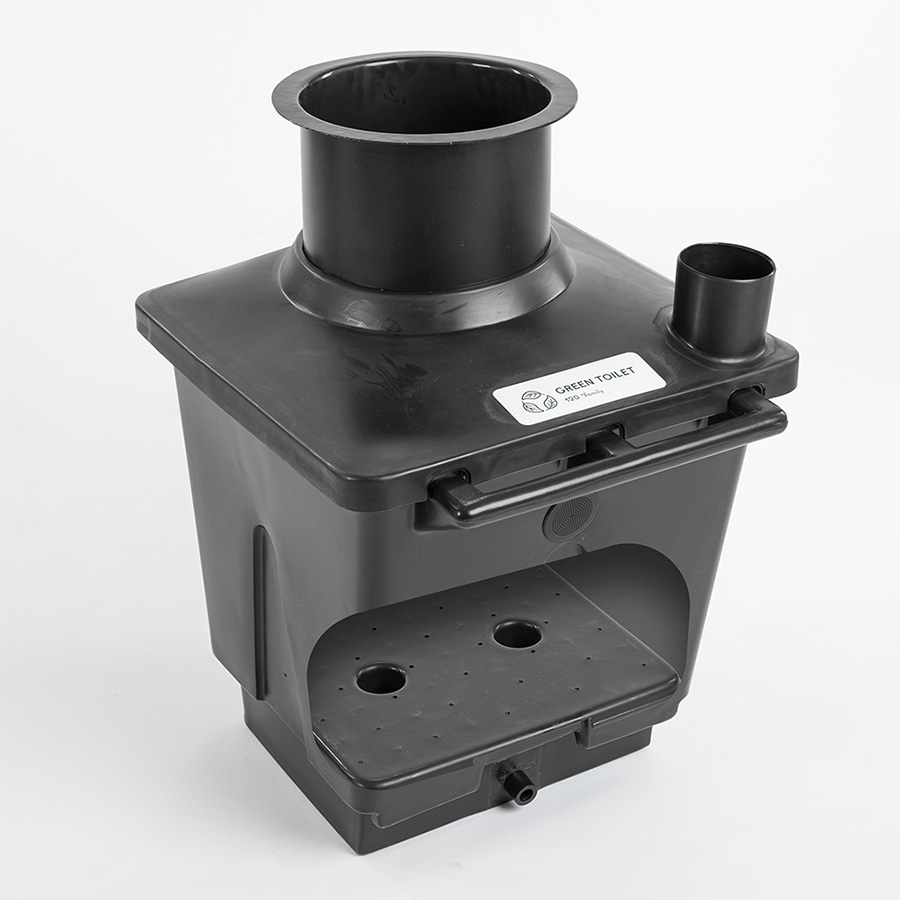
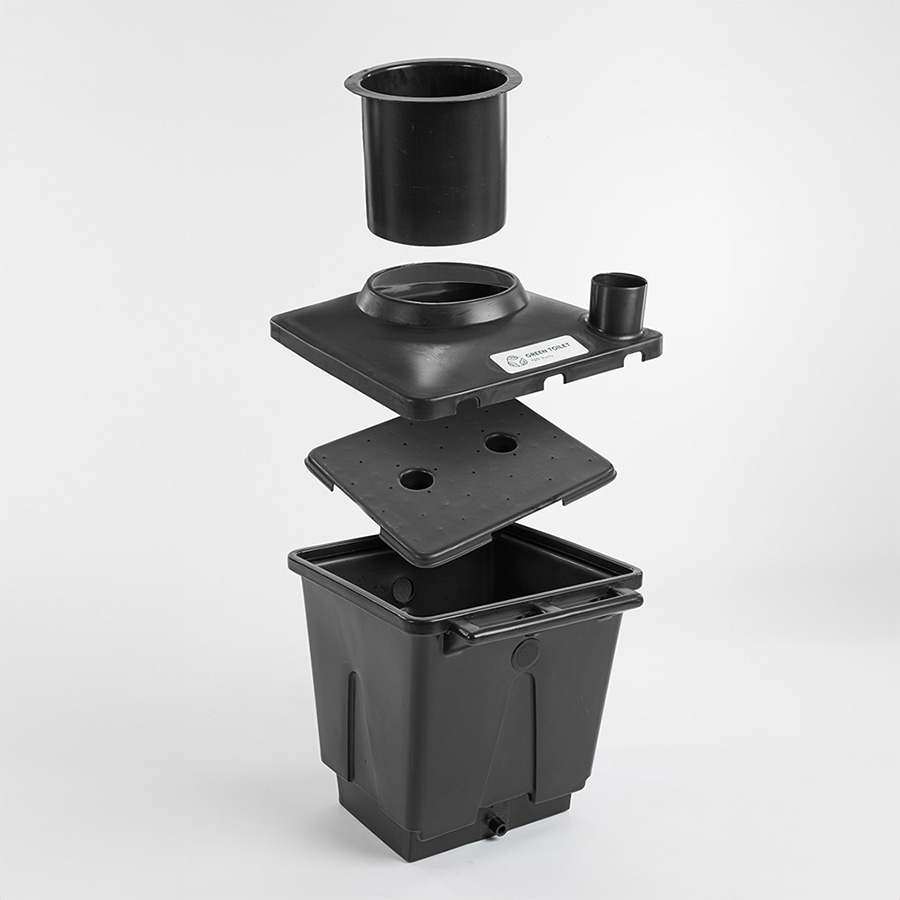
My biggest concern was Odor. So happy to verify that it truly is odorless. Installation was easy and most all parts are provided.
Rookie Off Gridder & Tiny Pod. I have an off grid cabin in southern Ohio. I wanted something I could install and use without having to deal with poo on a regular basis. The Tiny Pod fits my needs well. Eemeli was super helpful in answering my questions and the boxes came with most of the supplies I needed.
I did need to buy some perforated pipe, some hole saws and some pipe glue for my customized unit. I also needed to raise up the pod on to a platform I made so that the urine drain pipe would go over the bottom plate of my wall and also ro help get some downward slope for the urine drainage. Overall, I’m pleased so far.
I’m pretty skilled at do it yourself work so it was a fun project for me once I had everything planned and figured out.