
 Composting
 Off-Grid
 Indoors
 Premium
 Floor-standing
 Tiny House
 ADU
ADU Year-around
 Luxurious
 Cabins
 RVs
RVs Large capacity
 Cold climate
 Glamping
 Outhouses
 Batch toilets
 Public use
 Single-chamber
 Toilet Pedestals
 Accessories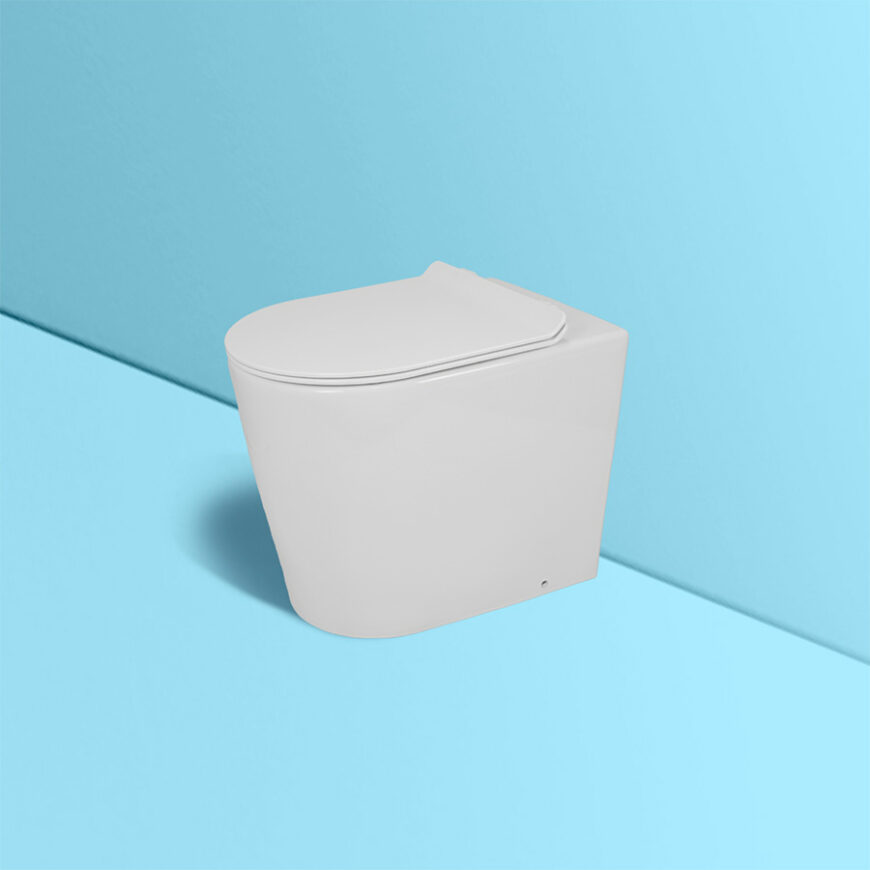

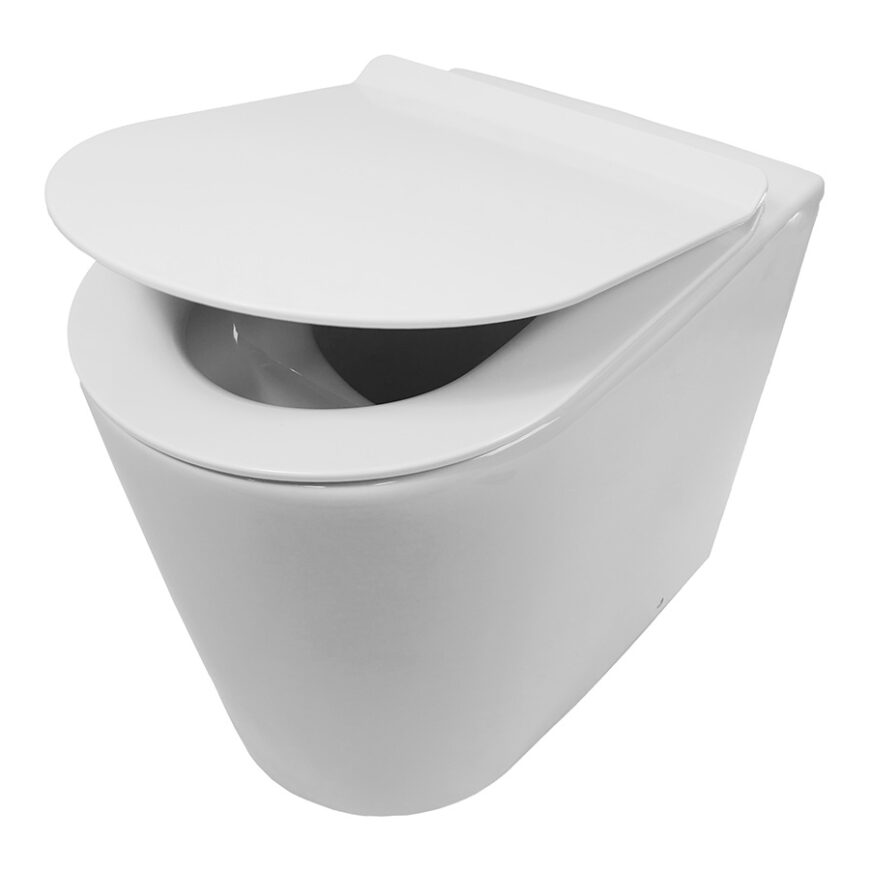
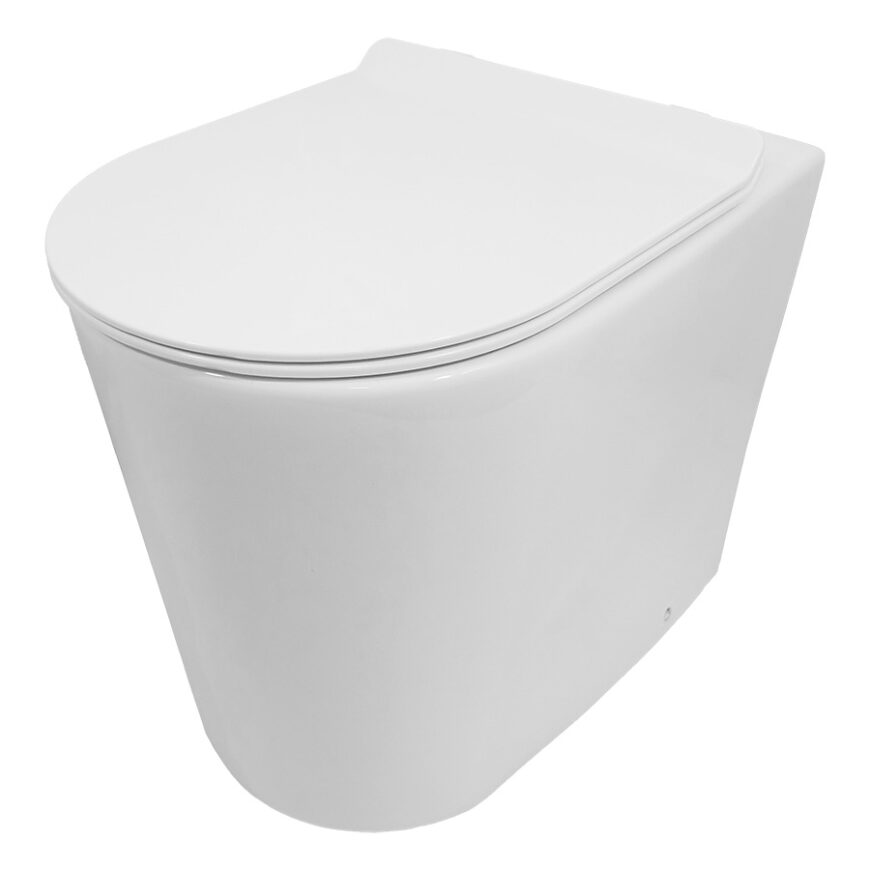


Urine-Diverting Porcelain Toilet Pedestal
$529.00
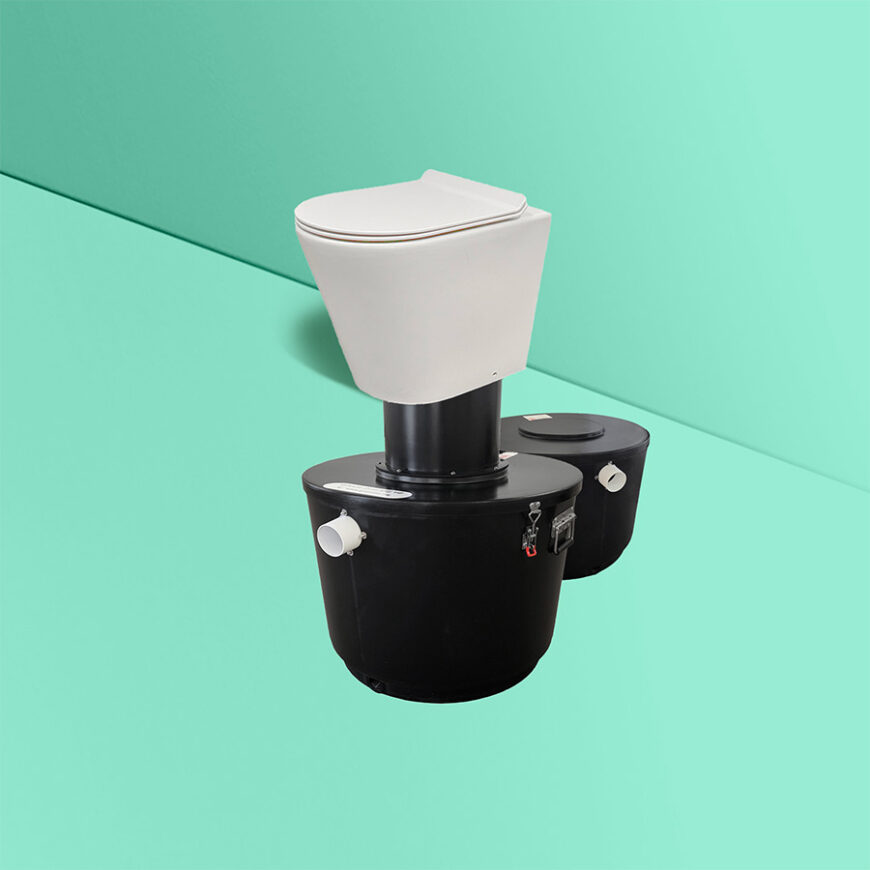
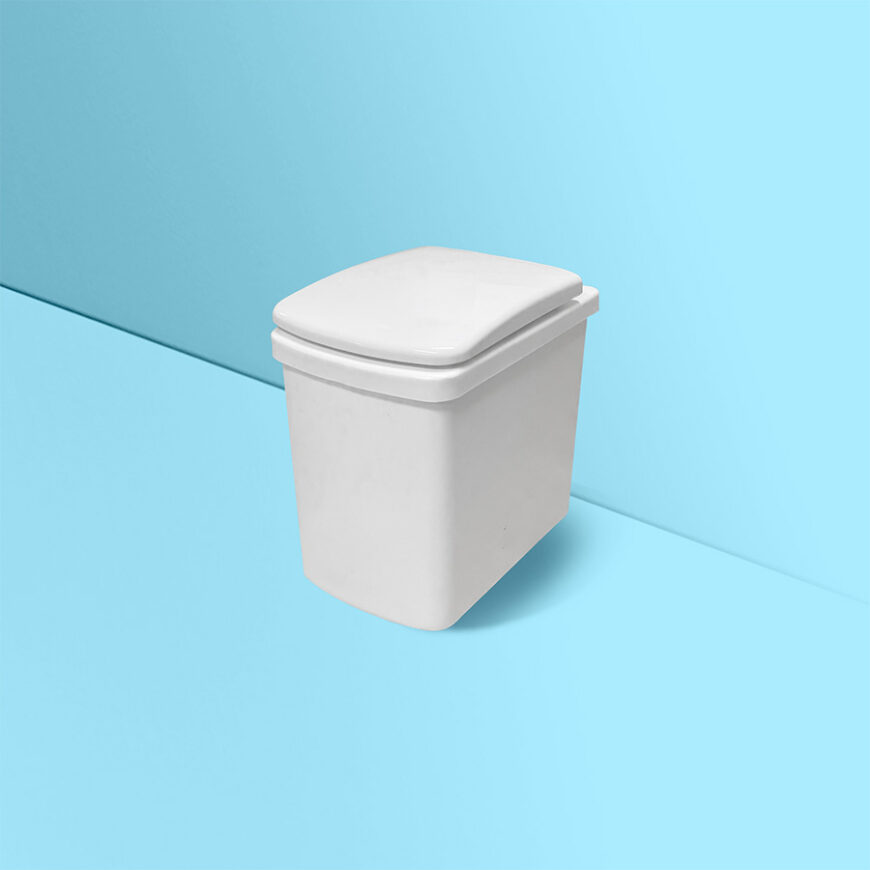
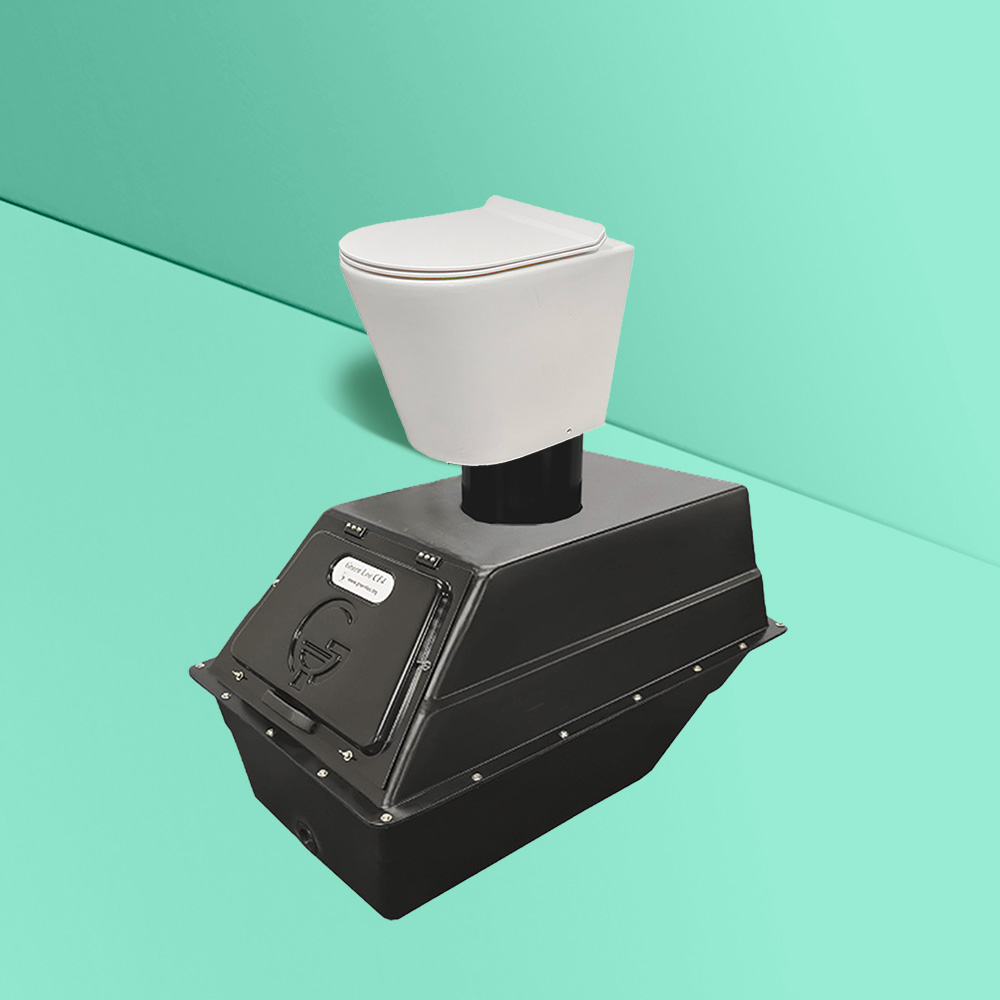
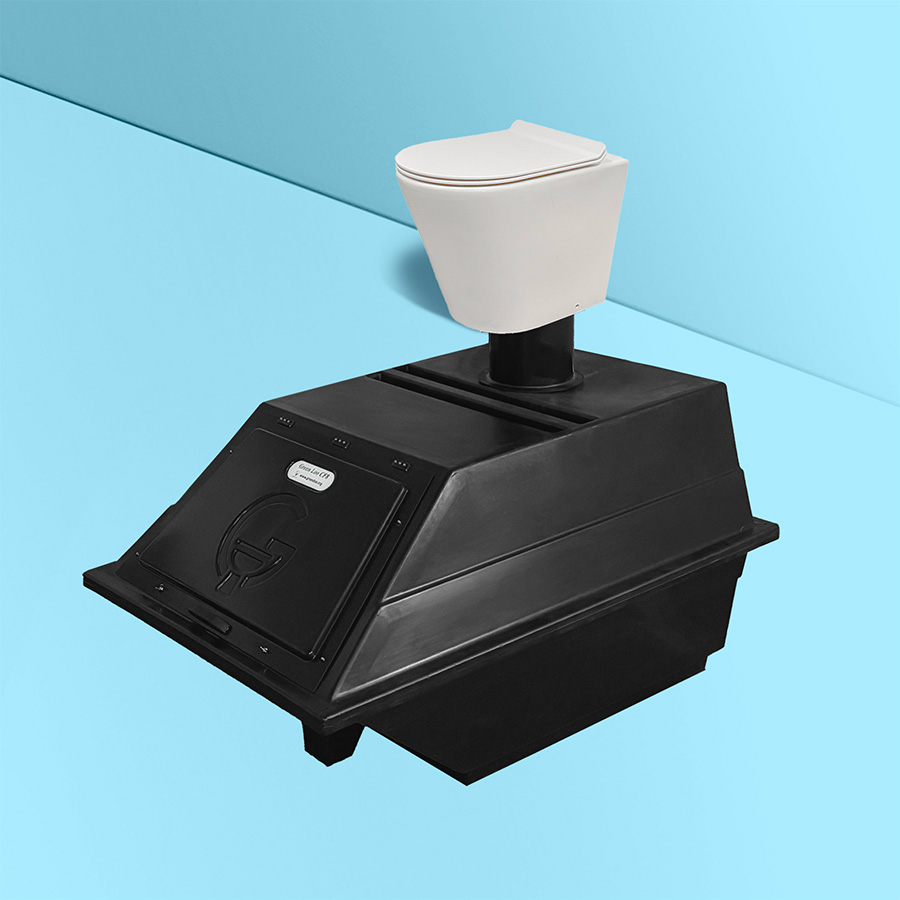
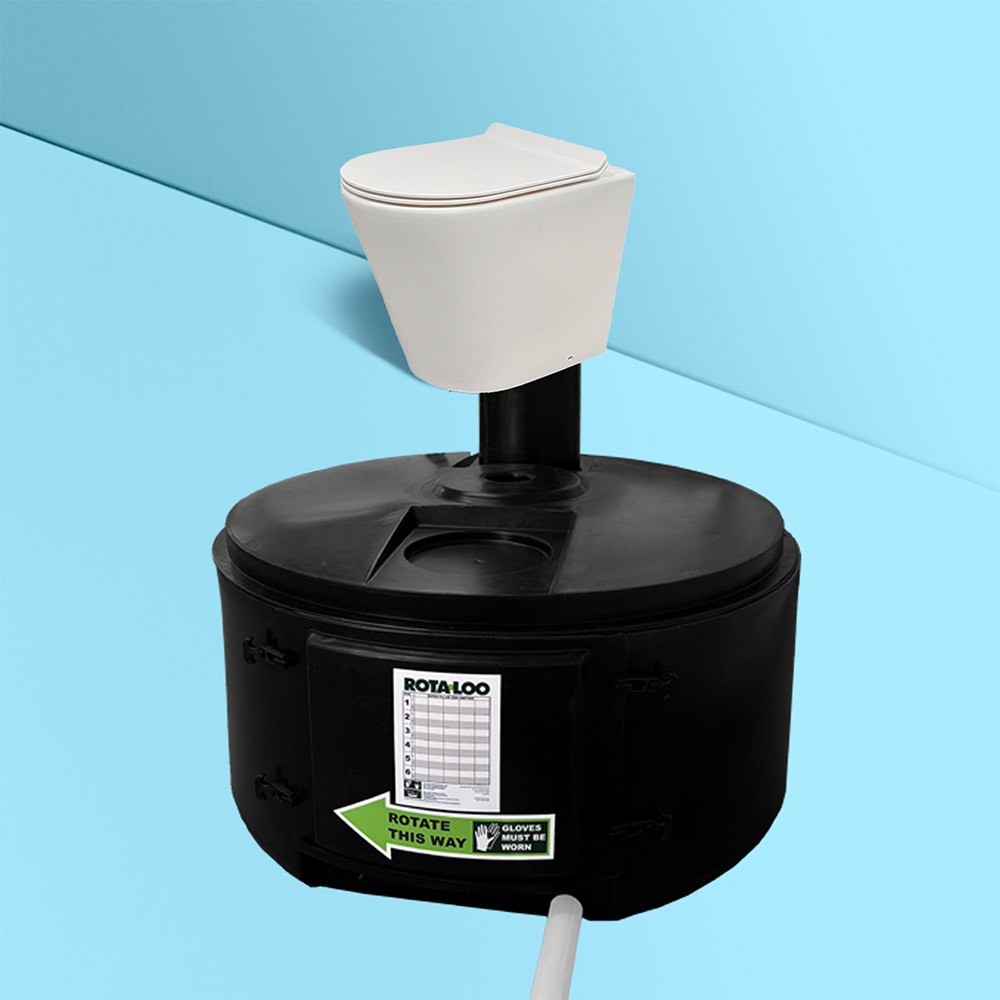
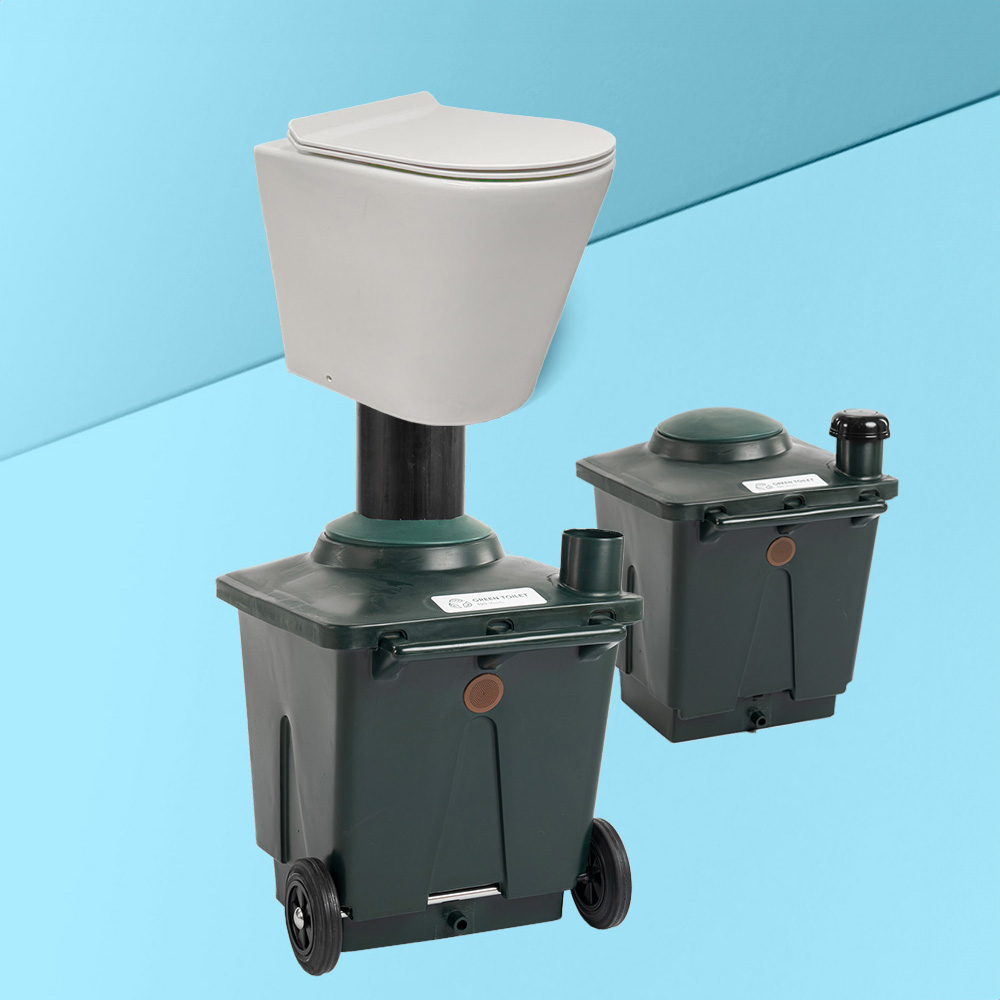
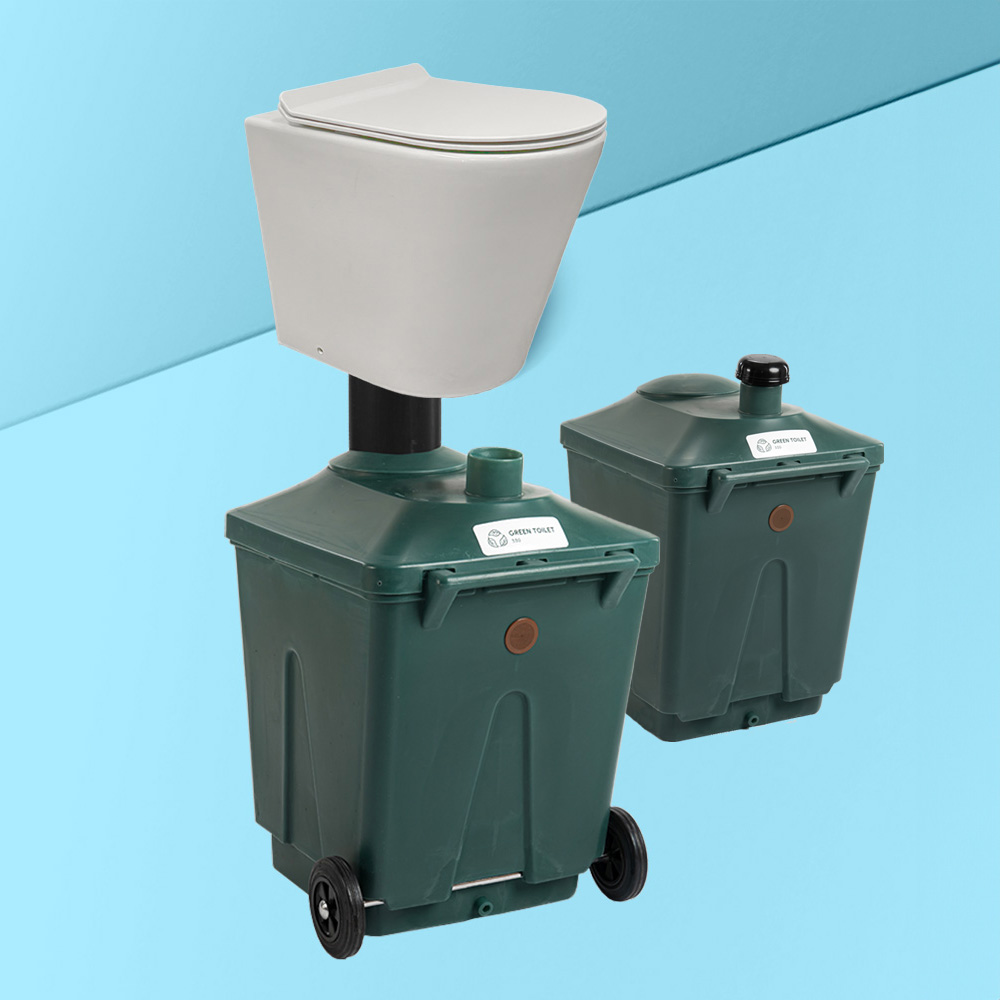
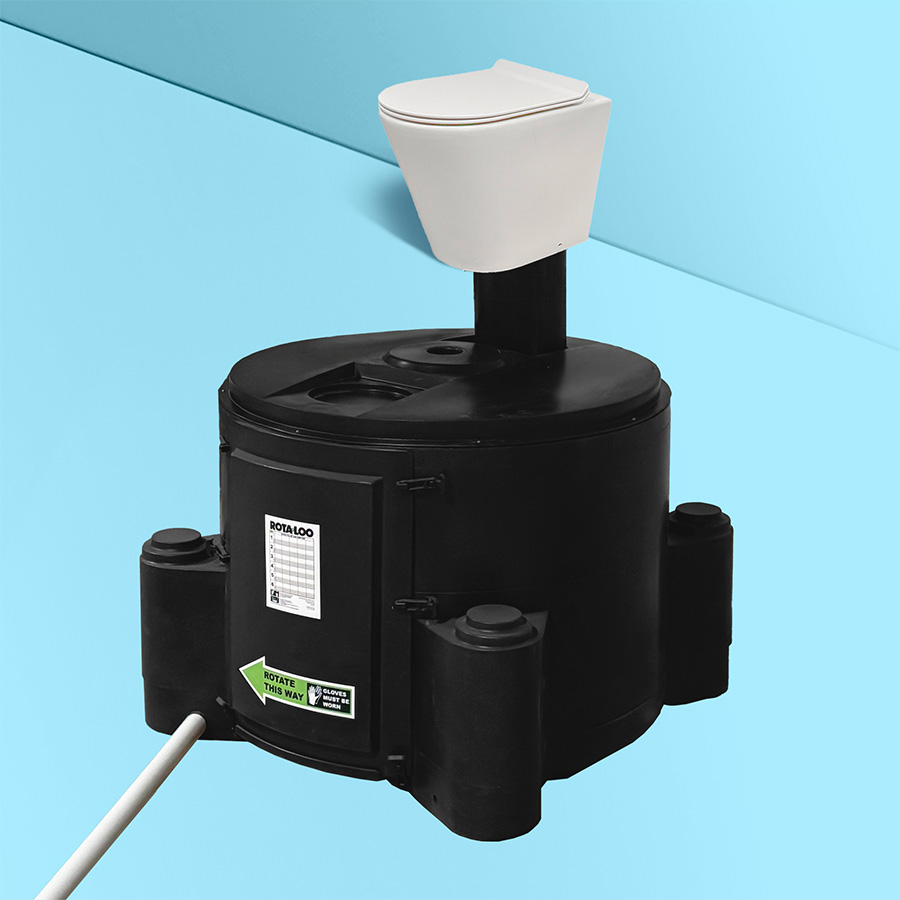
The porcelain-made urine-diverting toilet pedestal is designed to bring modern elegance and functionality to your waterless toilet system. Key features include:
- Odorless Operation: The integrated urine diversion in the seat ensures that urine and feces never mix, keeping your toilet odor-free.
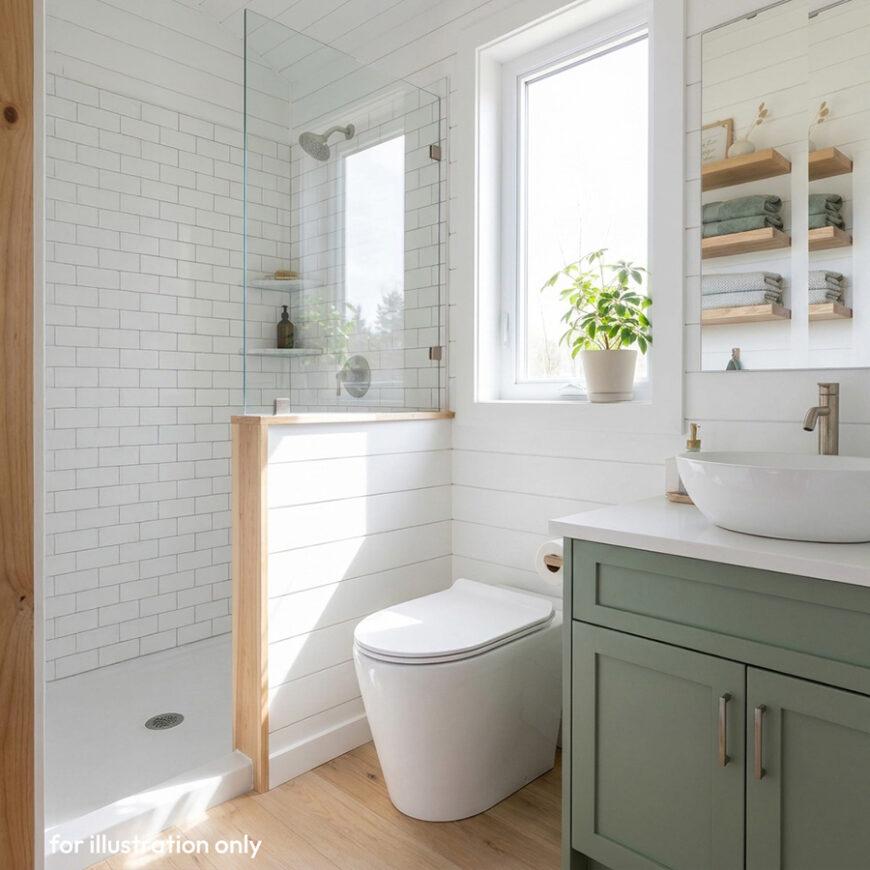
- Modern Design: Its sleek ceramic design looks like a traditional toilet, making it ideal for tiny homes, off-grid cabins etc.
- Soft-Close Seat: Equipped with a soft-close seat for added elegance.
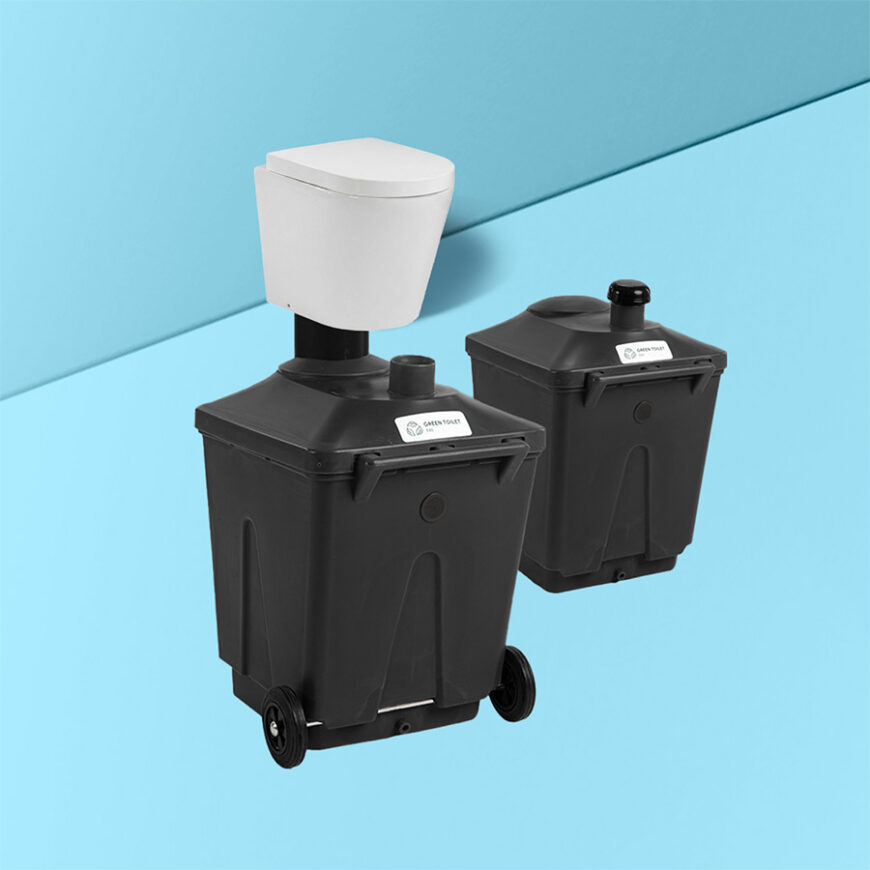
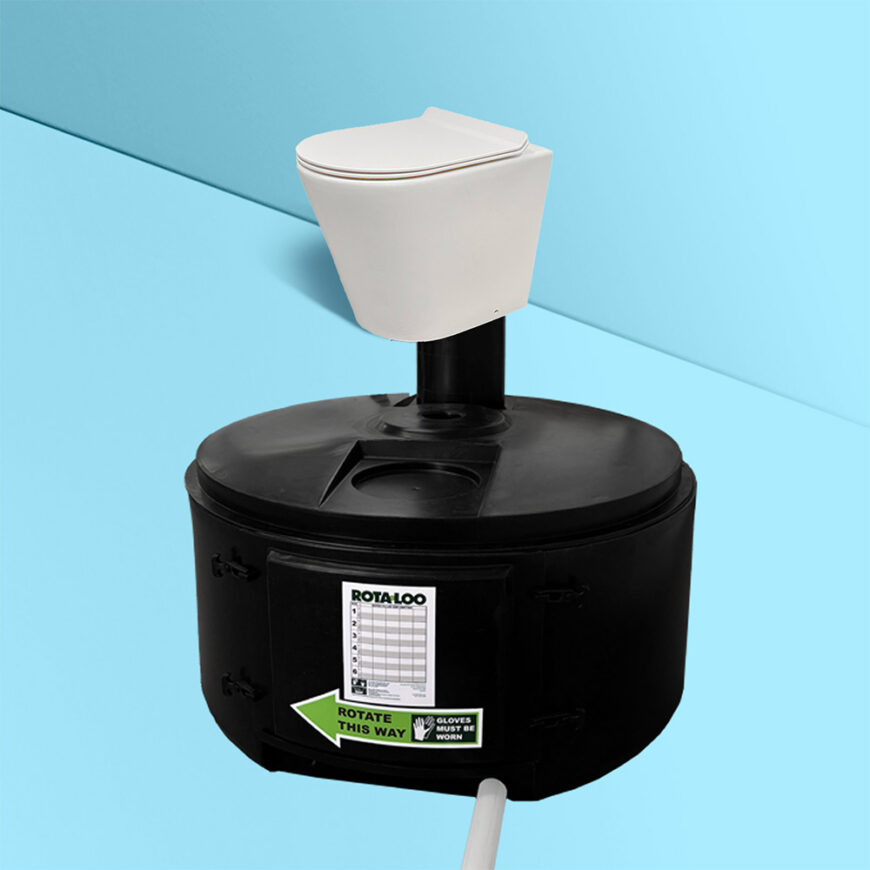
- Versatile Compatibility: Pairs with any of our premium waterless toilets at Waterless Toilet Shop.

Shipping from Nevada

Urine Diverting Design
In stock: over 15 pcs
Urine-Diverting Porcelain Toilet Pedestal
This porcelain toilet pedestal is urine-diverting. It is intended to be used either with one our premium waterless toilets or your own do-it-yourself waterless toilet.
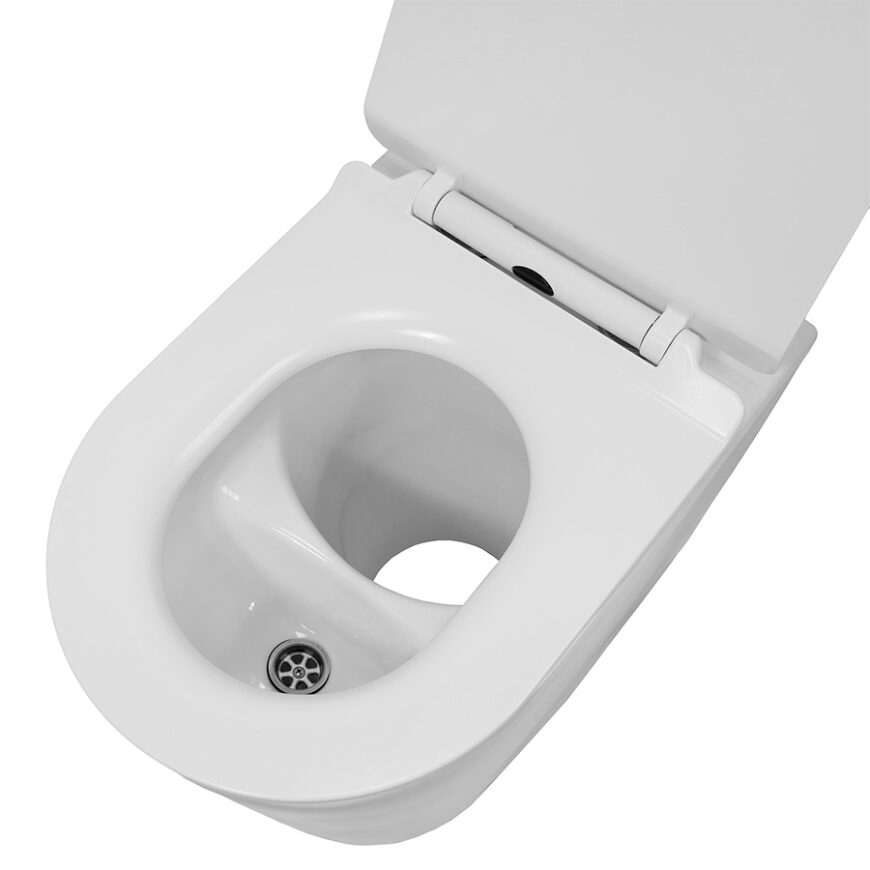
The porcelain pedestal has front bowl for urine. All solids (poop, toilet paper, potentially used dry cover materials) fall through the back into to your composting toilet. The porcelain toilet is designed such that it fits natural human anatomy so that all waste directs into right place: urine into front, solids at the back. The toilet has to be used seated. Male users who prefer to urinate standing may consider purchasing our waterless urinal.
The urine-diverting porcelain toilet features a urine hose that is connected from below into the toilet front bowl. The urine hose comes out below of the porcelain toilet.
The solids drop is connected into your composting toilet with a vertically straight waste chute. All our premium waterless toilets include at least 2 feet long waste chute that I possible to cut or extend as per needed to fit your structure.
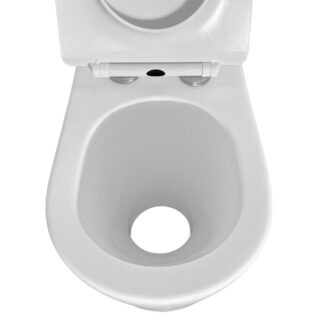
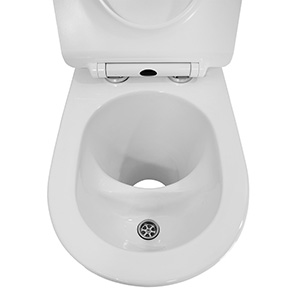
Liquid Separation: A Key Feature of Odor-Free Waterless Toilets
Urine separation is one of the most important features of an odor-free waterless toilet. There are two primary methods for separating urine from solids:
- Directly in the toilet seat, where urine is never mixed with solids.
- Within the toilet’s composting container, after urine and solids have been mixed.
The ideal method depends on several factors. Here are some aspects to consider:
Urine Volume and Maintenance
Most human waste is liquid urine, with an average person producing between 800 and 2,000 milliliters daily, typically in 6 to 7 instances. This means that if the urine is separated directly in the toilet seat and collected to a small container or a bottle, that container/bottle requires frequent emptying, which can become inconvenient in long run. The only exception is if the separated pure urine can be lead into a grey water system (depends on your grey water purifier, local regulations and surrounding environment).
If urine is mixed with solids and separated later in the composting container, the amount of liquid waste to manage is significantly reduced. This is because the compost absorbs much of the liquid, which eventually evaporates through the toilet’s ventilation system. The compost’s absorption and evaporation capacity depend on the climate and the amount of dry organic dry cover materials used.
Advantages of Direct Urine Separation
Urine separation directly in the toilet seat reduces odor issues. With less moisture in the solid waste, the toilet is less likely to produce any odors. Additionally, these toilets typically require fewer dry organic dry cover materials, which lowers operating costs and conserves space in the solids container. This means the container fills up less often, reducing the frequency of servicing.
Challenges of Urine Separation in the Seat
Despite its advantages, direct urine separation can take some getting used to, making these toilets less ideal for public or commercial settings. Young children may also find them challenging to use, making them less suitable for families with small children or for guest use. For these scenarios, a composting toilet that separates urine within the composting container is often a better choice.
Our Recommendation
Most composting toilet owners find systems that separate urine within the composting container to be highly satisfactory. For this reason, we include a non-separating porcelain pedestal as the default option for all our premium waterless toilets. This approach balances convenience, ease of use, and performance for a wide range of users.
The Urine-Diverting Porcelain Toilet provides a great alternative for everyone with a ready solution to treat the pure urine on-site for example through a grey water system. It may be also a safe choice for completely off-grid installations, in which case there is no power at all to boost the ventilation of a composting toilet. The Urine-Diverting Porcelain Toilet is also a great product for DIY composting toilets.
Download technical dimensions (PDF)
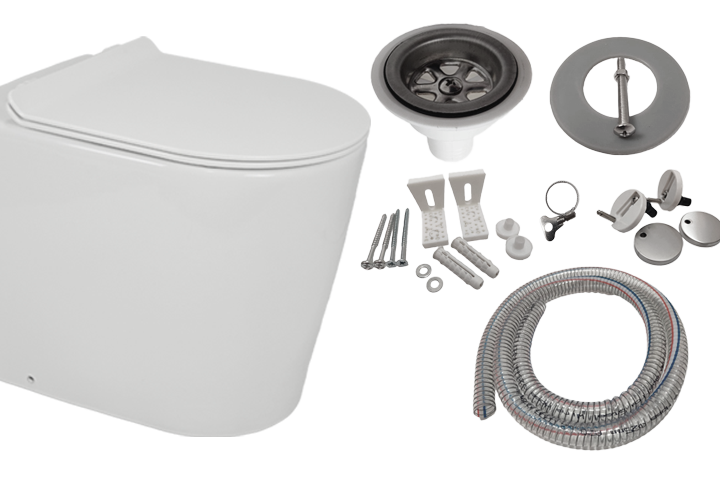
The delivery package includes:
- Urine-diverting Porcelain Toilet Pedestal
- Soft-close toilet seat
- Urine hose (1″ diameter, 78″ length)
- Fixtures
Urine-Diverting Porcelain Toilet Pedestal
This porcelain toilet pedestal is urine-diverting. It is intended to be used either with one our premium waterless toilets or your own do-it-yourself waterless toilet.
The porcelain pedestal has front bowl for urine. All solids (poop, toilet paper, potentially used dry cover materials) fall through the back into to your composting toilet. The porcelain toilet is designed such that it fits natural human anatomy so that all waste directs into right place: urine into front, solids at the back. The toilet has to be used seated. Male users who prefer to urinate standing may consider purchasing our waterless urinal.
The urine-diverting porcelain toilet features a urine hose that is connected from below into the toilet front bowl. The urine hose comes out below of the porcelain toilet.
The solids drop is connected into your composting toilet with a vertically straight waste chute. All our premium waterless toilets include at least 2 feet long waste chute that I possible to cut or extend as per needed to fit your structure.
Liquid Separation: A Key Feature of Odor-Free Waterless Toilets
Urine separation is one of the most important features of an odor-free waterless toilet. There are two primary methods for separating urine from solids:
- Directly in the toilet seat, where urine is never mixed with solids.
- Within the toilet’s composting container, after urine and solids have been mixed.
The ideal method depends on several factors. Here are some aspects to consider:
Urine Volume and Maintenance
Most human waste is liquid urine, with an average person producing between 800 and 2,000 milliliters daily, typically in 6 to 7 instances. This means that if the urine is separated directly in the toilet seat and collected to a small container or a bottle, that container/bottle requires frequent emptying, which can become inconvenient in long run. The only exception is if the separated pure urine can be lead into a grey water system (depends on your grey water purifier, local regulations and surrounding environment).
If urine is mixed with solids and separated later in the composting container, the amount of liquid waste to manage is significantly reduced. This is because the compost absorbs much of the liquid, which eventually evaporates through the toilet’s ventilation system. The compost’s absorption and evaporation capacity depend on the climate and the amount of dry organic dry cover materials used.
Advantages of Direct Urine Separation
Urine separation directly in the toilet seat reduces odor issues. With less moisture in the solid waste, the toilet is less likely to produce any odors. Additionally, these toilets typically require fewer dry organic dry cover materials, which lowers operating costs and conserves space in the solids container. This means the container fills up less often, reducing the frequency of servicing.
Challenges of Urine Separation in the Seat
Despite its advantages, direct urine separation can take some getting used to, making these toilets less ideal for public or commercial settings. Young children may also find them challenging to use, making them less suitable for families with small children or for guest use. For these scenarios, a composting toilet that separates urine within the composting container is often a better choice.
Our Recommendation
Most composting toilet owners find systems that separate urine within the composting container to be highly satisfactory. For this reason, we include a non-separating porcelain pedestal as the default option for all our premium waterless toilets. This approach balances convenience, ease of use, and performance for a wide range of users.
The Urine-Diverting Porcelain Toilet provides a great alternative for everyone with a ready solution to treat the pure urine on-site for example through a grey water system. It may be also a safe choice for completely off-grid installations, in which case there is no power at all to boost the ventilation of a composting toilet. The Urine-Diverting Porcelain Toilet is also a great product for DIY composting toilets.
Download technical dimensions (PDF)
The delivery package includes:
- Urine-diverting Porcelain Toilet Pedestal
- Soft-close toilet seat
- Urine hose (1″ diameter, 78″ length)
- Fixtures
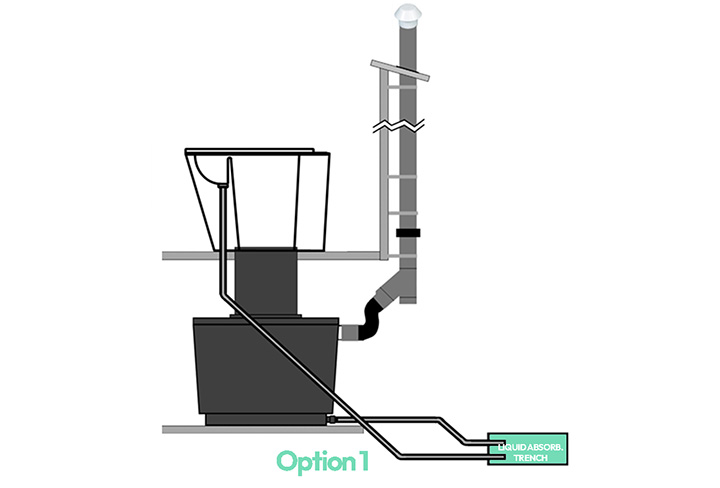
Installation option 1
There are two primary ways to install the urine-diverting toilet pedestal and treat the liquid waste. Option 1 is to lead both pure urine and compost liquid into the same absorption trench. This option is usually more convenient when it comes to servicing the composting toilet. However, not all states/counties in the U.S. allow direct discharge of urine/compost liquid into the environment. Contact us for the best solution into your case.
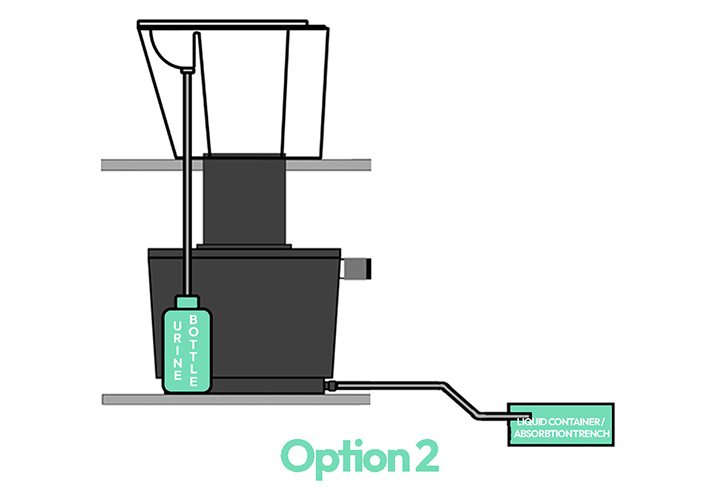
Installation option 2
The other option is to collect pure urine and compost liquid into separate containers/bottles. While this option may be the only one allowed by local regulations, it may require more frequent service of the toilet. Especially the urine bottle/container will likely fill up in matter of days if used by several people.
Customer Reviews
 Urine-Diverting Porcelain Toilet Pedestal
Customer photos and videos


Let our customers speak for us

 Verified owner
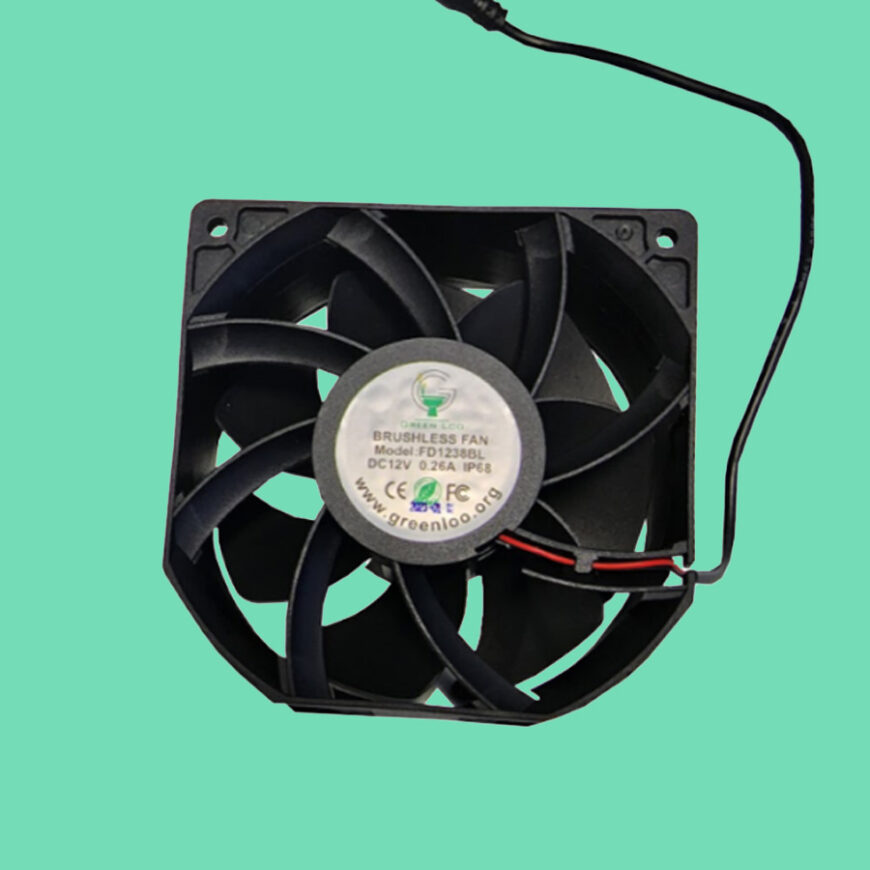
I purchased the replacement fan old 1 still working
 Verified owner
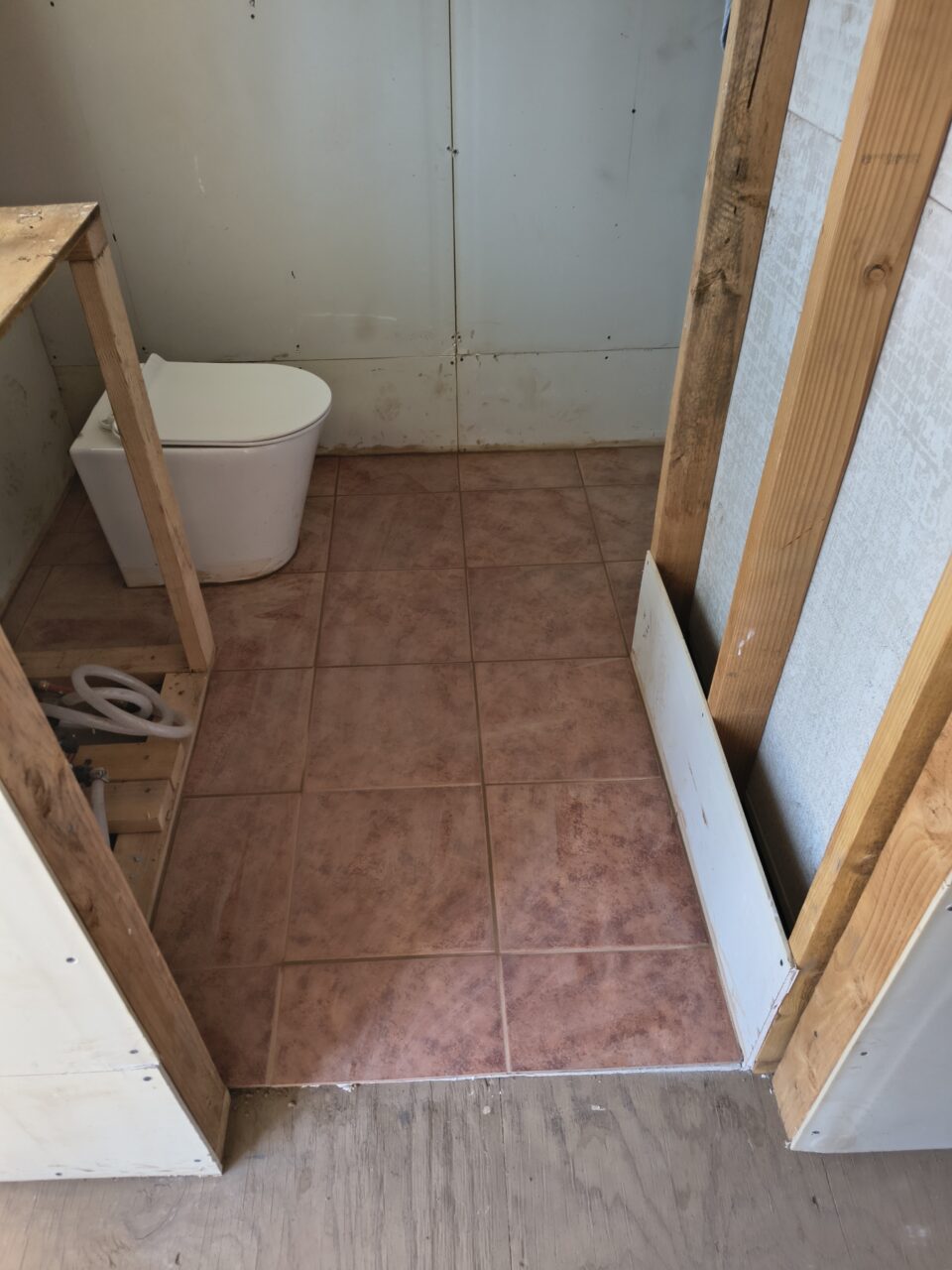
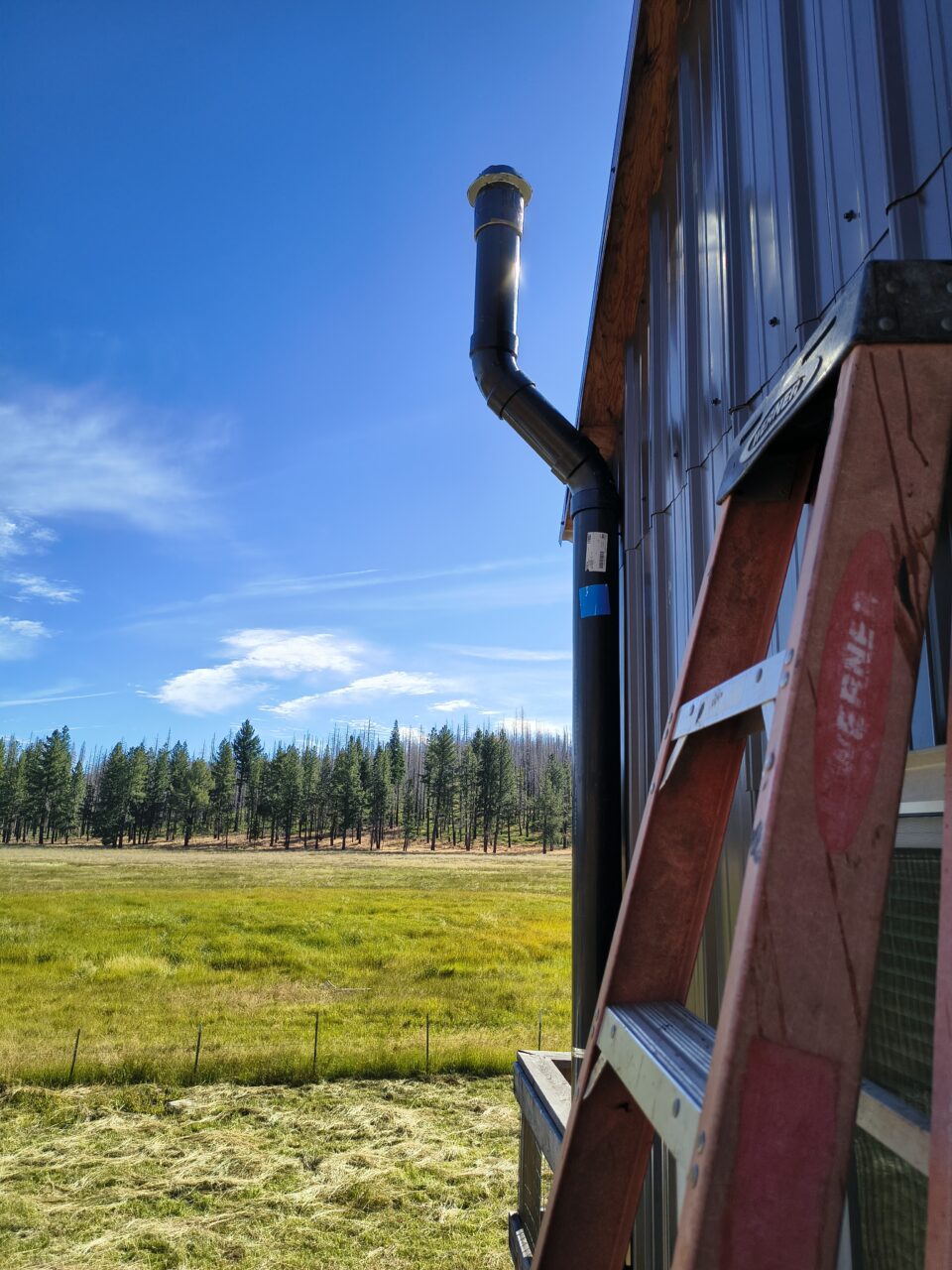
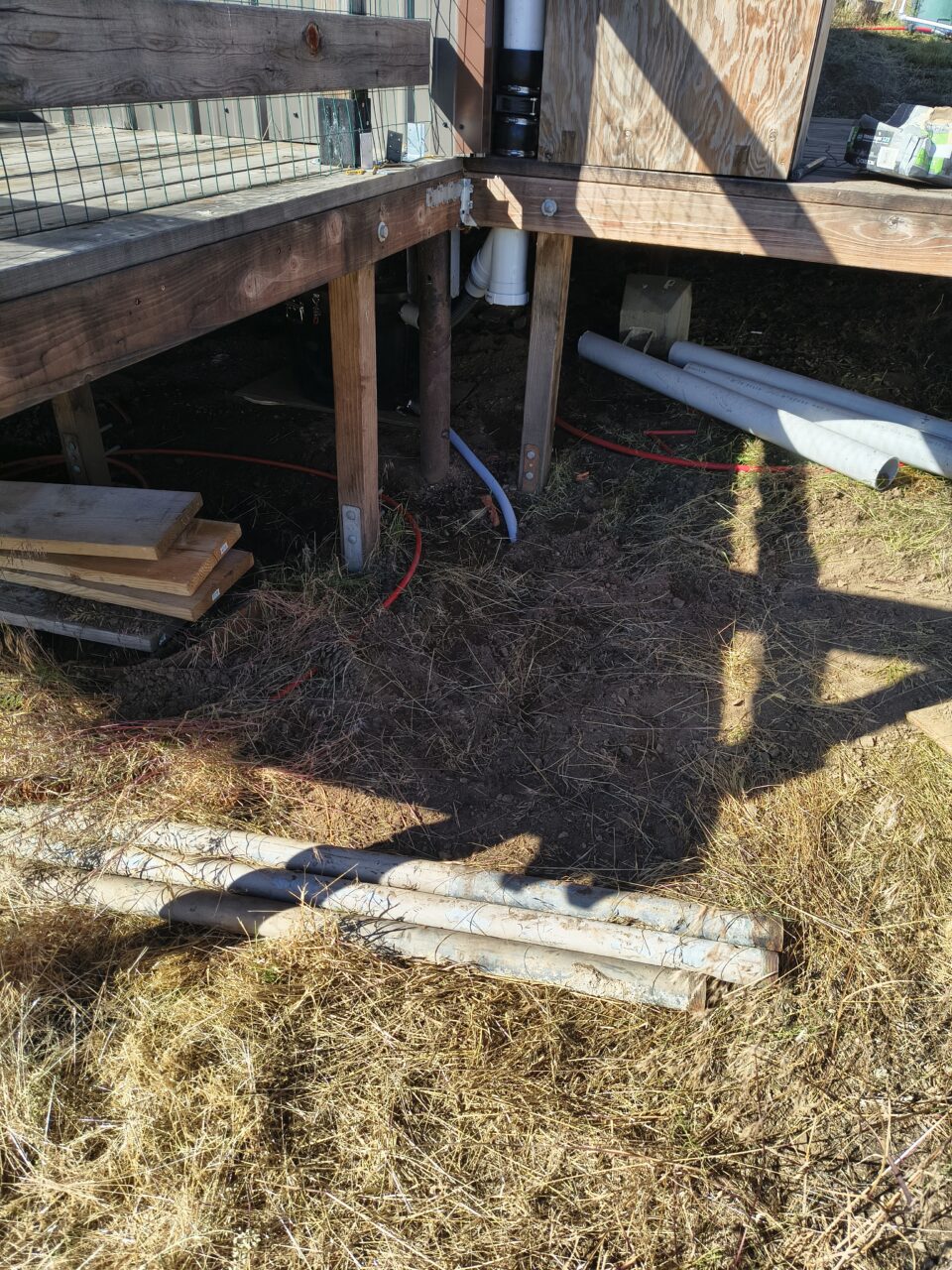
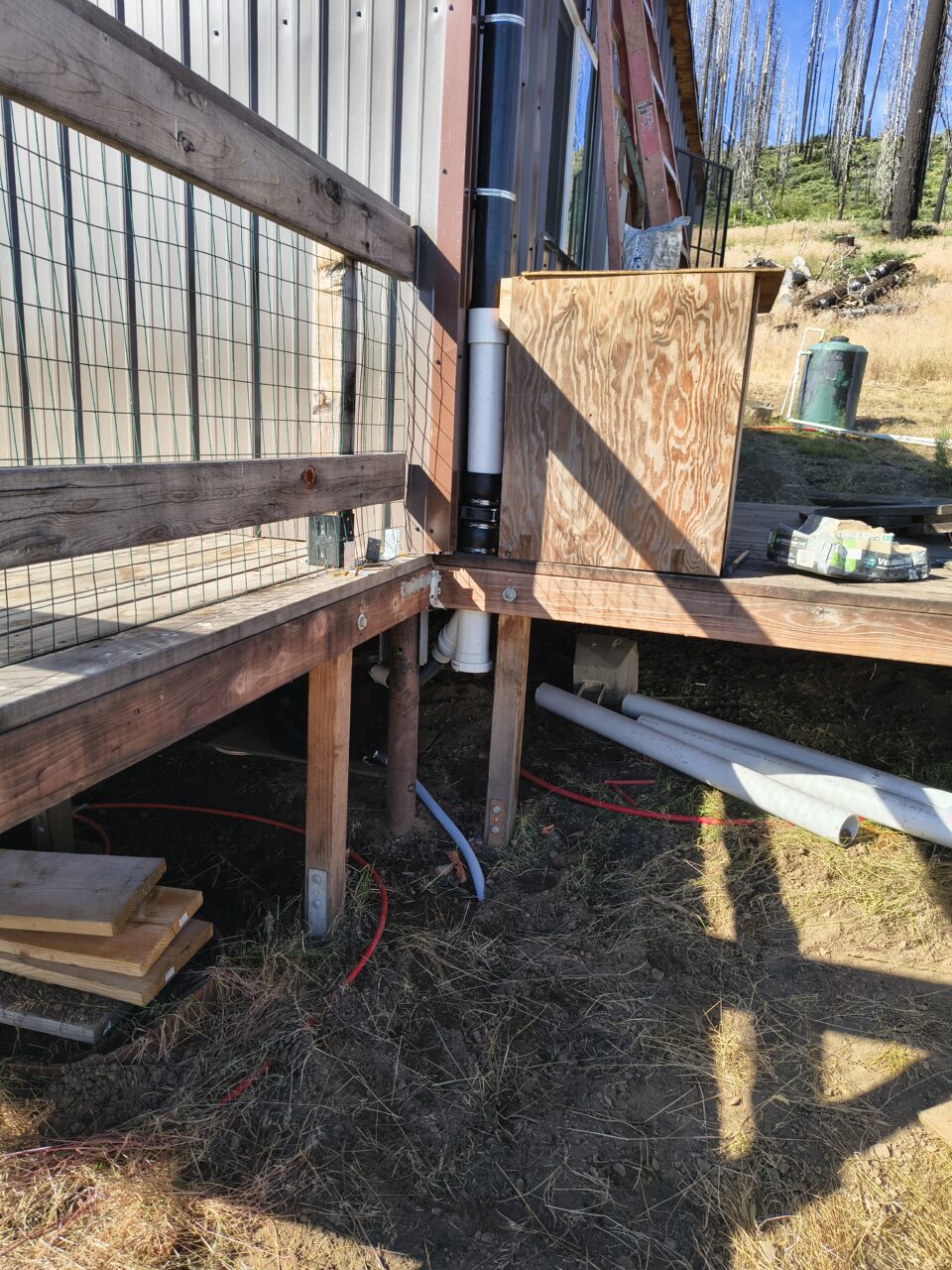
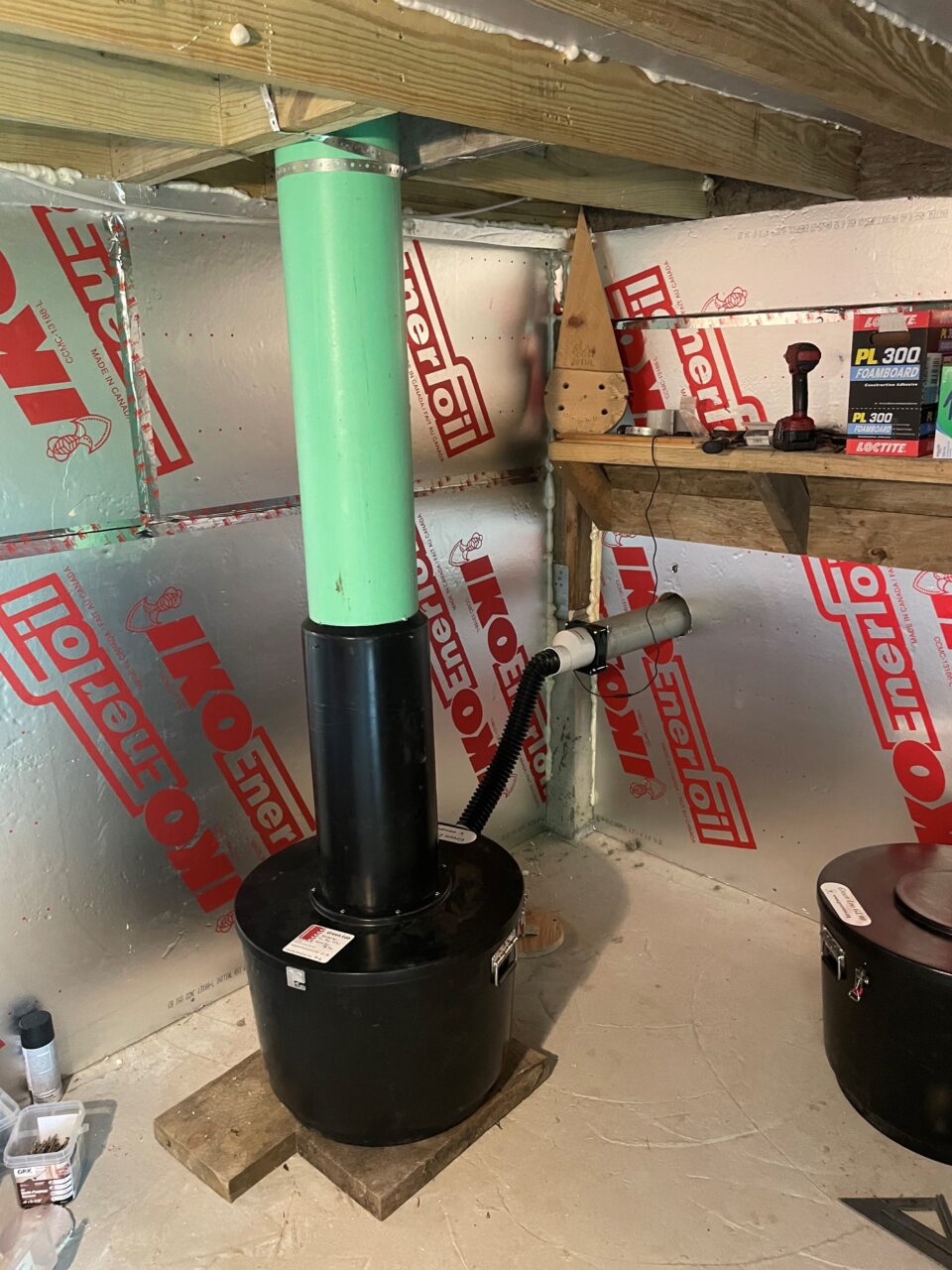
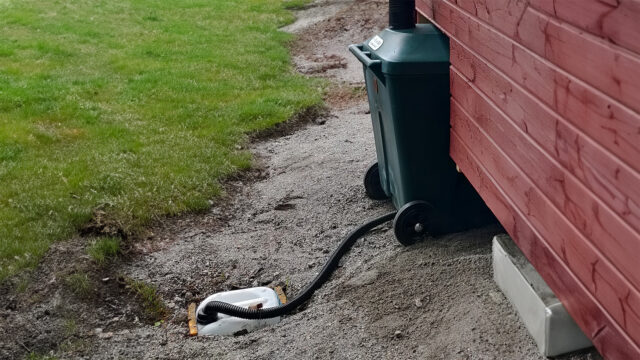
I was very pleased with the composting toilet system. It worked perfectly this whole summer. It was used for the cabin on our ranch. My son and I built the cabin so installing this was quite simple. The one concern I have would be for people who are not as adept as we are. It was with the instructions. There should be two different instructions sets for the different hole sizes of the toilet through the floor hole. The other suggestion would be to provide the cap to be in inches not mm. The 4 in pipe did not directly fit. I was 2 hours away from a store to get a rubber sleeve and cut slits in the 4 in pipe to fit the cap. It worked perfectly. I ordered the whirlybird in case I needed it but the fan worked just fine. All in all, I couldn't have been more pleased. Here are photos of the installation. The pod is under the cabin but you see where it comes into the piping.
 Verified owner
My biggest concern was Odor. So happy to verify that it truly is odorless. Installation was easy and most all parts are provided.




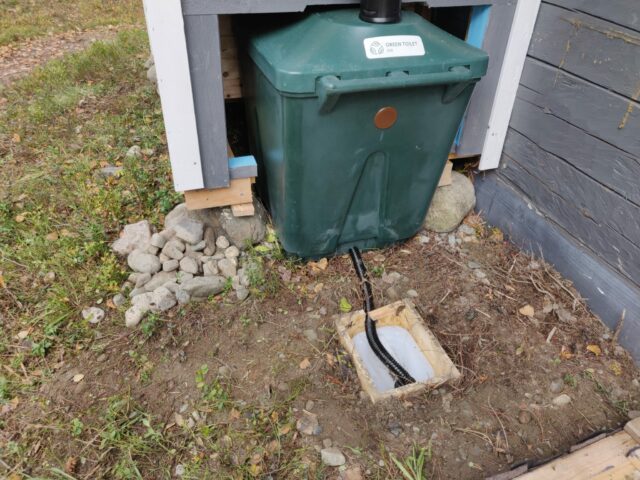
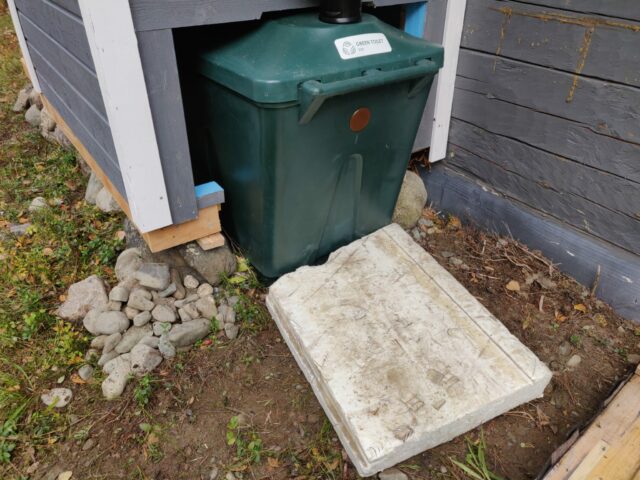
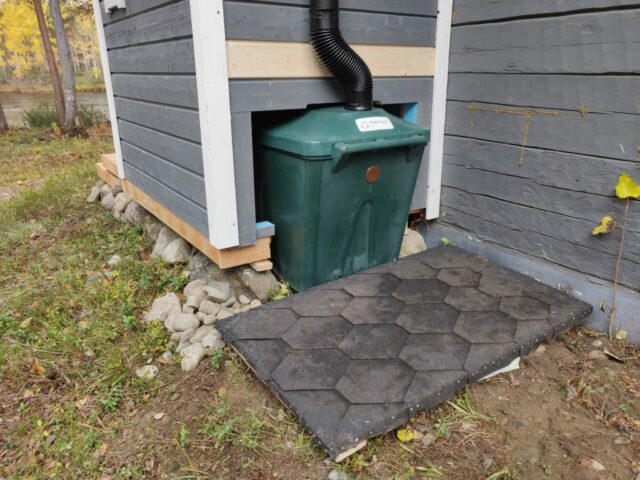

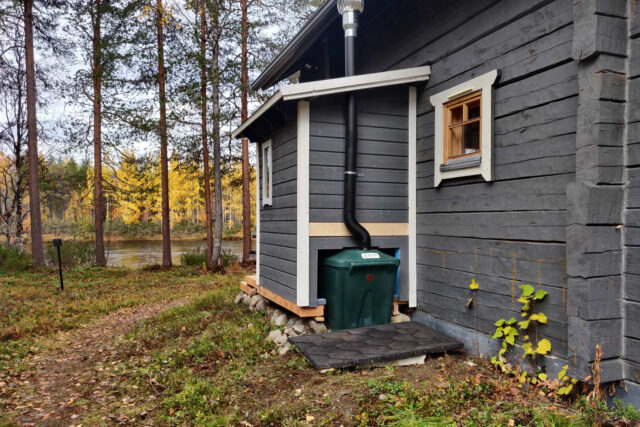

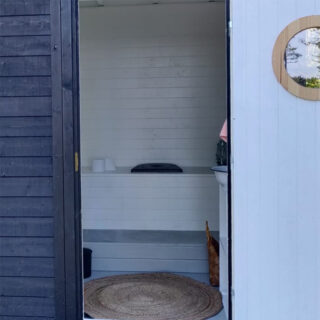
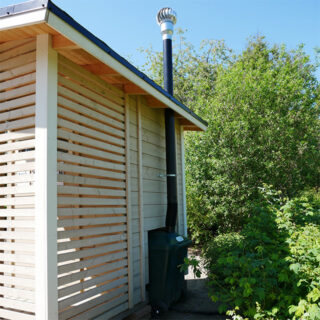
Arrived quick! The seat itself (not the pedestal which seems the more likely) was cracked on arrival. It was a bummer but the customer service is on point, sent not one but TWO replacements because the first redo was cracked too! Crazy. Anyway.. Gorgeous throne, 5/5 will poop again.