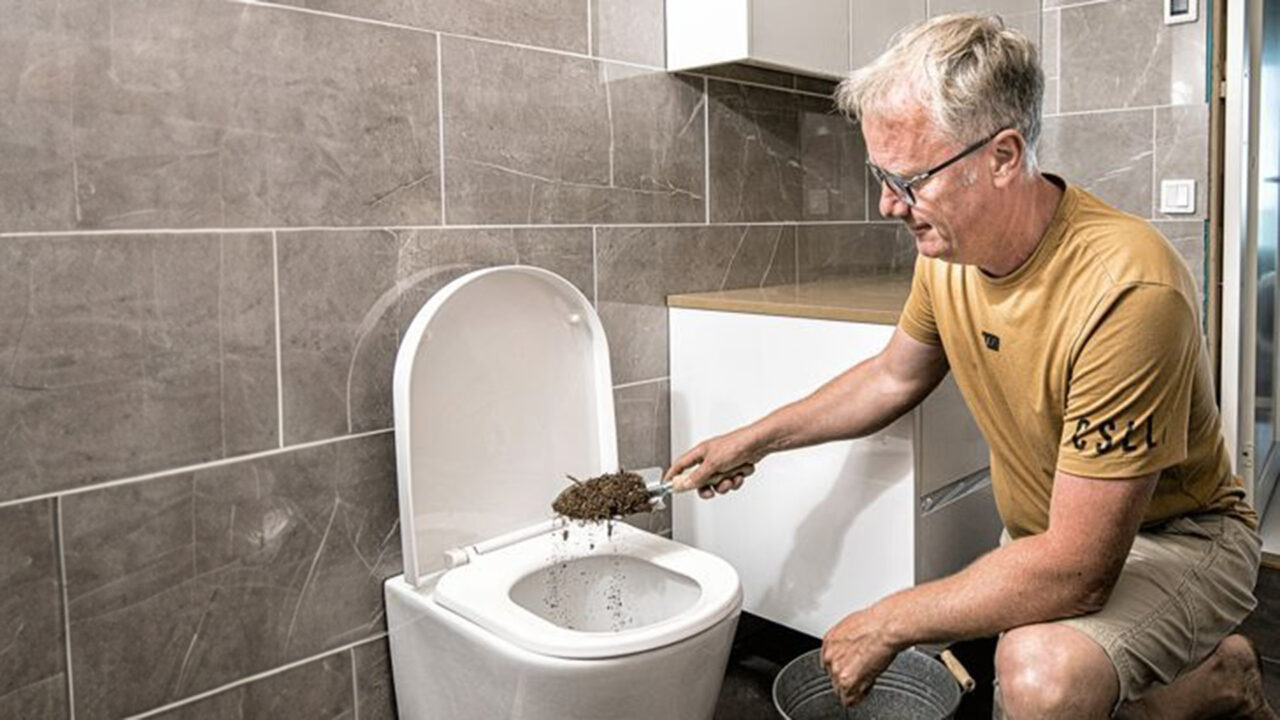
What goes in must eventually come out—one way or another. That’s why all composting toilets require maintenance and emptying. How often this is needed depends on several factors, including the type of composting toilet, the number of users, and the frequency of use.
The good news? In most cases, maintenance is simple and can be done by the user. Typically, it only takes a few minutes a couple of times a year to keep a composting toilet in working order. Large-capacity composting toilets can go 6 to 12 months before needing to be emptied, whereas smaller, self-contained units might require emptying every 1 to 3 months.
How often does composting toilet need to be emptied?
The service interval—how often a composting toilet needs to be emptied—depends on several key factors:
Type of composting toilet
Number of users
Frequency of use
Climate conditions
1. Type of Composting Toilet
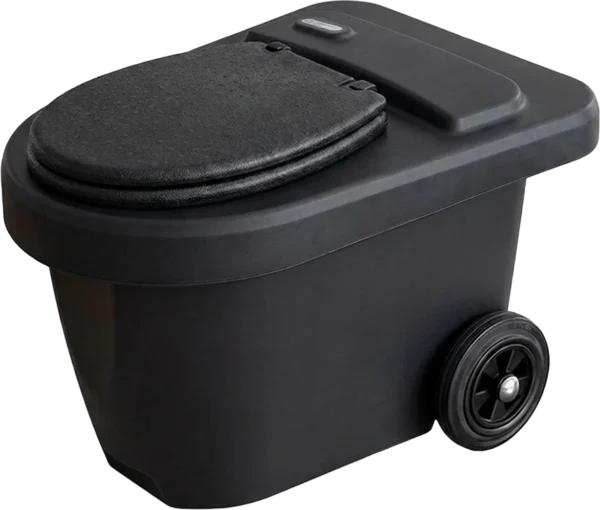
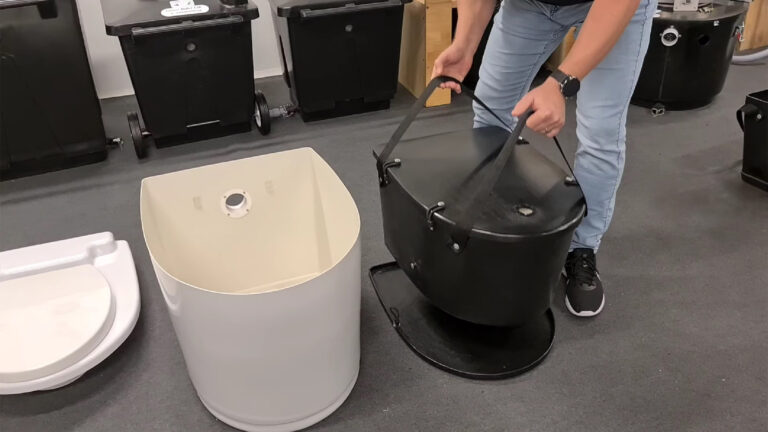
Every composting toilet has a bin, container, or tank where solid waste is collected and decomposes over time. The capacity of this bin varies depending on the model.
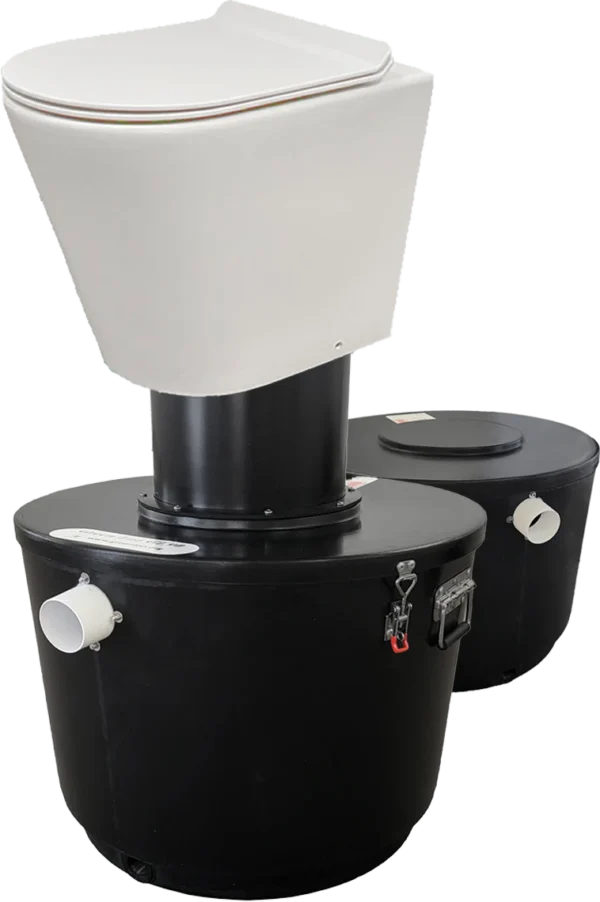
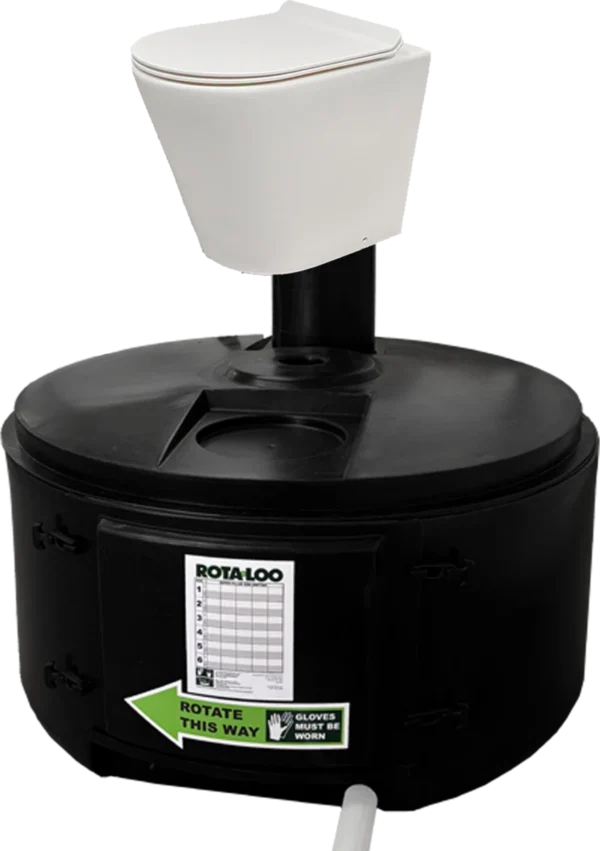
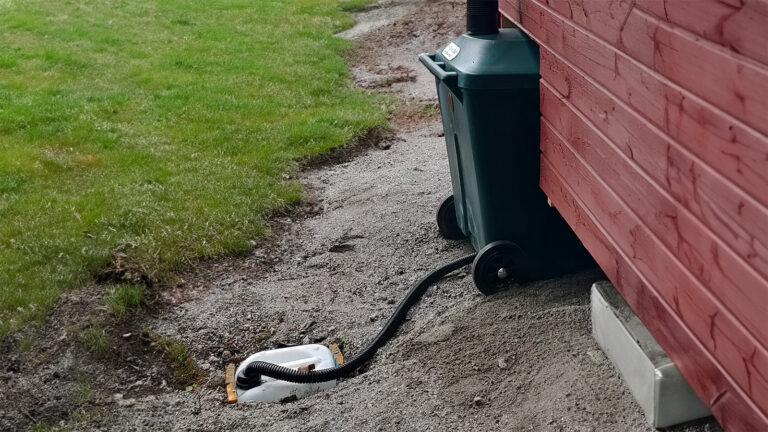
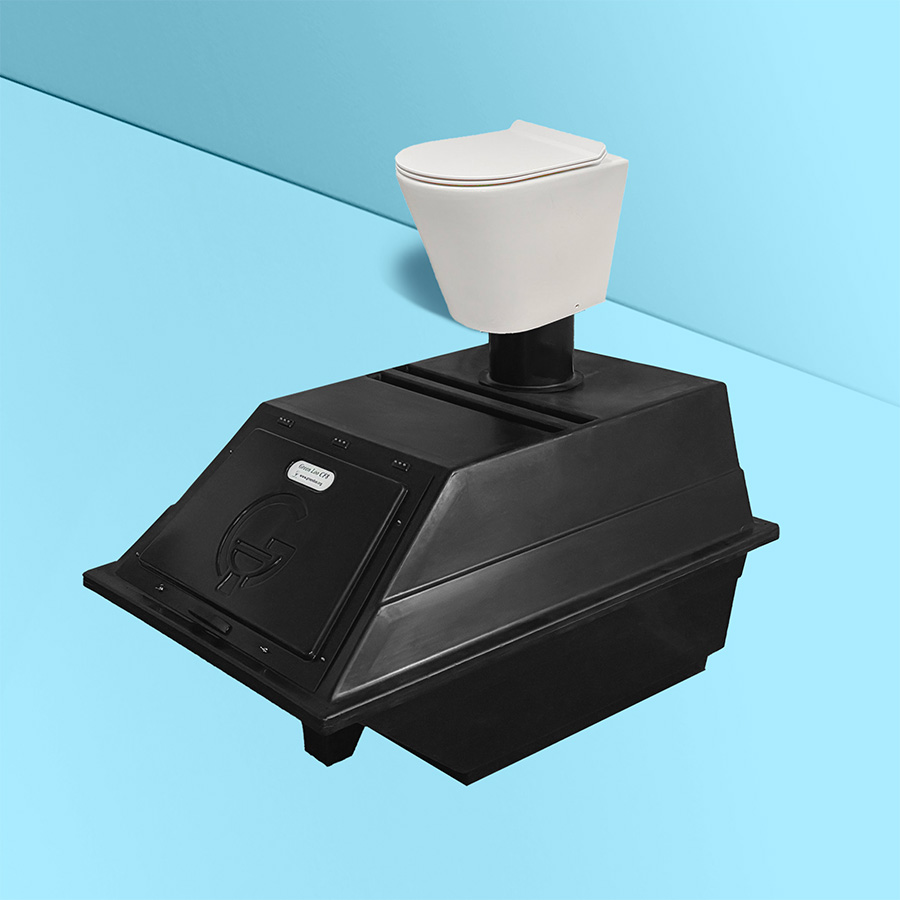
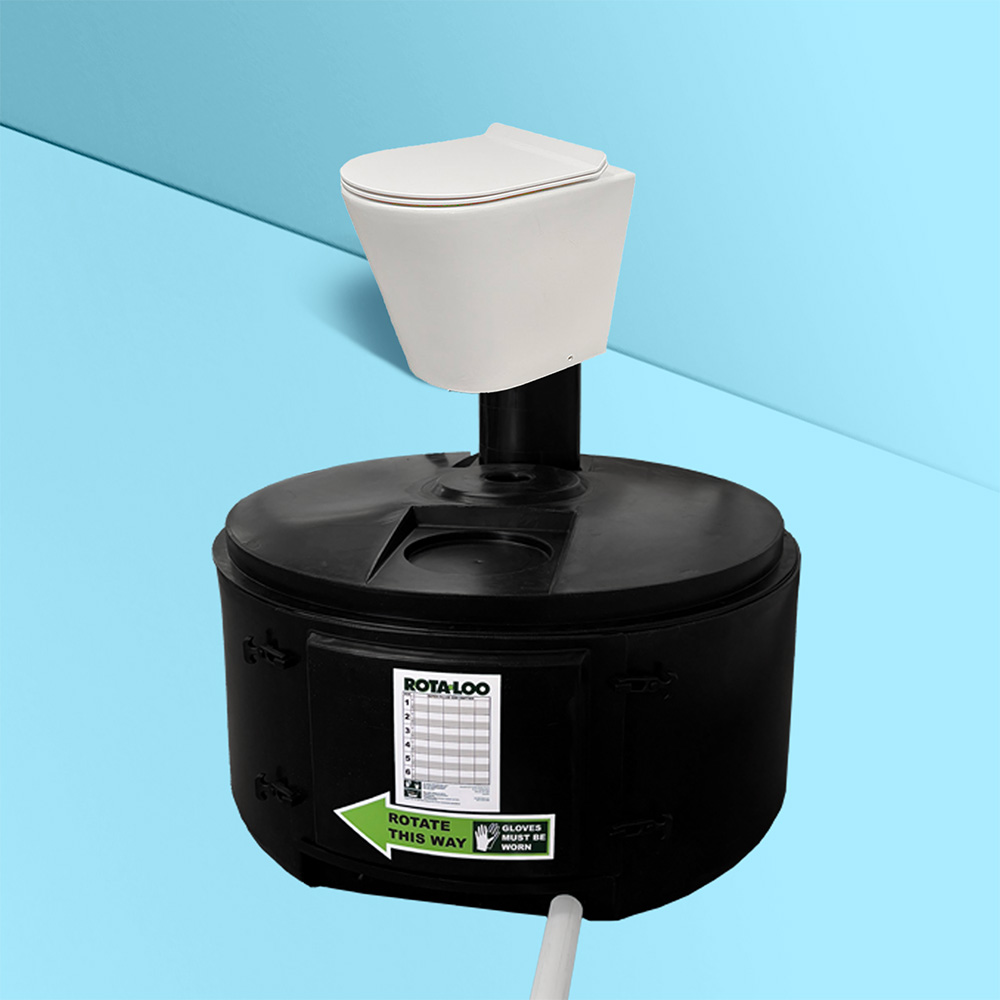
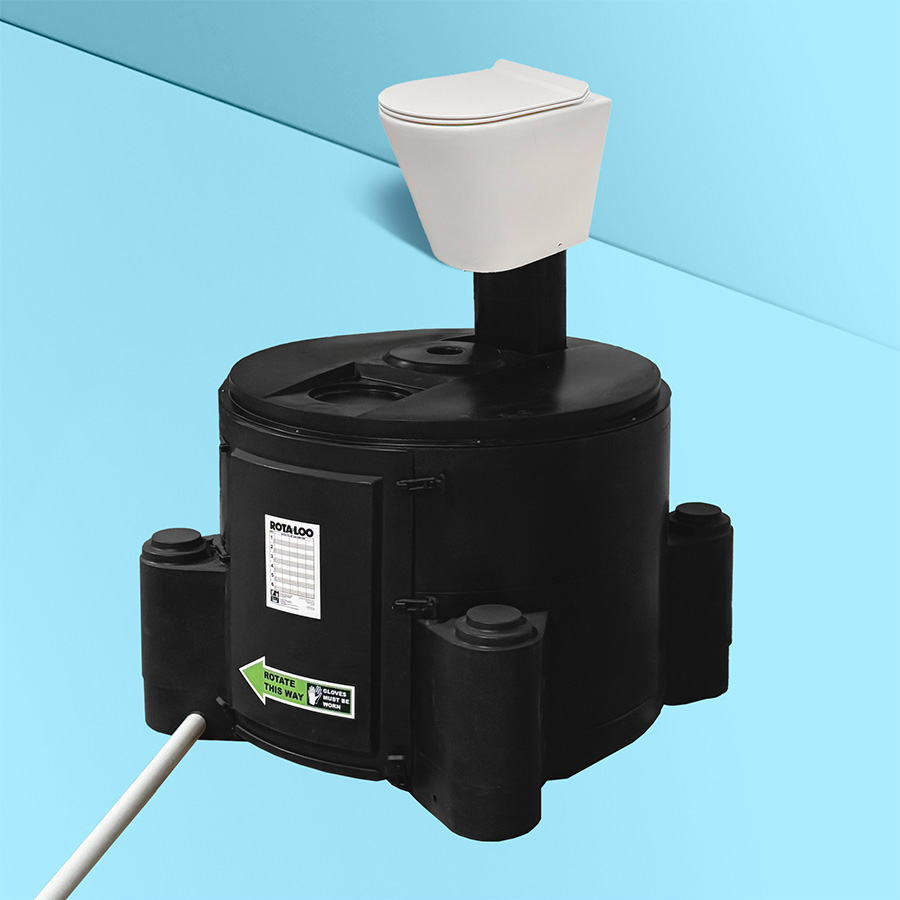
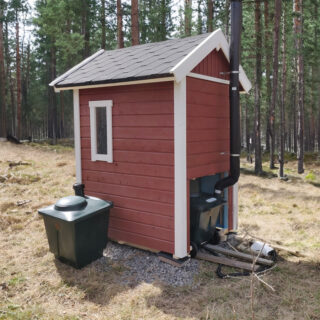
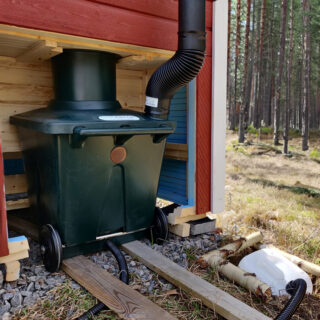
Large-capacity composting toilets typically feature sizable composting units that can be used for up to a year before requiring emptying or maintenance. Examples of such systems include the CF 8 and Rota-Loo composting toilets.
The number of people using a composting toilet plays a major role in determining how often it needs to be emptied. A toilet in a seasonal vacation cabin with occasional use will require far less maintenance than one used full-time in a public setting. Despite these differences, composting toilets are a valuable solution for both scenarios.
3. Frequency of Use
Composting toilets can be used year-round or seasonally. Naturally, the more often a toilet is used, the sooner it will reach capacity and need emptying.
4. Climate Conditions
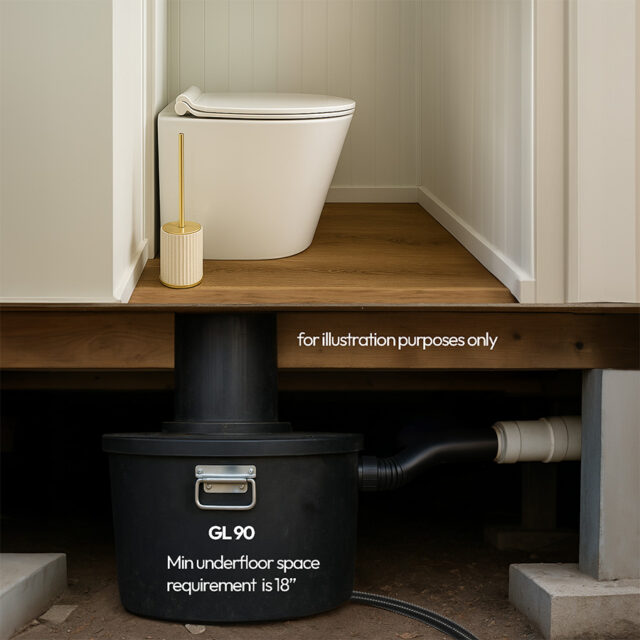
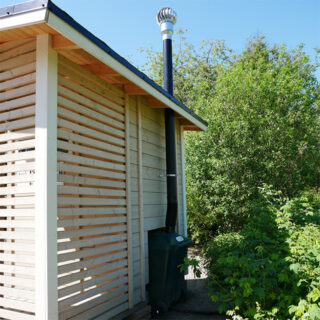
One factor many people overlook is climate. This is especially relevant for split-system composting toilets, where the composting unit is located in an unheated space beneath the restroom.
Cold Climates: In colder regions, the composting process slows down, meaning waste decomposes more slowly in winter. As a result, the solid waste container may fill up faster compared to warmer climates.
Warm Climates: In warmer environments, decomposition happens more quickly, potentially extending the time between emptying cycles.
Learn the essentials of emptying various compost toilets, from small units to batch and continuous systems. Discover practical tips and sustainable practices for effective…
Liquid separation is essential for odor-free composting toilets. This article explores how separating liquid enhances composting, reduces maintenance, and supports sustainable waste management.
Explore the basics of compost toilets: their design, benefits, and how they contribute to sustainable living. Perfect for beginners looking to make informed choices.
Wondering if composting toilets smell? This article explores the top three factors that keep modern composting toilets completely odorless, ensuring a clean and eco-friendly…
No Black Friday games
We don’t run Black Friday sales. We’d rather price our toilets fairly all year than mark them up in the fall and “discount” them in November.
So there’s no need to wait — order when it suits your project.
Average Daily Capacity per 26-Gallon Composting Bin
(Based on approx. 150 uses involving a #2 — i.e., poop) – only the solids count!
Service Interval
#2 Visits per Day (involving a #2)
30 days (1 month)
~5.0 visits/day
60 days (2 months)
~2.5 visits/day
90 days (3 months)
~1.7 visits/day
180 days (6 months)
~0.8 visits/day
365 days (1 year)
~0.4 visits/day
👥 Roughly how often will I service a bin?
Full-Time Users
Time Before a Bin Swap
1 person
about 4–5 months
2 people
about 2–3 months
3 people
about 1.5–2 months
4 people
about 1–2 months
🟢 What counts as a “#2 visit”?
Only visits that involve pooping (i.e., going number two) — urine-only visits don’t contribute to filling the composting bin and are not included in the estimate.
🔄 Why two bins?
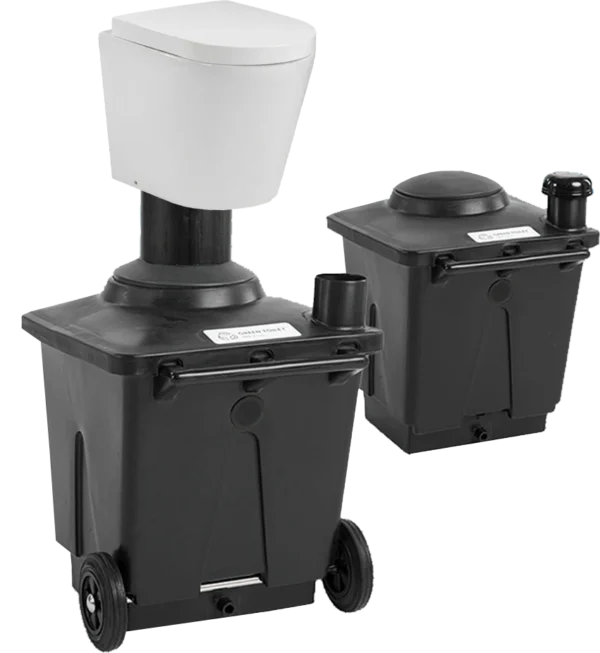
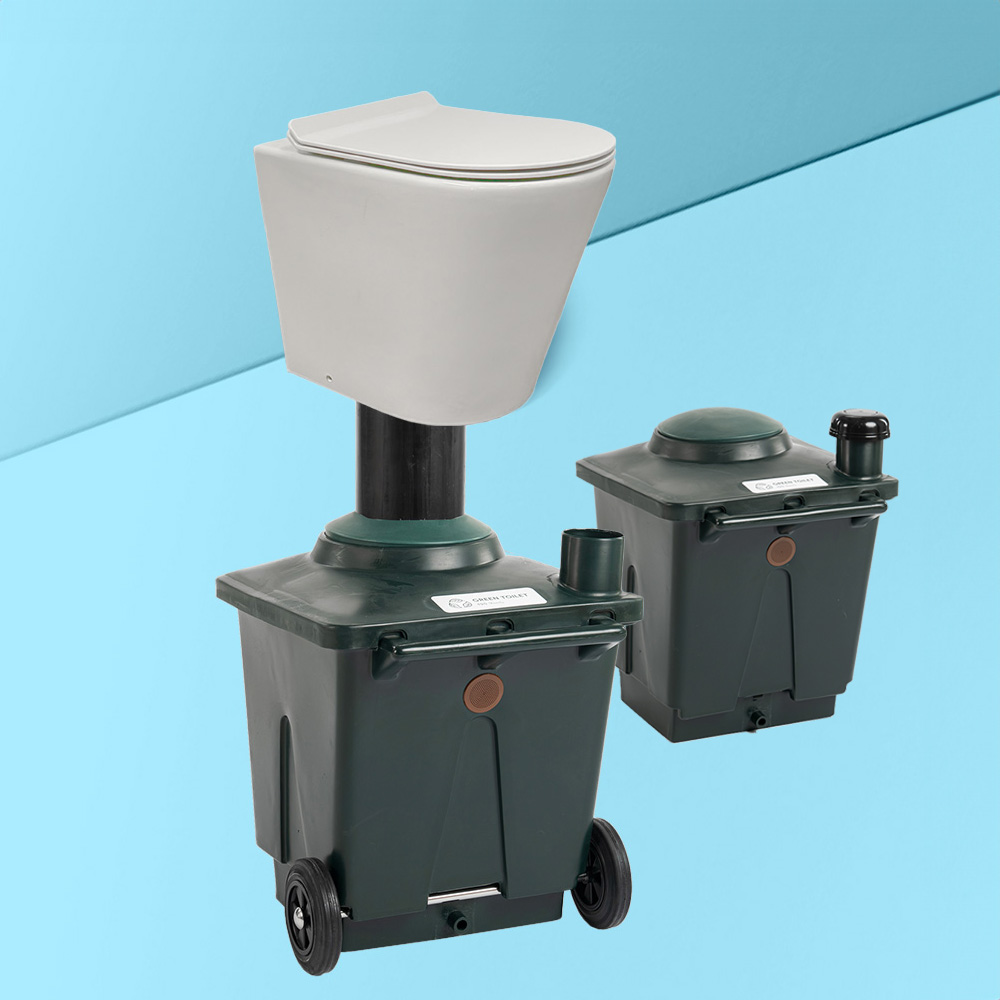
The Green Toilet Compact Lux comes with two composting bins. The figures above are per bin: when one fills up you swap in the empty one, and the full bin is left to compost undisturbed until you next need it. The second bin doesn’t make the interval longer — it means you never have to empty a bin in a hurry. Additional bins can be added at any time.
⚠️ Disclaimer: These estimates are approximations. The actual number of solid uses per bin may vary significantly depending on climate, temperature, ventilation, user habits, and the amount of dry bulking material (e.g., wood shavings or peat) added after each use.
Pay with Klarna
We’re excited to now offer Klarna as a payment option at Waterless Toilet Shop!
Choose how you want to pay — all at once or with flexible installments that fit your budget.
💸 Pay in 4 — Interest-Free
Split your composting toilet purchase into four equal payments every two weeks.
No interest, no hidden fees — just a smarter way to pay over time.
Other Flexible Options
Klarna also offers monthly financing with 6–24-month plans and transparent APR rates based on your credit.
You’ll see all available payment options instantly when you select Klarna at checkout.
Klarna financing is issued by WebBank and available to eligible U.S. residents in most states.
Missed payments may incur late fees. For California residents, loans are made or arranged pursuant to a California Financing Law license. Review Klarna’s terms.
CF 8 Composting Toilet – Estimated Daily Capacity
The CF 8 is a continuous composting toilet system featuring a single large 250-gallon container. Like the CF 4, it is designed for gradual emptying rather than batch-style use. Solids are typically removed in thirds or sections, allowing earlier deposits time to fully compost inside the tank.
This setup allows for either:
Year-round use with gradual emptying, or
Seasonal use (e.g., 4–5 months/year) with full emptying once per year
🔁 Continuous Use: Gradual Emptying in Thirds
When used year-round, the CF 8 is typically emptied one-third at a time, effectively composting in three rotating “piles” within the container.
Because the CF 8 is more than twice as large as the CF 4, each pile can hold approximately 480–960 poops, depending on composting conditions and how much bulking material is used.
Service Interval (per pile)
Estimated #2 Visits per Day
30 days (1 month)
~17–32 visits/day
60 days (2 months)
~8–16 visits/day
90 days (3 months)
~5–11 visits/day
180 days (6 months)
~3–5 visits/day
365 days (1 year)
~1.2–2.6 visits/day
💡 These figures assume that one-third of the tank is in active use at a time, with older waste given time to compost before removal.
🌤 Seasonal Use: Full-Tank Emptying After Inactive Period
For cabins, cottages, or other sites used seasonally, the CF 8 can be used for a few months and then left idle to allow full composting. In such cases, the entire tank may be emptied once a year.
Full-tank capacity estimate: ~1,440–2,880 poops
Example: 120 days of use (approx. 4 months): → ~12–24 solid visits per day on average
⚠️ Disclaimer
These numbers are rough estimates based on typical use and conditions. Actual capacity will vary depending on:
Climate (temperature and humidity)
Ventilation and air flow
How much dry bulking material is added
User behavior and emptying practices
For best performance, ensure proper aeration, regular bulking material use, and consistent emptying of composted portions.
💡 Want to Maximize Capacity? Consider a Urine-Diverting Toilet — With Some Important Considerations
If you’re looking to maximize the capacity of the CF 8 system — aiming for 960+ poops per composting “pile” — we recommend using aurine-diverting (UD) toilet pedestal.
✅ Benefits of Urine Separation:
Reduces or eliminates the need for dry bulking material, which frees up valuable space in the composting unit
Helps keep the compost drier, more aerated, and better suited for natural decomposition
Increases the total capacity of the composting container
Can lead to faster and more efficient composting, especially in high-use environments
By diverting urine out of the solids container, the volume taken up by absorbent material (like peat or wood shavings) is significantly reduced. This can make a big difference in how often the system needs to be emptied.
⚠️ Downsides to Consider:
Urine-diverting toilets can take some time to get used to. Users need to sit or aim correctly to ensure proper separation, which might not happen consistently without experience or guidance.
For this reason, UD toilets are generally not ideal for public or commercial settings where the toilet is used by guests, tourists, or other first-time users. In these cases, misuse can reduce the effectiveness of the system and may even lead to unpleasant maintenance issues.
In short: A UD toilet is an excellent choice for maximizing capacity in private or family use, but for guest or public access composting toilets, a standard non-diverting model may be more practical and user-friendly.
Green Toilet 100 Easy – Estimated Daily Capacity
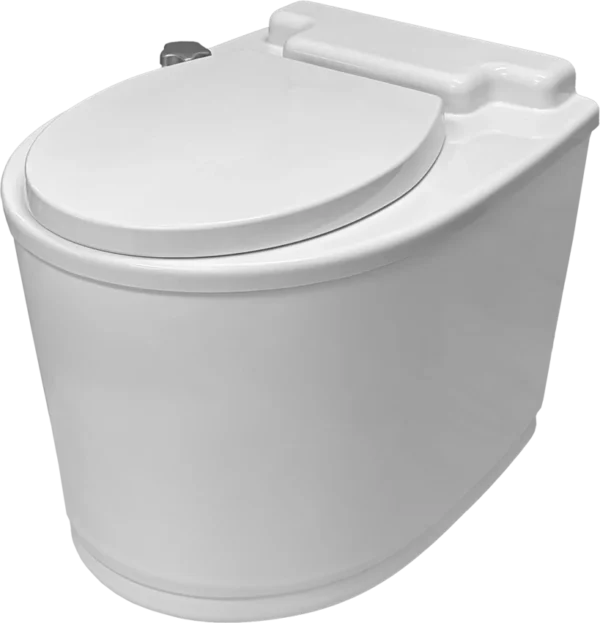
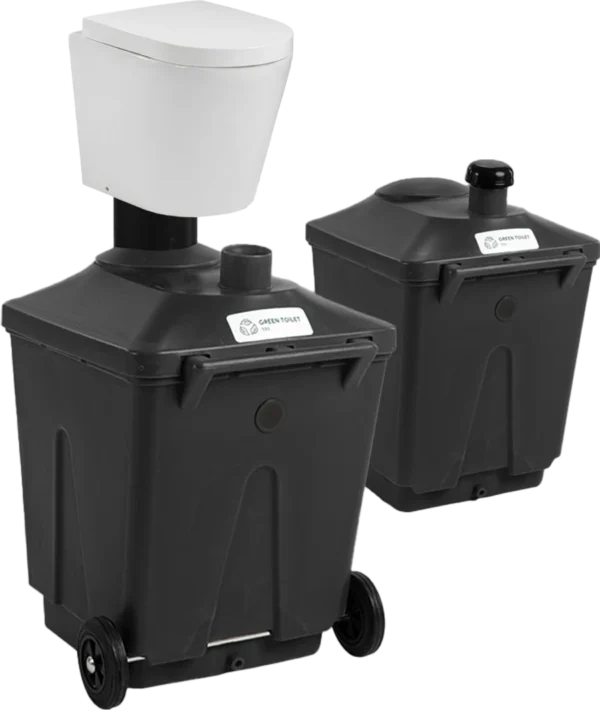
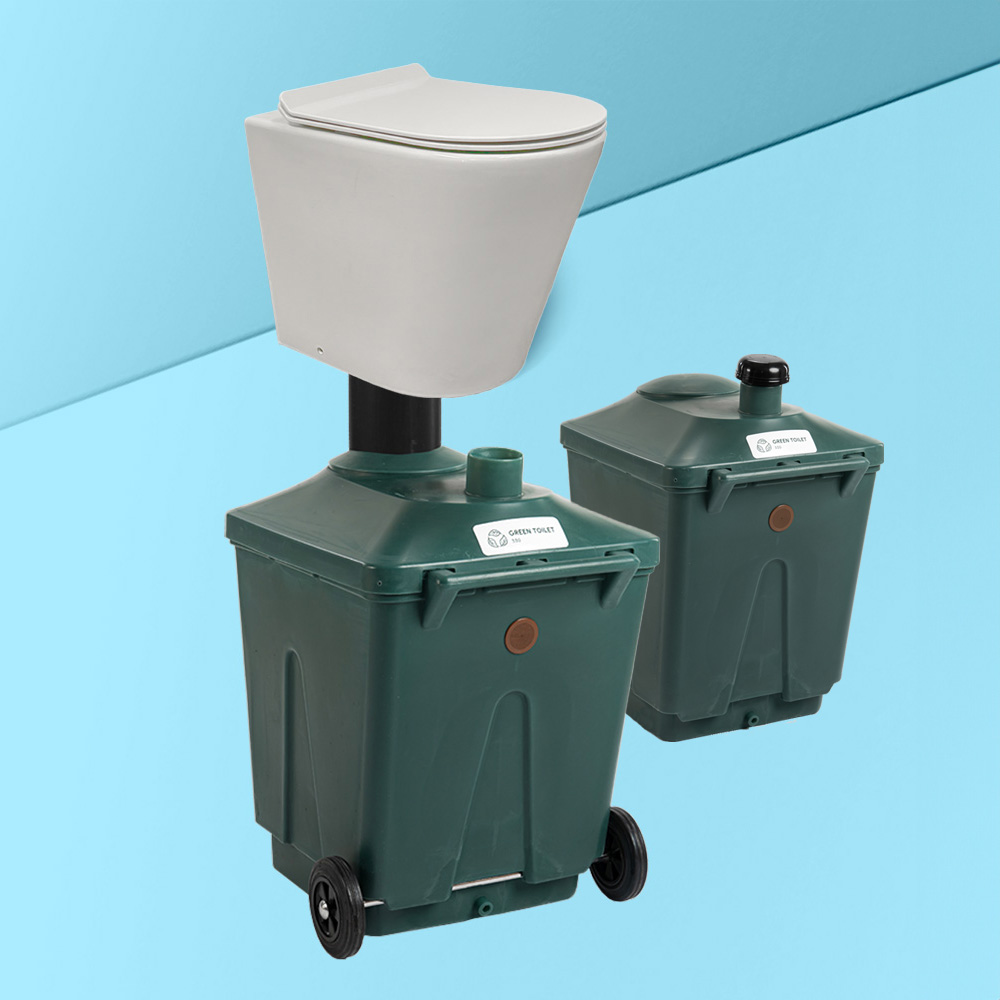
The Green Toilet 100 Easyis a compact and user-friendly batch composting toilet with a 26-gallon composting container. Its design makes it well-suited for outhouses, cabins, and even indoor use. A spare containeris available to expand capacity and simplify servicing.
Note: Due to the shape and internal structure of the container, the actual composting capacity is slightly lower than its raw volume might suggest, if you compare with Green Toilet 120 Family composting toilet for example.
📆 Average Daily Capacity per Bin
Service Interval
Estimated #2 Visits per Day
30 days (1 month)
~6–7 visits/day
60 days (2 months)
~3–4 visits/day
90 days (3 months)
~2.2 visits/day
180 days (6 months)
~1.1 visits/day
365 days (1 year)
~0.5 visits/day
Notes & Recommendations:
For seasonal or weekend use, one container often lasts a full summer.
For more frequent use, we recommend the package with a spare container. This allows one bin to rest and compost while the other is in active use.
Don’t forget to add dry bulking material (like wood shavings or peat) regularly to maintain airflow and prevent odors.
⚠️ Disclaimer: These estimates are intended as general guidance. Real-world performance may vary depending on:
Climate and temperature
Ventilation quality
How much dry bulking material is used
Number of users and usage patterns
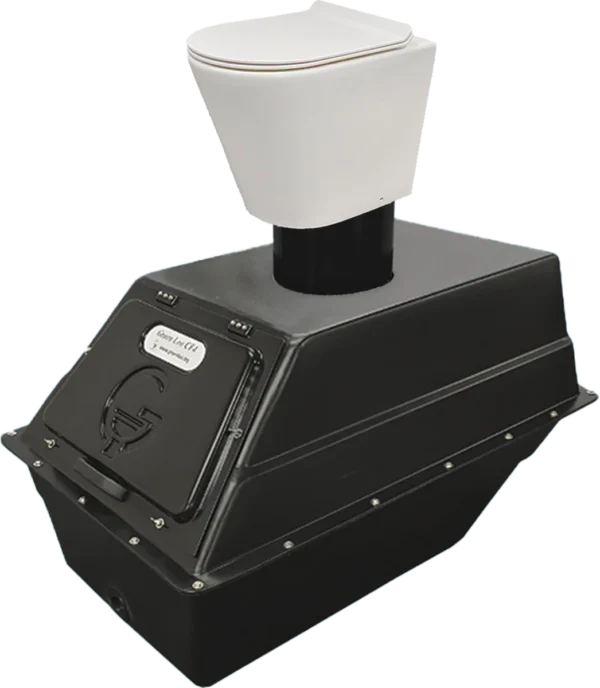
CF 4 Composting Toilet – Estimated Daily Capacity
The CF 4 is a continuous composting toilet system featuring a single large 105-gallon container. Unlike batch composting systems (such as the Green Toilet models), the CF 4 is designed for gradual emptying — solids are typically removed in thirds or sections, allowing earlier deposits time to fully compost inside the tank.
This setup allows for either:
Year-round use with gradual emptying, or
Seasonal use (e.g. 4–5 months/year) with full emptying once per year
🔁 Continuous Use: Gradual Emptying in Thirds
When used year-round, the CF 4 is typically emptied one-third at a time, effectively composting in three rotating “piles” within the container. Depending on composting conditions and how much bulking material is used, each pile can hold approximately 200–400 poops.
Service Interval (per pile)
Estimated #2 Visits per Day
30 days (1 month)
~7–13 visits/day
60 days (2 months)
~3–7 visits/day
90 days (3 months)
~2–4 visits/day
180 days (6 months)
~1–2 visits/day
365 days (1 year)
~0.5–1.1 visits/day
💡 These figures assume that one third of the tank is in active use at a time, with older waste given time to compost before removal.
🌤 Seasonal Use: Full-Tank Emptying After Inactive Period
For cabins, cottages, or other sites used seasonally, the CF 4 can be used for a few months and then left idle to allow full composting. In such cases, the entire tank may be emptied once a year.
Full-tank capacity estimate: ~600–1,200 poops
Example: 120 days of use (approx. 4 months): → ~5–10 solid visits per day on average
⚠️ Disclaimer
These numbers are rough estimates based on typical use and conditions. Actual capacity will vary depending on:
Climate (temperature and humidity)
Ventilation and air flow
How much dry bulking material is added
User behavior and emptying practices
For best performance, ensure proper aeration, regular bulking material use, and consistent emptying of composted portions.
💡 Want to Maximize Capacity? Consider a Urine-Diverting Toilet — With Some Important Considerations
If you’re looking to maximize the capacity of the CF 4 system — aiming for 400+ poops per composting “pile” — we recommend using a urine-diverting (UD) toilet pedestal.
✅ Benefits of Urine Separation:
Reduces or eliminates the need for dry bulking material, which frees up valuable space in the composting unit
Helps keep the compost drier, more aerated, and better suited for natural decomposition
Increases the total capacity of the composting container
Can lead to faster and more efficient composting, especially in high-use environments
By diverting urine out of the solids container, the volume taken up by absorbent material (like peat or wood shavings) is significantly reduced. This can make a noticeable difference in how often the system needs to be emptied.
⚠️ Downsides to Consider:
Urine-diverting toilets can take some time to get used to. Users need to sit or aim correctly to ensure proper separation, which might not happen consistently without experience or guidance.
For this reason, UD toilets are generally not ideal for public or commercial settings where the toilet is used by guests, tourists, or other first-time users. In these cases, misuse can reduce the effectiveness of the system and may even lead to unpleasant maintenance issues.
In short: A UD toilet is an excellent choice for maximizing capacity in private or family use, but for guest or public access composting toilets, a standard non-diverting model may be more practical and user-friendly.
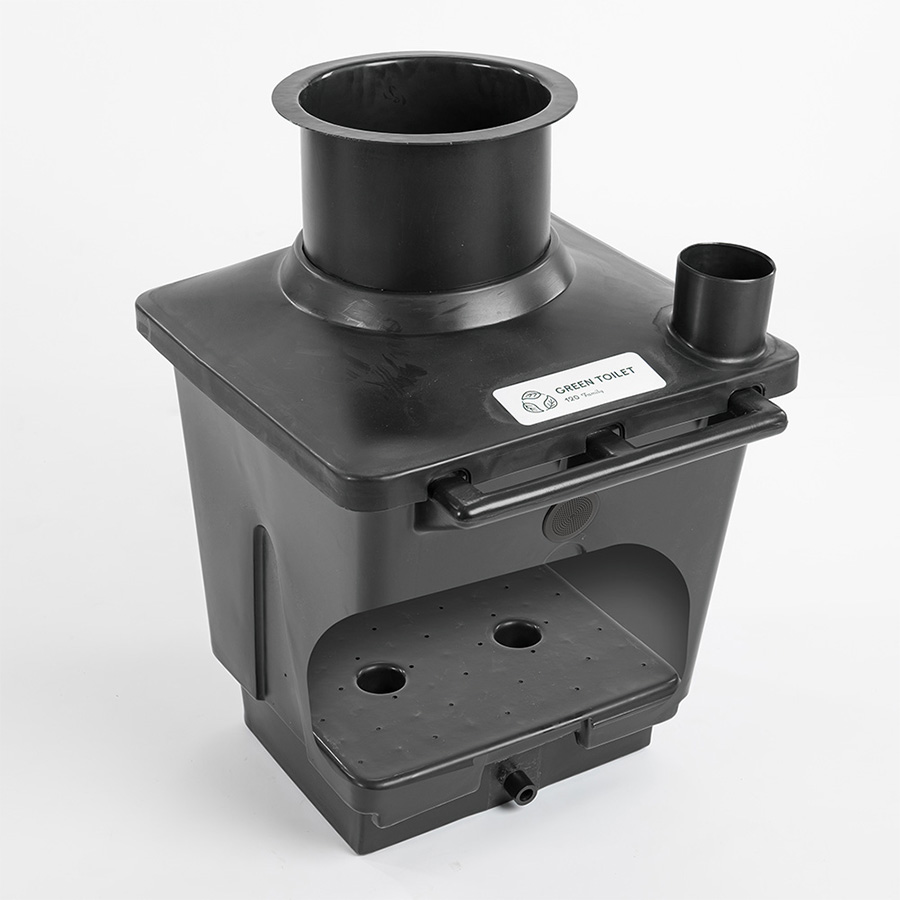
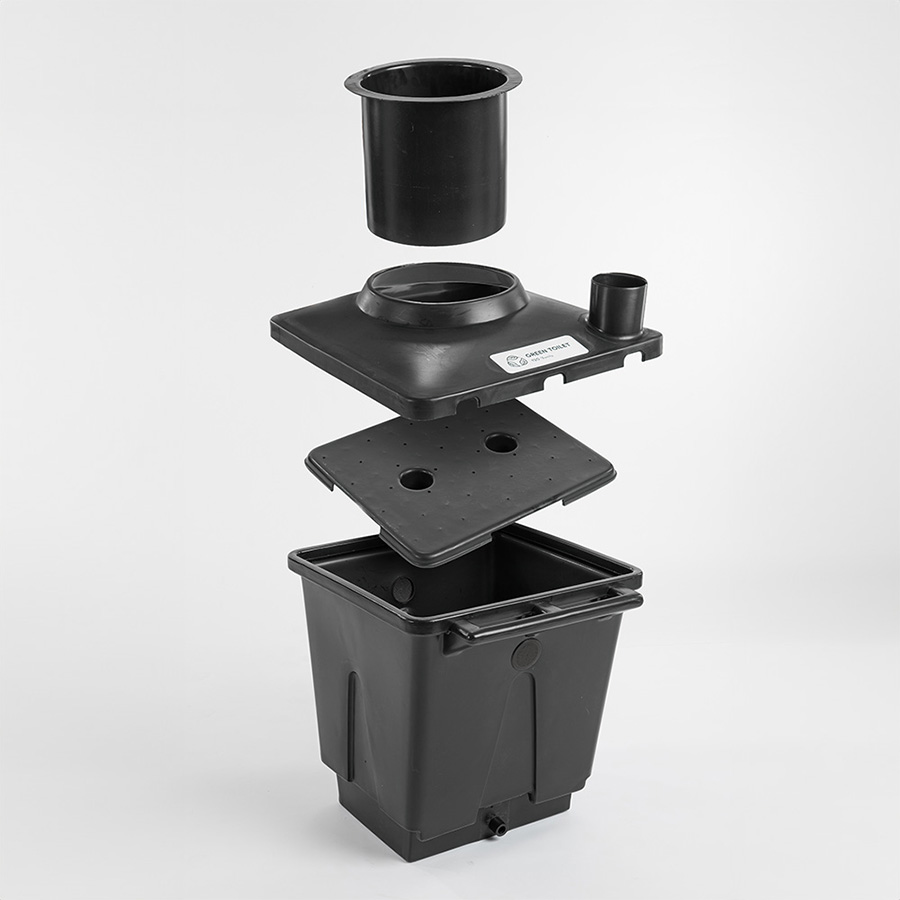
Green Toilet 120 Family
💩 Average Daily Capacity per 31-Gallon Composting Bin
(Based on approx. 356 uses involving a #2 — i.e., poop) – only the solids count!
Service Interval
#2 Visits per Day (involving a #2)
30 days (1 month)
~11.9 visits/day
60 days (2 months)
~5.9 visits/day
90 days (3 months)
~4.0 visits/day
180 days (6 months)
~2.0 visits/day
365 days (1 year)
~1.0 visits/day
🟢 What counts as a “#2 visit”? Only visits that involve pooping (i.e., going number two) — urine-only visits don’t contribute to filling the composting bin and are not included in the estimate.
⚠️ Disclaimer: These estimates are approximations. The actual number of solid uses per bin may vary significantly depending on climate, temperature, ventilation, user habits, and the amount of dry bulking material (e.g., wood shavings or peat) added after each use.
Green Toilet 330
💩 Average Daily Capacity per 87-Gallon Composting Bin
(Based on approx. 1,000 uses involving a #2 — i.e., poop) – only the solids count!
Service Interval
#2 Visits per Day (involving pooping)
30 days (1 month)
~33 visits/day
60 days (2 months)
~17 visits/day
90 days (3 months)
~11 visits/day
180 days (6 months)
~5.6 visits/day
365 days (1 year)
~2.7 visits/day
🟢 What counts as a “#2 visit”? Only visits that involve defecation (pooping) — urine-only visits don’t fill up the composting bin and are not included in the 1,000-use estimate.
⚠️ Disclaimer: These estimates are based on typical, steady use. The actual number of solid uses a composting bin can handle may vary significantly depending on climate, temperature, humidity, ventilation, and how much dry bulking material (like wood shavings) is added after each use.
💧 Liquid waste (urine) estimate
Average person produces about:
0.4 gallons of urine per day (≈1.5 liters ≈ 1.6 quarts)
So for 100 people:
0.4 gallons × 100 = 40 gallons of urine per day
🚽 Flush water use estimate
Average flush volume in the U.S. is about:
1.5 gallons per flush
Average person flushes ~5 times per day, so:
1.5 gallons × 5 = 7.5 gallons/person/day
So for 100 people:
7.5 gallons × 100 = 750 gallons of flush water per day

 By Eemeli Palo
Updated
First published
4 min read