 Composting
 Off-Grid
 Indoors
 Premium
 Floor-standing
 Tiny House
 ADU
ADU Urine-diverting
 Year-around
 Luxurious
 Cabins
 RVs
RVs Large capacity
 Cold climate
 Glamping
 Outhouses
 Batch toilets
 Public use
 Single-chamber
 Toilet Pedestals
 Accessories
Composting Toilets in Maine: A Practical Guide for Cabin Owners and Homeowners
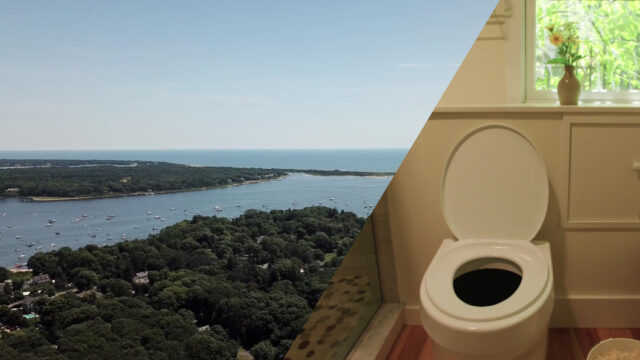
If you’ve been quoted $25,000 or more for a septic system on your Maine property — or told a conventional system isn’t possible at all — you have a legal alternative. Composting toilets are permitted in every Maine town under the state’s Subsurface Wastewater Disposal Rules, and have been for decades.
This guide covers what’s actually involved: whether it’s legal where you are, what it costs, the permit process, winter performance, and how the main products compare.
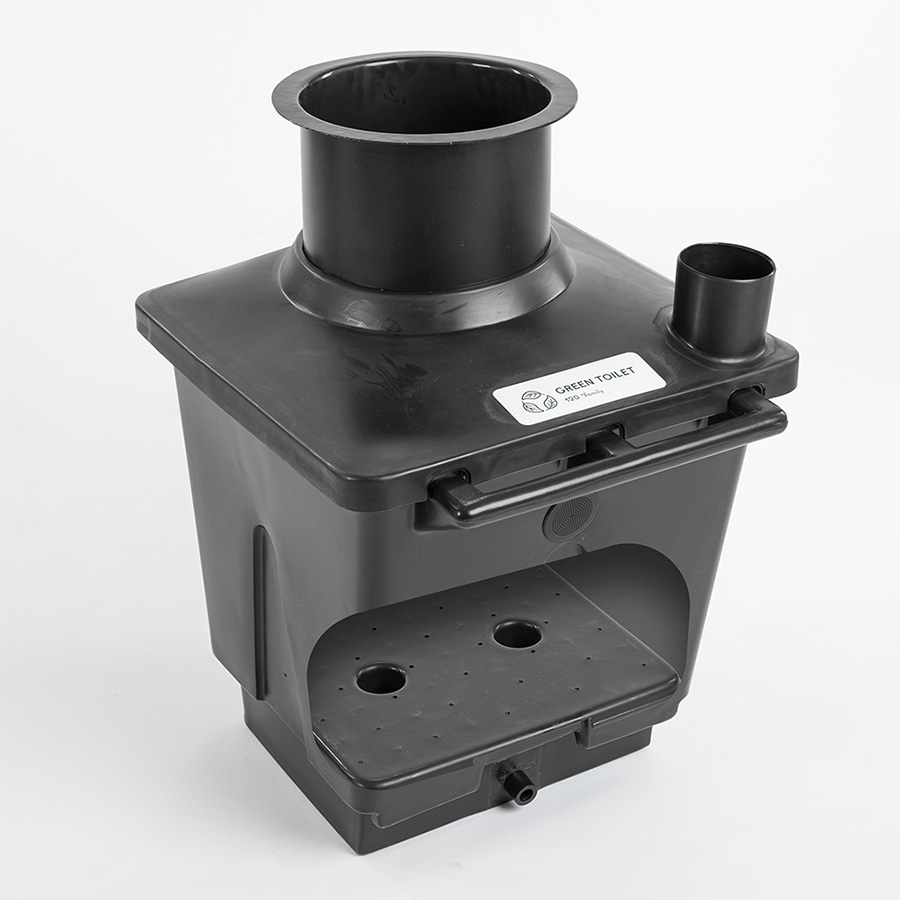
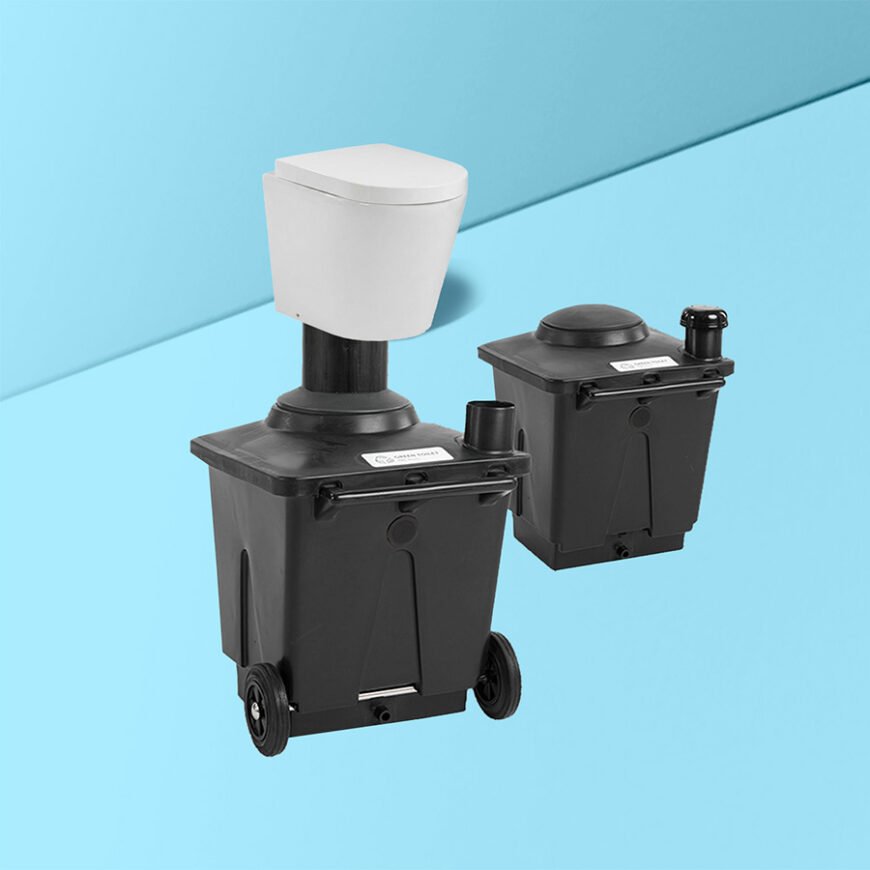
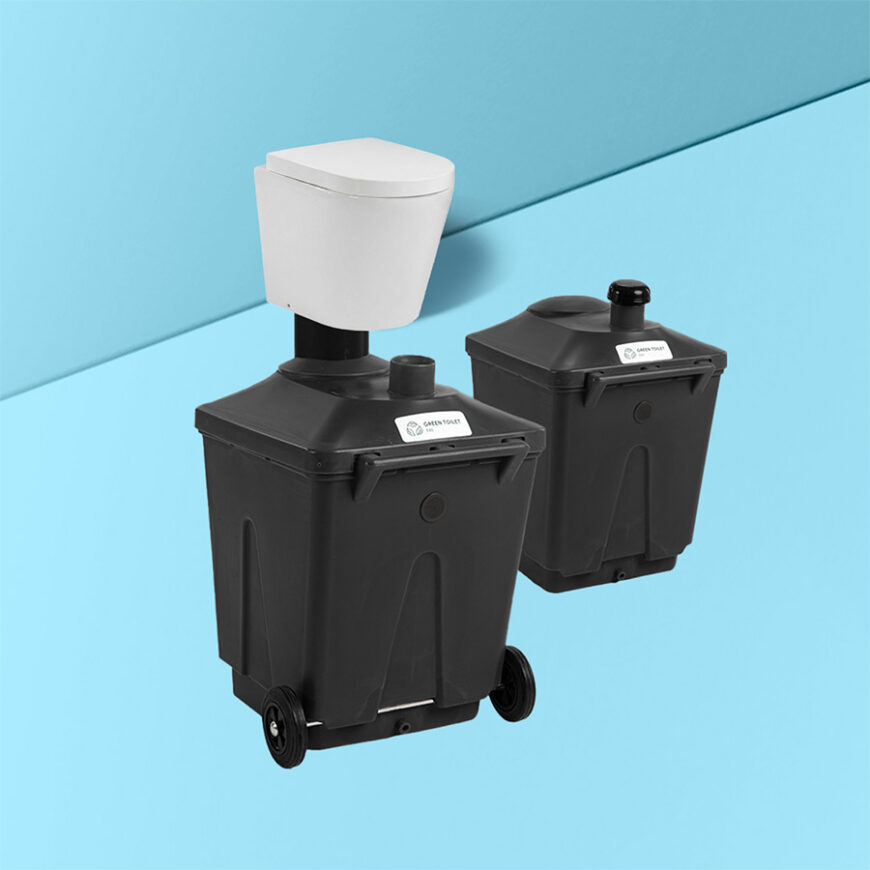
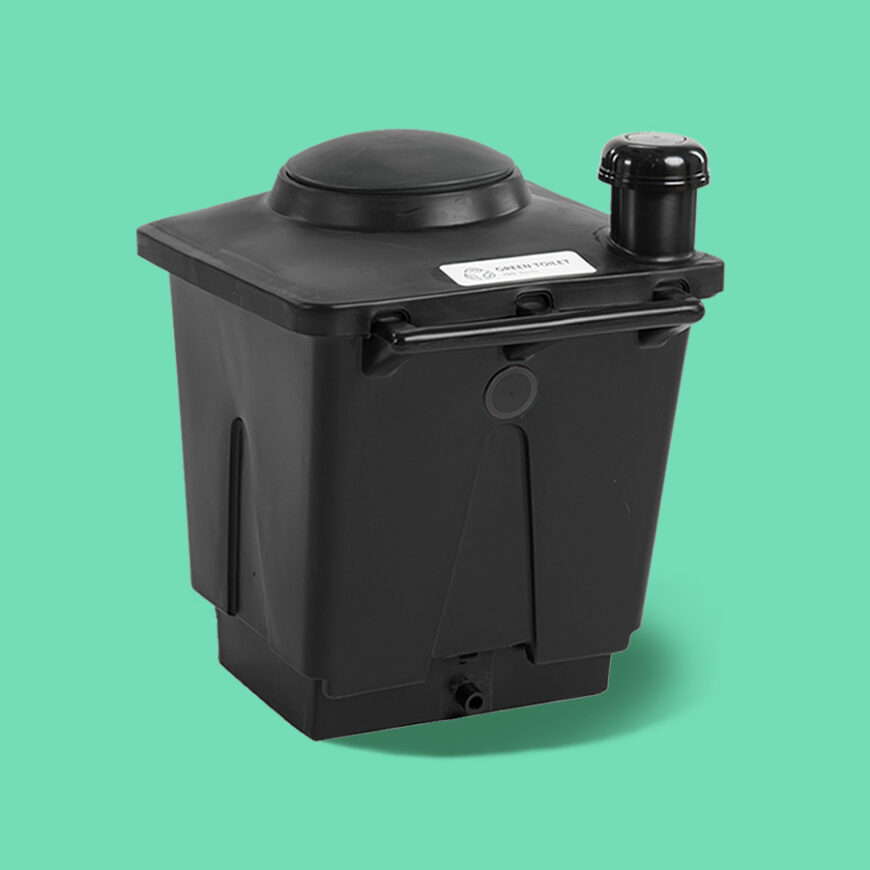
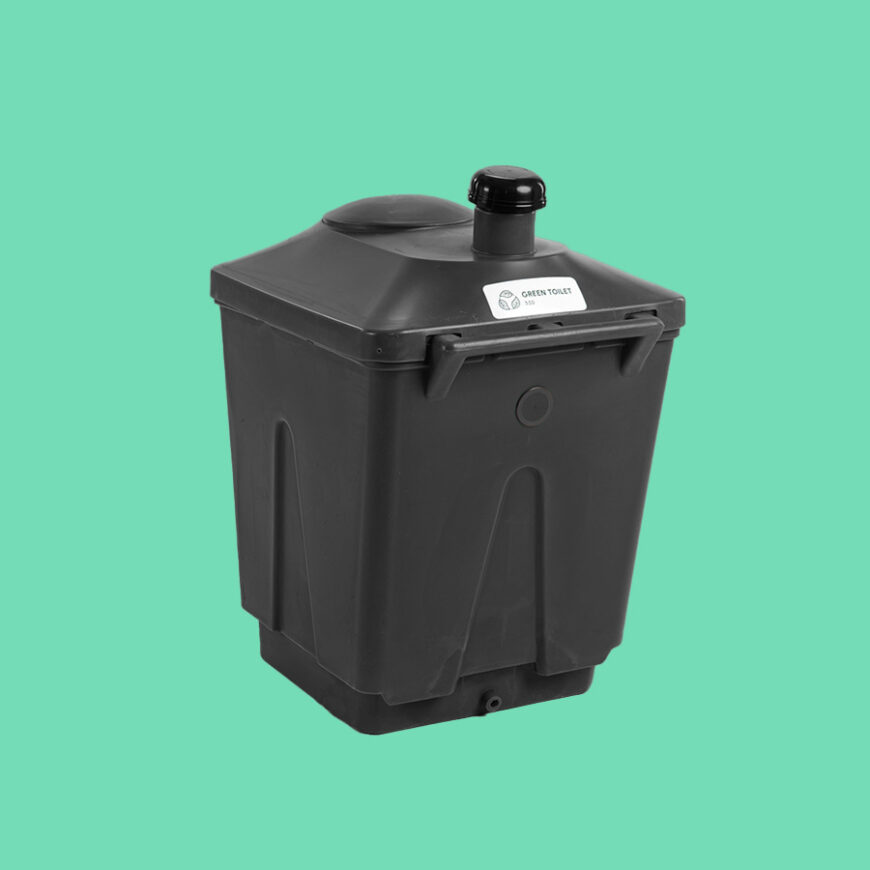
We make one of the systems on Maine’s approved list — the Green Toilet, approved for general use in April 2026. Most of this page isn’t about us; it’s about whether a composting toilet is the right fit, and how to do it properly.

Why people in Maine end up here
Most people land on this page in one of four situations:
- A failing septic. The inspector said the system needs full replacement, and the estimate came back at numbers that made you close the email.
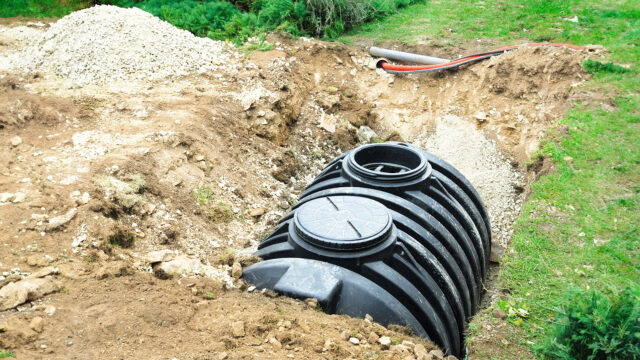
- A new property where conventional septic isn’t permitted. Shoreland setbacks, ledge, high water table, or soils that just won’t pass.
- A cabin or camp that’s never had real plumbing. The family wants something better than the outhouse, and you don’t want to spend $30,000 to make that happen.
- An ADU, in-law apartment, or tiny home where the math of a second septic system doesn’t work.
If you recognize yourself in one of these, you’re in the right place. None of these situations are unusual.

Are composting toilets actually legal in Maine?
Yes — in every town, with a permit. Maine’s Subsurface Wastewater Disposal Rules (10-144 CMR Chapter 241) have recognized alternative toilets for decades. They are not experimental and not a regulatory gray area.
Maine maintains an official list of state-approved composting toilet products. Some homeowners install systems from that list; others use products approved at the local plumbing inspector’s discretion. Either path can be legal — the listed products like the Green Toilet just simplify the permit review.
What it actually costs
Here are the numbers to put in your spreadsheet:
| Cost item | Range | Notes |
|---|---|---|
| Composting toilet unit | $1,500 – $5,500 | Wide range across brands and models |
| Green Toilet (our system) | $1,500 – $2,500 | Range across basic models; full pricing on our website |
| Maine site evaluator fee | $400 – $1,200 | Only for new construction or new greywater |
| LPI permit fee | $50 – $300 | Varies by town |
| Greywater disposal system | $3,000 – $10,000 | Site-dependent; many properties already have one |
| Installation labor | $0 – $2,500 | Many models are DIY-feasible |
Cabin retrofit, existing greywater handling: roughly $3,000 – $5,000 all-in.
New construction, including greywater: roughly $5,000 – $15,000 all-in.
Compare that to $25,000 – $40,000 for a conventional septic system on a difficult Maine property — sometimes more on shoreland or ledge sites — and the math is usually obvious.
A few things worth knowing:
- It’s a one-time cost. No pumping schedule, no replacement field every 20–30 years, no surprise $30,000 failure.
- Greywater is separate. Sink, shower, and laundry water still needs a permitted disposal path. Smaller and cheaper than a full septic, but not free.
- The site evaluator fee is sometimes avoidable. If you’re replacing a fixture in an existing plumbed structure, you may not need one. Ask your LPI before you assume.
The permit process, simplified
Six steps:
- Talk to your town’s Local Plumbing Inspector (LPI). Free phone call, usually quick, and they’ll tell you exactly what your local interpretation of the rules looks like.
- Decide whether you need a site evaluator. New construction or new greywater: yes. Pure fixture replacement: usually no.
- Choose your composting toilet — a state-approved system, or an LPI-approved alternative.
- Submit the HHE-200 application (and HHE-211 for internal plumbing if applicable).
- Install per the approved plan.
- LPI inspects and signs off.
Realistic timeline: 4 to 10 weeks from “I want to do this” to “I’m using it.” The LPI review queue is usually the bottleneck, and it gets longer in summer.
Most cabin retrofits are simpler than this list makes it look. Most new-construction projects involve more steps than this list shows. Your LPI will tell you which one you are.

Will it work in a Maine winter?
Yes — including for year-round use. Here’s what actually happens in the cold.
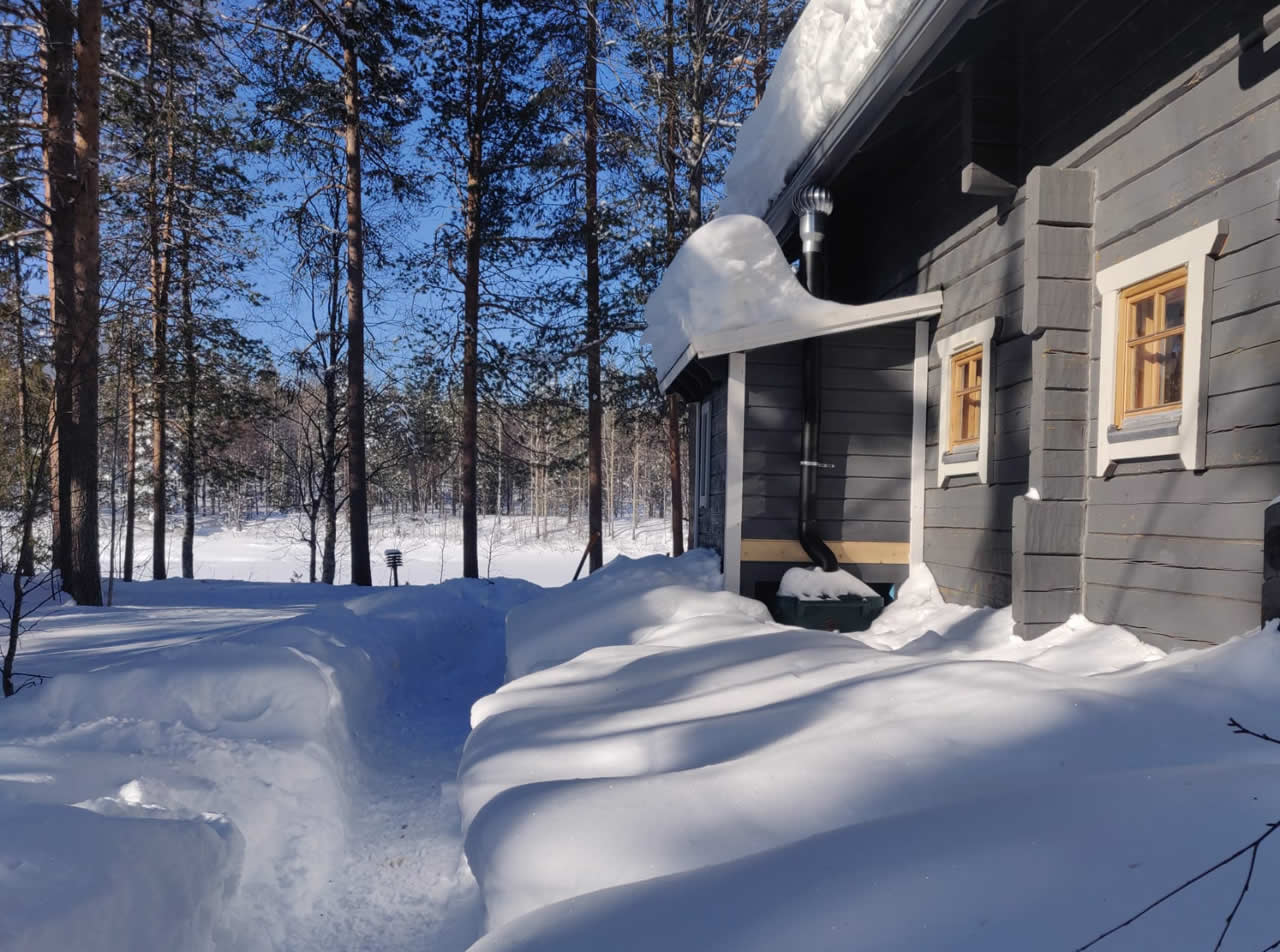
The unit itself is fine. There’s no water to freeze. The only thing that changes is the biological composting process: below freezing, microbial activity slows down or stops. Material accumulates a bit faster because it isn’t breaking down in real time. When temperatures come back up, composting resumes normally and the accumulated material works through.
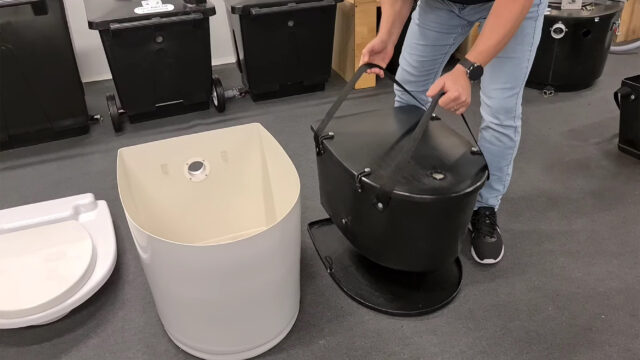
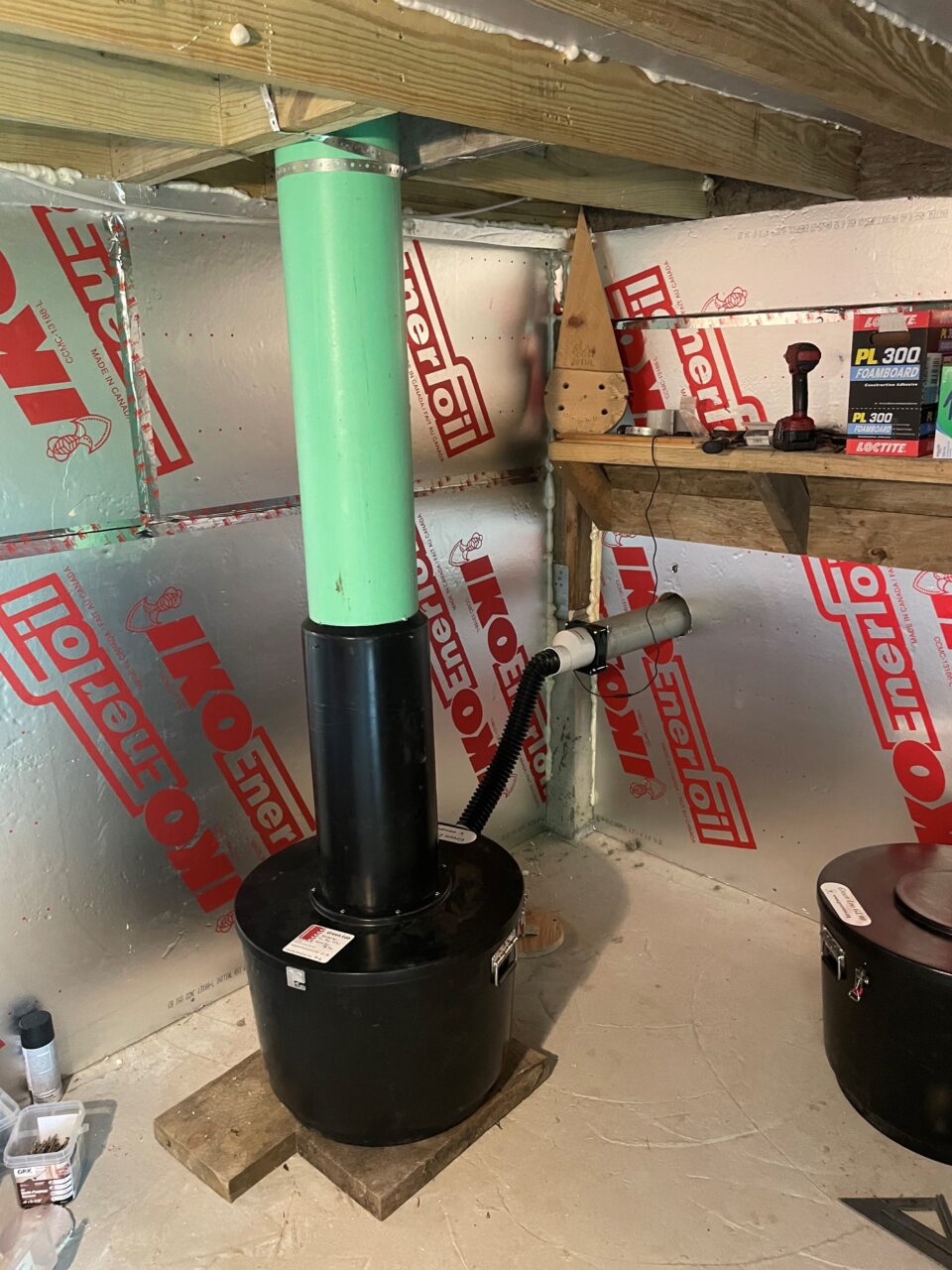
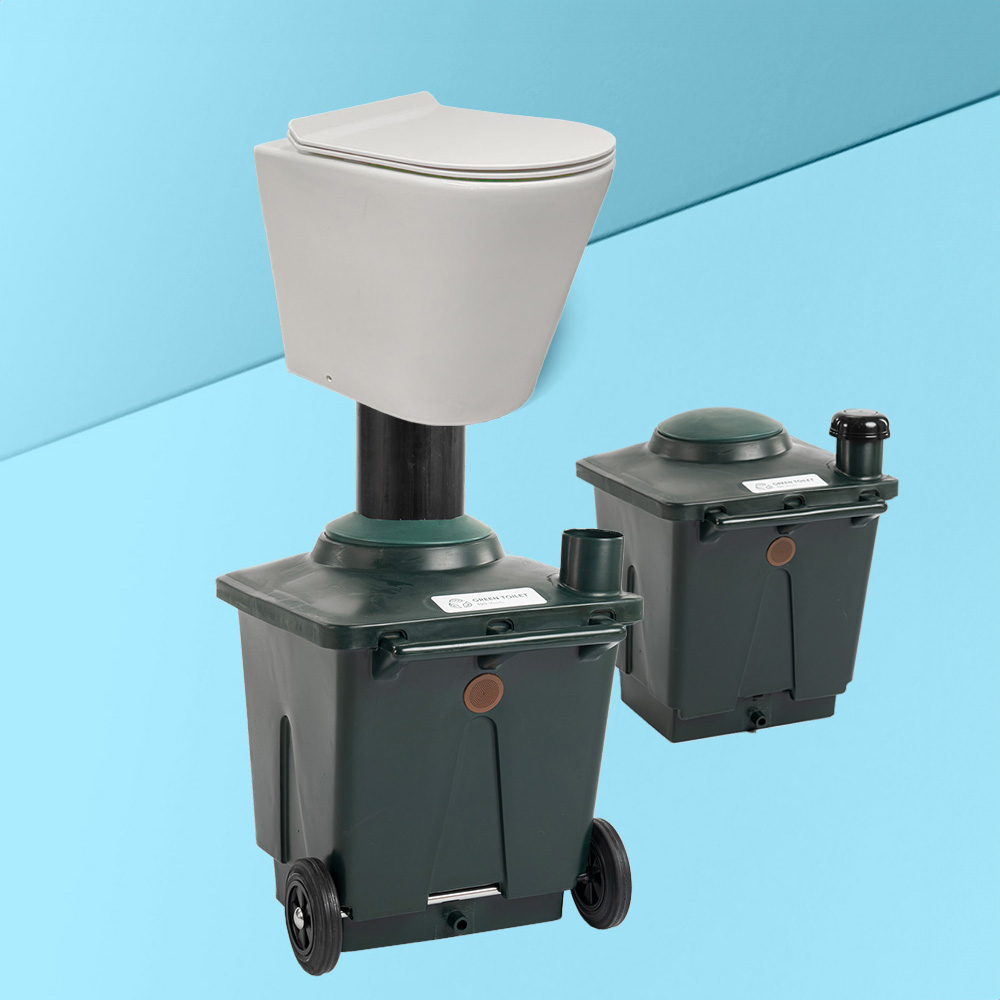
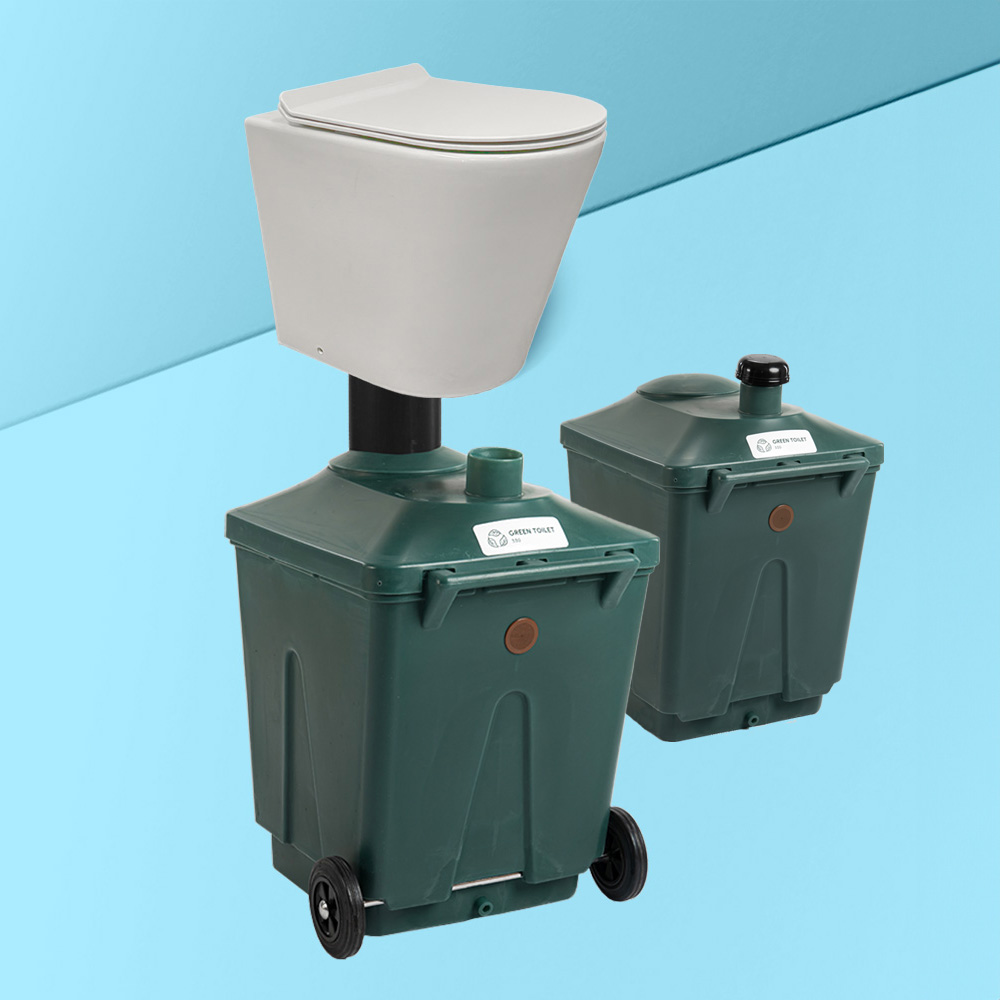
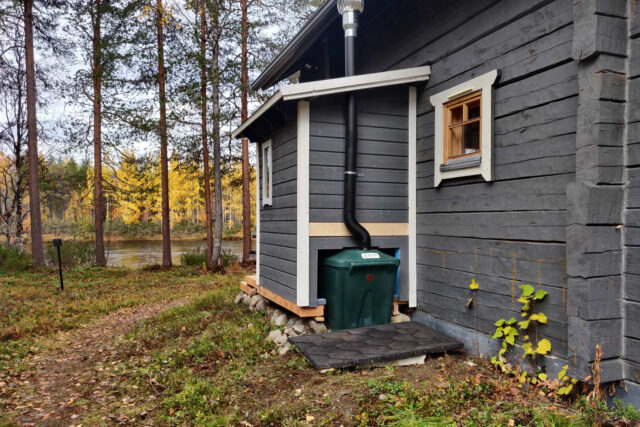
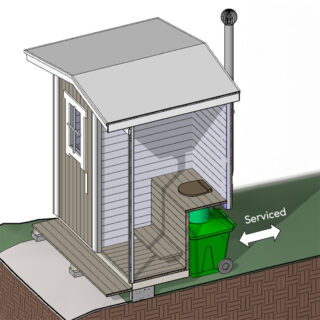
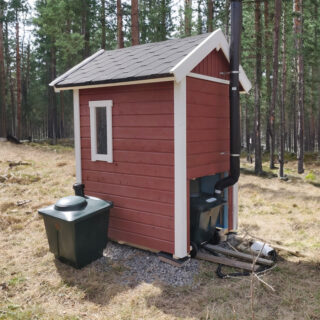
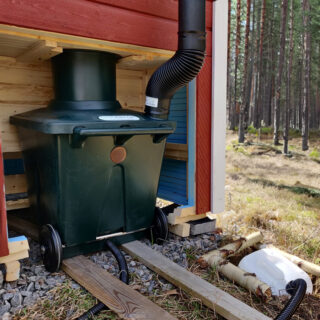
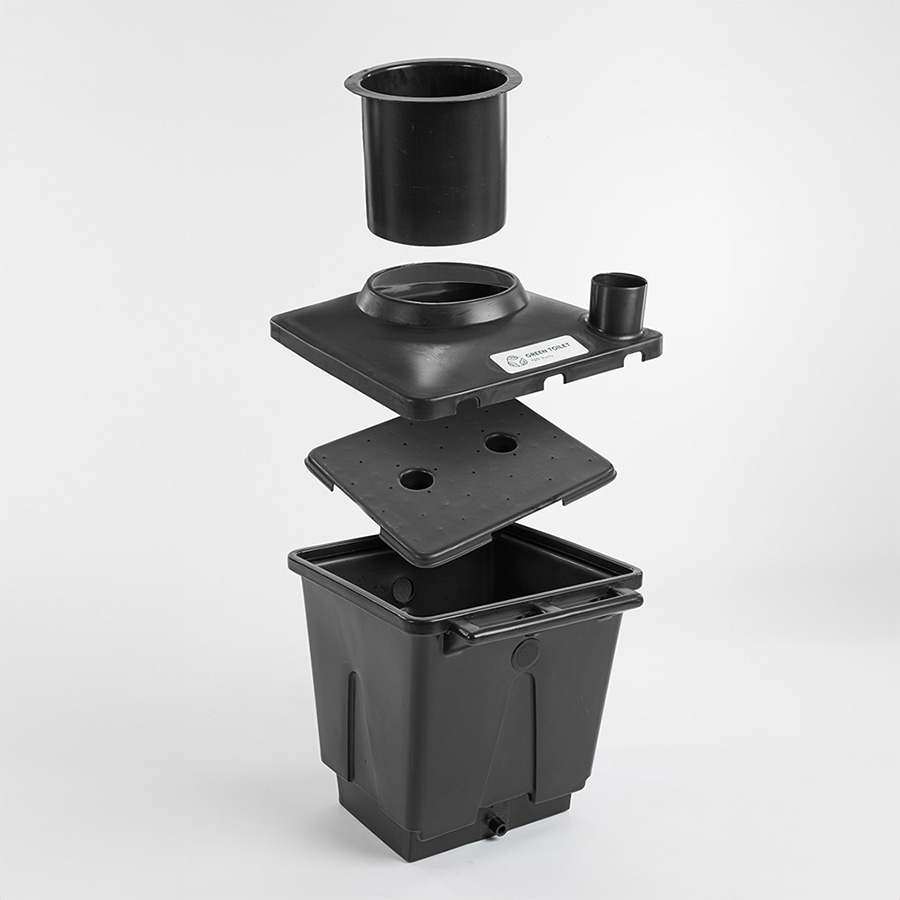
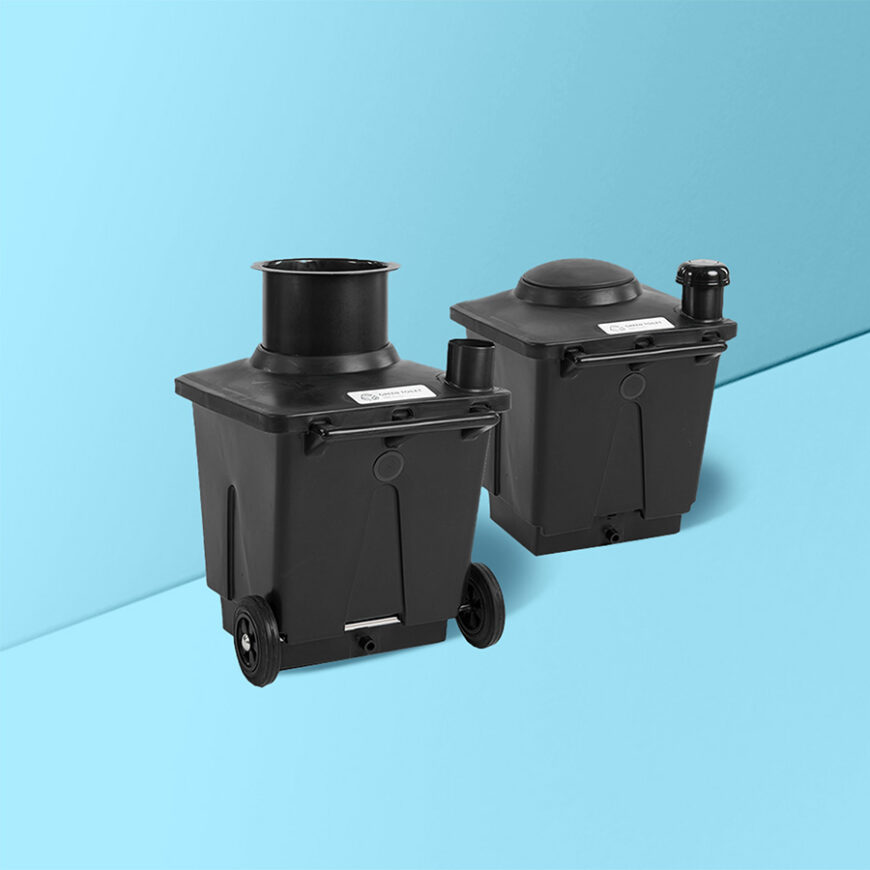
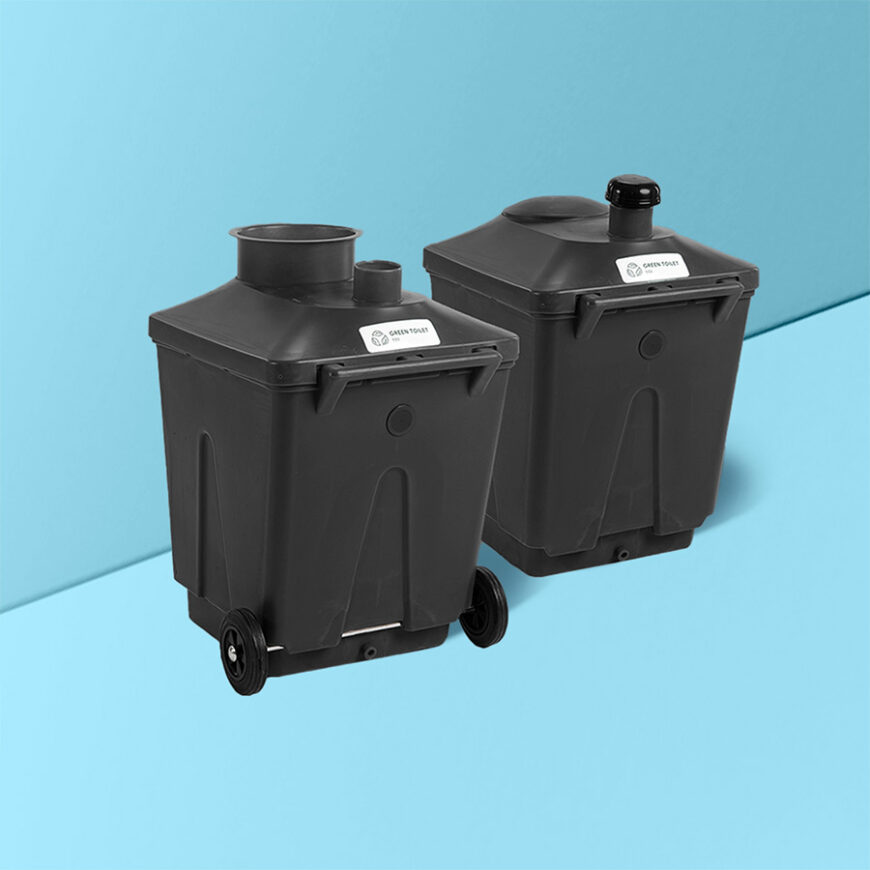
This isn’t a problem to solve — it’s how batch composting toilets are designed to work. The Green Toilet uses interchangeable composting containers: when one fills up, you swap in a spare, and the full container finishes composting on its own time. For year-round use in cold conditions, you may want one or two additional spare containers on hand so you always have capacity ready when it’s time to swap.
For seasonal use, nothing to think about. You’re not there in February anyway.
For year-round use, the same system works — you’ll just service the composting bins a bit more often through deep winter, and additional spare containers help keep things smooth. No heated bathroom required, no special vent routing, no supplemental heat near the container.
A practical advantage worth mentioning: no pipes to freeze, no septic tank to pump in February.
The Green Toilet is designed and manufactured in Finland — same climate as Maine, decades of cold-weather use behind it.
A short note on greywater
Even with a composting toilet, you might still need a legal way to dispose of greywater — sink, shower, and laundry water. Maine handles this under separate provisions of the same rules.
For most properties, this means a small greywater disposal field, much smaller and cheaper than a full septic system. Cost typically runs $2,000 – $10,000 depending on the site. Your site evaluator handles the design.
If you already have a working septic that the inspector says is failing, in many cases the existing field can continue handling greywater alone — extending its life by years. Worth asking about.
Comparing the main composting toilet options
Not every product marketed as a “composting toilet” actually composts. The most important distinction: does the system biologically treat the waste, or does it just collect it for you to deal with later? Both have their place, but they’re not interchangeable.
| System | Type | Treats waste? | Full-time capacity | Water use | Price | Maine approval |
|---|---|---|---|---|---|---|
| Green Toilet | Batch composting, split-system | Yes | 1–4 full-time* | Waterless | $$ | General Use (April 2026) |
| Sun-Mar Centrex / Excel | Continuous composting | Yes | 1–4 | Low-Flush | $$$ | General Use |
| Clivus Multrum | Large continuous composting | Yes | 4+ | Waterless | $$$$ | General Use |
| Separett Villa | Urine-diverting collection | No — collects only | 1–2 (limited) | Waterless | $$ | Not on the list |
| Nature’s Head | Urine-diverting collection | No — collects only | Part-time only | Waterless | $$ | Not on the list |
*Capacity is expandable. The Green Toilet is a batch composting system, so additional spare containers can be added to handle larger families, busier seasons, or commercial use. Practical capacity scales with the number of containers in rotation.
How to read this:
True composting toilets (Green Toilet, Sun-Mar, Clivus Multrum) biologically break down waste over time. The end product is stable, low-volume, and safe to handle. These are the systems designed for seasonal part-time use as well as for permanent residential use.
Urine-diverting collection toilets (Separett Villa, Nature’s Head, and similar) separate liquids from solids and store the solids in a sealed container — but they don’t actually compost the waste. They’re effectively well-engineered bucket systems with built-in venting. Useful for boats, RVs, vans, and weekend cabins where space is tight and someone is willing to handle waste removal frequently. Not a long-term solution for a primary residence or full-time off-grid home, because the capacity is fixed and need for frequent servicing.
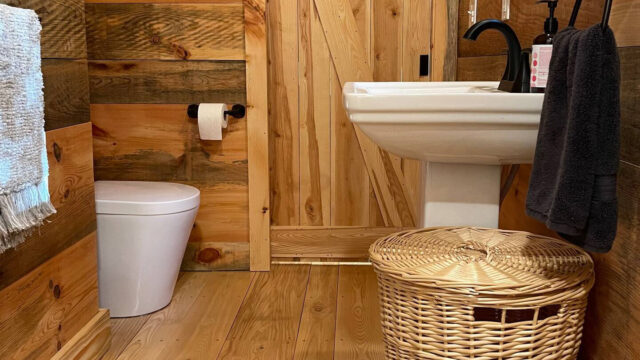
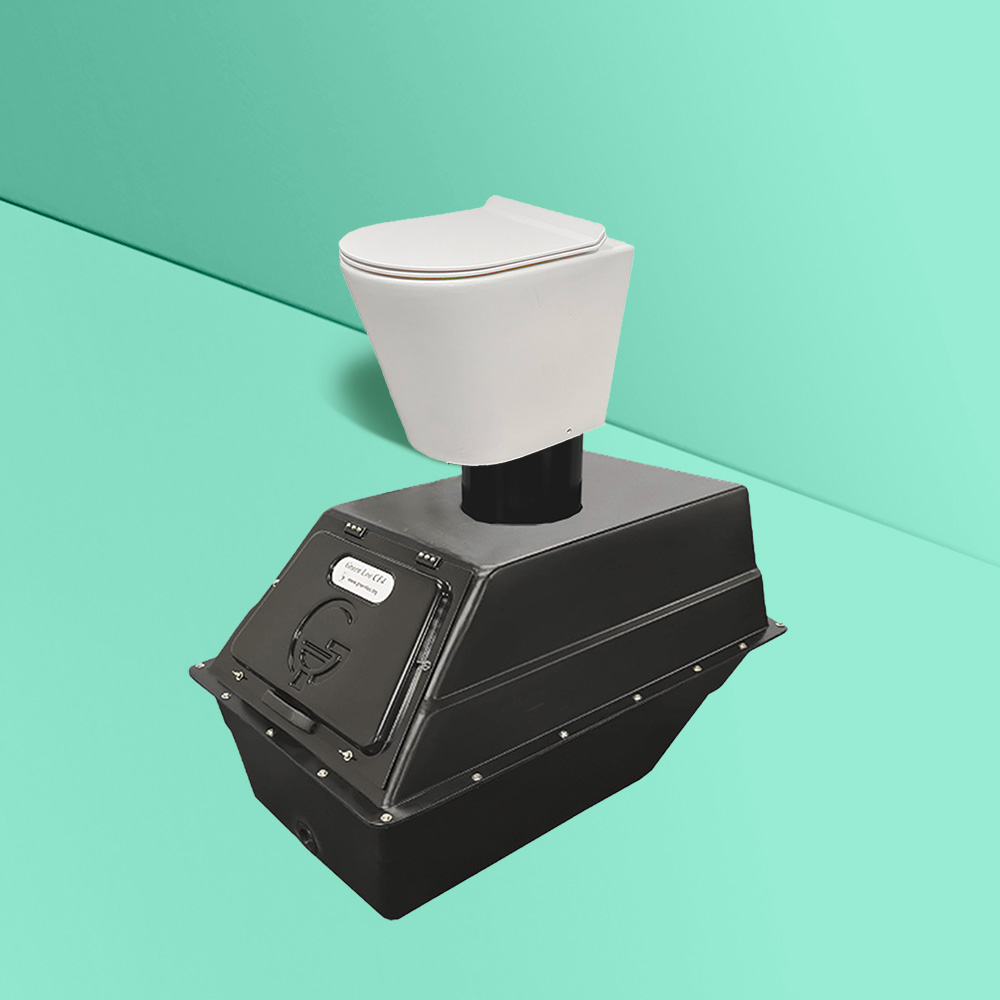
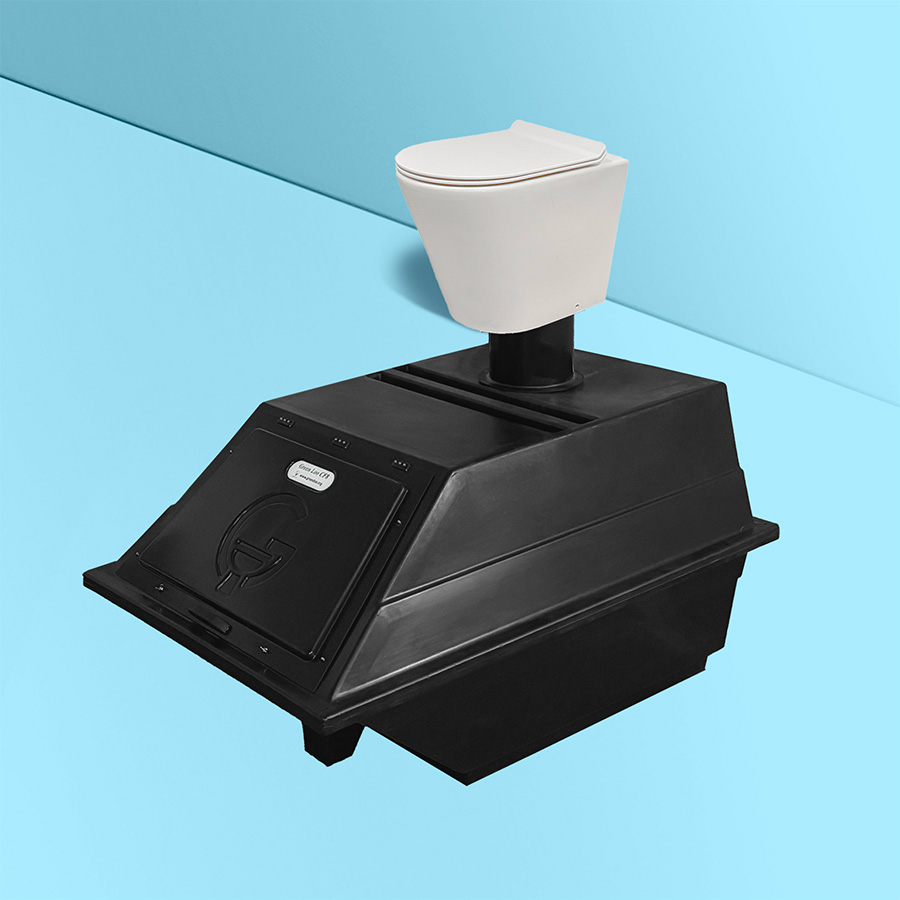
For a year-round Maine cabin, ADU, or primary residence, you want a true composting toilet — a system that actually treats the waste, not one that just collects it. Among the three true composting options mentioned above, the Green Toilet is the only one with actual porcelain toilet and batch composting design — meaning a single system can grow with a family, handle busy summer guest weeks, or scale to small commercial use without replacement.
Smaller and larger Green Toilet models exist in the same product line for different occupancy levels and underfloor-space constraints.
Quick answers
Do I have to use a state-listed product? Not necessarily, but it simplifies the permit review a lot.
Do I still need a septic system? No, but you do need a permitted way to handle greywater if waste water is produced from showers, kitchens and/or laundry machines.
Can I empty the contents on my own land? Maine’s rules require disposal in a “legal and sanitary manner.” Many homeowners compost on-site; some bury the finished material. Confirm with your LPI.
Will it hurt my home’s resale value? For cabins, ADUs, and off-grid properties — no, and it can help. For traditional suburban homes near sewer access, case-by-case. Proper permitting is what protects the value.
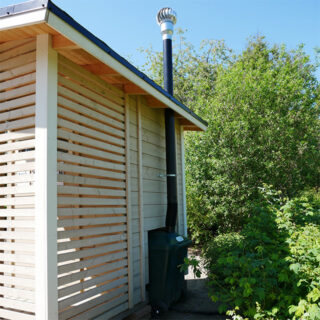
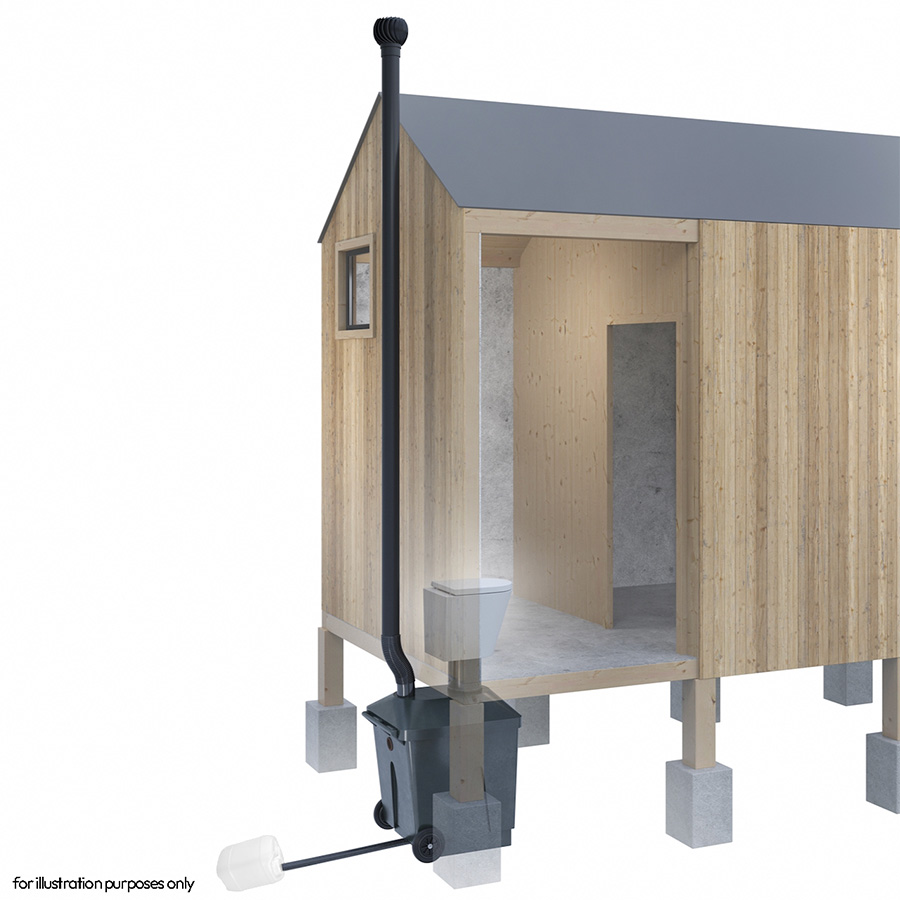
What about smell? Properly installed and ventilated, no. The vent stack moves air continuously. The composting toilet systems separate excess liquid from solid waste, which is essential in keeping the system odor-free. Learn more Urine Separation in Composting Toilets.
Getting started
Three steps that cost nothing:
1. Call your town’s Local Plumbing Inspector. They’ll tell you what your situation actually requires.
2. Get a sense of whether you need a site evaluator. Replacement projects often don’t.
3. If you’d like to talk through whether one of our systems is the right fit for your Maine property, contact us.
Who We Are
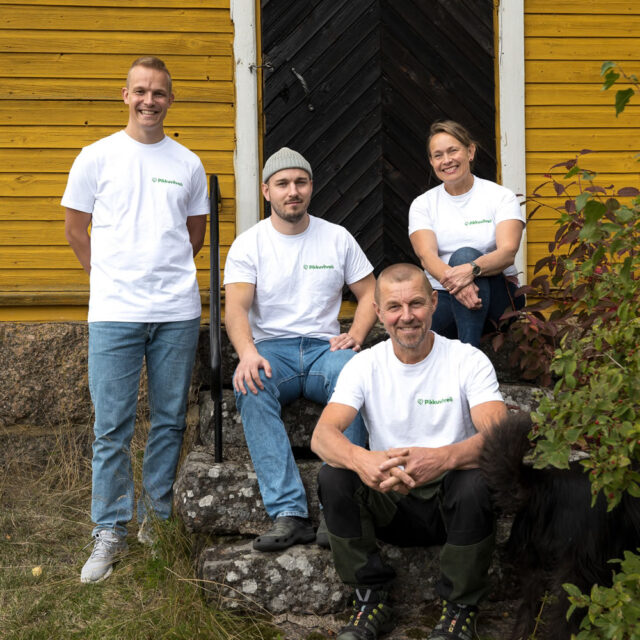
At Waterless Toilet Shop we are a dedicated team of dry toilet experts based in Henderson, Nevada. As a family-owned company with deep roots in Scandinavia and Australia, we bring a blend of global insights and local expertise to every product we create.
At Waterless Toilet Shop, we do more than just design and manufacture innovative composting toilets; we also use them daily. This hands-on experience allows us to continuously improve our products and ensure they meet the high standards of functionality and sustainability that our customers expect.
We are committed to living the eco-friendly principles we teach, making our solutions not just part of our business, but a part of our lives. Join us in embracing a more sustainable future, one flush at a time.
Read Our Story