Questions? Email Chat (702) 328 0689 Mon–Fri, 6 AM–2 PM Pacific

Menu

Help me chooseA few questions, then the toilets that fitAll toilets

Where will it go?

Accessories and spare parts
More places and uses
Shop by Type
Shop by Product

Premium waterless toilet systems

A real porcelain toilet in the bathroom, the composting unit below the floor.

Swappable bins

Single-chamber, fixed in place

Rotating bins

Floor-standing waterless toilets

Everything in one unit. No floor work needed.

Outhouse toilets

A container under a raised seat, or the complete Finnish Outhouse.

Pedestals & accessories

Porcelain pedestals, spare containers, dry cover material and more.

Toilet pedestals

Dry cover material

ArticlesFAQ Center

Ask an expert

We reply to emails within 1 business day. Phone: Mon–Fri, 6 AM–2 PM Pacific.

Shop by need

Composting Toilets for Tiny Houses

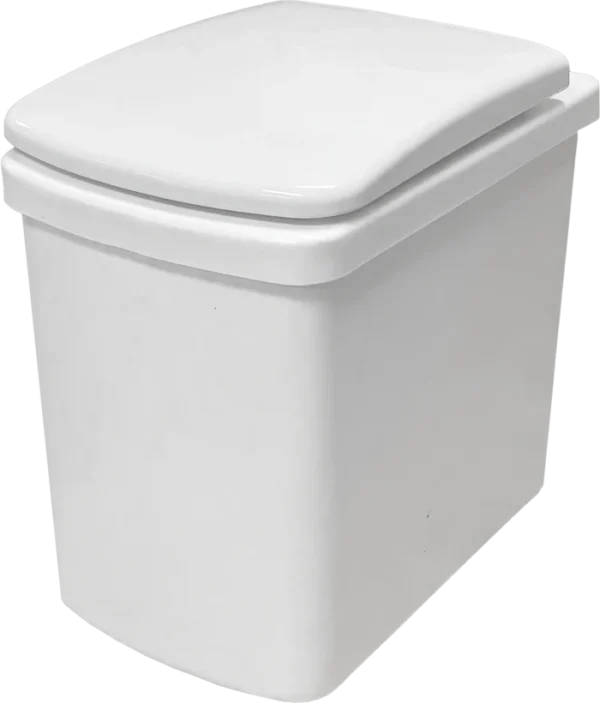
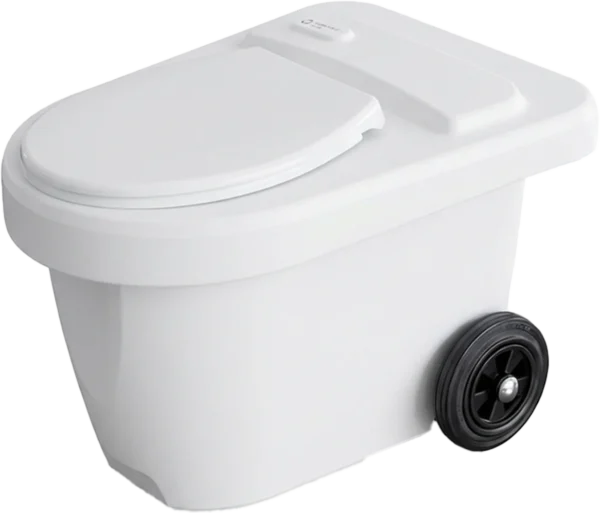
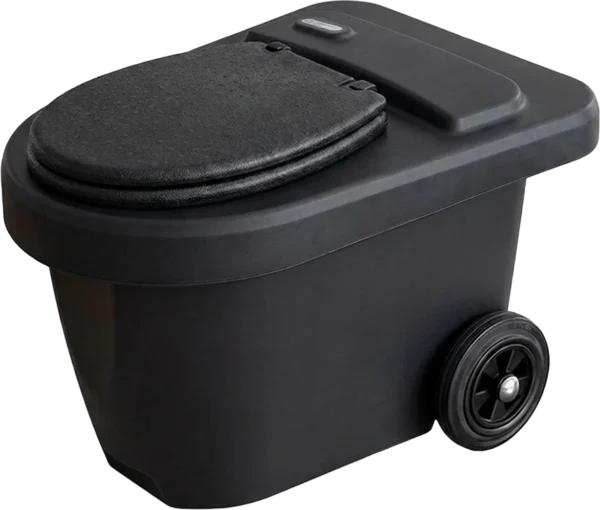
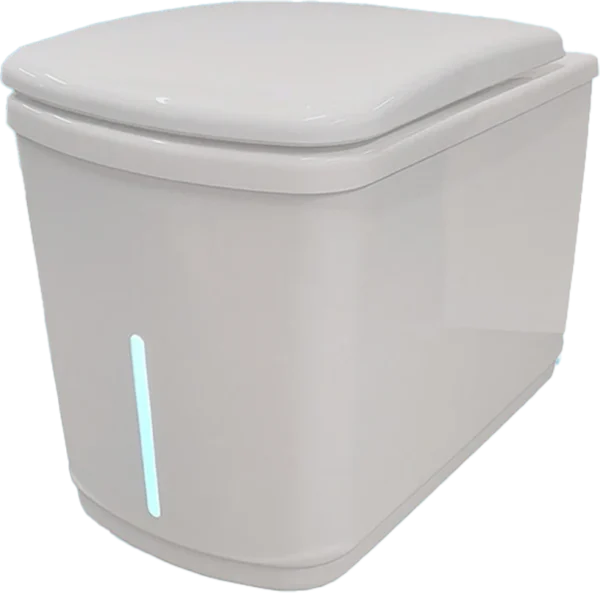
Waterless toilets that fit a tiny house: a porcelain toilet with the bin below, or a floor-standing unit.

Let's make the dream come true!

  • No water or sewer hookup
  • Under-floor or floor-standing
  • Small footprint options

15 toilets for tiny houses · from $749 · 5 brands

4.9 from 60 customer reviews

Find the one that fits

Start with where it goes. Every card lists the specs that decide fit.

Where does it go?

Showing 15 toilets

How to choose a tiny-house toilet

  1. Where it goes

    Under the floor with a porcelain toilet, under an outhouse bench, or floor-standing when there is no space below. That is the filter above.

  2. A vent keeps it odor-free

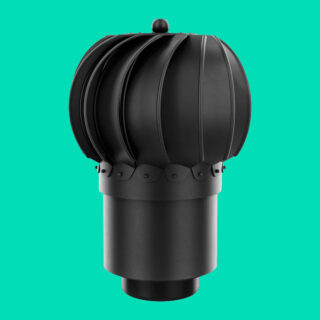
    Every toilet here vents out through a pipe. A fan or a Whirlybird keeps the air moving out, never into the room.

  3. Capacity grows with spare bins

    Swappable-bin systems take extra spare bins, so the number of users is a guide, not a limit.

Brands in this category

Also here: Green Toilet Light, RV Pod, Tiny-Pod, Oz-e-Pod.

What our customers say

See all customer reviews →

4.9
Based on 60 reviews
5
90
90%
4
5
5%
3
5
5%
2
0%
1
0%

Customer photos and videos

Image #1 from Kent
Image #2 from Kent
Image #3 from Kent
Image #4 from Kent
Image #5 from Kent
Image #6 from Kent
Image #7 from Kent
Image #8 from Kent
Image #9 from Kent
Image #1 from Michael M.
Image #1 from Kent

Kent

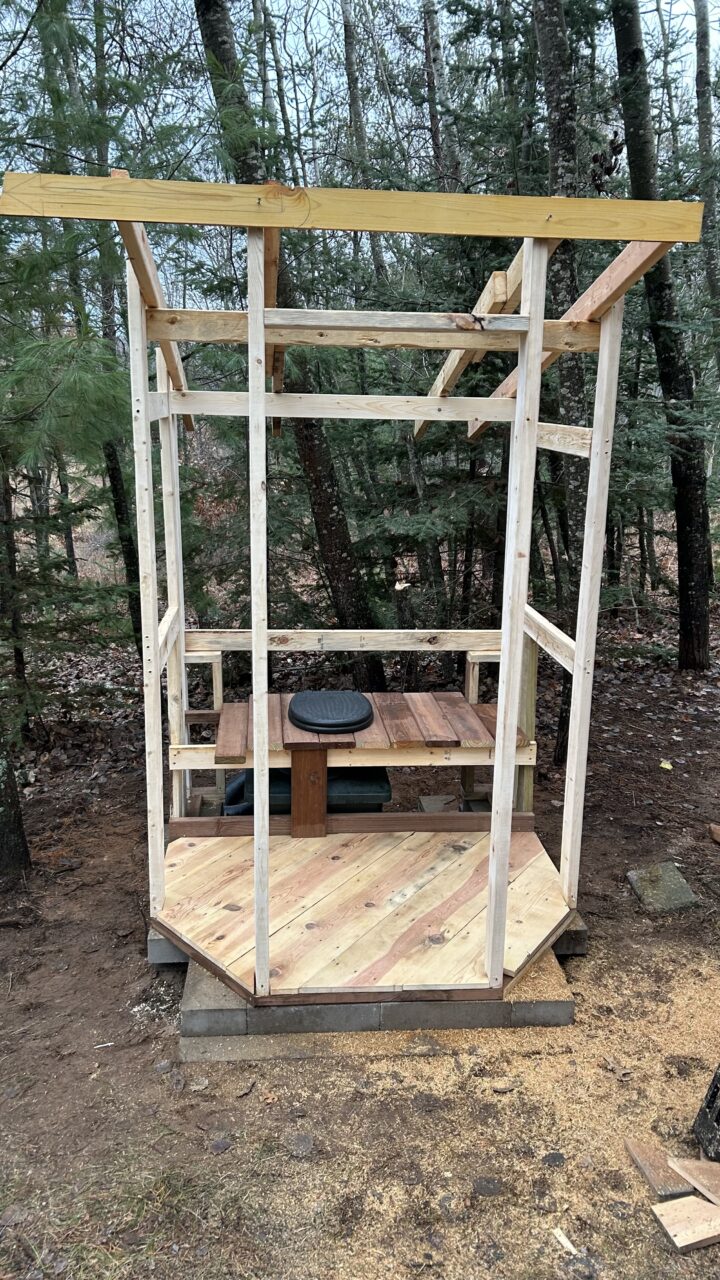
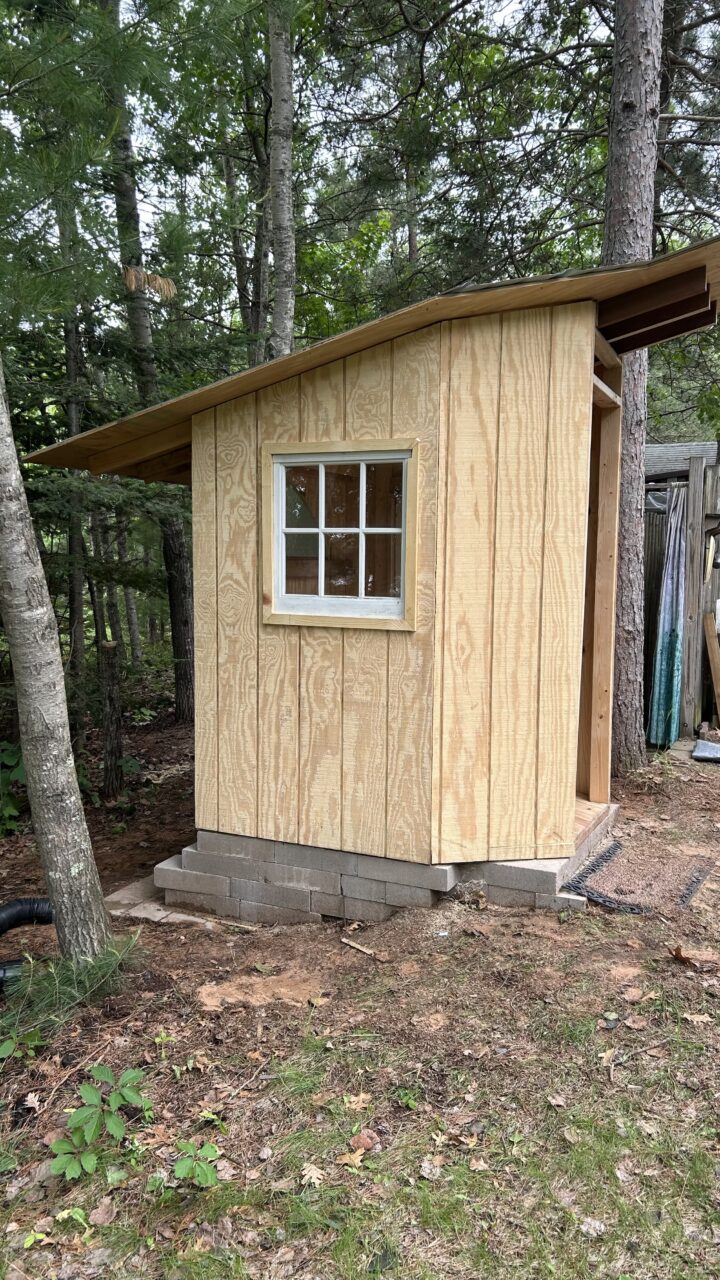
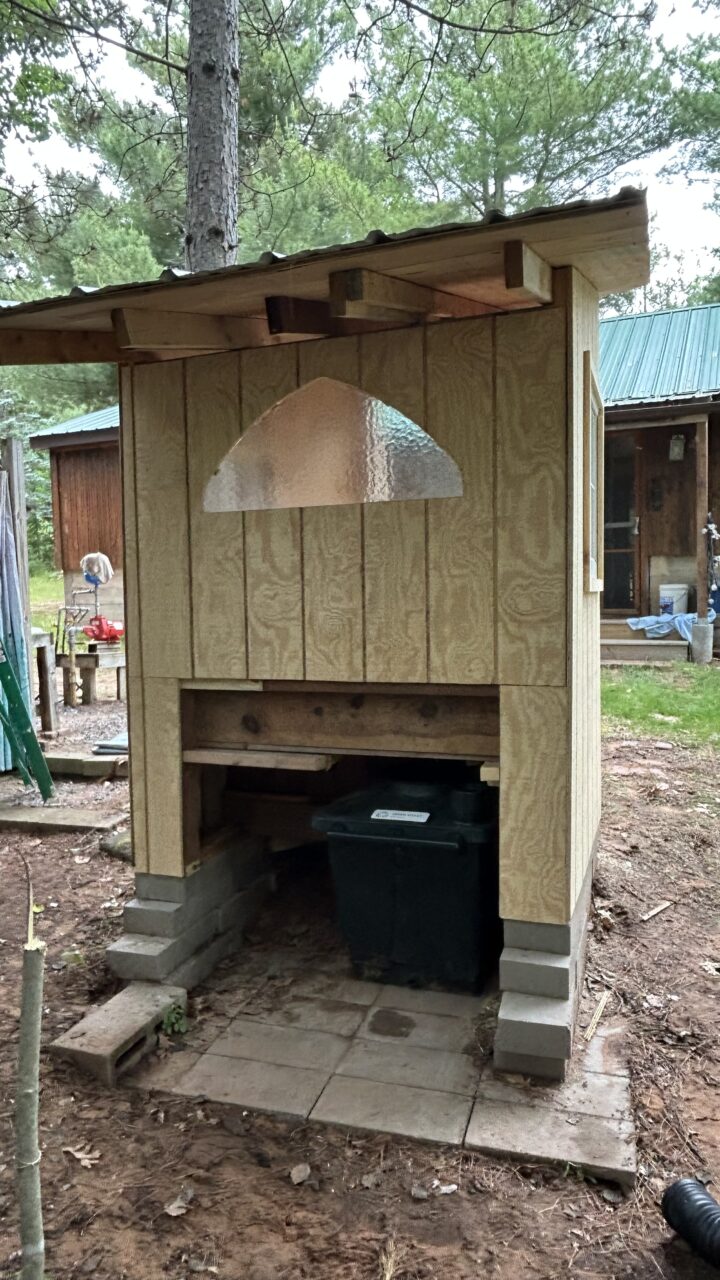
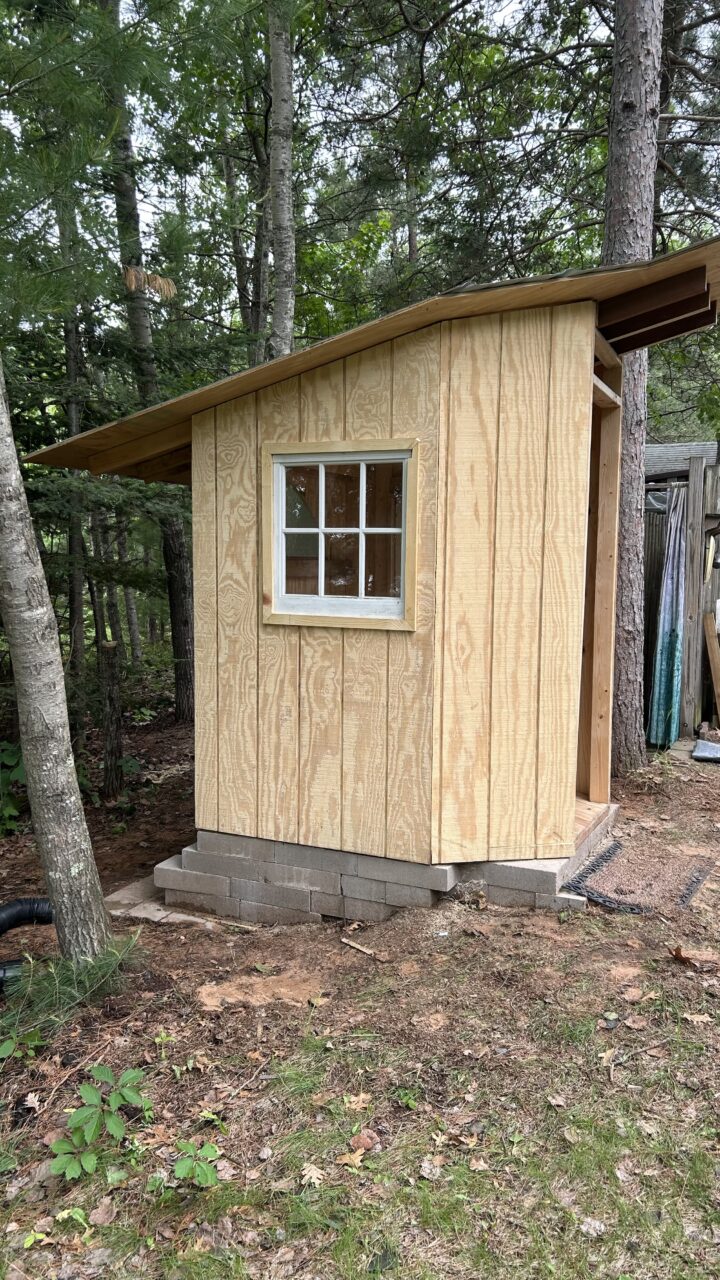
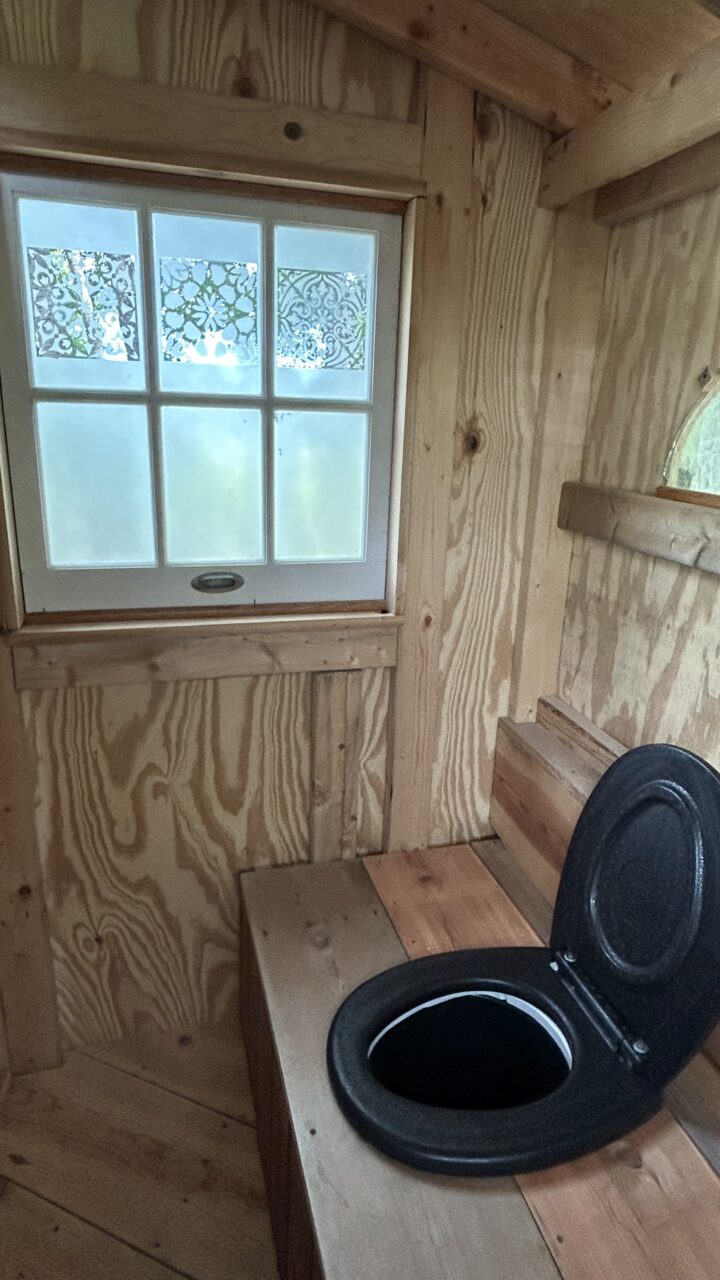
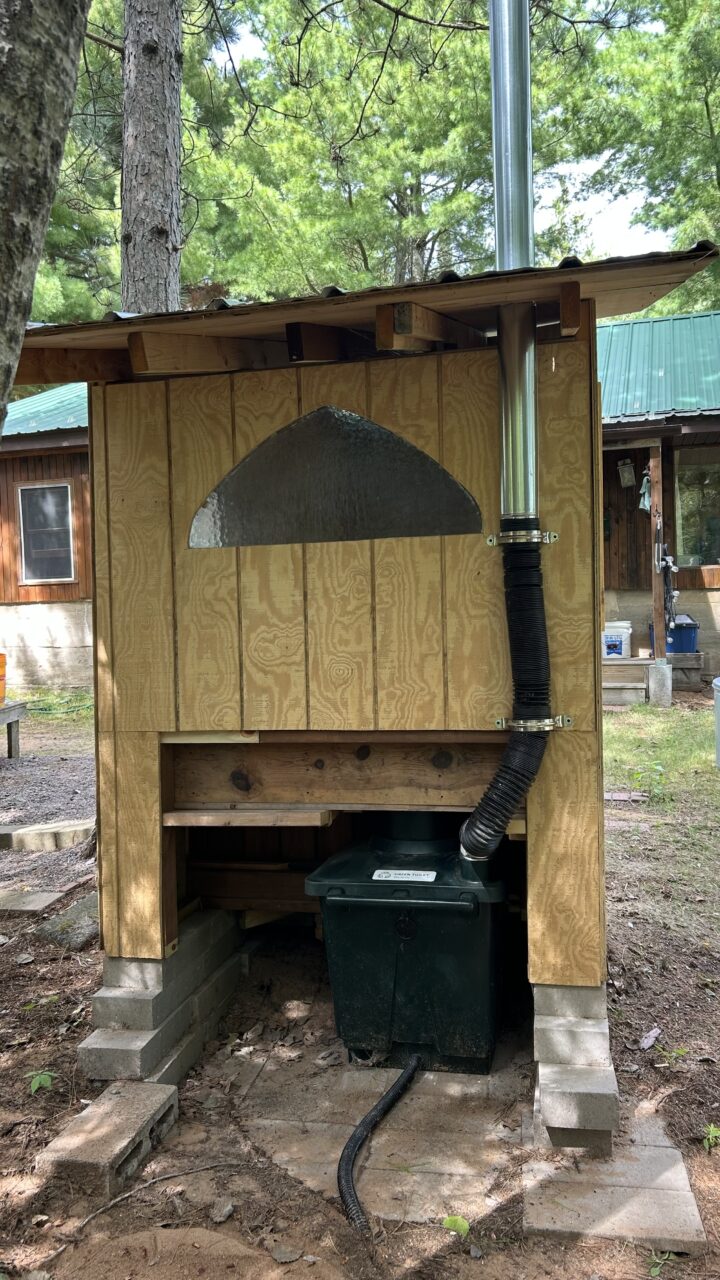
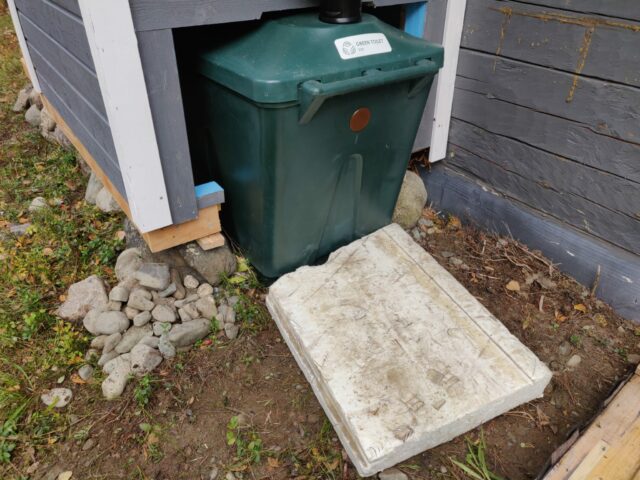
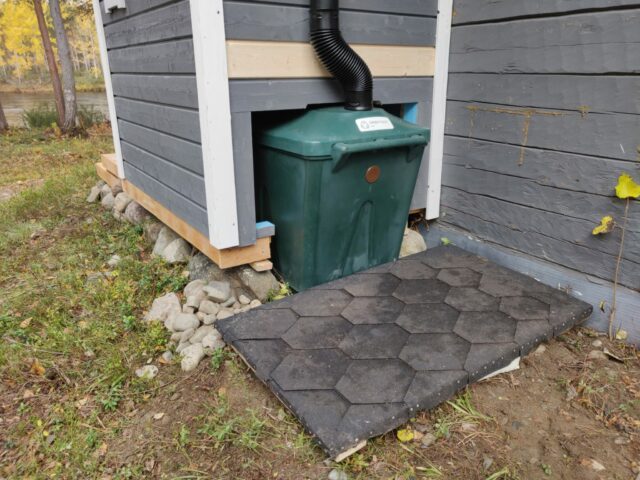
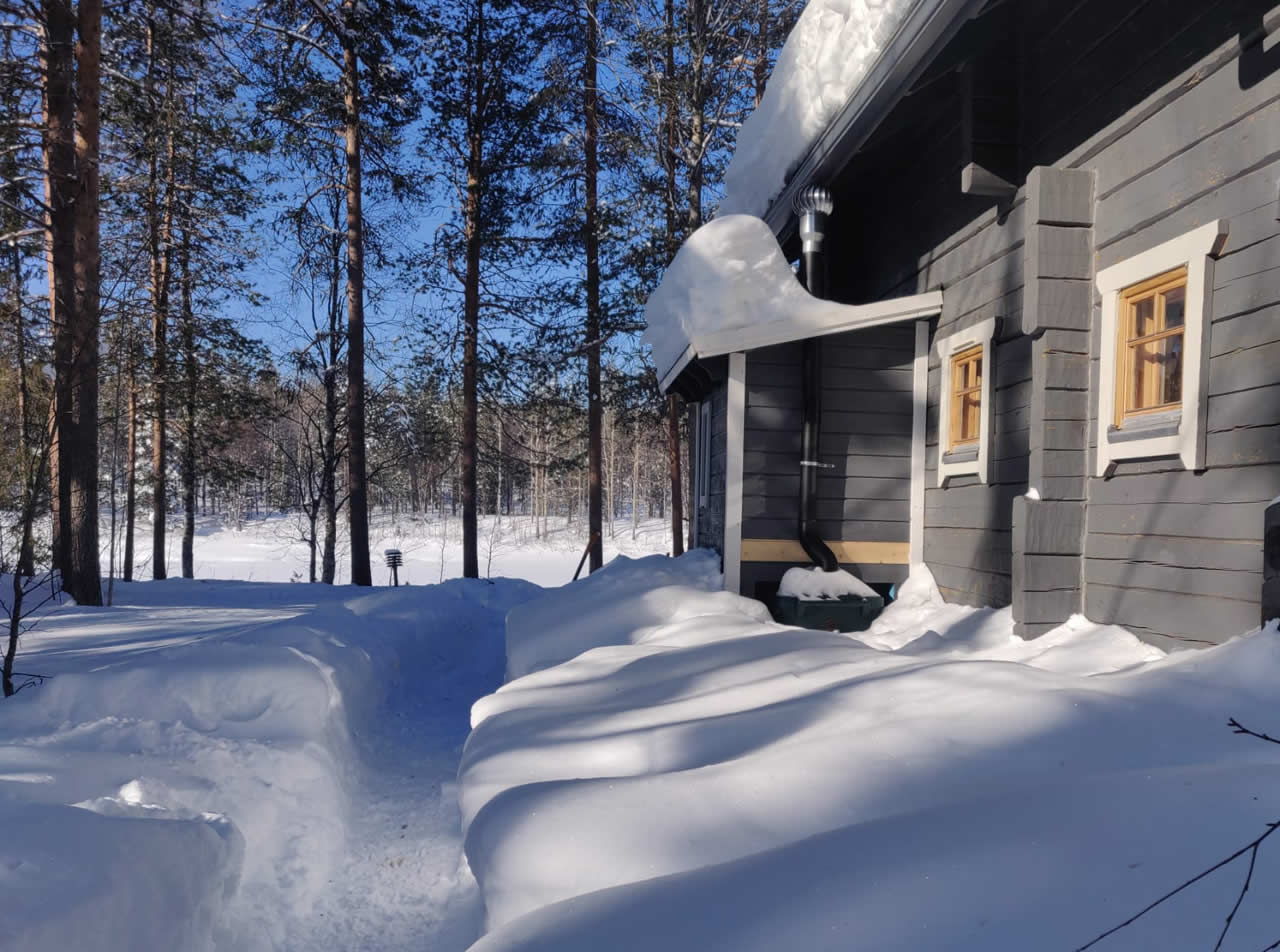
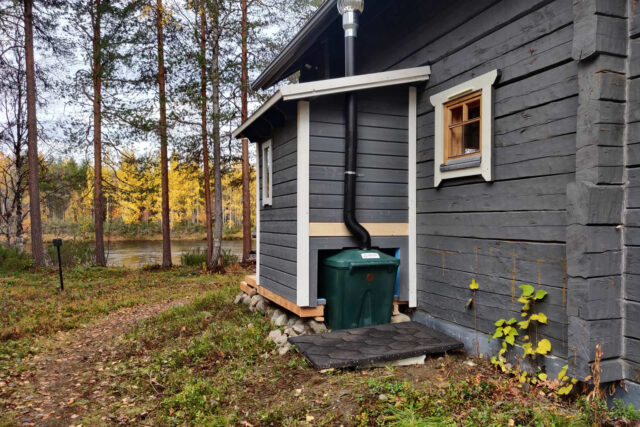
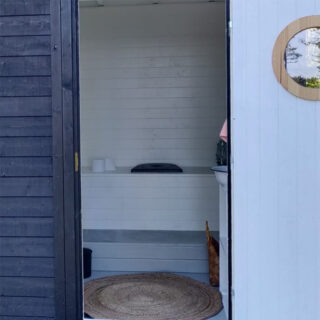
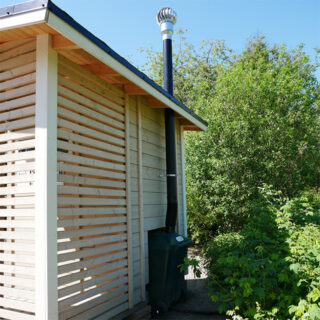
I recently finished my green toilet install. I modified the provided outhouse design to fit my site and aesthetic. Installation went well and we have been using it for 2 months. So far so good, with no odors!

Image #2 from Kent

Kent

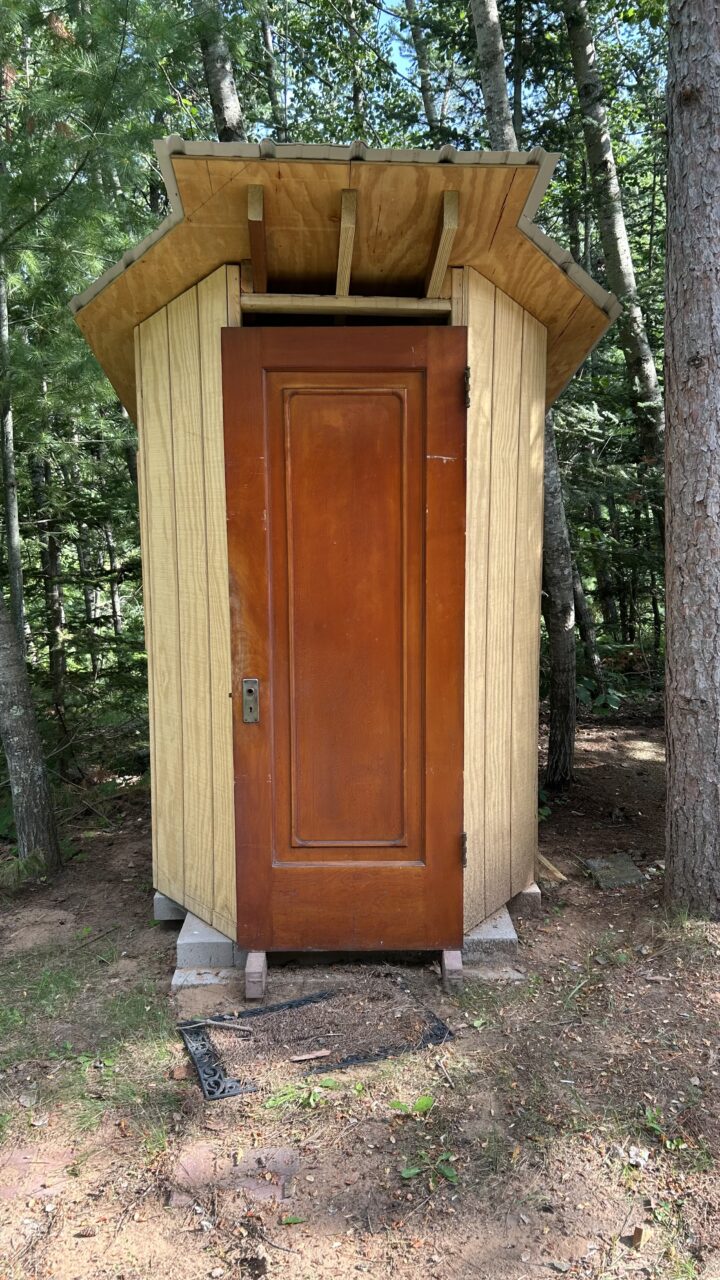
I recently finished my green toilet install. I modified the provided outhouse design to fit my site and aesthetic. Installation went well and we have been using it for 2 months. So far so good, with no odors!

Image #3 from Kent

Kent

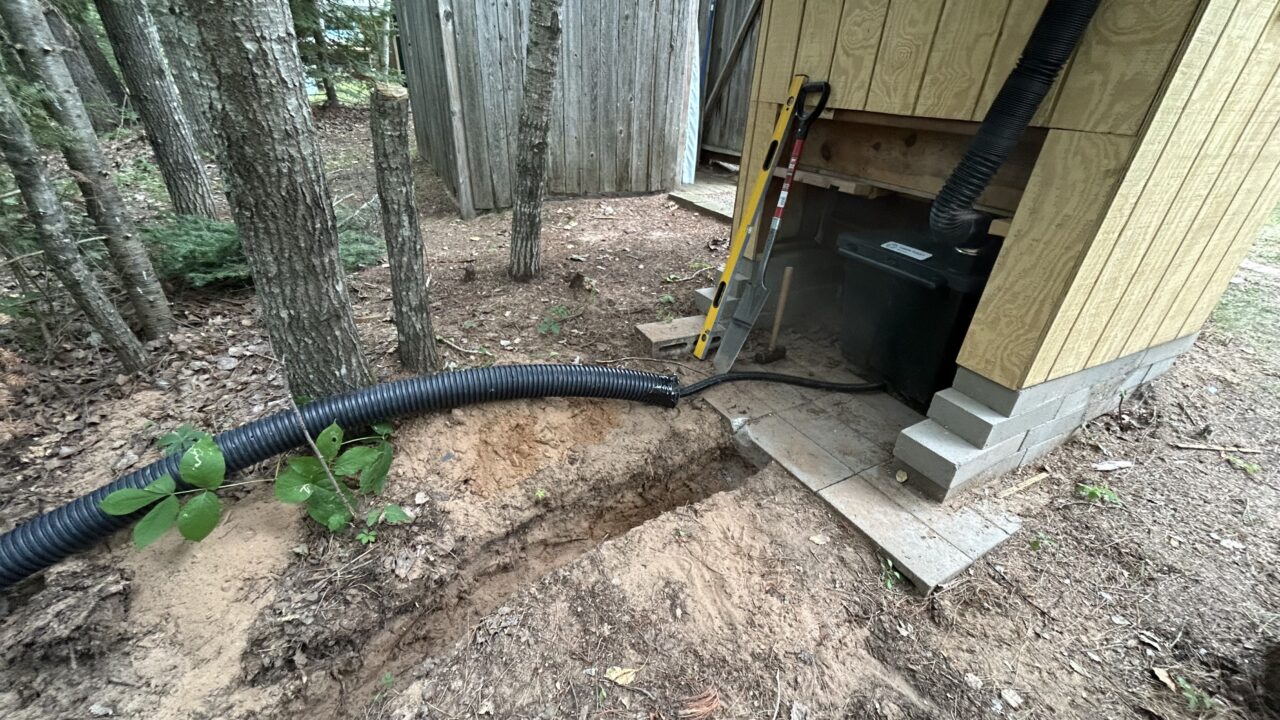
I recently finished my green toilet install. I modified the provided outhouse design to fit my site and aesthetic. Installation went well and we have been using it for 2 months. So far so good, with no odors!

Image #4 from Kent

Kent

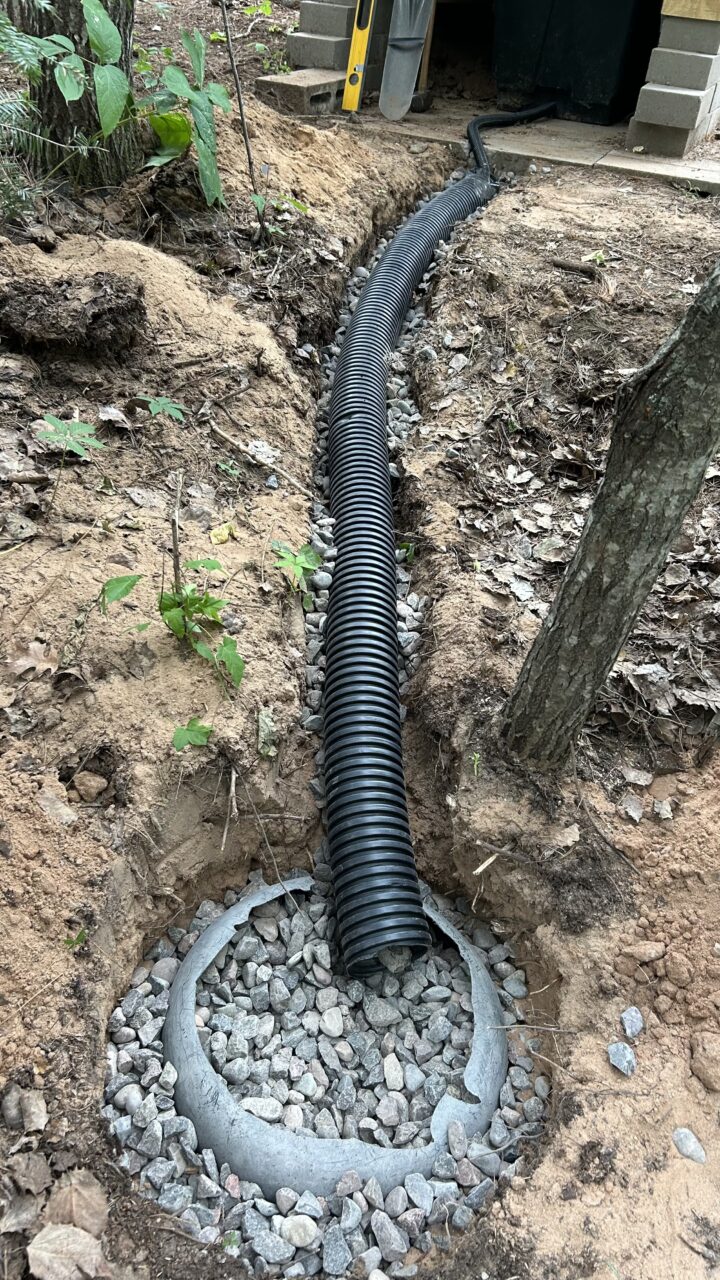
I recently finished my green toilet install. I modified the provided outhouse design to fit my site and aesthetic. Installation went well and we have been using it for 2 months. So far so good, with no odors!

Image #5 from Kent

Kent

I recently finished my green toilet install. I modified the provided outhouse design to fit my site and aesthetic. Installation went well and we have been using it for 2 months. So far so good, with no odors!

Image #6 from Kent

Kent

I recently finished my green toilet install. I modified the provided outhouse design to fit my site and aesthetic. Installation went well and we have been using it for 2 months. So far so good, with no odors!

Image #7 from Kent

Kent

I recently finished my green toilet install. I modified the provided outhouse design to fit my site and aesthetic. Installation went well and we have been using it for 2 months. So far so good, with no odors!

Image #8 from Kent

Kent

I recently finished my green toilet install. I modified the provided outhouse design to fit my site and aesthetic. Installation went well and we have been using it for 2 months. So far so good, with no odors!

Image #9 from Kent

Kent

I recently finished my green toilet install. I modified the provided outhouse design to fit my site and aesthetic. Installation went well and we have been using it for 2 months. So far so good, with no odors!

Image #1 from Michael M.

Michael M.

I wasn't sure what I was getting into with this toilet system but since it was the only option I had for my off grid cabin, I rolled the dice and I'm glad I did. Installation took me longer than it should have with trying to figure out the best method, but after that it was easy. I installed it in July and have visited the cabin every month since then. There have never been any foul odors and other than losing a toilet brush inside, it's been great. I highly recommend.

Image #1 from Kent
Image #2 from Kent
Image #3 from Kent
Image #4 from Kent
Image #5 from Kent
Image #6 from Kent
Image #7 from Kent
Image #8 from Kent
Image #9 from Kent
Image #1 from Michael M.
With media
1-6 of 60 reviews
  1. R

    See above. And assembly was considerably more difficult that we’d anticipated. My husband had to make several trips to Home Depot to buy bits and pieces. Still we think it will be an improvement on the more expensive composting system we had previously. No drum to rotate every day.

  2. R

    We’re hopeful, but it took so long to get the hole for the drainage dug in the rocky/rooty soil, we didn’t get to use it. Still have to hook up the electricity for the fan. Will try it next summer.

  3. K

    I recently finished my green toilet install. I modified the provided outhouse design to fit my site and aesthetic. Installation went well and we have been using it for 2 months. So far so good, with no odors!

    Image #1 from Kent
    Image #2 from Kent
    Image #3 from Kent
    Image #4 from Kent
    Image #5 from Kent
    Image #6 from Kent
    Image #7 from Kent
    Image #8 from Kent
    Image #9 from Kent
  4. JR

    This solved a problem that we were having trouble with. Worked perfect!

  5. MM

    I wasn’t sure what I was getting into with this toilet system but since it was the only option I had for my off grid cabin, I rolled the dice and I’m glad I did. Installation took me longer than it should have with trying to figure out the best method, but after that it was easy. I installed it in July and have visited the cabin every month since then. There have never been any foul odors and other than losing a toilet brush inside, it’s been great. I highly recommend.

    Image #1 from Michael M.
  6. LP

    First experience with a waterless toilet. Everything works as expected.
    I can’t provide pictures. The installation is in a high elevation, snowy location, that has already been winterized for the season.

Help me choose

Looking for a new waterless toilet?

9 short questions. No email needed to see your recommendations.

How many people would use the toilet?

A rough estimate of people using it per day. Occasional guests do not need counting if it is for private use.

* Choose "Public use" if you are providing off-grid restroom facilities for other than your own private use, or if more than ten people use it per day.

How will the toilet be used?

Year-round living puts far more through a toilet than weekends and holidays do.

Is the toilet used indoors or outdoors?
Is there clear space between the bathroom floor and the ground below?Cutaway close-up: a white porcelain toilet on a raised floor, with a black composting container on wheels in the open space directly below it.

Premium toilet systems put the composting container below the floor, so they need somewhere for it to sit - a crawl space, a basement, or an open space under a raised cabin.

Do you have electricity available at the site?

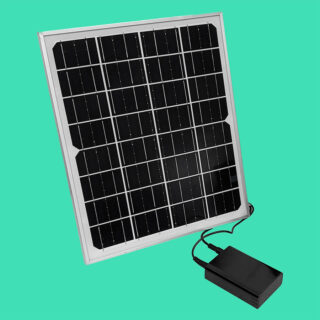
No toilet is ruled out by this. It decides whether you need a whirlybird or a solar kit to ventilate off-grid.

Where will the toilet be used?

It tells us how to answer you properly if you ask for a follow-up.

When do you need your toilet?

This does not change the recommendation. It helps us answer you at the right time.

Where will the toilet be located?

A ZIP code or a county is enough.

We collect location information to better understand regional trends, climate-specific needs, and preferences related to composting toilets. This helps us tailor our offerings, improve our support services, and advocate for sustainable solutions in different parts of the country. Your input contributes to valuable insights while remaining completely anonymous.

Would you like a personalised recommendation?

One of us reads your answers and replies with a specific suggestion. One message about this enquiry — no mailing list, no spam, never shared.

Common questions

Which waterless toilet works if I have no space under the floor?

In that case, you'll want one of our floor-standing models — the kind where everything, including all solid waste, stays inside the toilet's own bin right there in the bathroom, rather than in a separate bin below. We carry a good number of models built for exactly this.

Read the full answer →
Do waterless toilets smell?

Set up correctly, no — and usually far less than the conventional flush toilet you're used to. The mental image most people have is a porta-potty on a hot day, but a well-designed waterless toilet works on completely different principles, and odor control is built into how it functions.

Read the full answer →
Do waterless toilets need power?

Some do, some don't — and where they do, it's a very small amount. It's a fair thing to ask if you're going off-grid, and the honest answer is that power is never a barrier.

Most of our composting models run a small 12V extractor fan that keeps air moving and waste drying. It draws roughly 3W — little enough to run continuously off a modest solar setup or leisure battery without you ever noticing it on your power budget.

Read the full answer →

See all questions in the FAQ Center →

Tiny – yes, but comfortable!

Elevate your tiny house living with our range of composting toilets. At Waterless Toilet Shop, our composting toilets are designed to fit perfectly in smaller living spaces without sacrificing functionality or environmental responsibility. Waterless Toilet Shop brings you state-of-the-art composting toilets that are ideal for tiny home living.

Choosing the Right Model Based on Space Availability

When selecting a waterless toilet for your tiny house, it’s important to consider the space available under your toilet floor level.

Toilets For Tiny Houses with Under-Floor Space

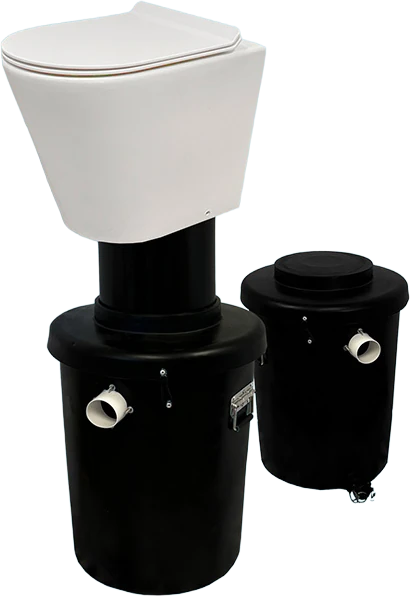
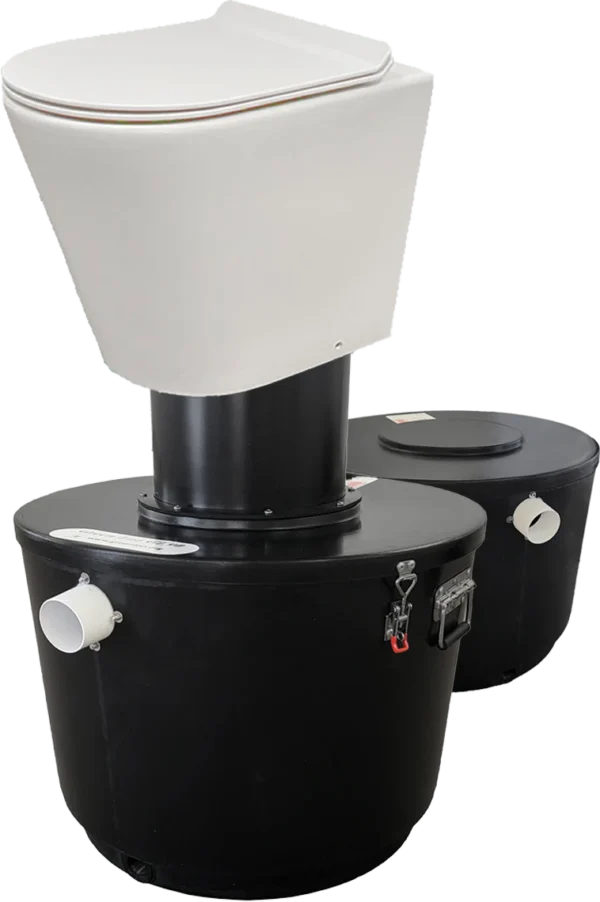
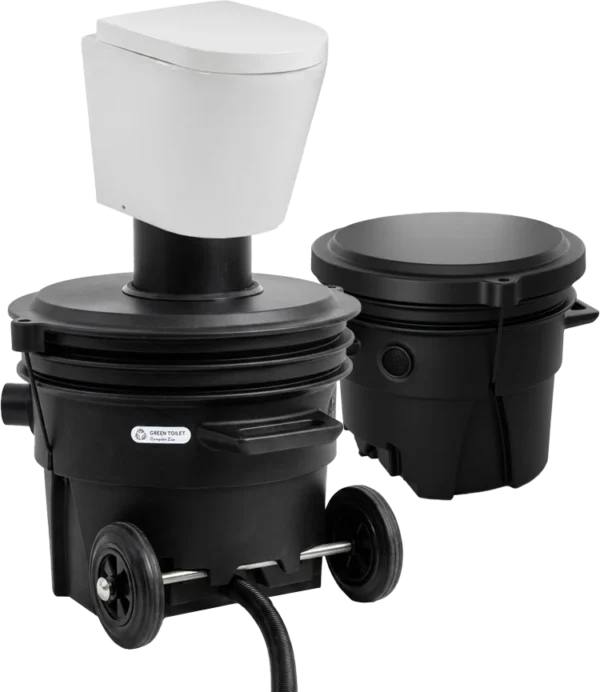
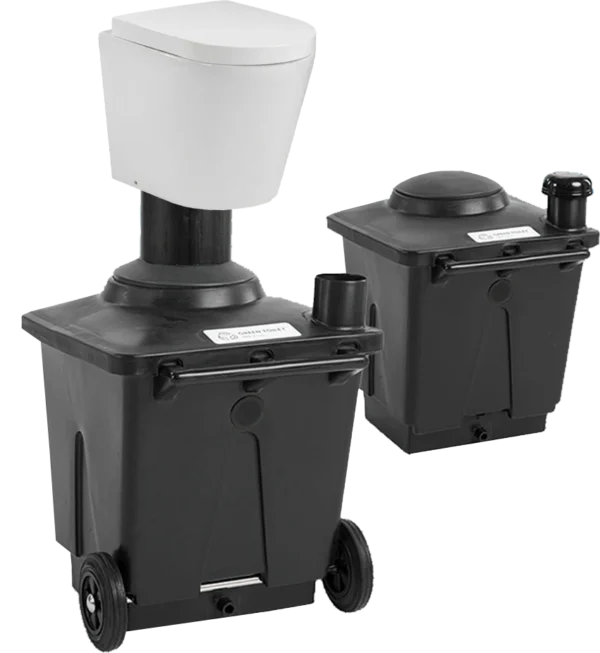
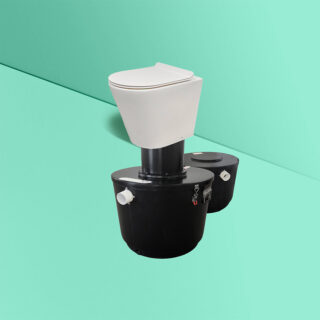
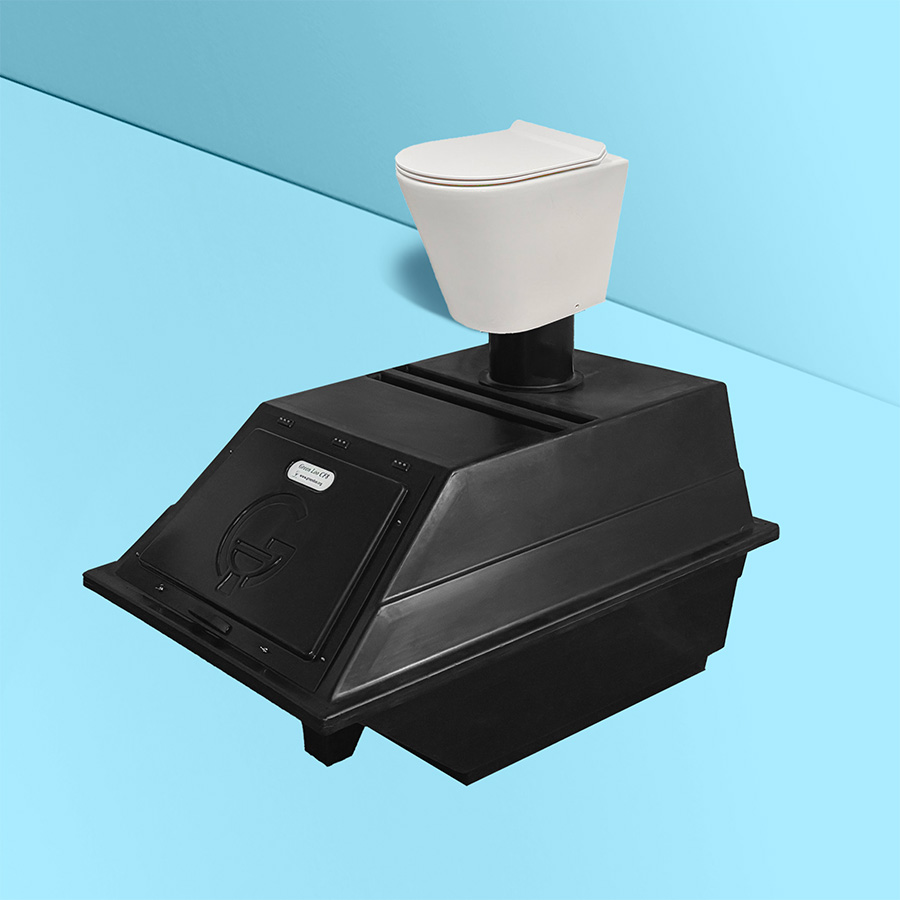
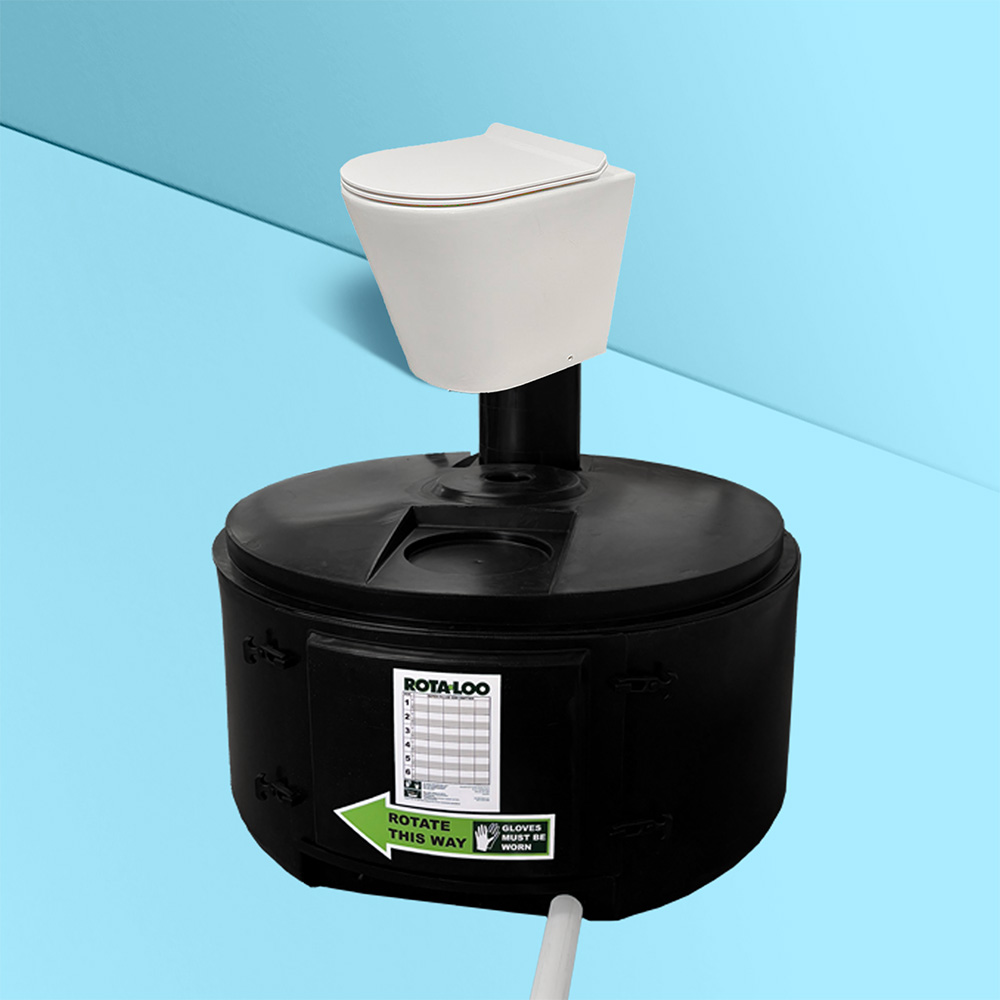
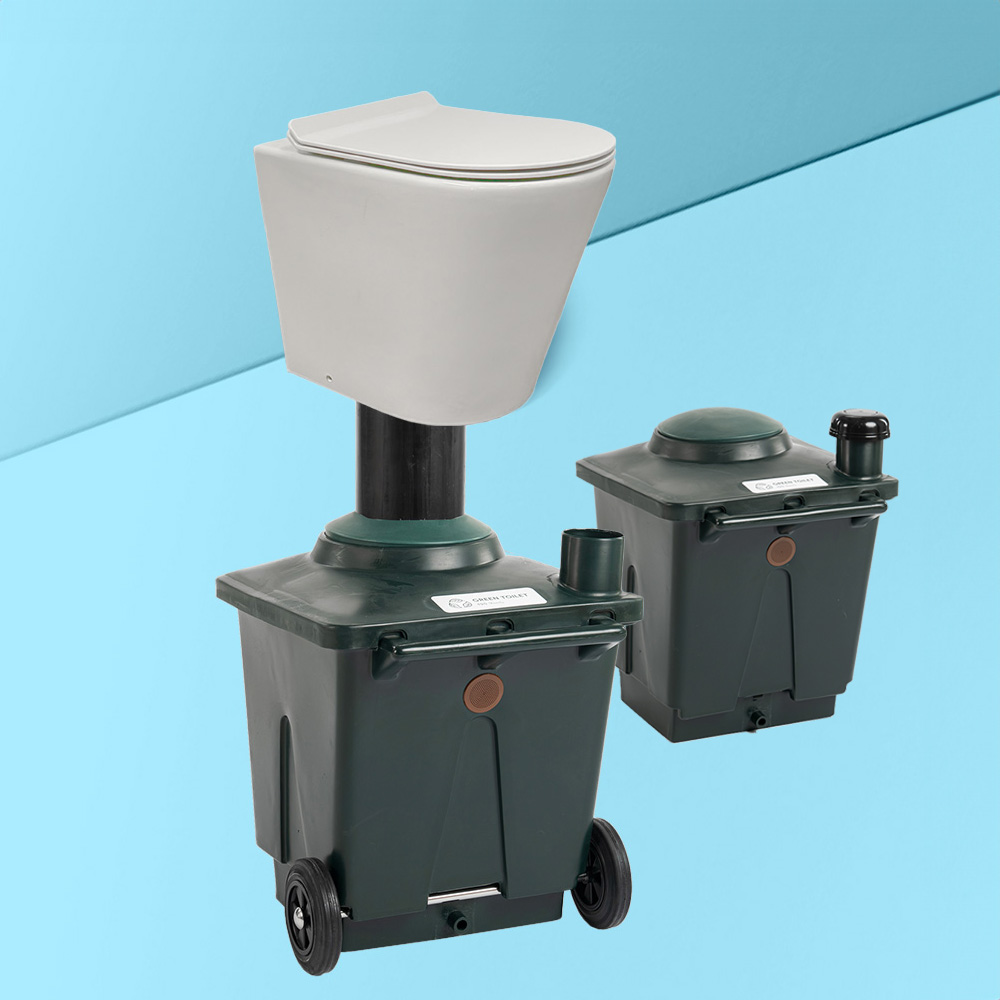
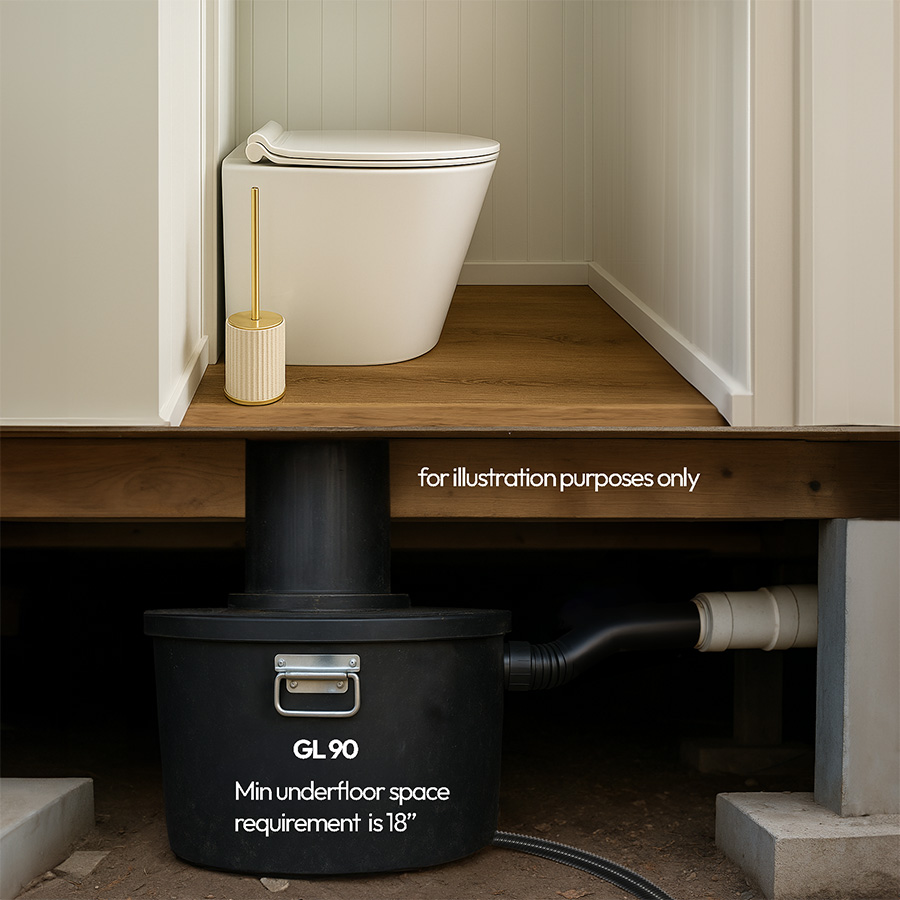
If your tiny house has space beneath the toilet floor level, consider our split system composting toilets such as the GL 90, Green Toilet Lux, or CF. These systems have separate composting units below floor-level, making them ideal for setups where additional under-floor installation is possible.
Toilets For Tiny Houses without Under-Floor Space

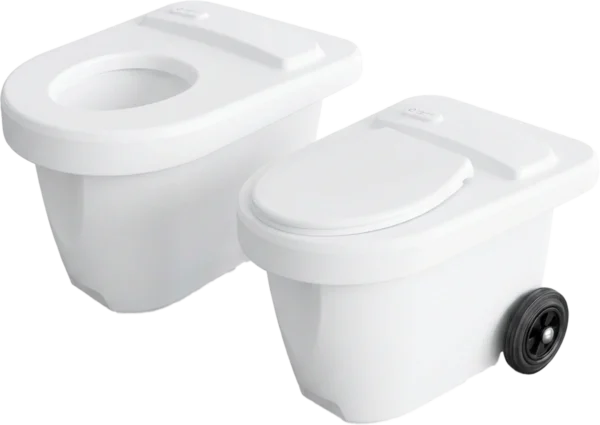
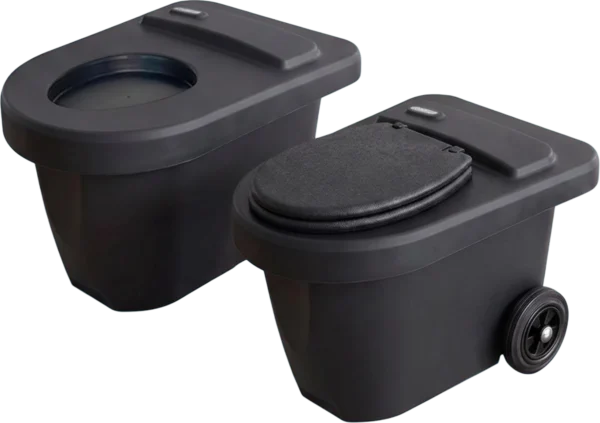
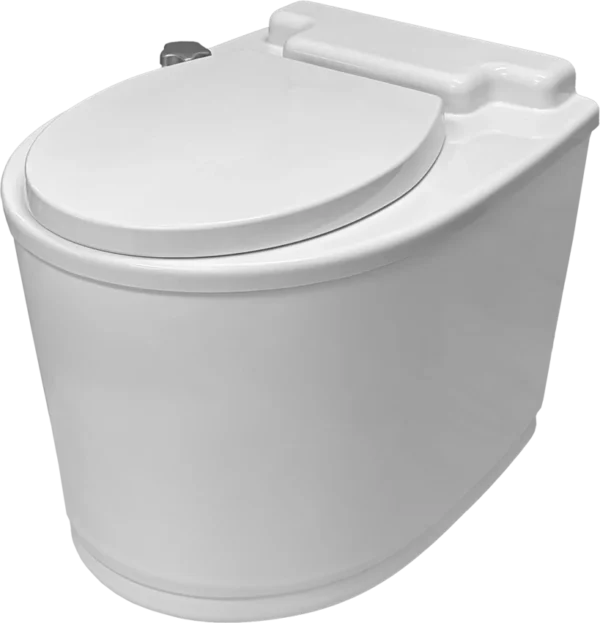
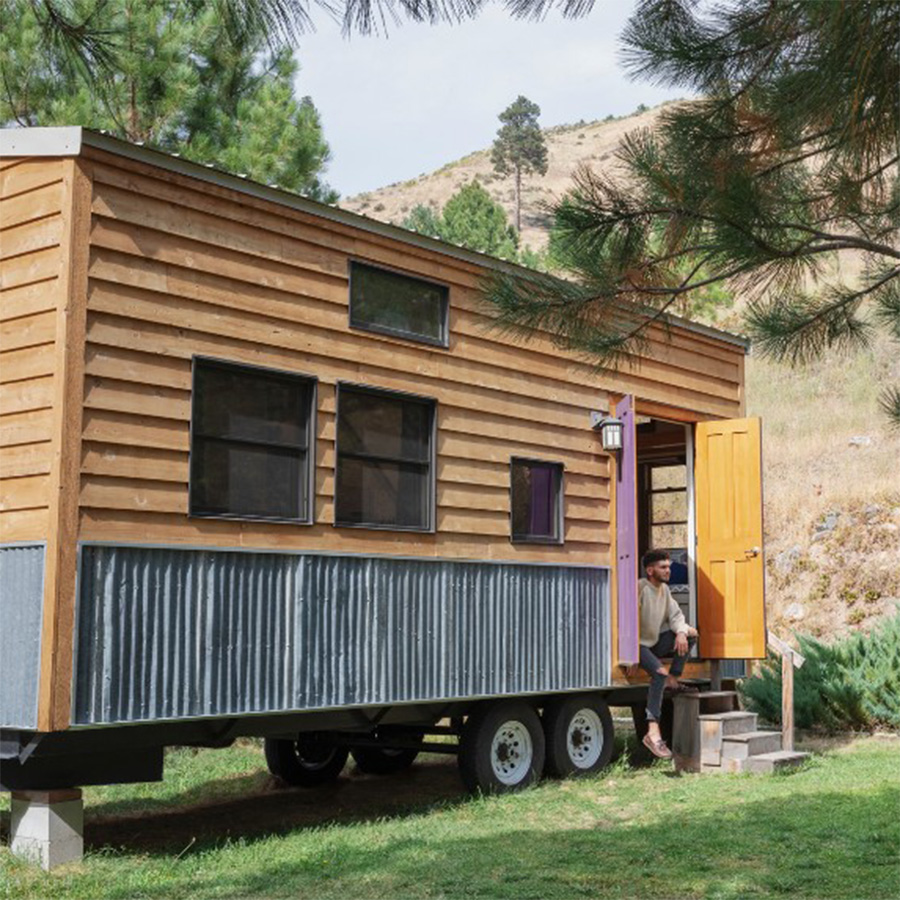
If your tiny house lacks space below the toilet area, a self-contained waterless toilet is the perfect solution. Models like our Oz-e-Pod, Green Toilet Light, Tiny-Pod, or RV-Pod are designed to fit within the toilet unit itself, offering convenience and ease of installation without the need for additional space.

tiny home without space below floor level

Why choose our waterless toilets for your tiny house?

  1. Long-lasting design: With minimal moving parts that could break in use. This also makes the toilets easy to be used by guests without any instructions.
  2. Odor-Free: Our advanced composting toilet designs ensure that our toilets operate totally odor-free and compost the waste efficiently.
  3. Extended service intervals: Many of our waterless toilets have tremendous capacity, which means that you do not have to service the toilet for months. Some toilet models can go even up to a year without a need for service.

Explore our selection today at Waterless Toilet Shop and find the perfect waterless toilet that allows you to live big in your tiny home.

There is so much better use for water than flushing!

Embrace sustainability with our waterless toilets, which are engineered to minimize environmental impact. These systems do not use water, thereby conserving precious resources and reducing your ecological footprint. Additionally, many of our models transform waste into compost that can be used as a fertilizer for example, further enhancing the sustainability of your tiny house.

Customizable options to suit every use case

Choose from a variety of models to match your specific requirements, whether you need a toilet for tiny home on wheels or a more permanent, feature-rich option for a stationary setup. Our products come with various capacities and maintenance features to ensure that they fit perfectly into your lifestyle and living conditions.

And do not forget that we are happy to help in choosing – free of charge of course! We know that there are many models and there is no one-size fits all type of solution. For all use cases there is the right type of waterless toilet and we can determine it together.

For more information about composting toilets and tiny houses, read our full guide.

Looking for a new waterless toilet?

9 short questions. No email needed to see your recommendations.

How many people would use the toilet?

A rough estimate of people using it per day. Occasional guests do not need counting if it is for private use.

* Choose "Public use" if you are providing off-grid restroom facilities for other than your own private use, or if more than ten people use it per day.

How will the toilet be used?

Year-round living puts far more through a toilet than weekends and holidays do.

Is the toilet used indoors or outdoors?
Is there clear space between the bathroom floor and the ground below?Cutaway close-up: a white porcelain toilet on a raised floor, with a black composting container on wheels in the open space directly below it.

Premium toilet systems put the composting container below the floor, so they need somewhere for it to sit - a crawl space, a basement, or an open space under a raised cabin.

Do you have electricity available at the site?

No toilet is ruled out by this. It decides whether you need a whirlybird or a solar kit to ventilate off-grid.

Where will the toilet be used?

It tells us how to answer you properly if you ask for a follow-up.

When do you need your toilet?

This does not change the recommendation. It helps us answer you at the right time.

Where will the toilet be located?

A ZIP code or a county is enough.

We collect location information to better understand regional trends, climate-specific needs, and preferences related to composting toilets. This helps us tailor our offerings, improve our support services, and advocate for sustainable solutions in different parts of the country. Your input contributes to valuable insights while remaining completely anonymous.

Would you like a personalised recommendation?

One of us reads your answers and replies with a specific suggestion. One message about this enquiry — no mailing list, no spam, never shared.

Frequently asked questions

In that case, you’ll want one of our floor-standing models — the kind where everything, including all solid waste, stays inside the toilet’s own bin right there in the bathroom, rather than in a separate bin below. We carry a good number of models built for exactly this.

Read the full answer →

Some do, some don’t — and where they do, it’s a very small amount. It’s a fair thing to ask if you’re going off-grid, and the honest answer is that power is never a barrier.

Most of our composting models run a small 12V extractor fan that keeps air moving and waste drying. It draws roughly 3W — little enough to run continuously off a modest solar setup or leisure battery without you ever noticing it on your power budget.

Read the full answer →

This depends a fair bit on your toilet model and how much liquid waste you’re producing. For a typical household of five people or fewer, output is often somewhere in the range of a quarter gallon to two and a half gallons a day — it varies a lot with climate (warmer vs. colder) and how much compost is already in the bin, since a fuller bin gives the liquid more material to absorb into and evaporate from. As a rough working number, many households produce somewhere around half a gallon to a gallon a day, which is easy to collect in something like a 5-gallon liquid canister.

Read the full answer →

See all 49 questions in our FAQ Center →

Couldn’t find what you were looking for?

Fill the form and we will get back to you with a personalized composting toilet recommendation!

Number of daily users
How often it would be used
Toilet would be used
Checkboxes

In our natural business you will always get reply from natural, real human being.

Learn More

Your cart

Loading your cart…

No Black Friday games

We don’t run Black Friday sales. We’d rather price our toilets fairly all year than mark them up in the fall and “discount” them in November.

So there’s no need to wait — order when it suits your project.

Find the right toilet →  |  Ask us a question

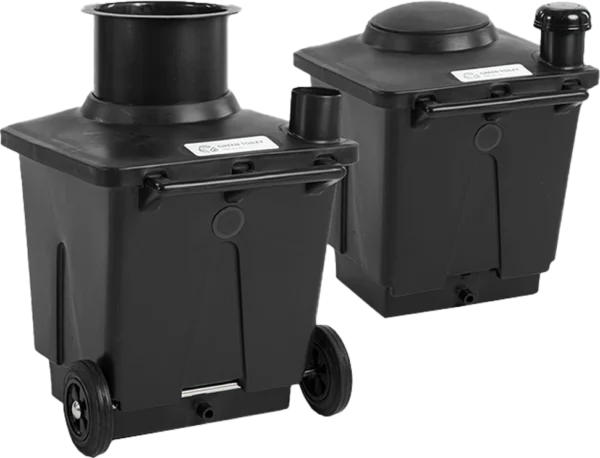
Green Toilet Compact Lux

Average Daily Capacity per 26-Gallon Composting Bin

(Based on approx. 150 uses involving a #2 — i.e., poop) – only the solids count!

Service Interval #2 Visits per Day (involving a #2)
30 days (1 month) ~5.0 visits/day
60 days (2 months) ~2.5 visits/day
90 days (3 months) ~1.7 visits/day
180 days (6 months) ~0.8 visits/day
365 days (1 year) ~0.4 visits/day

👥 Roughly how often will I service a bin?

Full-Time Users Time Before a Bin Swap
1 person about 4–5 months
2 people about 2–3 months
3 people about 1.5–2 months
4 people about 1–2 months

🟢 What counts as a “#2 visit”?

Only visits that involve pooping (i.e., going number two) — urine-only visits don’t contribute to filling the composting bin and are not included in the estimate.

🔄 Why two bins?

The Green Toilet Compact Lux comes with two composting bins. The figures above are per bin: when one fills up you swap in the empty one, and the full bin is left to compost undisturbed until you next need it. The second bin doesn’t make the interval longer — it means you never have to empty a bin in a hurry. Additional bins can be added at any time.

⚠️ Disclaimer: These estimates are approximations. The actual number of solid uses per bin may vary significantly depending on climate, temperature, ventilation, user habits, and the amount of dry bulking material (e.g., wood shavings or peat) added after each use.

Klarna_Payment_Badge png

Pay with Klarna

We’re excited to now offer Klarna as a payment option at Waterless Toilet Shop!
Choose how you want to pay — all at once or with flexible installments that fit your budget.

💸 Pay in 4 — Interest-Free

Split your composting toilet purchase into four equal payments every two weeks.
No interest, no hidden fees — just a smarter way to pay over time.

Other Flexible Options

Klarna also offers monthly financing with 6–24-month plans and transparent APR rates based on your credit.
You’ll see all available payment options instantly when you select Klarna at checkout.

Klarna financing is issued by WebBank and available to eligible U.S. residents in most states.
Missed payments may incur late fees. For California residents, loans are made or arranged pursuant to a California Financing Law license. Review Klarna’s terms.

CF 8 Composting Toilet – Estimated Daily Capacity

The CF 8 is a continuous composting toilet system featuring a single large 250-gallon container. Like the CF 4, it is designed for gradual emptying rather than batch-style use. Solids are typically removed in thirds or sections, allowing earlier deposits time to fully compost inside the tank.

This setup allows for either:


🔁 Continuous Use: Gradual Emptying in Thirds

When used year-round, the CF 8 is typically emptied one-third at a time, effectively composting in three rotating “piles” within the container.

Because the CF 8 is more than twice as large as the CF 4, each pile can hold approximately 480–960 poops, depending on composting conditions and how much bulking material is used.

Service Interval (per pile) Estimated #2 Visits per Day
30 days (1 month) ~17–32 visits/day
60 days (2 months) ~8–16 visits/day
90 days (3 months) ~5–11 visits/day
180 days (6 months) ~3–5 visits/day
365 days (1 year) ~1.2–2.6 visits/day

💡 These figures assume that one-third of the tank is in active use at a time, with older waste given time to compost before removal.


🌤 Seasonal Use: Full-Tank Emptying After Inactive Period

For cabins, cottages, or other sites used seasonally, the CF 8 can be used for a few months and then left idle to allow full composting. In such cases, the entire tank may be emptied once a year.

Full-tank capacity estimate: ~1,440–2,880 poops

Example: 120 days of use (approx. 4 months):
→ ~12–24 solid visits per day on average


⚠️ Disclaimer

These numbers are rough estimates based on typical use and conditions. Actual capacity will vary depending on:

For best performance, ensure proper aeration, regular bulking material use, and consistent emptying of composted portions.


💡 Want to Maximize Capacity? Consider a Urine-Diverting Toilet — With Some Important Considerations

upgrade to a urine diverting toilet pedestal

If you’re looking to maximize the capacity of the CF 8 system — aiming for 960+ poops per composting “pile” — we recommend using a urine-diverting (UD) toilet pedestal.

✅ Benefits of Urine Separation:

By diverting urine out of the solids container, the volume taken up by absorbent material (like peat or wood shavings) is significantly reduced. This can make a big difference in how often the system needs to be emptied.


⚠️ Downsides to Consider:

Urine-diverting toilets can take some time to get used to. Users need to sit or aim correctly to ensure proper separation, which might not happen consistently without experience or guidance.

For this reason, UD toilets are generally not ideal for public or commercial settings where the toilet is used by guests, tourists, or other first-time users. In these cases, misuse can reduce the effectiveness of the system and may even lead to unpleasant maintenance issues.


In short: A UD toilet is an excellent choice for maximizing capacity in private or family use, but for guest or public access composting toilets, a standard non-diverting model may be more practical and user-friendly.

Green Toilet 100 Easy – Estimated Daily Capacity

The Green Toilet 100 Easy is a compact and user-friendly batch composting toilet with a 26-gallon composting container. Its design makes it well-suited for outhouses, cabins, and even indoor use. A spare container is available to expand capacity and simplify servicing.


🔢 Estimated Solid-Waste Capacity per Bin:

Note: Due to the shape and internal structure of the container, the actual composting capacity is slightly lower than its raw volume might suggest, if you compare with Green Toilet 120 Family composting toilet for example.


📆 Average Daily Capacity per Bin

Service Interval Estimated #2 Visits per Day
30 days (1 month) ~6–7 visits/day
60 days (2 months) ~3–4 visits/day
90 days (3 months) ~2.2 visits/day
180 days (6 months) ~1.1 visits/day
365 days (1 year) ~0.5 visits/day

Notes & Recommendations:


⚠️ Disclaimer:
These estimates are intended as general guidance. Real-world performance may vary depending on:

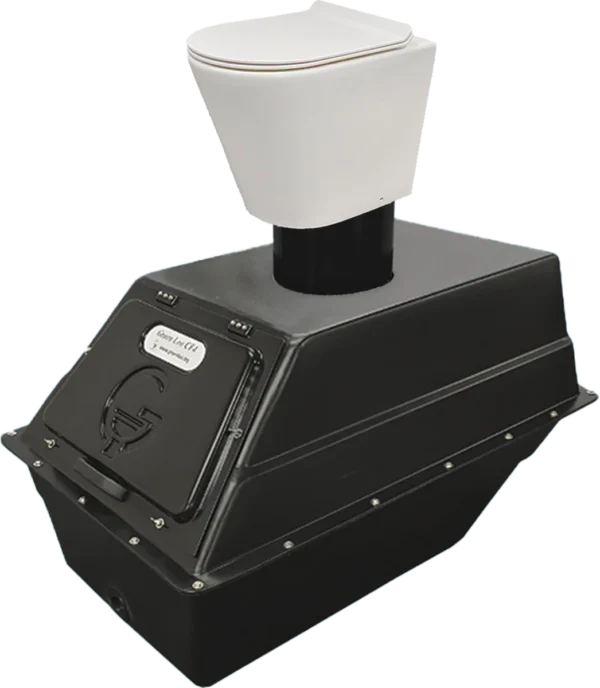
CF 4 Composting Toilet – Estimated Daily Capacity

The CF 4 is a continuous composting toilet system featuring a single large 105-gallon container. Unlike batch composting systems (such as the Green Toilet models), the CF 4 is designed for gradual emptying — solids are typically removed in thirds or sections, allowing earlier deposits time to fully compost inside the tank.

This setup allows for either:


🔁 Continuous Use: Gradual Emptying in Thirds

When used year-round, the CF 4 is typically emptied one-third at a time, effectively composting in three rotating “piles” within the container. Depending on composting conditions and how much bulking material is used, each pile can hold approximately 200–400 poops.

Service Interval (per pile) Estimated #2 Visits per Day
30 days (1 month) ~7–13 visits/day
60 days (2 months) ~3–7 visits/day
90 days (3 months) ~2–4 visits/day
180 days (6 months) ~1–2 visits/day
365 days (1 year) ~0.5–1.1 visits/day

💡 These figures assume that one third of the tank is in active use at a time, with older waste given time to compost before removal.


🌤 Seasonal Use: Full-Tank Emptying After Inactive Period

For cabins, cottages, or other sites used seasonally, the CF 4 can be used for a few months and then left idle to allow full composting. In such cases, the entire tank may be emptied once a year.


⚠️ Disclaimer

These numbers are rough estimates based on typical use and conditions. Actual capacity will vary depending on:

For best performance, ensure proper aeration, regular bulking material use, and consistent emptying of composted portions.


💡 Want to Maximize Capacity? Consider a Urine-Diverting Toilet — With Some Important Considerations

upgrade to a urine diverting toilet pedestal

If you’re looking to maximize the capacity of the CF 4 system — aiming for 400+ poops per composting “pile” — we recommend using a urine-diverting (UD) toilet pedestal.

✅ Benefits of Urine Separation:

By diverting urine out of the solids container, the volume taken up by absorbent material (like peat or wood shavings) is significantly reduced. This can make a noticeable difference in how often the system needs to be emptied.

⚠️ Downsides to Consider:


In short: A UD toilet is an excellent choice for maximizing capacity in private or family use, but for guest or public access composting toilets, a standard non-diverting model may be more practical and user-friendly.

Green Toilet 120 Family

💩 Average Daily Capacity per 31-Gallon Composting Bin

(Based on approx. 356 uses involving a #2 — i.e., poop) – only the solids count!

Service Interval #2 Visits per Day (involving a #2)
30 days (1 month) ~11.9 visits/day
60 days (2 months) ~5.9 visits/day
90 days (3 months) ~4.0 visits/day
180 days (6 months) ~2.0 visits/day
365 days (1 year) ~1.0 visits/day

🟢 What counts as a “#2 visit”?
Only visits that involve pooping (i.e., going number two) — urine-only visits don’t contribute to filling the composting bin and are not included in the estimate.

⚠️ Disclaimer:
These estimates are approximations. The actual number of solid uses per bin may vary significantly depending on climate, temperature, ventilation, user habits, and the amount of dry bulking material (e.g., wood shavings or peat) added after each use.

Green Toilet 330

💩 Average Daily Capacity per 87-Gallon Composting Bin

(Based on approx. 1,000 uses involving a #2 — i.e., poop) – only the solids count!

Service Interval #2 Visits per Day (involving pooping)
30 days (1 month) ~33 visits/day
60 days (2 months) ~17 visits/day
90 days (3 months) ~11 visits/day
180 days (6 months) ~5.6 visits/day
365 days (1 year) ~2.7 visits/day

🟢 What counts as a “#2 visit”?
Only visits that involve defecation (pooping) — urine-only visits don’t fill up the composting bin and are not included in the 1,000-use estimate.

⚠️ Disclaimer:
These estimates are based on typical, steady use. The actual number of solid uses a composting bin can handle may vary significantly depending on climate, temperature, humidity, ventilation, and how much dry bulking material (like wood shavings) is added after each use.

Composting toilet waste pipe extension

💧 Liquid waste (urine) estimate

Average person produces about:

So for 100 people:


🚽 Flush water use estimate

Average flush volume in the U.S. is about:

Average person flushes ~5 times per day, so:

So for 100 people:


✅ Summary in gallons

Type Per person For 100 people
Urine (liquid waste) ≈0.4 gal/day ≈40 gal/day
Flush water (toilet only) ≈7.5 gal/day ≈750 gal/day
Product Image Product Clearance Requirement
CF 4 continuous composting toilet with porcelain pedestal green background CF 4 Continuous composting toilet 13″ (when partially buried)
gl 90 batch composting toilet package GL 90 Batch composting toilet 18″
CF 8 continuous composting toilet with non separating porcelain pedestal blue background CF 8 Continuous composting toilet 18″ (when partially buried)
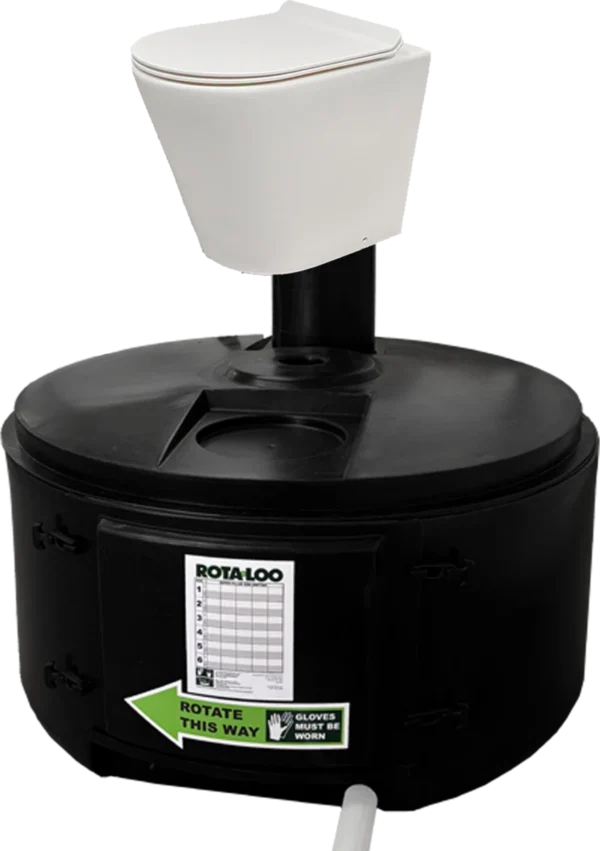
Rota-Loo 650 Split-system Batch Composting Toilet Rota Loo 650 Batch composting toilet 26″
Green Toilet Lux 120 Composting toilet with spare container package Green Toilet Lux 120 Batch composting toilet 28″
Green Toilet Lux 330 Composting toilet with spare container package Green Toilet Lux 330 Batch composting toilet 37″
Rota Loo 950 batch composting toilet blue background Rota Loo 950 Batch composting toilet 38″

📞 Customer Service Hours
We’re here to help!

📱 Phone: 1-702-328-0689
💬 Live Chat: Start a Chat Now

Our team is always available to assist you during the following hours:

Monday – Friday: 6:00 AM – 2:00 PM Pacific Time
Saturday – Sunday: Closed
Holidays: Closed

Have a question outside of our service hours?
Feel free to leave us a message through our contact form or email us at info@waterlesstoiletshop.com.

We’ll get back to you as soon as possible on the next business day.

WTS Logo

Urine Separation in Composting Toilet Article

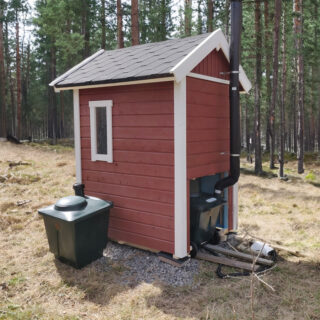
outhouse next to winter cottage (1)

outhouse next to winter cottage


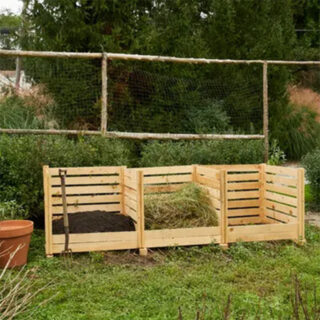
open compost bin outdoors

open back bench-type-of seat
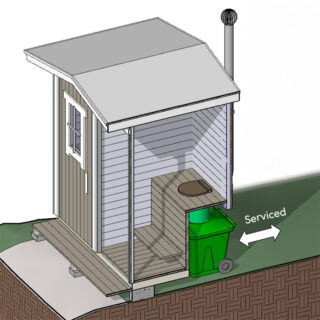
Installation principle of Green Toilet 120 and 330

Green Toilet 120 Family composting toilet installed

Green Toilet 120 Family installed underneath outhouse seat

Green Toilet 330 outhouse inside flat seat

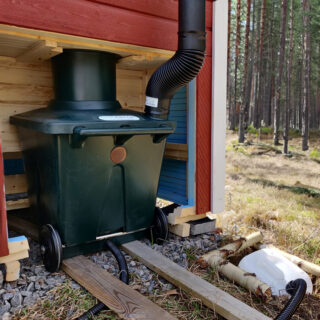
Green Toilet 330 ventilation pipes

Green Toilet features ventilation pipes.

On top of the vent pipe stack here is a Whirlybird

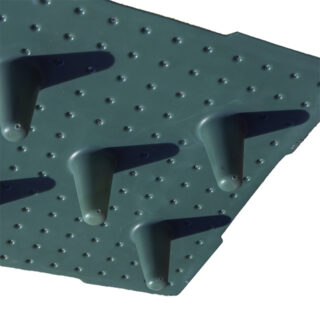
Green Toilet double base from below

Green Toilet’s double base from below

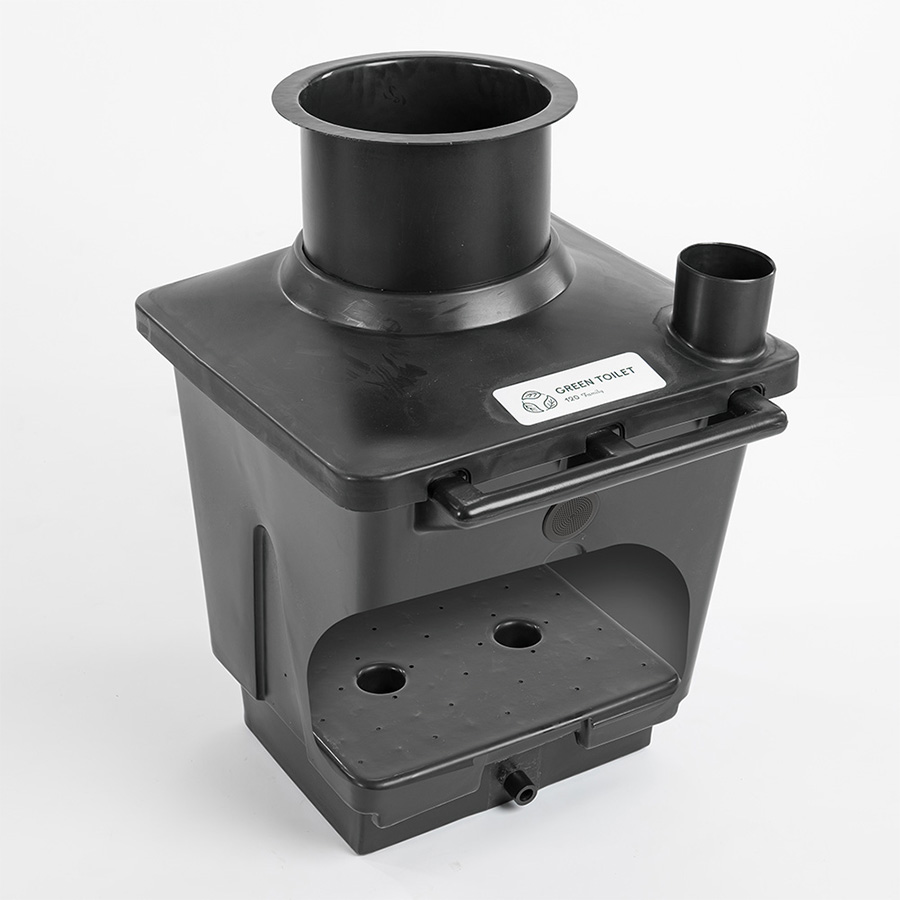
Green Toilet 120 Family double base photo Green Toilet 120 compost bin parts photo updated black bin