 Composting
 Off-Grid
 Indoors
 Split-systems
 Self-contained
 Tiny House
 ADU
ADU Urine-diverting
 Year-around
 Luxurious
 Cabins
 RVs
RVs Large capacity
 Cold climate
 Glamping
 Outhouses
 Batch toilets
 Public use
 Continuous
 Accessories
Best Composting Toilets for Off-Grid Cabins in 2026
For many cabin owners, having a reliable and odor-free toilet is an important part of ensuring comfort and sustainability. Selecting the right composting toilet can be a challenge due to the variety of models available. With each model offering different features, finding the perfect fit requires careful consideration of your specific usage and needs. In this article, we’ll guide you through multiple different composting toilet options available for your off-grid cabin, helping you make a more informed decision. We will discuss the following non-flush toilet alternatives in this order:
Indoor Use Composting Toilets
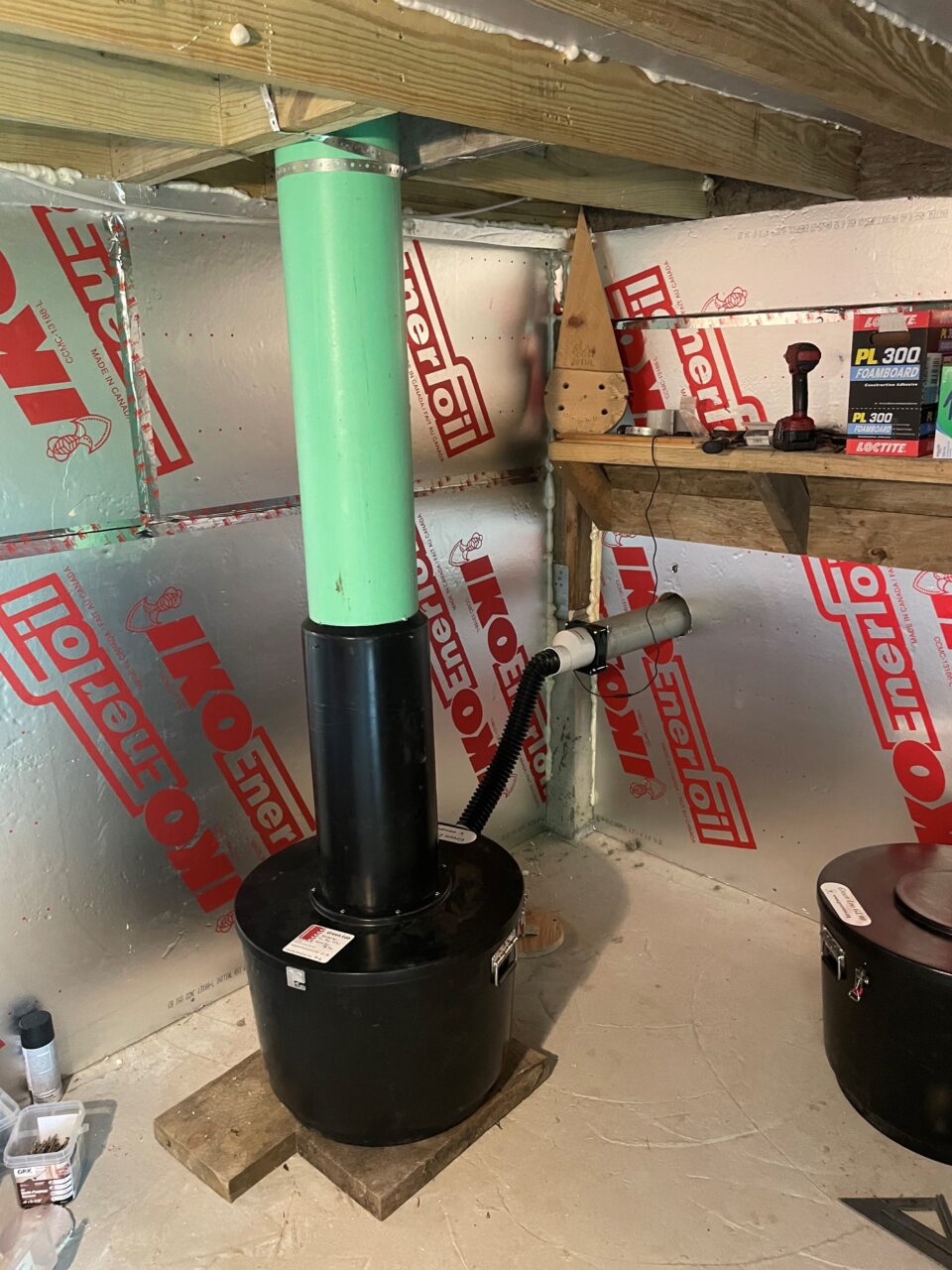
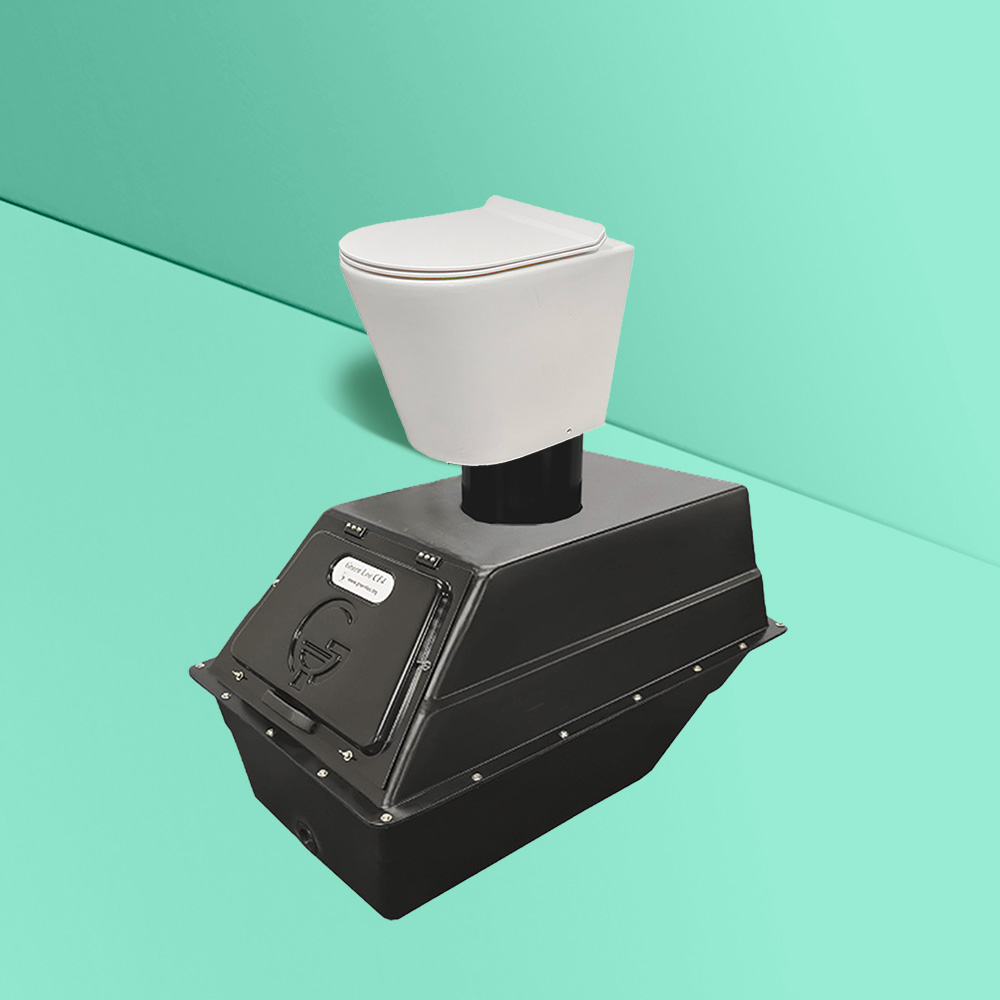
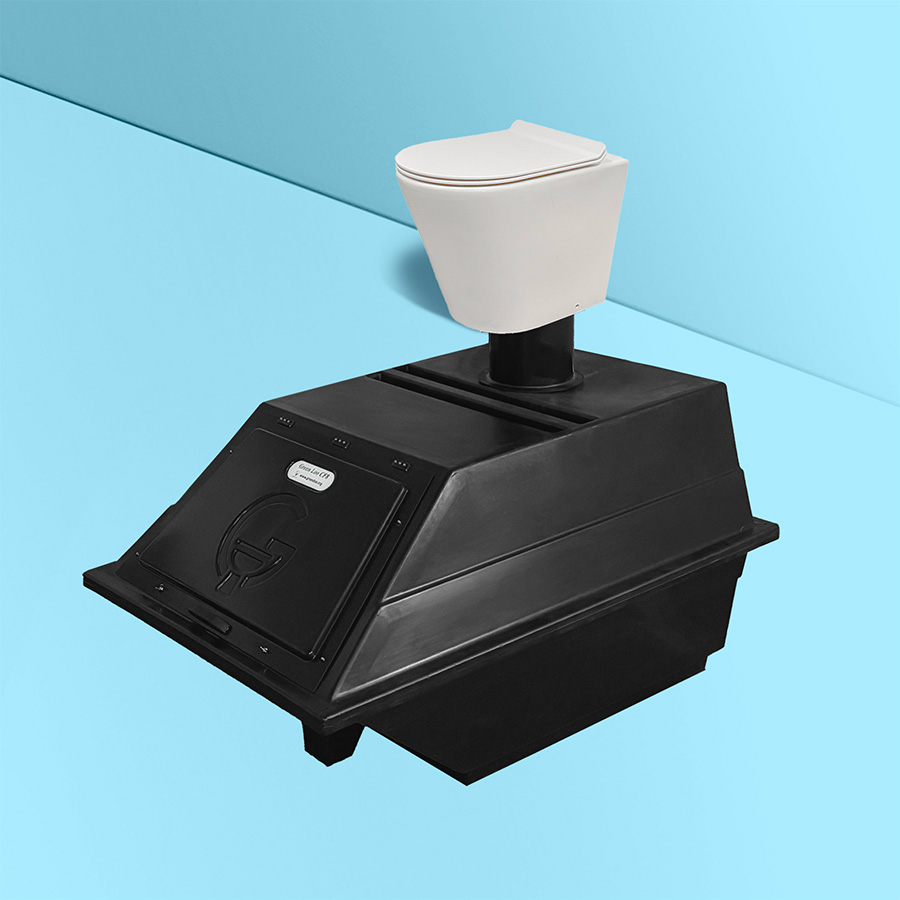
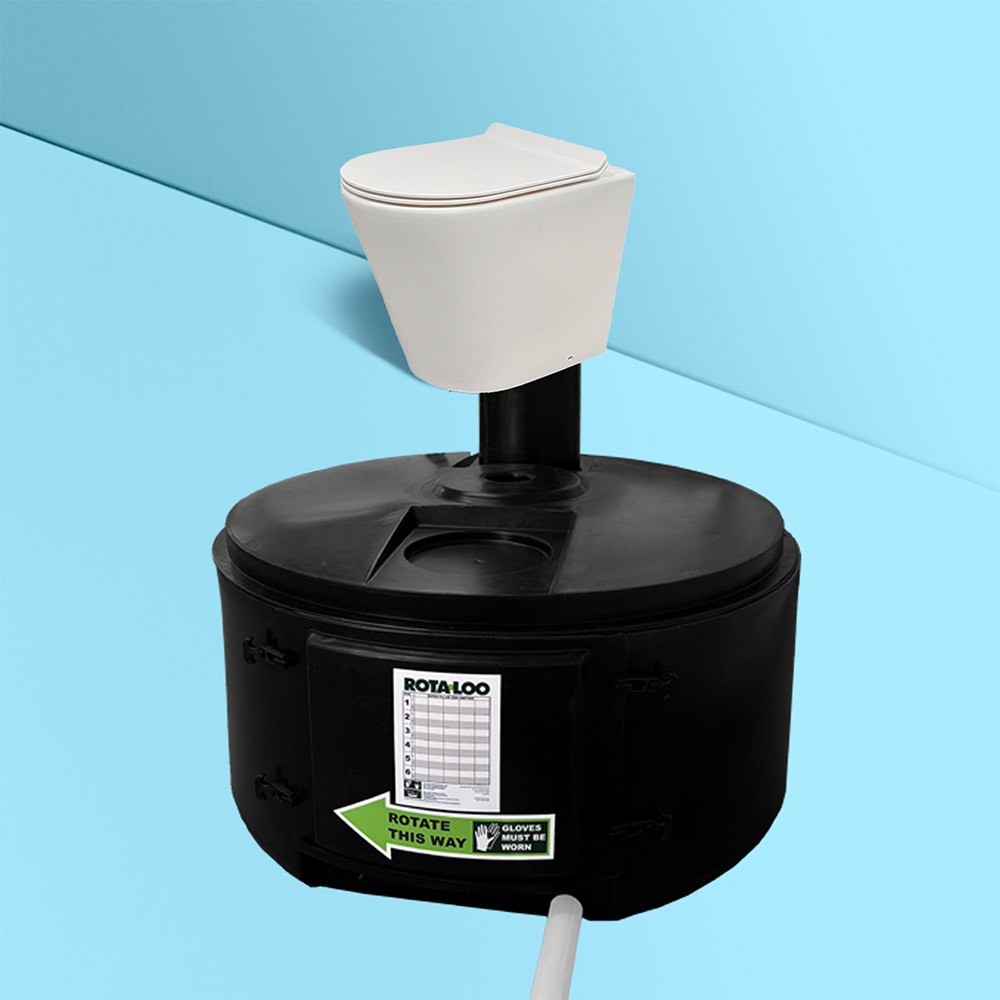
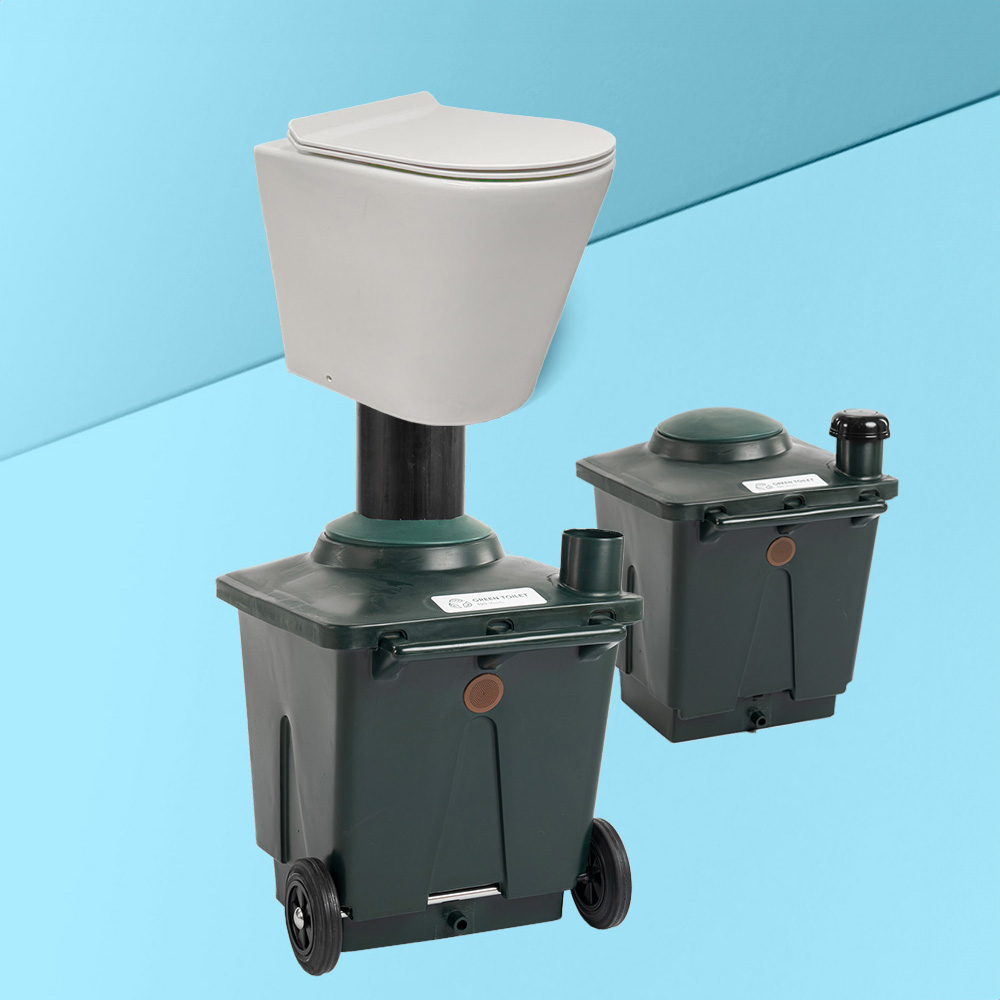
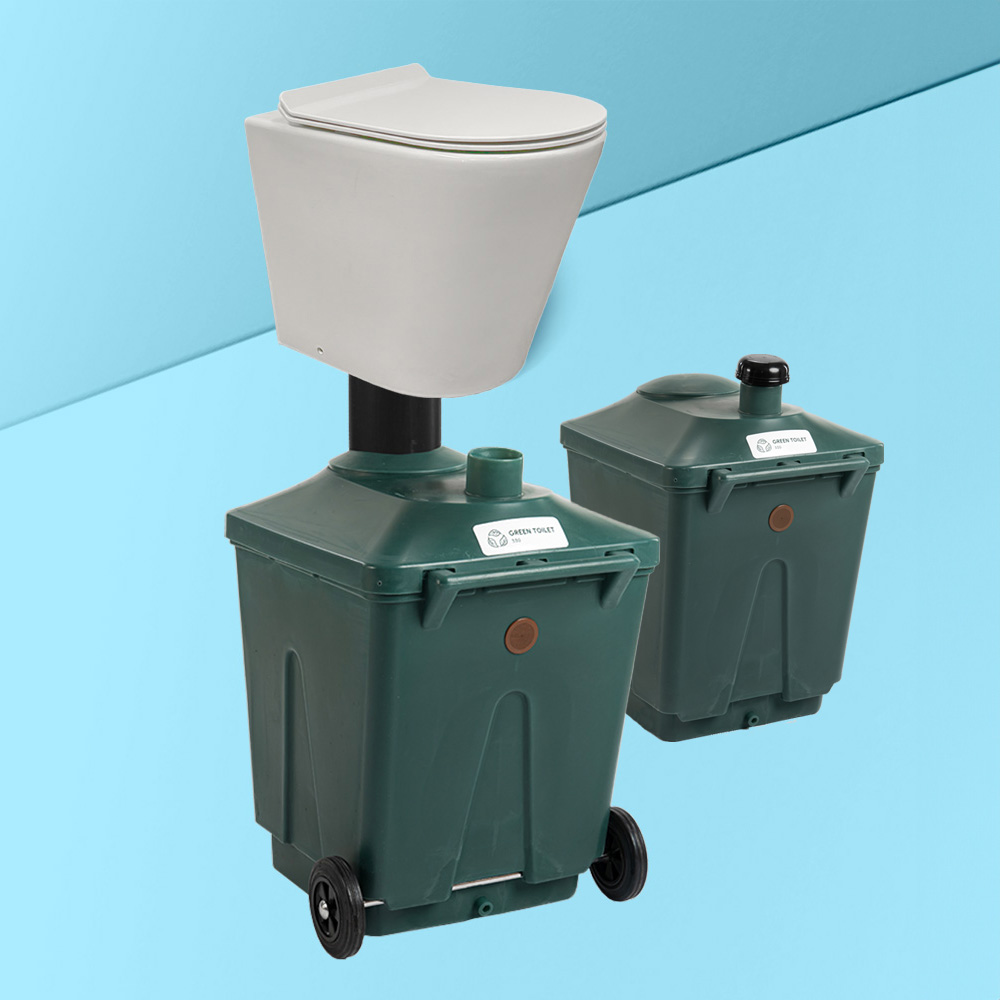
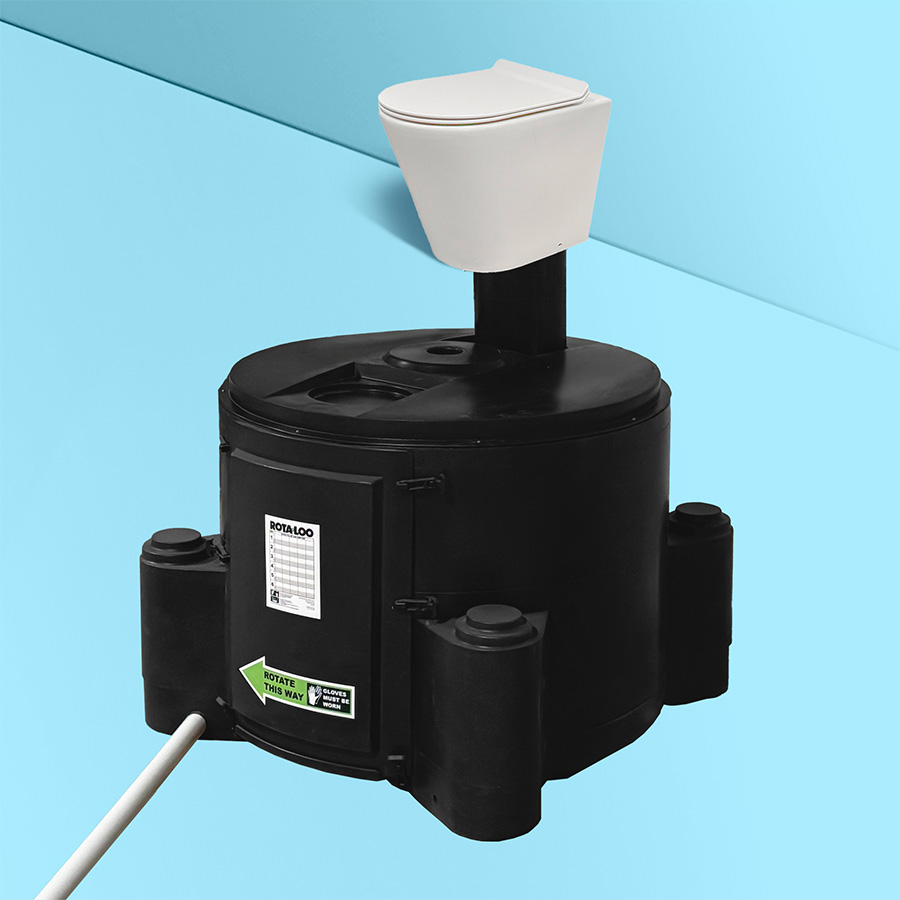
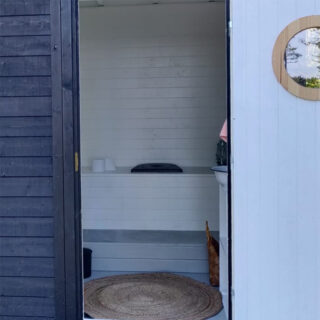
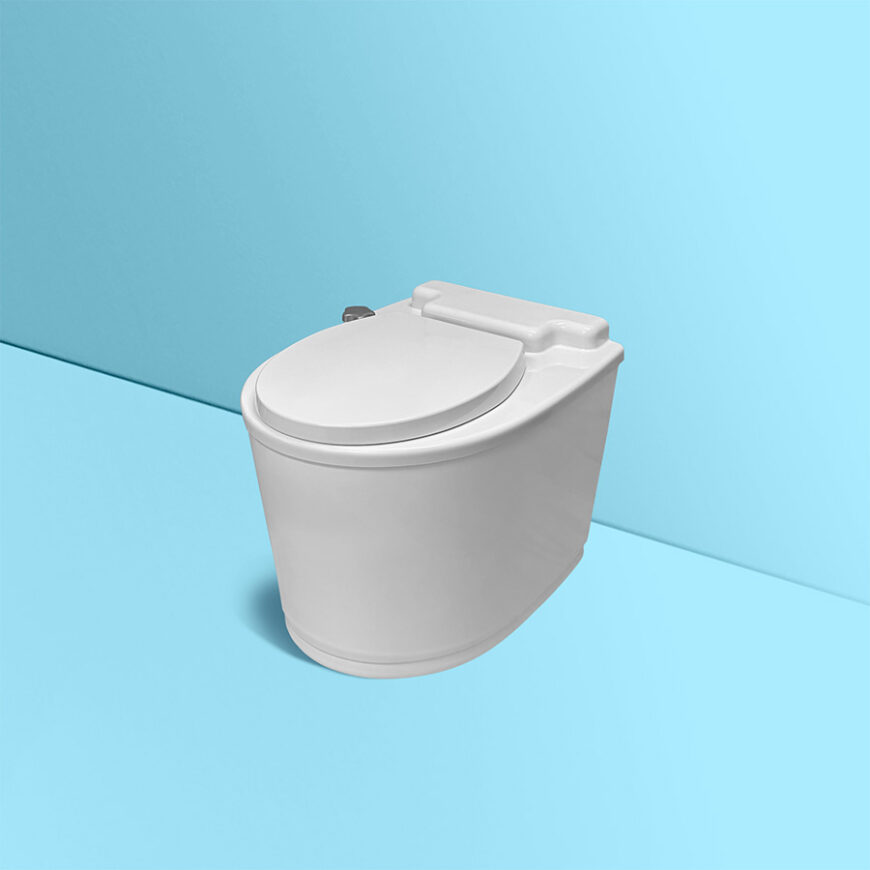
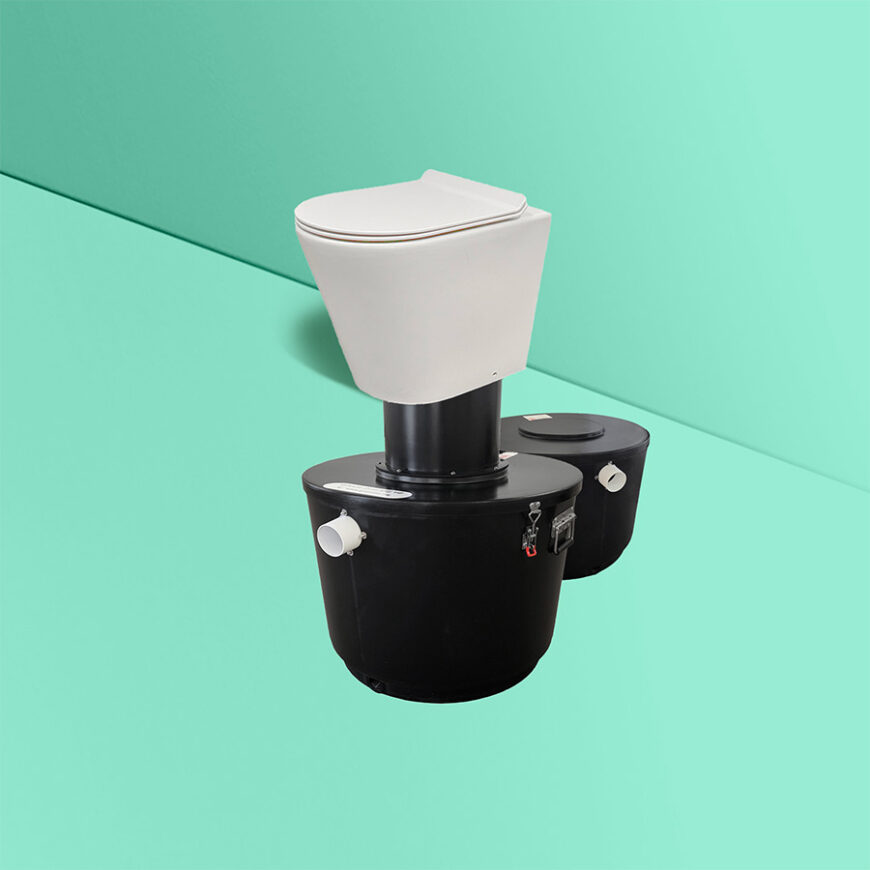
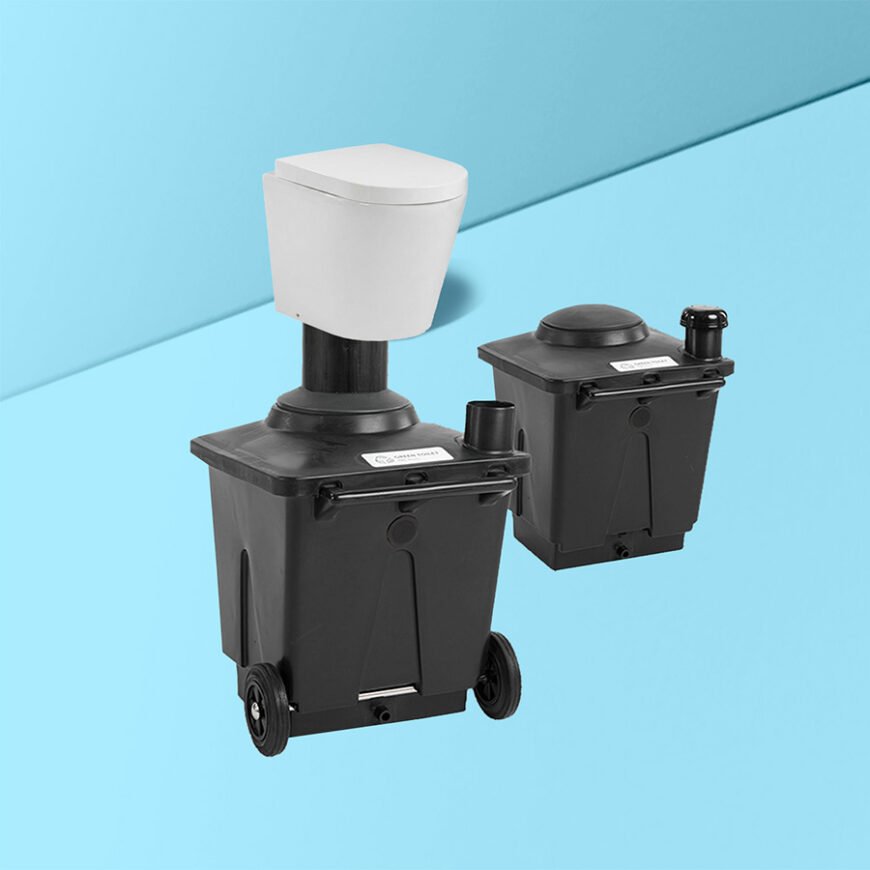
An indoor composting toilet is specifically designed for indoor use. Modern composting toilet are totally odor-free and pleasant to use. Typically, an indoor composting toilet consists of two main parts: a porcelain toilet pedestal installed inside the restroom and a composting chamber located underneath it. Indoor composting toilets offer several advantages not found in other types of no-flush toilets. Unlike many urine-diverting toilets, for example, indoor composting toilets generally have a large capacity, which allows for extended maintenance intervals. Moreover, indoor composting toilets are among the most reliable and can last for decades with proper use.
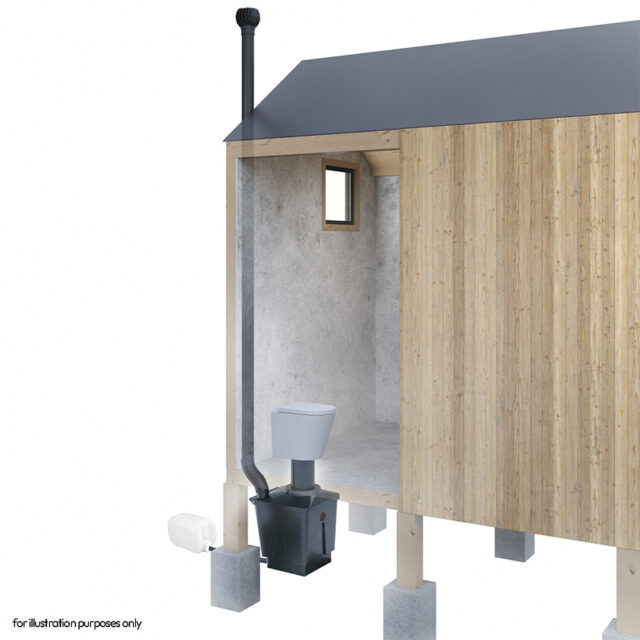
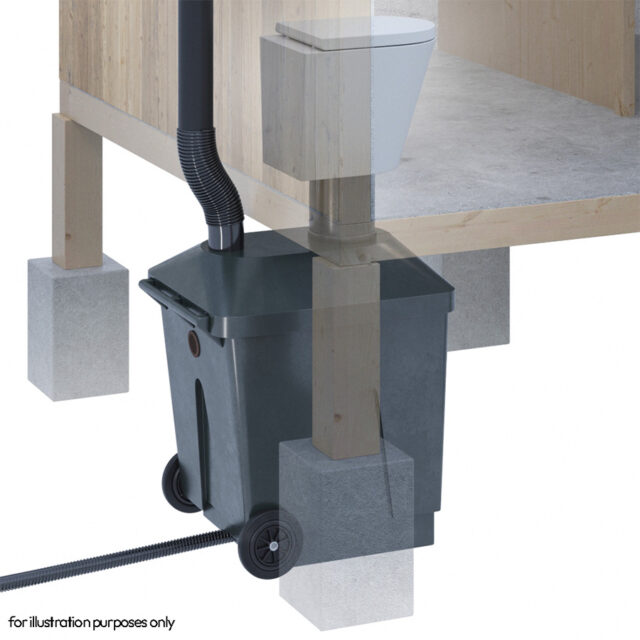
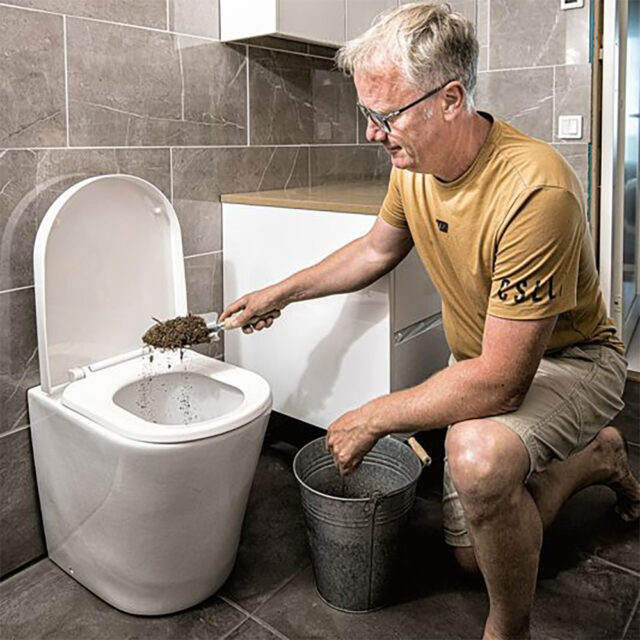
Indoor composting toilets function similarly to conventional flush toilets but without the need for flushing. Most indoor composting toilets utilize dry materials, such as hemp or peat, not only to enhance the composting process but also to cover the waste, reducing odors and shielding it from direct view. This method effectively facilitates the breakdown of waste into nutrient-rich compost, aligning with sustainable living practices. Dry material can be added after every use or alternatively more at once for example once a week, depending on use.
Buy Indoor Composting Toilet to Your Cabin

Composting Toilets for Outhouses
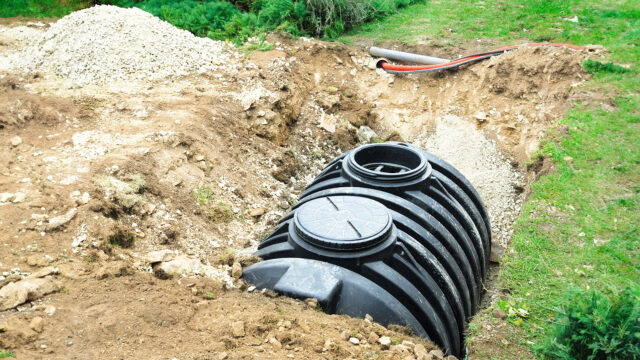
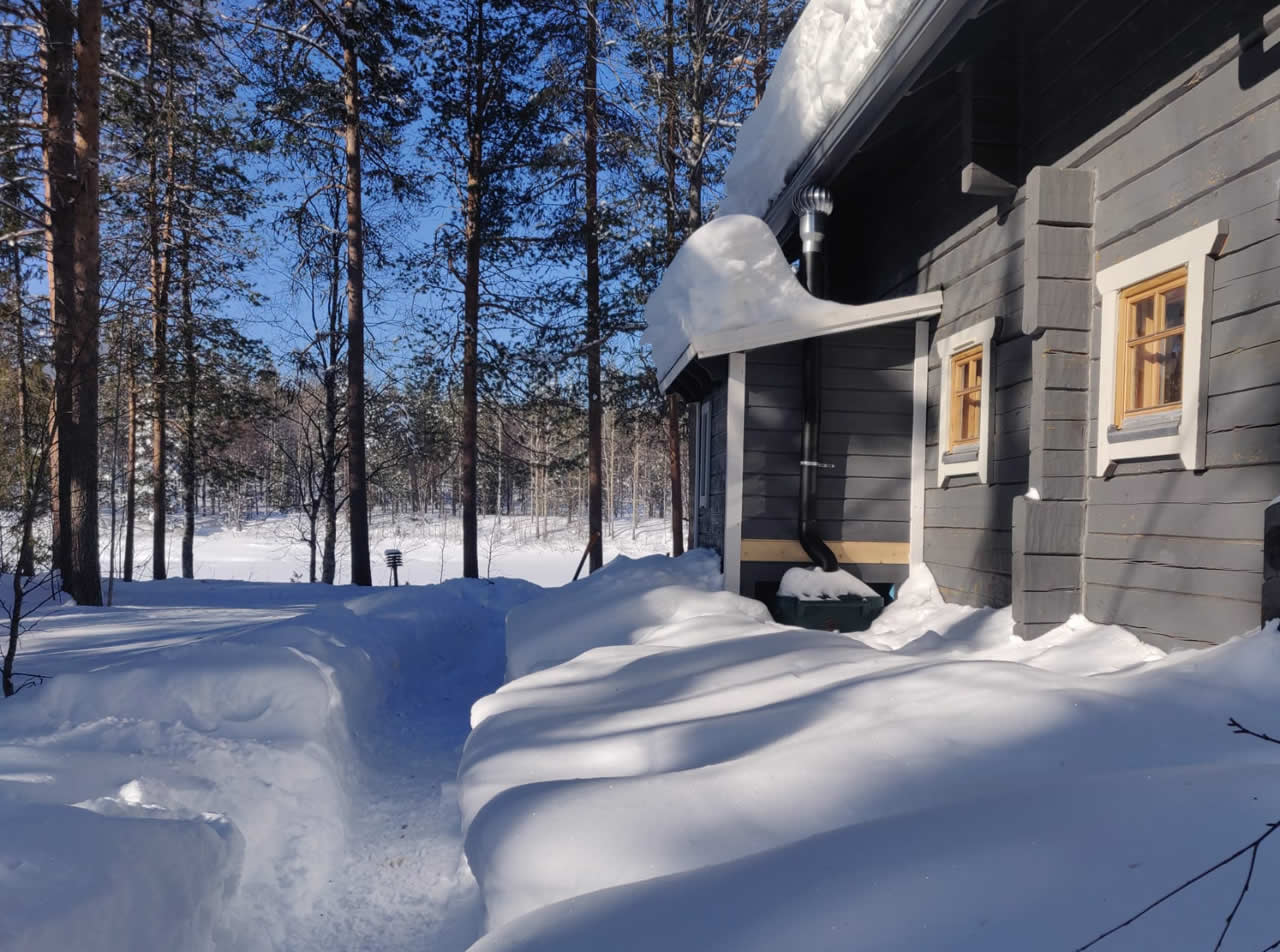
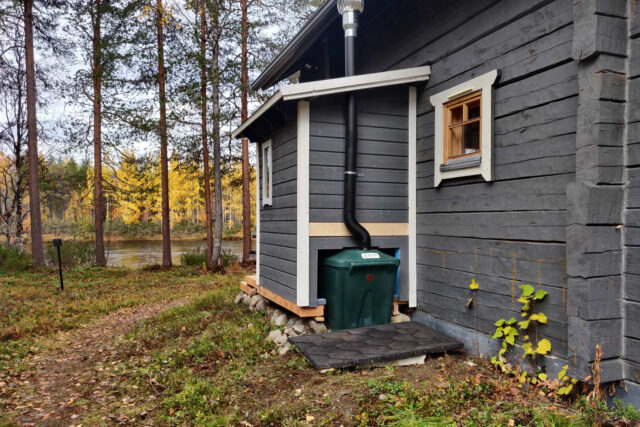
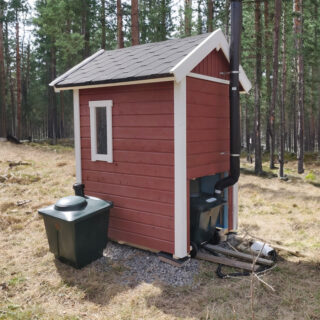
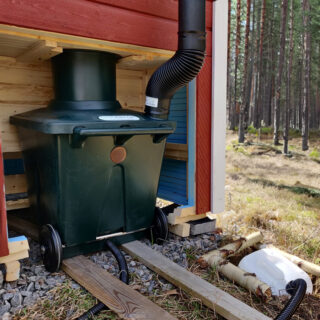
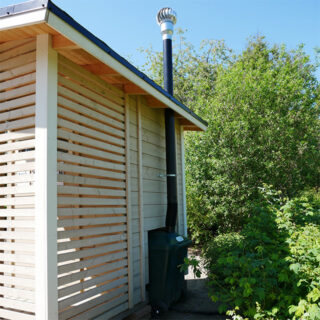
Composting toilets are well-known and widely used in outdoor outhouses. An outhouse can be almost any outdoor structure that provides privacy and basic shelter for toilet use. Depending on the design and construction of the outhouse, it can accommodate different types of composting toilets.
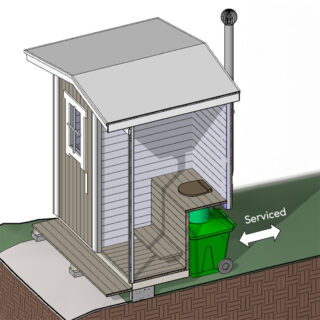
The simplest solution is typically an outhouse with a flat floor and a floor-mounted, self-contained composting toilet. However, outhouses come in many forms, and alternative designs can support other composting toilet systems as well.
Learn more about the different outhouse designs and how composting toilets can be installed in them in our article Outhouse Composting Toilets: Five Examples (With Pictures).
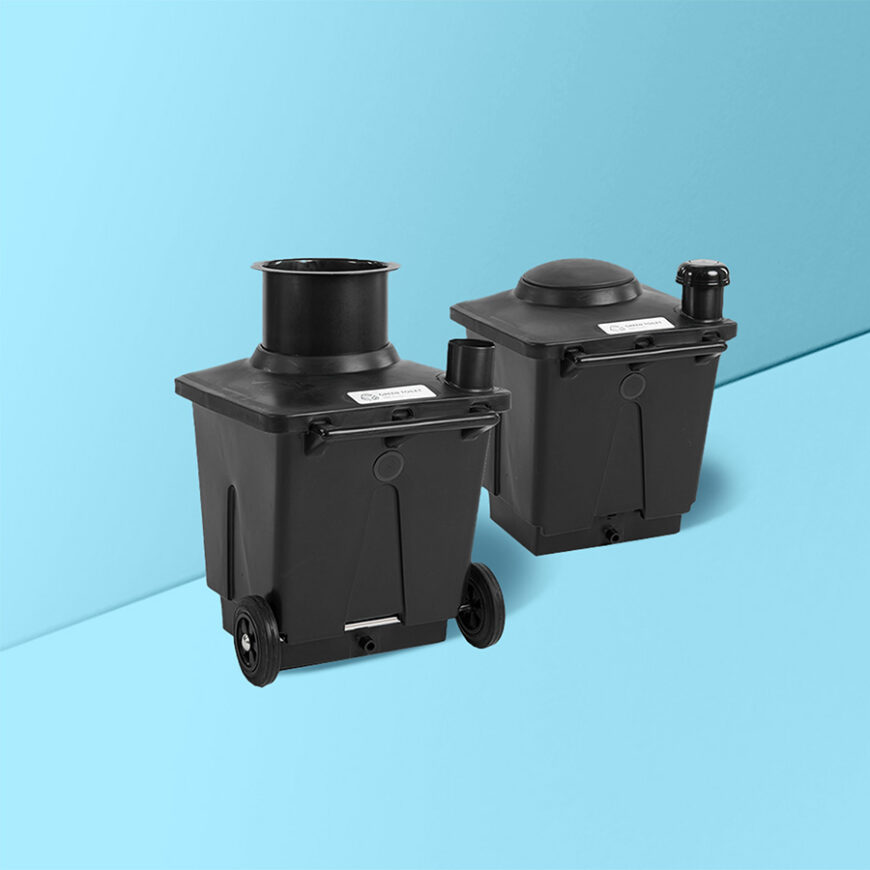
A well-functioning composting toilet is completely odor-free and pleasant to use and maintain, perhaps needing attention only once during the cabin season. When choosing a composting toilet, it’s important to consider features like liquid separation and ventilation. Effective composting requires excess liquid to be drained from the compost. Additionally, robust ventilation aids in evaporating the liquid and maintaining an odor-free environment.
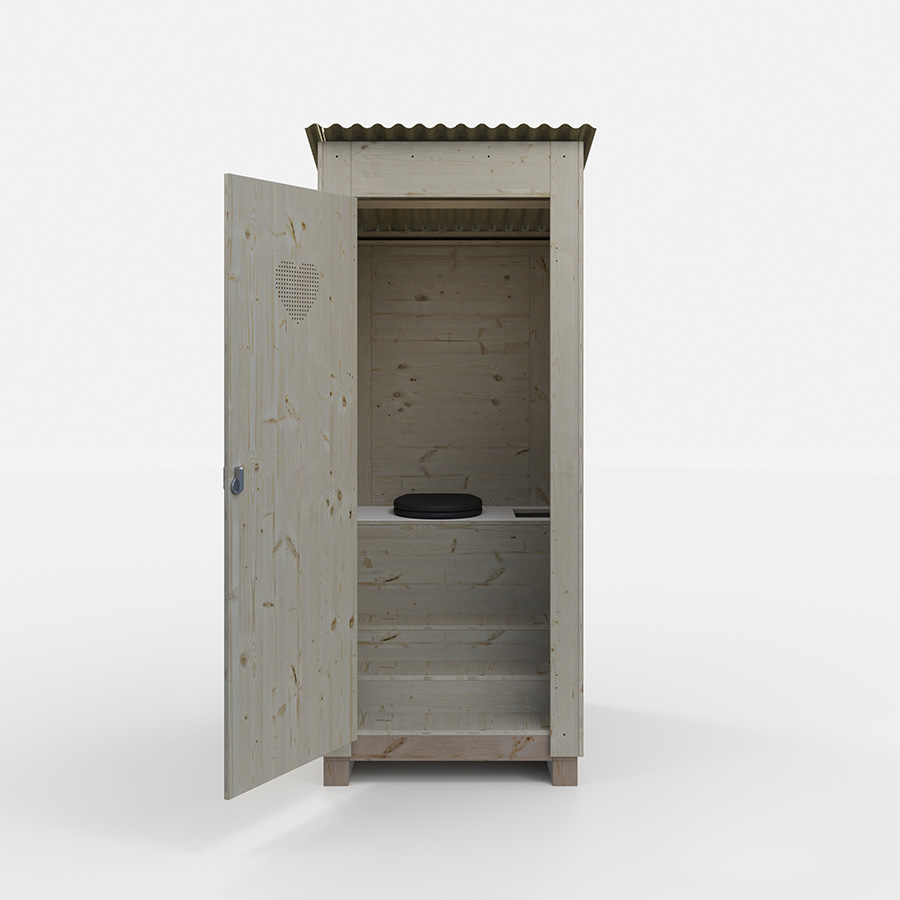
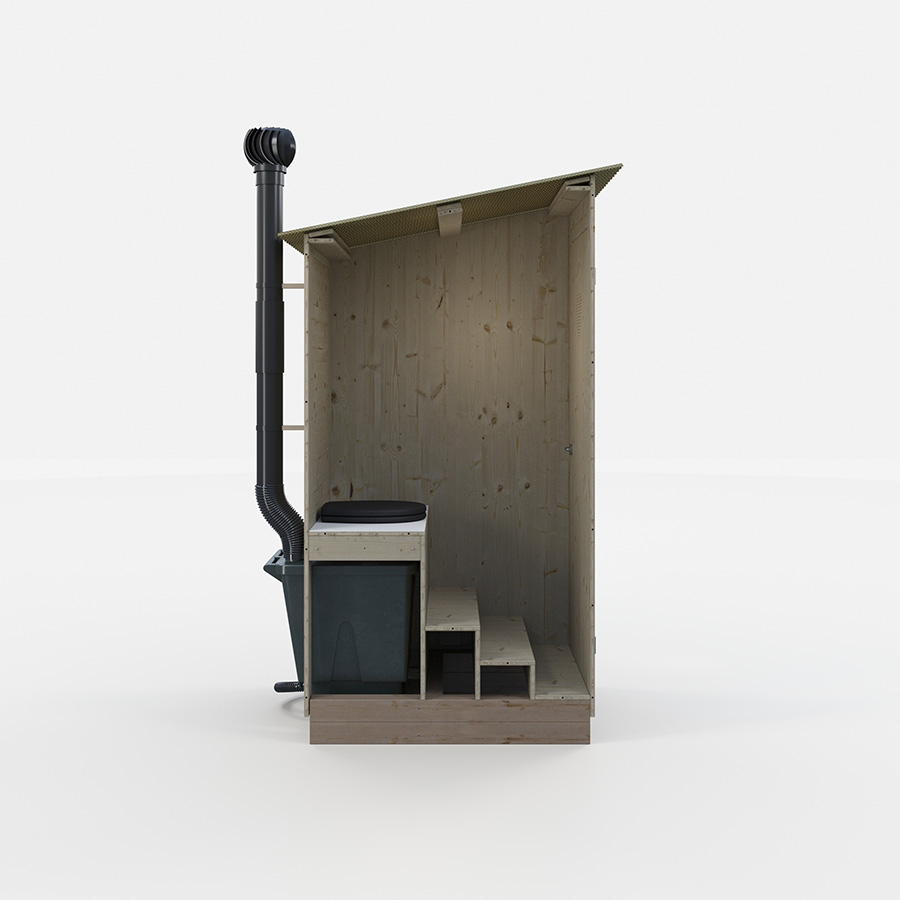
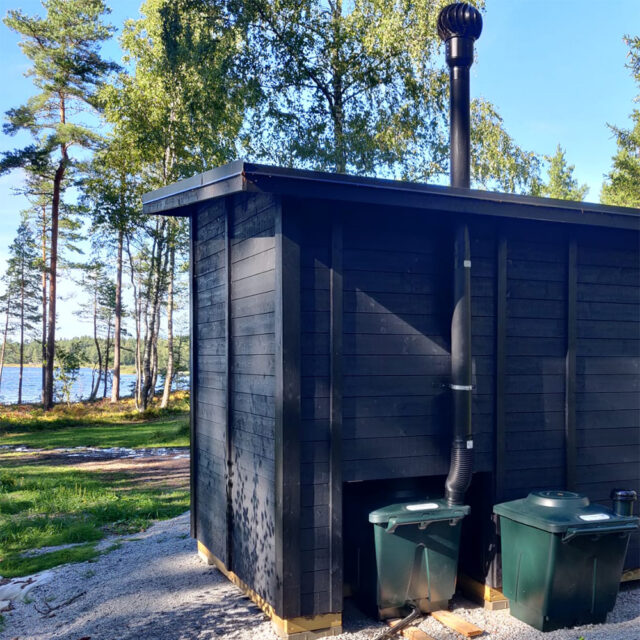
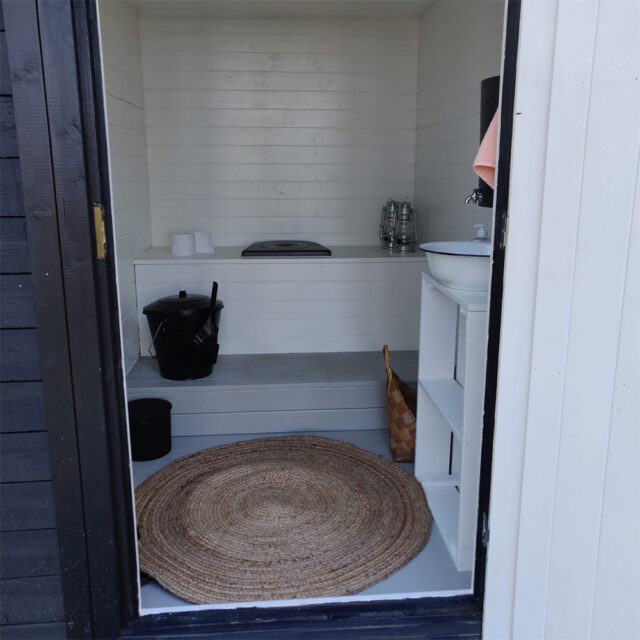
Often, a composting toilet is the best solution for a cabin’s primary restroom. In addition to a composting toilet, a cabin might also have a smaller compost toilet indoors, which is convenient for use at night or in bad weather. One of the main strengths of composting toilets is their high capacity, which means they can be used hundreds of times before needing maintenance.
If there is a need to replace the entire outhouse, consider the size and location of the new structure. A very small outhouse located far from the edge of the property often proves to be impractical. Opt for a slightly larger than average outhouse and try to position it as close to the cabin as possible. Additionally, an existing, usable outhouse structure can be updated to modern standards by fitting it with a new toilet system.
Buy a Composting Toilet for Your Outhouse

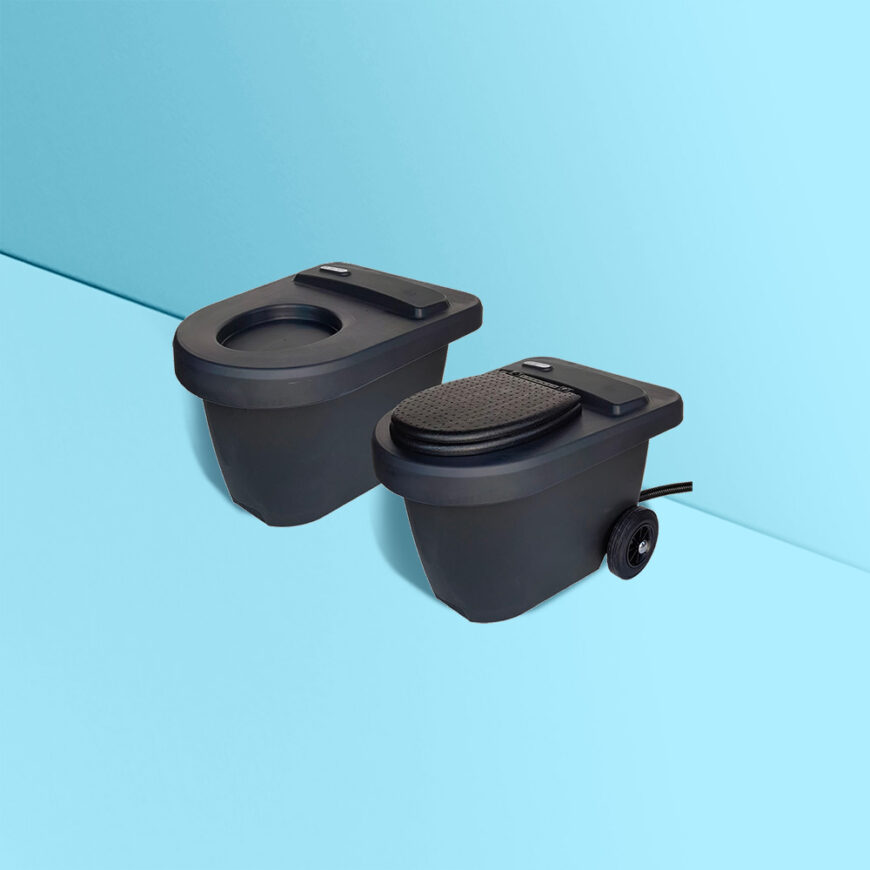
Does a Composting Toilet Smell?
The most common question we at Waterless Toilet Shop encounter is: “Does it smell?” There are even phrases ingrained in the language from the days when old-time outhouses, especially in the summer heat, were notorious for their odors, leading to the saying about going to “the far end of the yard” for toilet due to the necessity to place the outhouse as far away as possible.
Fortunately, times have changed for the better. A composting toilet can actually be more odor-free than a traditional flush toilet. It’s now feasible to place a composting toilet close to other buildings or even inside. Proper planning is crucial so that the design, configuration, and installation meet the specific usage needs.
More information about outhouses and composting toilets

Urine-Diverting Toilets

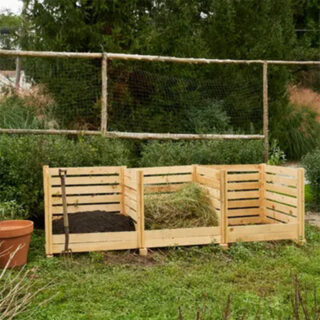
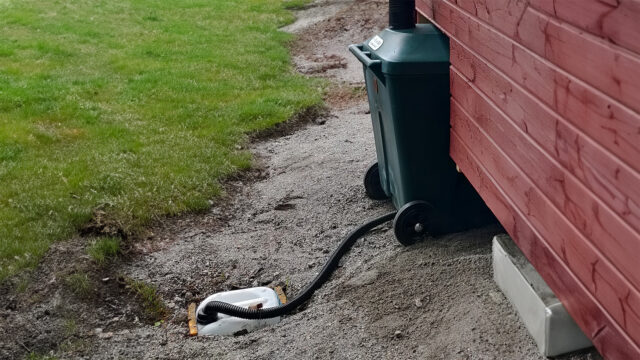
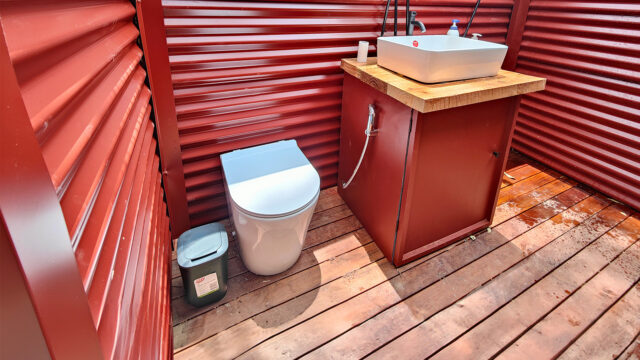
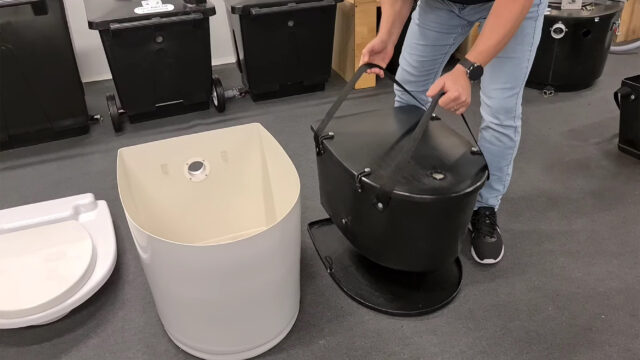
While all our composting toilets separate excess liquid within the unit, some waterless toilets handle this directly at the seat, thus producing two outputs: pure urine and a small amount of solid waste. These types of toilets are commonly referred to as urine-diverting toilets, though this term might seem misleading since composting toilets also separate fluids, just by a different method. Urine separation makes the toilet essentially odorless, as neither solid waste nor urine alone have much of an odor. It is important to plan how to collect and recycle the liquid urine beforehand. Clean urine is highly nutrient-rich, so it should not overload the soil or enter waterways. It’s advisable to have a separate, covered composter for solid waste at the cabin.
Buy a Urine-Diverting Toilet to Your Cabin
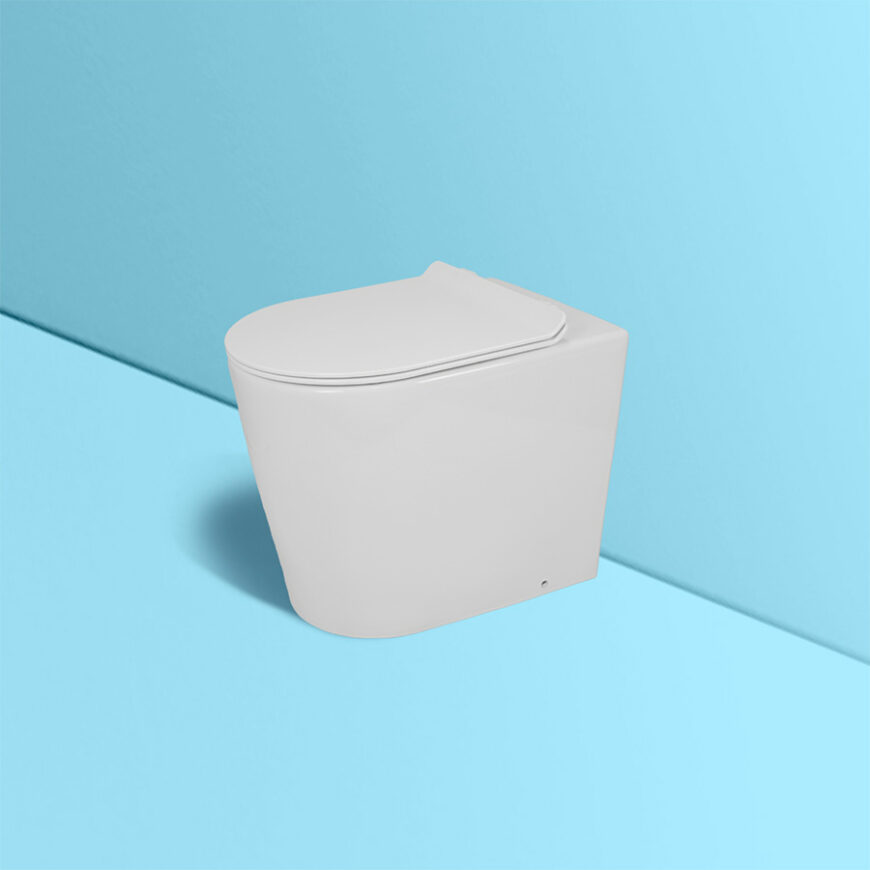
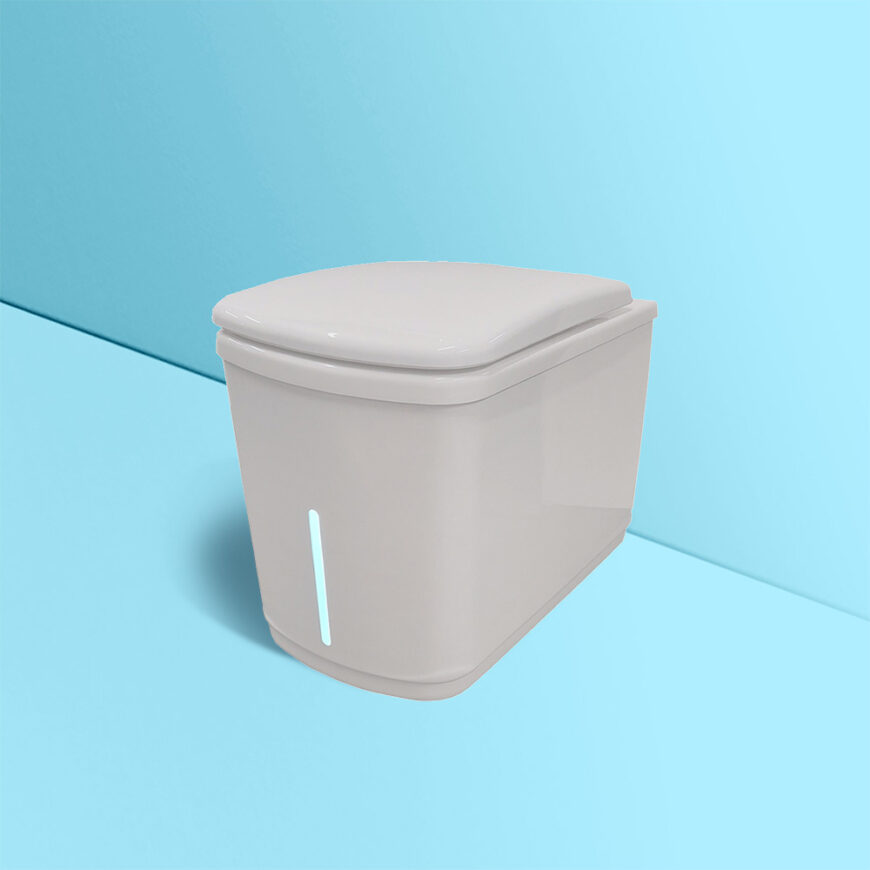
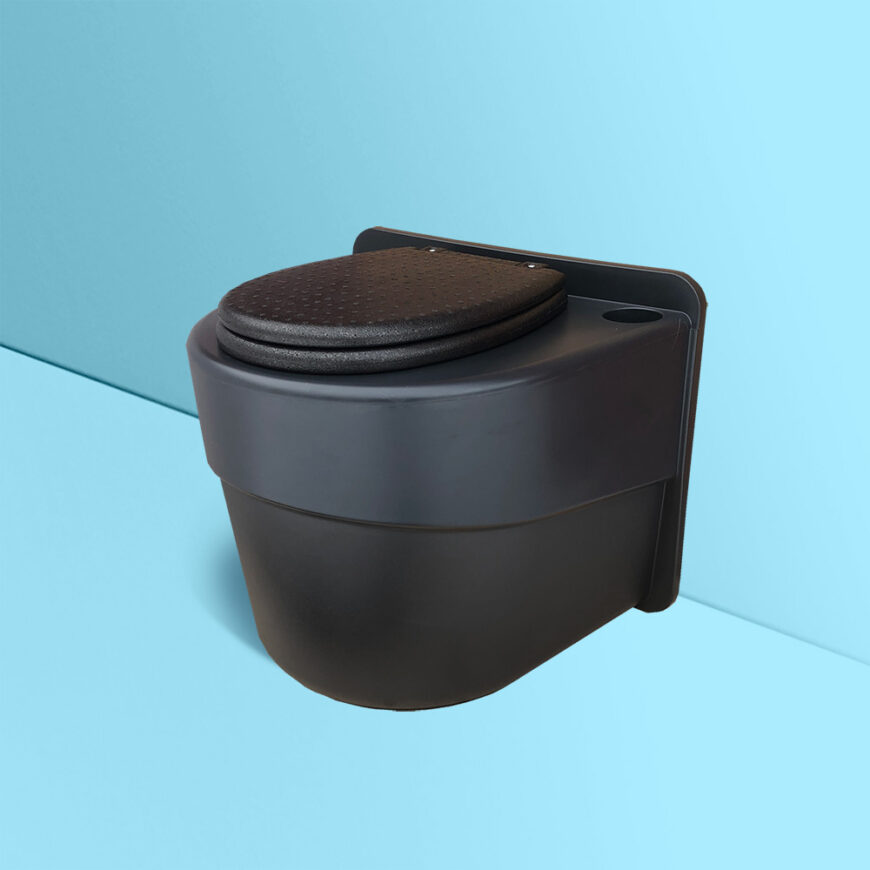
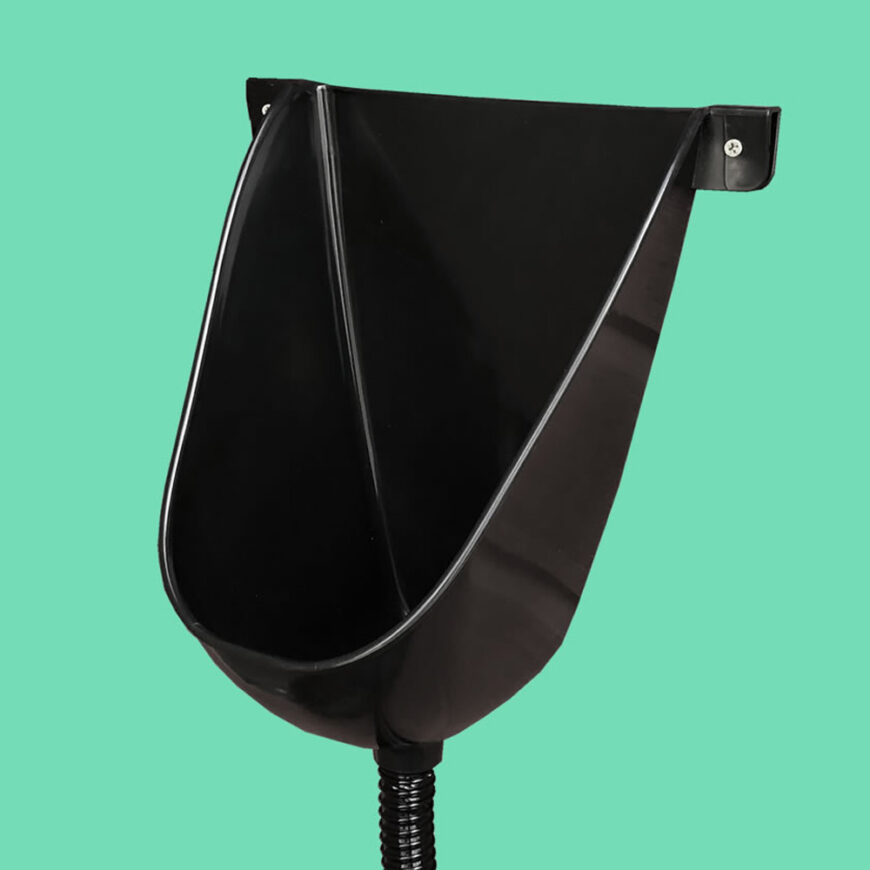
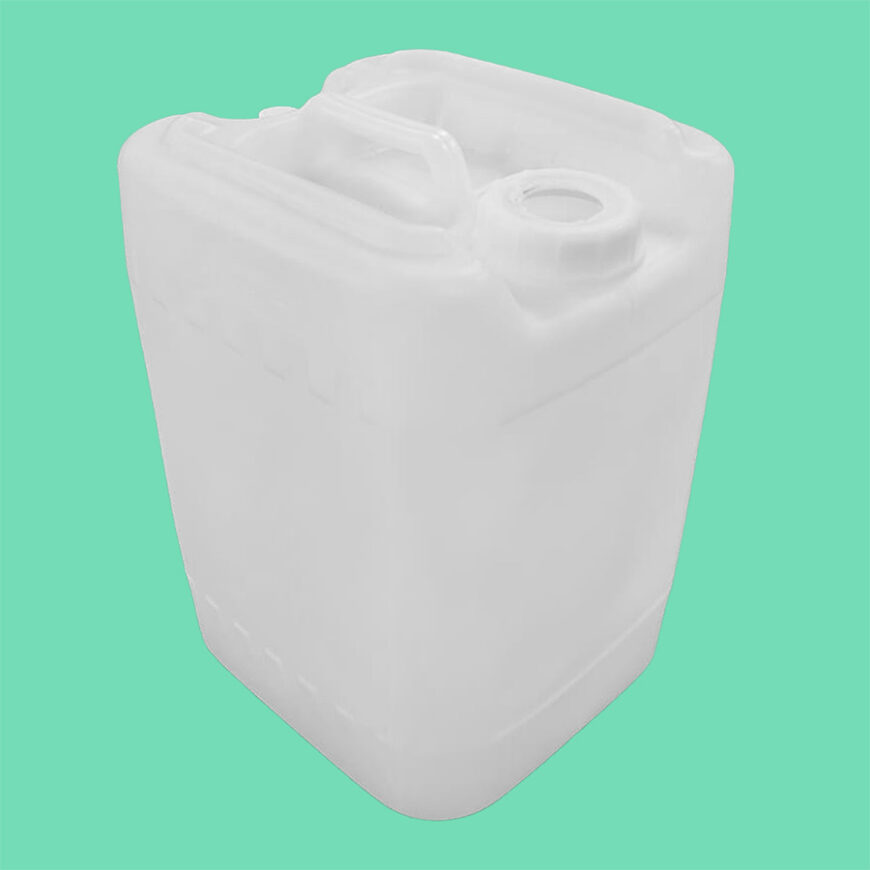
Urine-diverting toilets are versatile and can be used in various settings. At a cabin, a urine-diverting dry toilet can be installed either in an outdoor outhouse or inside the cabin. If installed indoors, it’s beneficial to equip the toilet with an electric fan.
Learn more about urine and liquid separation in composting toilets
Why We Do Not Sell Incinerating Toilets?
Incinerating toilets operate by burning waste within the unit. These toilets consume a considerable amount of electricity after each use. Although incinerating toilets are sometimes marketed as eco-friendly options, in reality, burning waste is harmful to the environment.
Conclusion
Which Dry Toilet is Best for Your Cabin?
There are many models and solutions for dry toilets, as there are various uses and needs. No single solution fits everyone. When purchasing a dry toilet for your cabin, consider the following:
- Should the toilet be placed outdoors or indoors?
- How will the waste be recycled?
- How many people will use the toilet?
- Is the capacity sufficient?
Let us help you with your dry toilet needs.
📱(702) 328 0689
✉ info@waterlesstoiletshop.com
Want to receive a personalized recommendation from a real expert?
Fill the form and we will get back to you with a personalized recommendation!
In our natural business you will always get reply from natural, real human being.

Who We Are
At Waterless Toilet Shop we are a dedicated team of dry toilet experts based in Henderson, Nevada. As a family-owned company with deep roots in Scandinavia and Australia, we bring a blend of global insights and local expertise to every product we create.
At Waterless Toilet Shop, we do more than just design and manufacture innovative composting toilets; we also use them daily. This hands-on experience allows us to continuously improve our products and ensure they meet the high standards of functionality and sustainability that our customers expect.
We are committed to living the eco-friendly principles we teach, making our solutions not just part of our business, but a part of our lives. Join us in embracing a more sustainable future, one flush at a time.
Read Our Story