 Composting
 Off-Grid
 Indoors
 Premium
 Floor-standing
 Tiny House
 ADU
ADU Urine-diverting
 Year-around
 Luxurious
 Cabins
 RVs
RVs Large capacity
 Cold climate
 Glamping
 Outhouses
 Batch toilets
 Public use
 Single-chamber
 Toilet Pedestals
 Accessories
Do Composting Toilets Actually Work? Myths vs Facts Revealed
Many people searching for composting toilets are not actually looking for a toilet — they’re looking for certainty. They want to know if these systems smell, survive winter, require electricity, or create unpleasant maintenance work. The internet is full of opinions, assumptions, and outdated claims that make composting toilets sound risky or impractical.
But here’s the reality: modern composting toilets work extremely well when the system is built with the right airflow design, container size, and installation approach for the use case. In fact, most hesitation comes not from actual system failures, but from misunderstandings about how the composting process works at home scale, especially in off-grid cabins, rural properties, seasonal venues, and tiny homes.
This article breaks down the most searched composting toilet myths and backs each point with clear explanations, practical insights, and real-world examples — so you can separate fear from fact, and finally make decisions based on what truly matters.
Composting toilets are smelly
MYTH – Modern composting toilets are engineered to be completely odor-free. They achieve this by:
- separating excess moisture from solid waste — the most critical factor in preventing odors, and
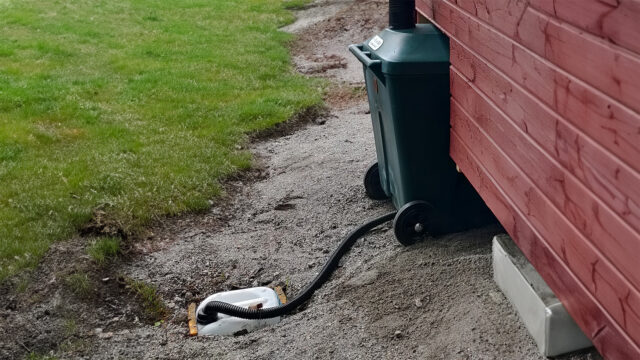
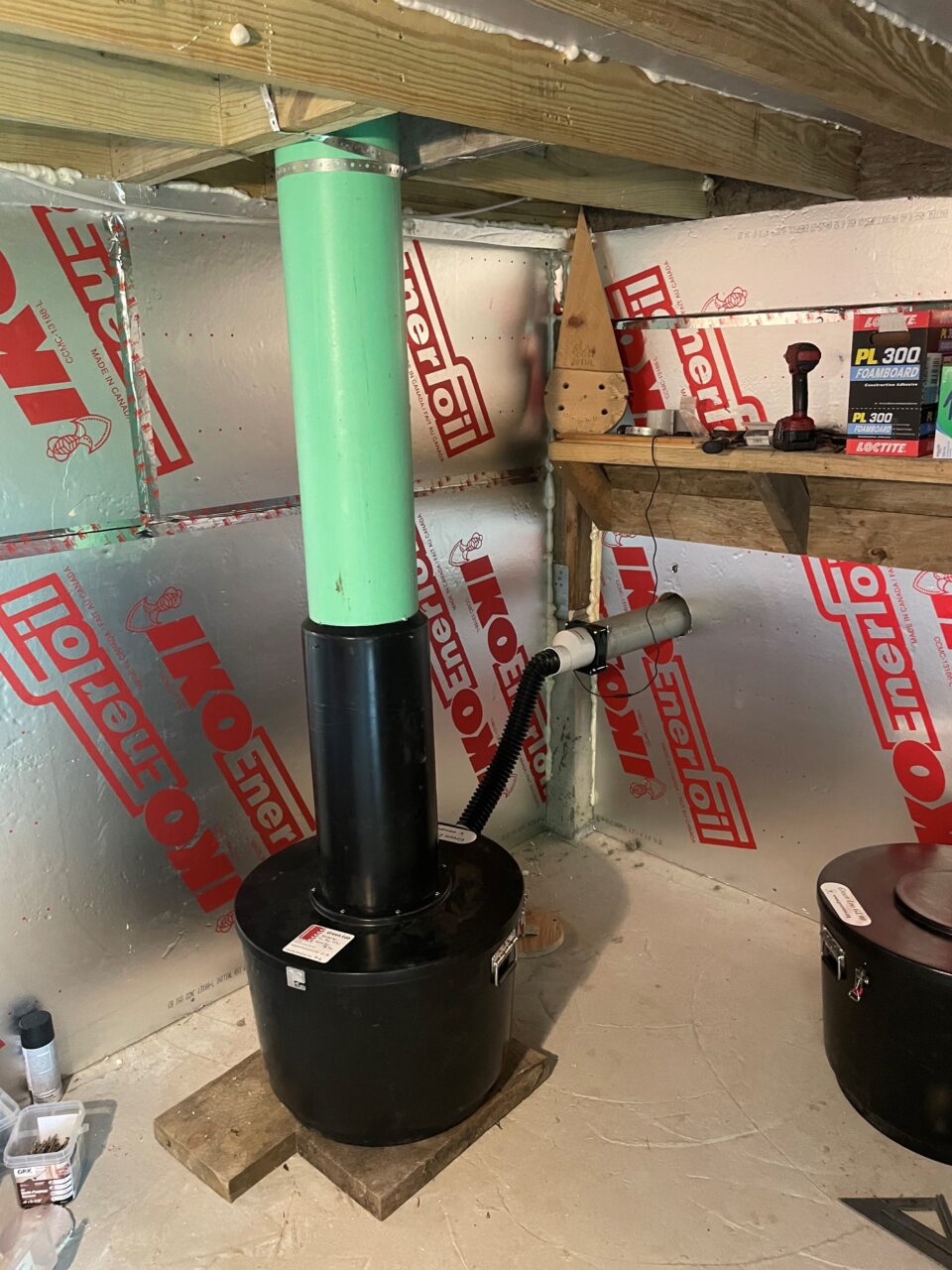
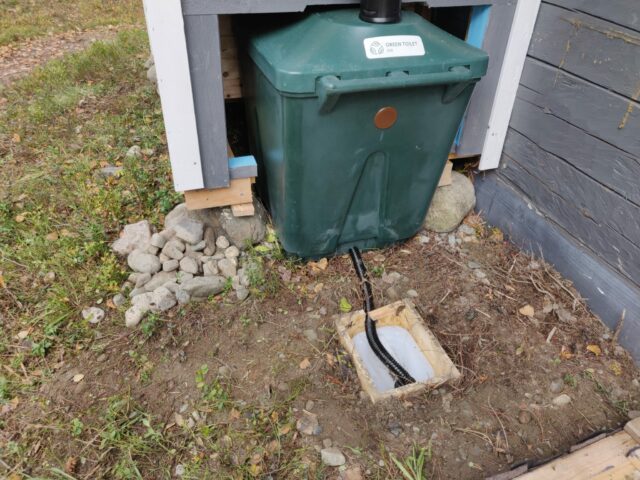
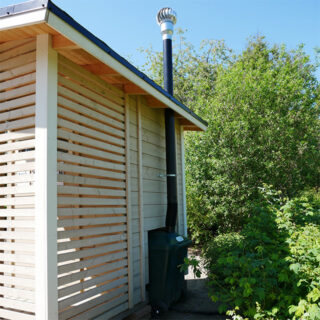
- efficient ventilation, supported by a 12V electric fan or off-grid solutions like a Whirlybird ventilator or a Solar Power Bank Kit.
If someone has had a bad experience with a composting toilet, the root cause is almost always liquid-separation malfunction or insufficient airflow due to failed ventilation.
Fortunately, modern systems are built to run 100% odor-free at all times, offering dependable comfort and reliability — so users can truly trust their performance in everyday off-grid or seasonal use.

Composting toilets fail in winter
MYTH – Composting toilets generally do not fail in winter. Cold temperatures only slow down and extend the decomposition time of solid waste, delaying the process of turning waste into safely reusable fertilizer.
For full-time, year-round cabins and off-grid homes — especially in cold climates — this means a larger or expandable container capacity is beneficial to maintain long service intervals.
To avoid frozen-season maintenance, we advise servicing the toilet in late fall, before winter arrives. This keeps emptying and maintenance work outside the freezing period.
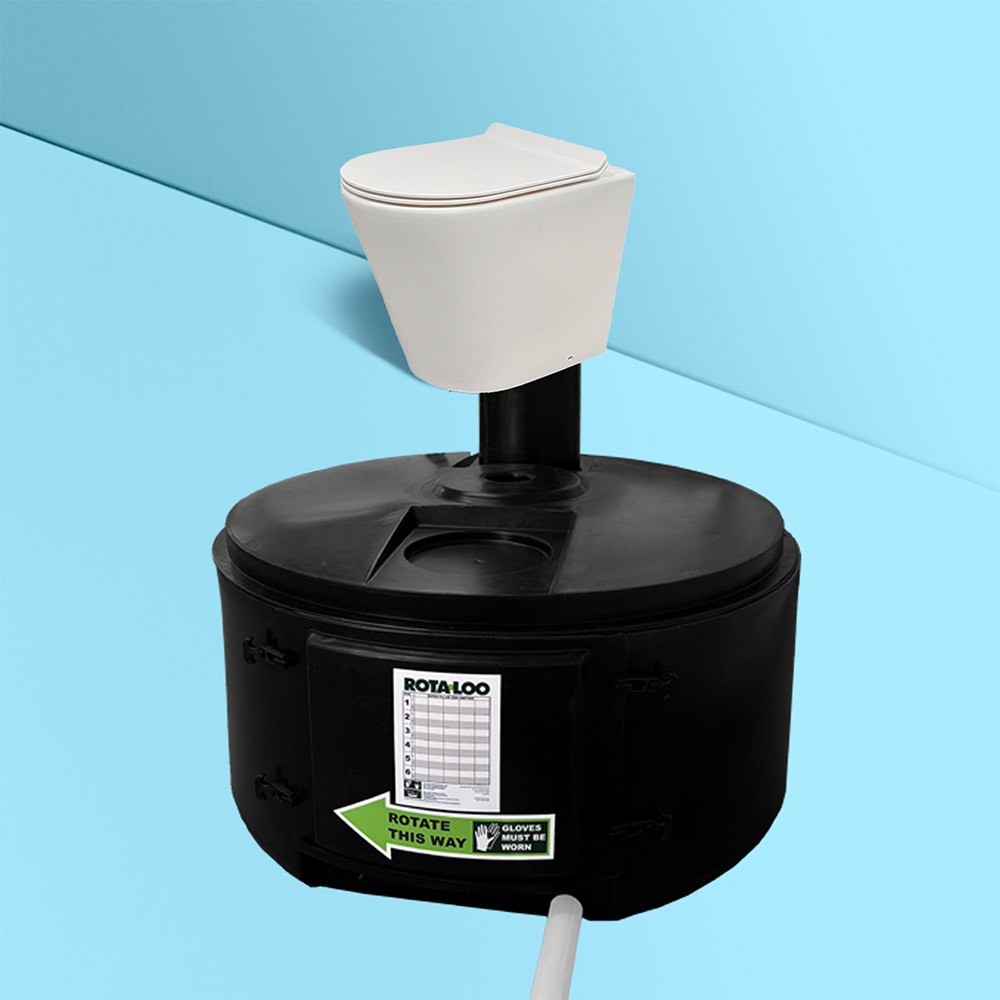
Batch composting toilets are ideal for cold climates, because capacity can be extended easily with spare composting bins, supporting uninterrupted, odor-free, long-interval use all winter.

Composting toilet can be washed with water
FACT – Yes — composting toilets can be cleaned with a toilet brush and small amounts of water from a bottle, bidet, or spray. Because many modern models separate excess moisture from solids, the added cleaning water doesn’t fill up the container.
Just avoid flushing large volumes of water daily — a composting toilet works best when it stays mostly dry. That’s also why they’re called dry toilets: the system is designed to be dry most of the time, not soaked.

Composting toilets are eco-friendly
FACT – Composting toilets are highly eco-friendly because they preserve valuable nutrients and recycle them back into nature naturally. Unlike septic systems, which dilute and spread waste, or incinerating toilets, which destroy nutrients through burning, composting systems support a true ecological cycle — returning clean, safe, and reusable organic matter back to the soil.

Composting toilets need emptying on a weekly basis
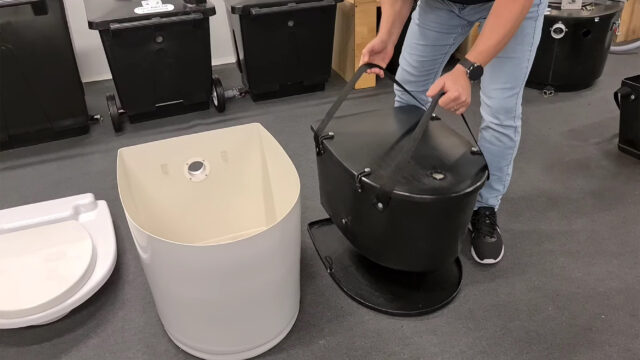
MYTH – Weekly emptying is not the norm for modern, well-designed, high-capacity systems. Many split-system toilets offer months to over a year of runtime between services depending on user count and container size.
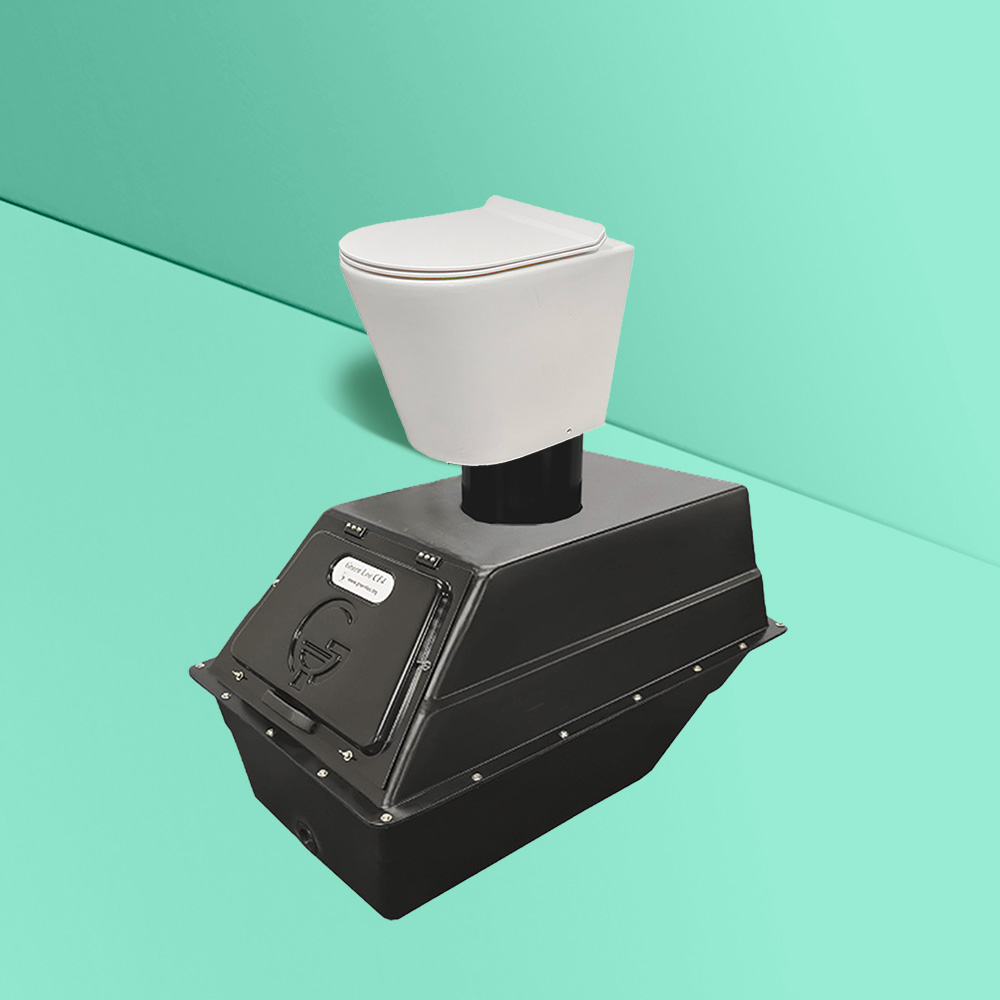
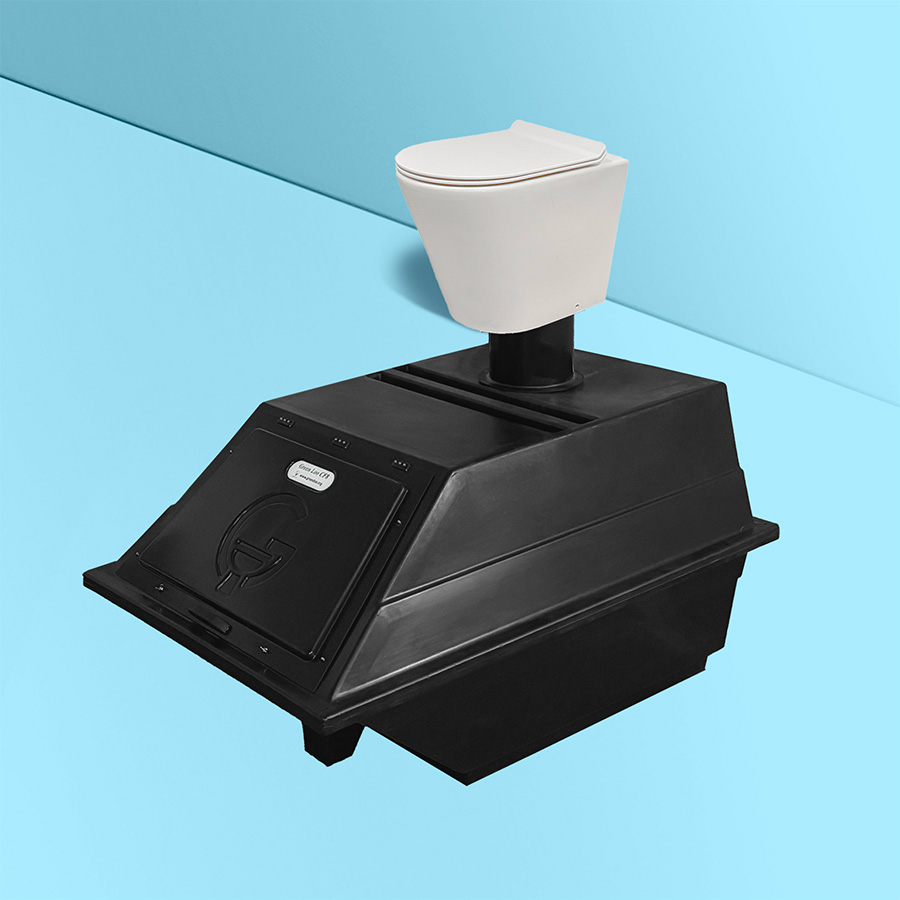
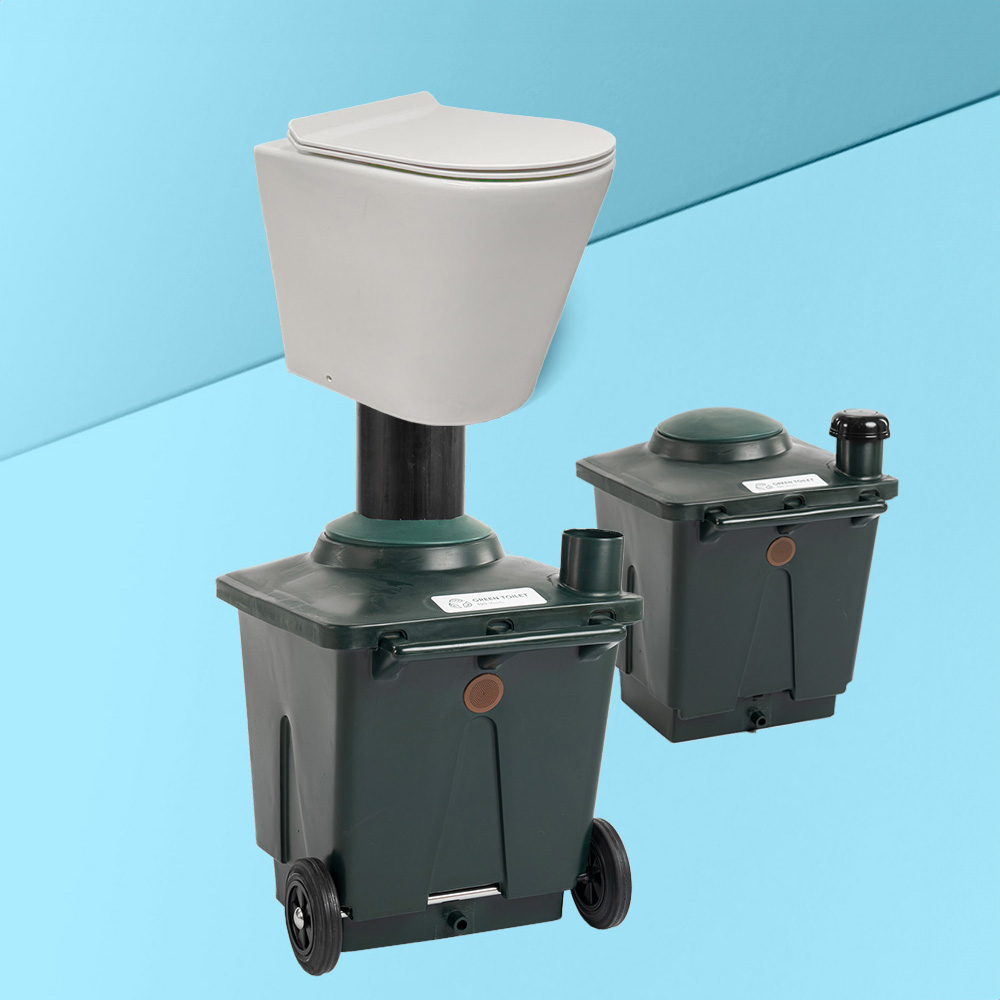
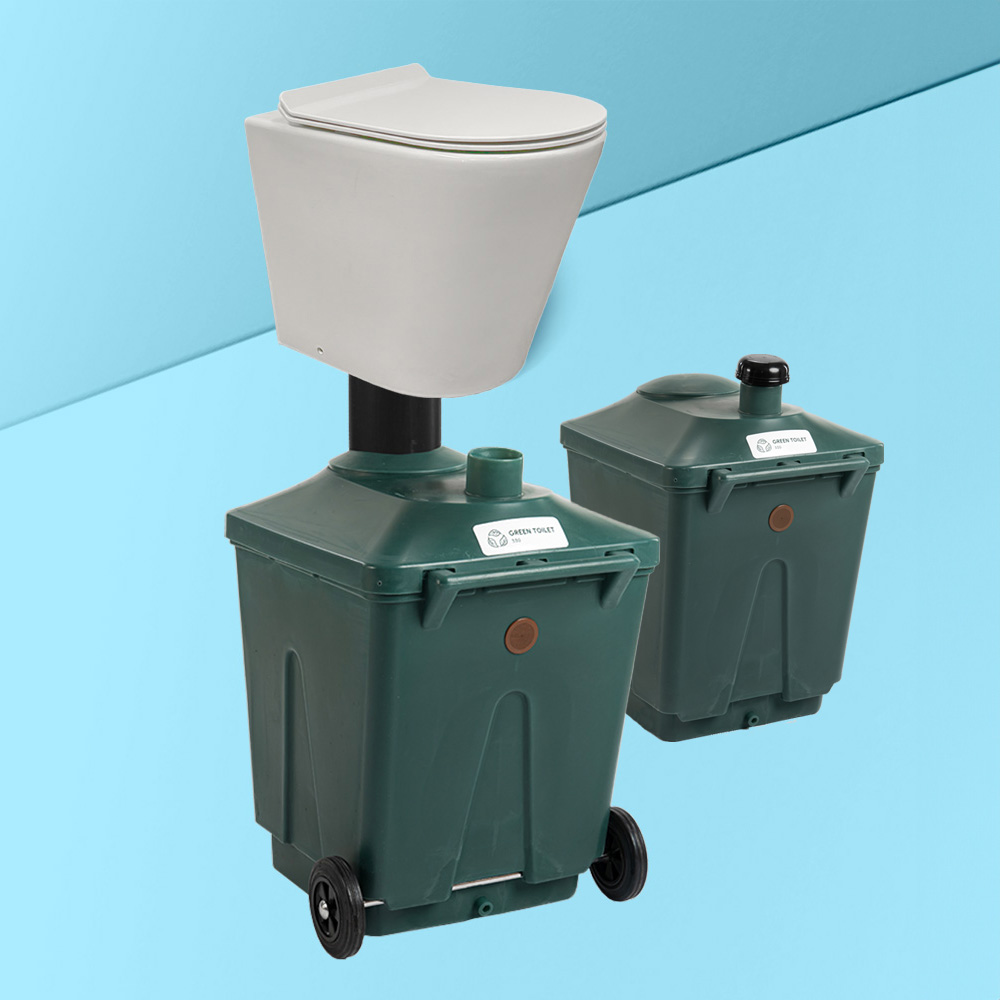
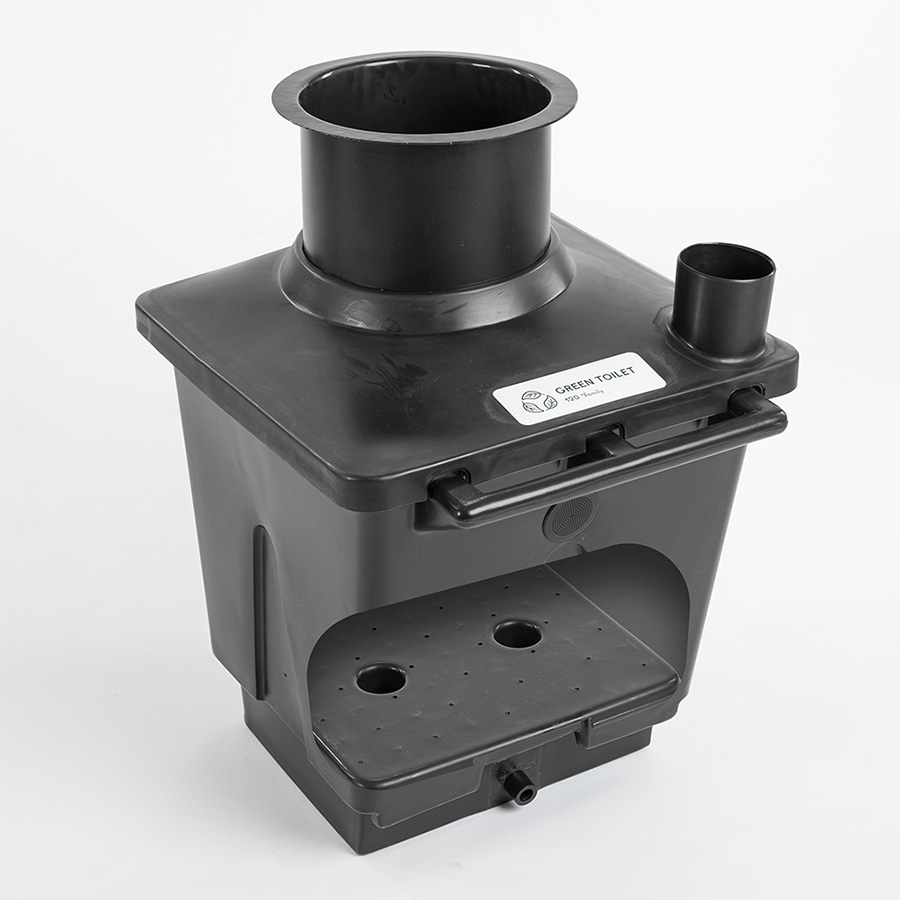
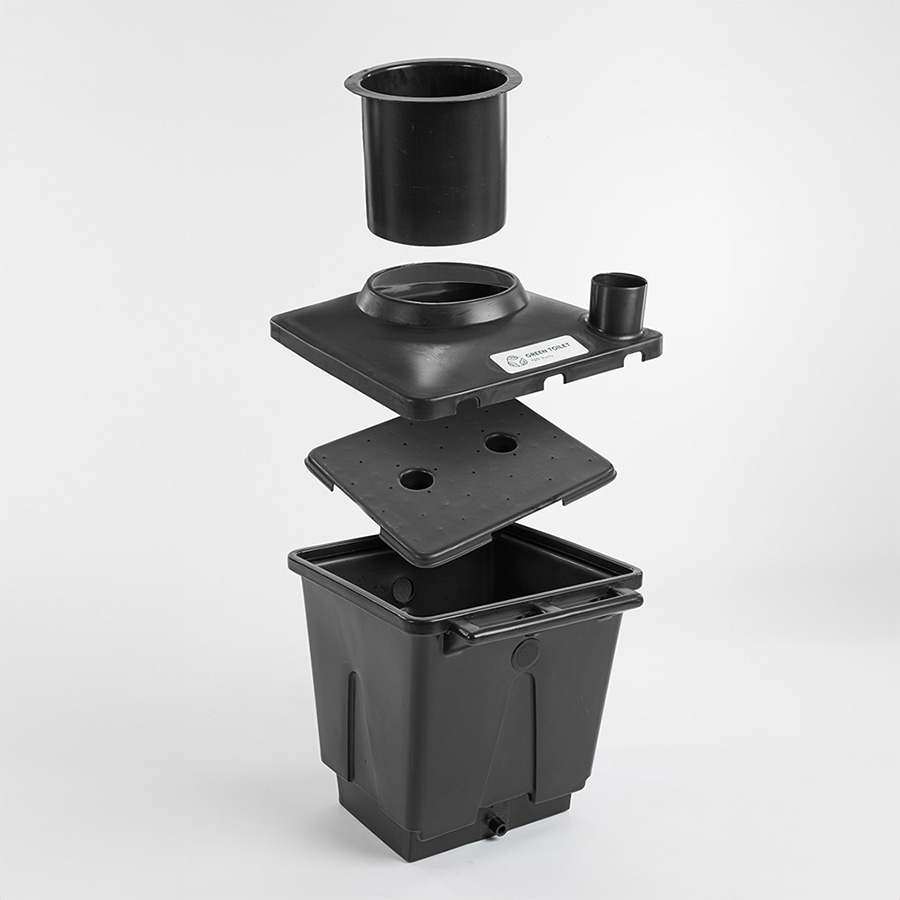
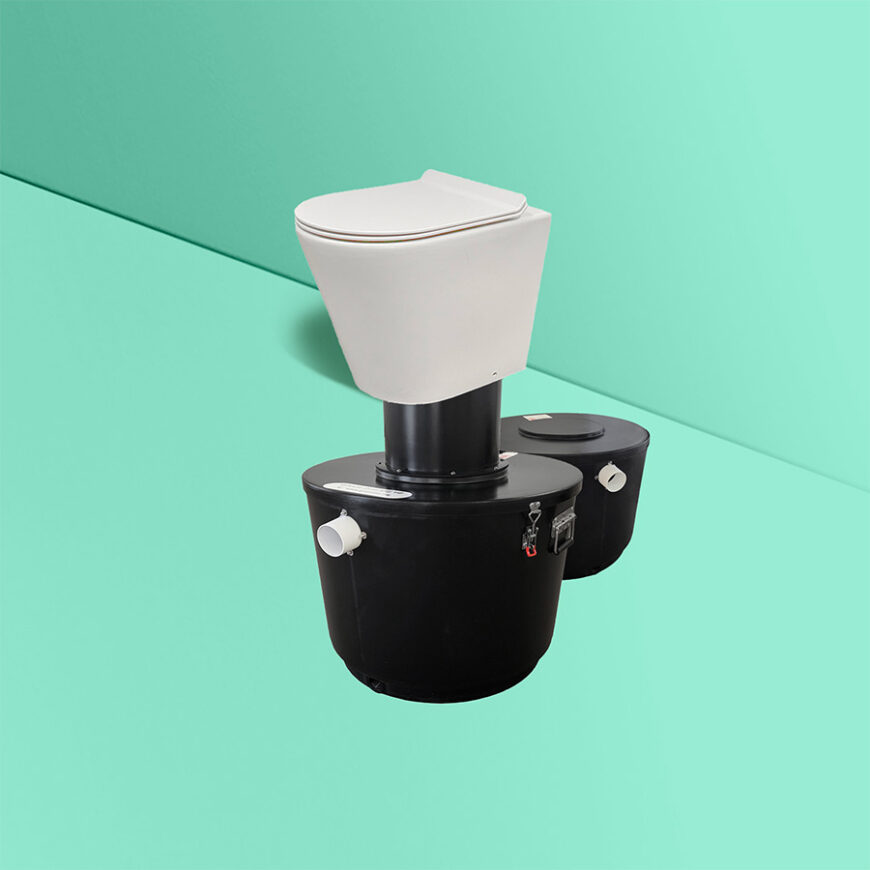
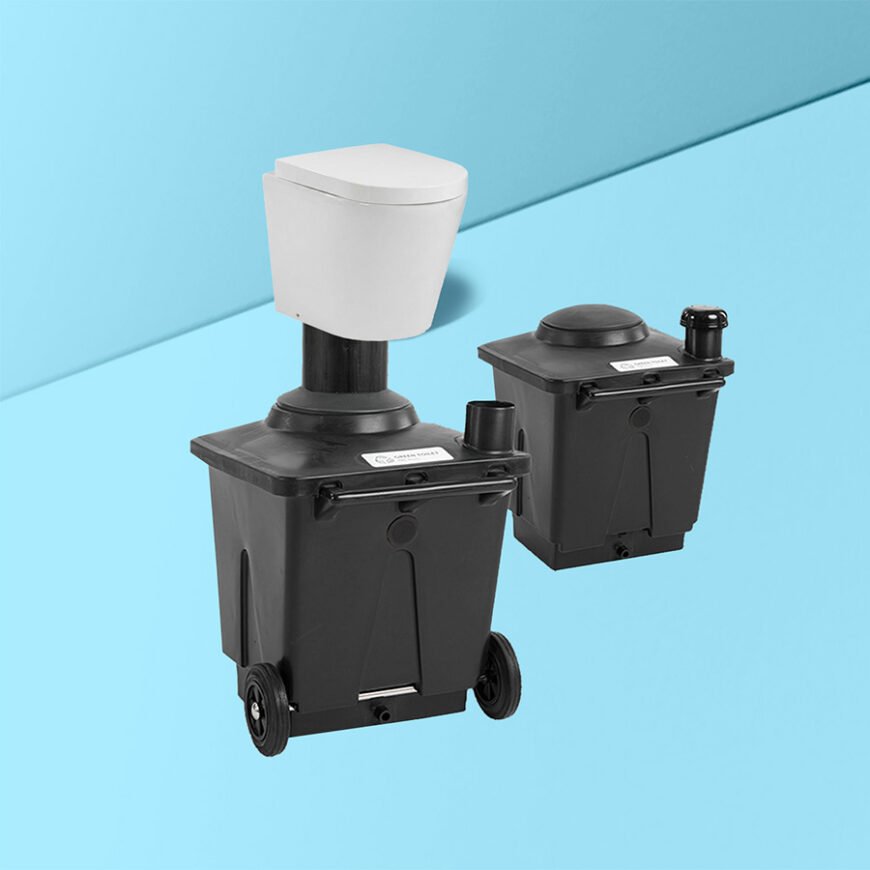
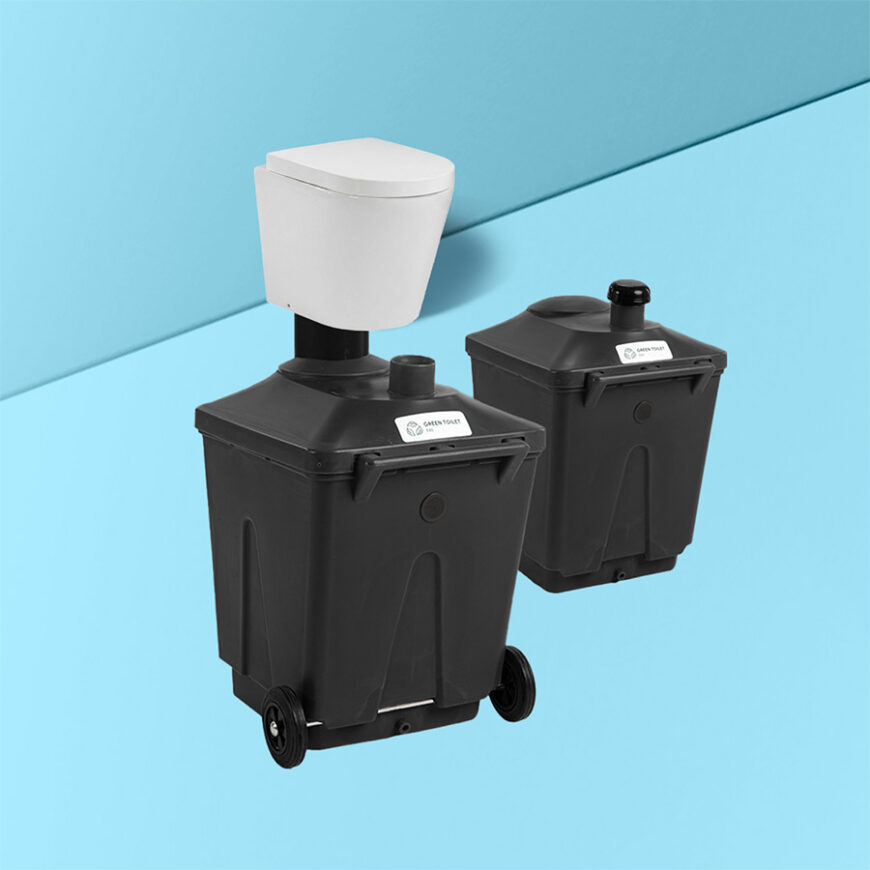
For example, the Green Toilet Lux 330 typically requires servicing only once or twice a year in a 4-person household — and in many homes, just 1–2 times annually, not 52 times. Large capacity systems are built for convenience, not constant maintenance.

Composting toilets attract rodents and pests
MYTH – Human waste (“humanure”) is not especially attractive to rodents or pests. Most issues blamed on the toilet actually come from misuse, not the system itself. To keep it pest-free, use the toilet only as intended and avoid adding kitchen scraps or leftover food — even though they could technically compost.
If you want to learn why this is not recommended, see our article: Putting Kitchen Leftovers Into the Composting Toilet.

They’re illegal in most U.S. states
MYTH – Composting toilets are not illegal in most U.S. states. In reality, they are widely approved, especially for off-grid homes, cabins, parks, and seasonal public use.
What often causes confusion is not a ban on composting toilets, but local rules for liquid discharge, installation standards, or misunderstanding the system type.
When installed correctly and paired with proper moisture separation and ventilation, composting toilets meet environmental and building goals in many states — making them a practical, lawful, and sustainable alternative to septic or incineration systems. Learn How to Navigate Composting Toilet Permitting in the U.S..

Composting toilets are only for outdoor use
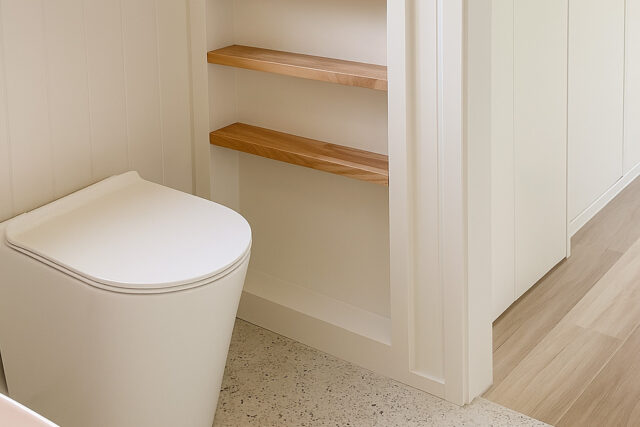
MYTH – Composting toilets are used indoors just as often as outdoors. Many models are specifically designed for indoor bathrooms, offering the same comfort and look as a flush toilet — minus the flush.
Indoor systems commonly feature a stylish porcelain toilet pedestal, giving a familiar, premium feel that matches a modern washroom aesthetic while staying fully waterless.

Composting toilets benefit from organic bulking agents
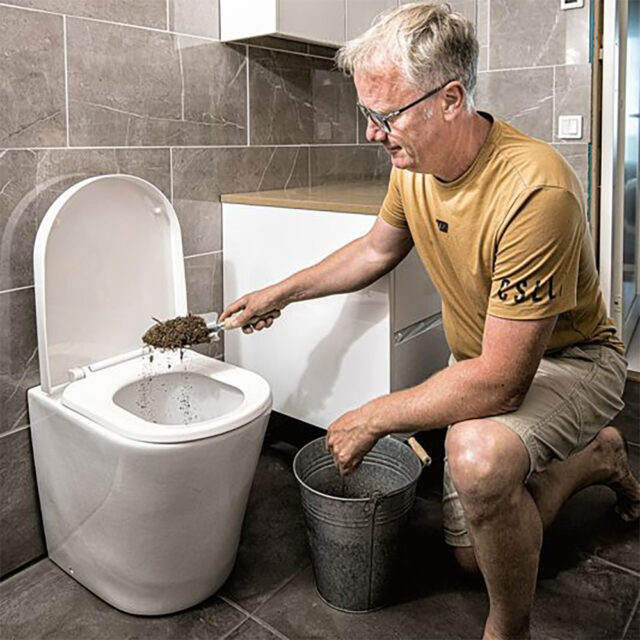
FACT – Composting toilets work best with organic bulking material, as it helps solids aerate for an efficient aerobic composting process.
You don’t need to add it after every use. A slightly larger amount once a week (or similar schedule) works just as well.
Common options include hemp shavings (included with our systems), but also coconut coir, peat moss, or other dry natural bulking agents. These materials improve aeration and keep the composting process effective.
Standard toilet paper can be put into a compost toilet
FACT – Yes — regular toilet paper is safe to use in a composting toilet. It breaks down naturally along with solid waste.
For feminine hygiene products, use a separate trash bin, as most contain plastic components that do not compost.

Composting toilets require electricity for ventilation
MYTH – Ventilation is essential, but it does not always require grid power. There are reliable off-grid ventilation options that work without electricity.
We commonly recommend a Whirlybird wind-driven ventilator or a Solar Power Bank Kit to run a 12V fan when needed. Both support strong airflow for consistent odor-free use, fully off-grid.

Composting toilets really work
FACT – Yes — composting toilets really do work, and they work great.
Sometimes they may require a little upfront planning to choose the best system, but that’s exactly where Waterless Toilet Shop steps in. Our experts help you find the right model for any use case — from tiny homes to year-round off-grid homes and public use cases.
You can also use our Product Finder tool: answer a few quick questions and get a tailored top recommendation instantly. It’s an easy way to match capacity, climate, and ventilation to your needs.
Want personal guidance too? Contact our experts today and let’s find the best composting toilet for you.
Contact us
📱(702) 328 0689
✉ info@waterlesstoiletshop.com




Who We Are
At Waterless Toilet Shop we are a dedicated team of dry toilet experts based in Henderson, Nevada. As a family-owned company with deep roots in Scandinavia and Australia, we bring a blend of global insights and local expertise to every product we create.
At Waterless Toilet Shop, we do more than just design and manufacture innovative composting toilets; we also use them daily. This hands-on experience allows us to continuously improve our products and ensure they meet the high standards of functionality and sustainability that our customers expect.
We are committed to living the eco-friendly principles we teach, making our solutions not just part of our business, but a part of our lives. Join us in embracing a more sustainable future, one flush at a time.
Read Our Story