 Composting
 Off-Grid
 Indoors
 Premium
 Floor-standing
 Tiny House
 ADU
ADU Urine-diverting
 Year-around
 Luxurious
 Cabins
 RVs
RVs Large capacity
 Cold climate
 Glamping
 Outhouses
 Batch toilets
 Public use
 Single-chamber
 Toilet Pedestals
 Accessories
How to Navigate Composting Toilet Permitting in the U.S.
Installing a composting toilet can be one of the most rewarding steps toward self-sufficiency — but before getting started, it’s important to understand how permitting works. In the United States, there is no single national rule governing composting toilets. Instead, the regulations are defined locally, and they vary enormously between states, counties, and even individual cities or towns.
Most jurisdictions handle composting toilets under the broader category of Onsite Wastewater Treatment Systems (OWTS), which also includes septic systems and greywater systems. This means your composting toilet permit is typically reviewed by the same local health department or environmental agency that oversees septic installations.

However, every authority interprets the rules a little differently. For example:
- Some states, like Maine and Washington, provide guidelines and pre-approved systems.
- Others, such as California or Texas, leave much of the decision to county-level health officers.
- In certain cities, local plumbing or building codes may add additional requirements.
To create consistency across the country, the NSF/ANSI Standard 41 – Composting Toilets serves as the most widely recognized performance benchmark. This standard verifies that a composting toilet system effectively treats waste through aerobic decomposition, controls odors, and produces a stable, pathogen-free end product.
Most states and counties require that the composting toilet model be certified under NSF/ANSI 41 or through an equivalent testing and certification program. Having such certification significantly improves the chances of your system being accepted, even in areas with stricter permitting requirements.
Because of this fragmented landscape, the approval process can range from a simple notification form to a full engineering plan. But once you understand how the system works — and how to present your project clearly to your local authorities — the process becomes much more manageable.
In the next article, we’ll go step by step through the composting toilet permitting process in the U.S., explaining how to:
- Identify your local OWTS authority,
- Choose the right certified composting toilet system, and
- Prepare documentation for permit application.
Step 1: Identify Your Local OWTS Authority
Before beginning your composting toilet permit application, the most important step is to identify which local office handles Onsite Wastewater Treatment Systems (OWTS) in your area.

In most states, the responsibility falls to the county environmental health department or a similarly named office (such as the Department of Environmental Quality or Environmental Services). These departments oversee all wastewater systems, including septic systems and composting toilets.
To locate the right office, start with a quick Google search using phrases like:
- “Your county name + OWTS”
- “Your county name + environmental health department”
- “Your county name + onsite wastewater permit”
Once you find a likely department, start with a general inquiry to confirm that you’re speaking with the right office and to understand their basic permitting process. You can call or email them and ask questions like:
- Is this the correct department for permitting composting toilets or onsite wastewater systems?
- Do you have a specific form or application for composting toilets?
- What is the approximate cost of the permit?
- How long does the permit process typically take?
- Are there any specific documents or technical specifications required?
By keeping your initial questions general, you’ll quickly find out how the process works and what documentation you’ll need to prepare — without committing to details before you’ve gathered the full picture.
Once you’ve confirmed that you’re talking to the right people, you can then begin collecting the materials they’ll ask for — such as product certifications, system diagrams, and maintenance instructions — before presenting your full application. At Waterless Toilet Shop, we’re happy to help with this step. Contact us!
Taking this structured, step-by-step approach helps build a smoother relationship with the local authorities and shows that you’re well-prepared and cooperative from the start.
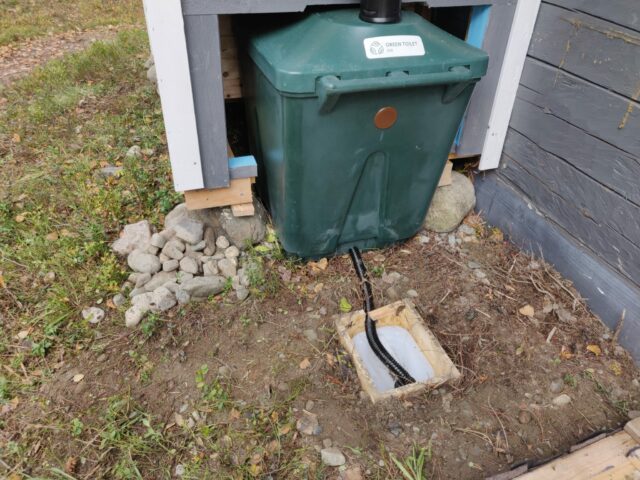
State of Maine approves the Green Toilet
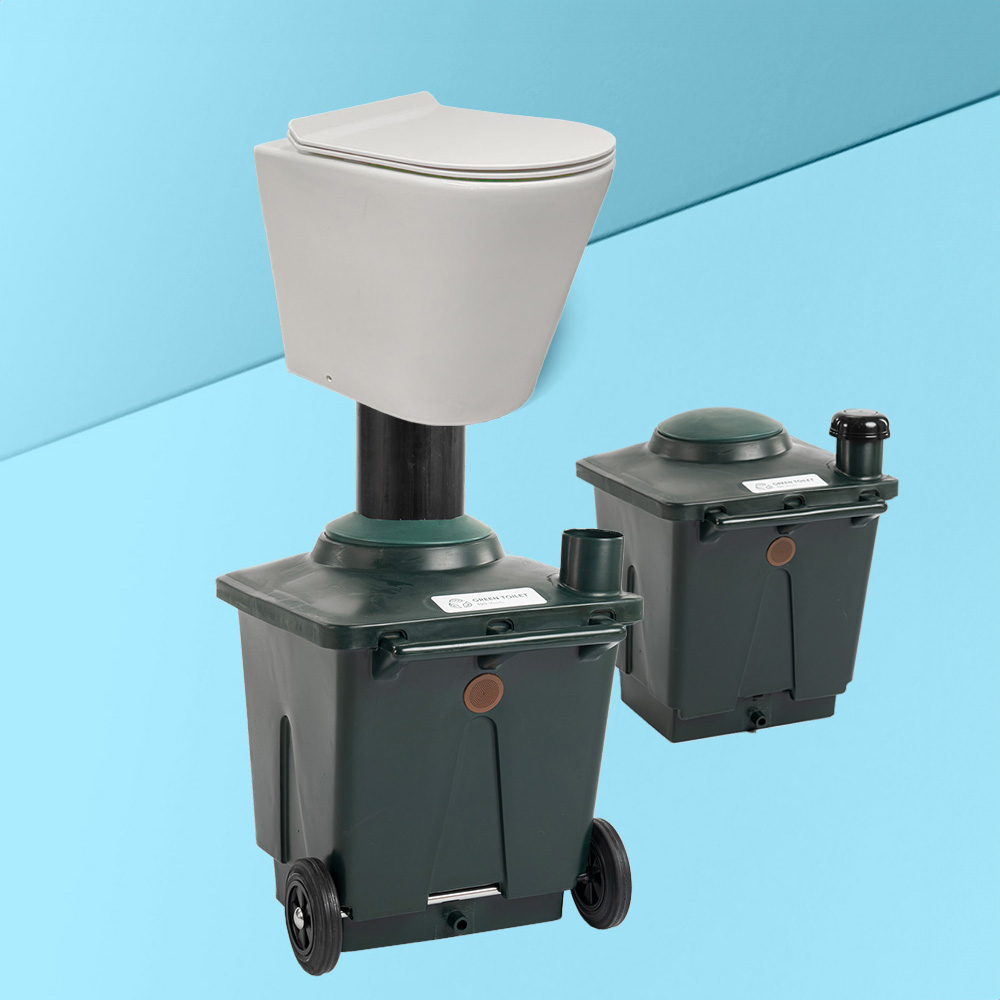
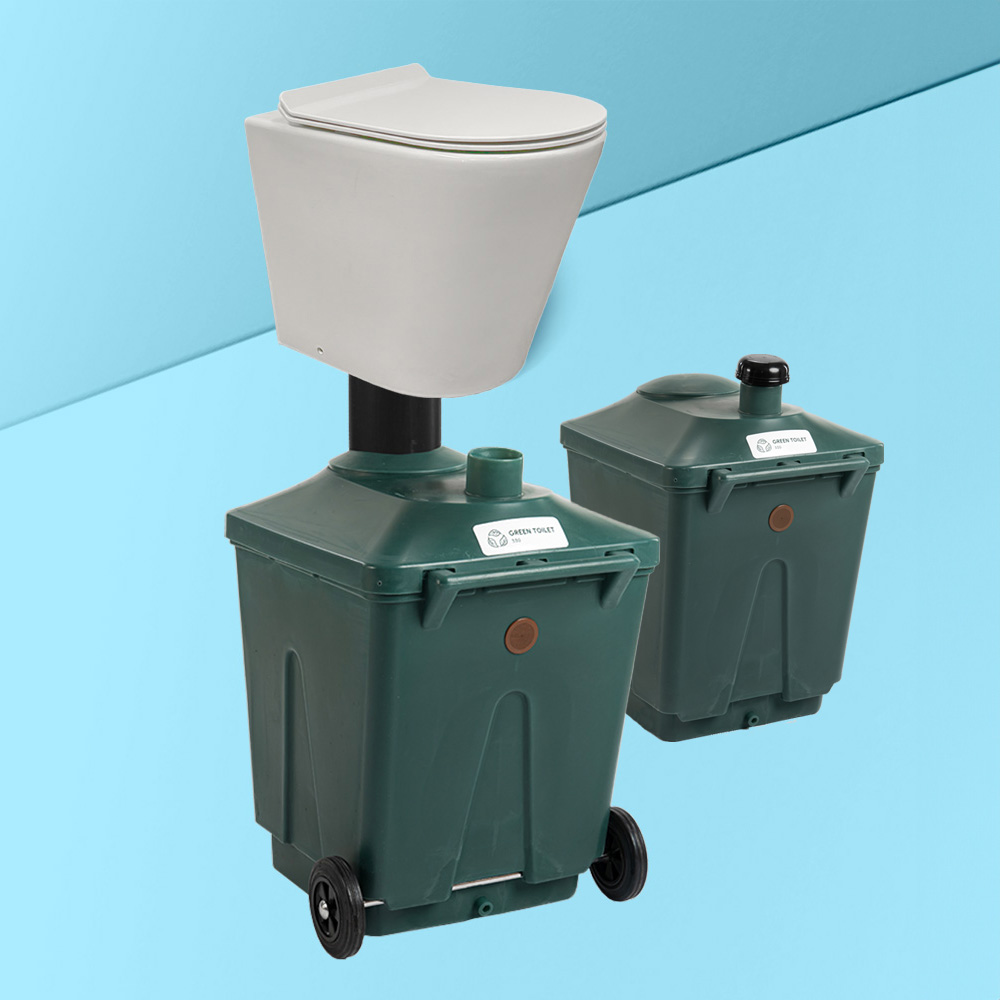
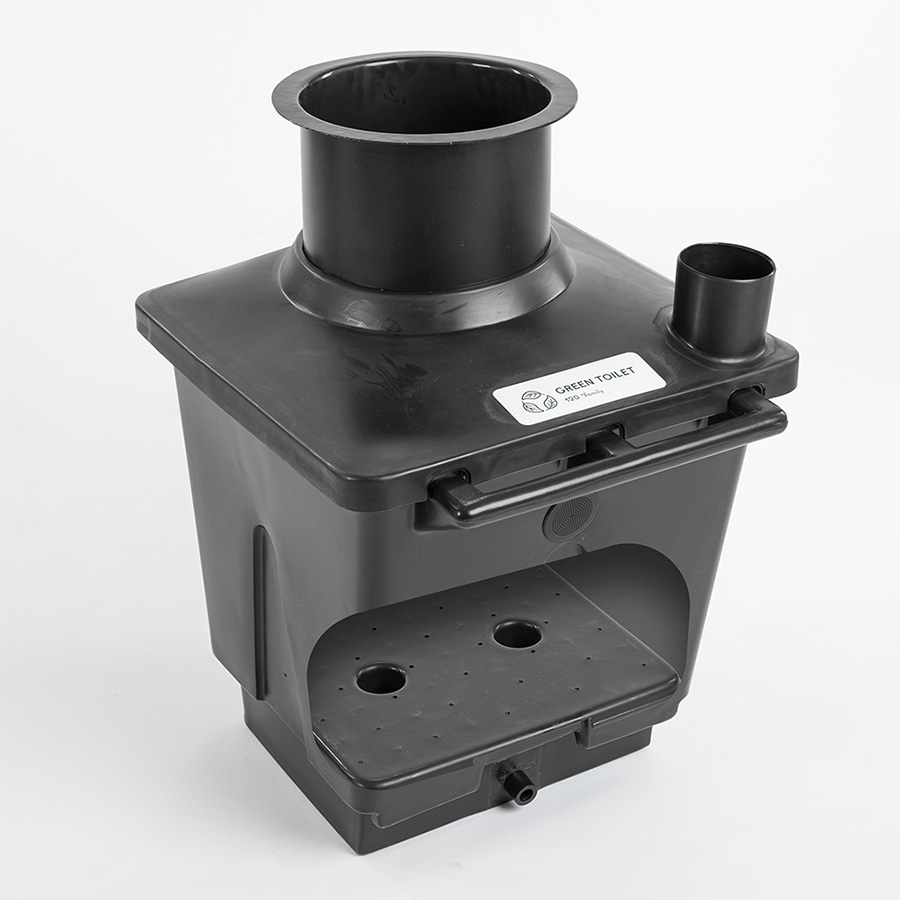
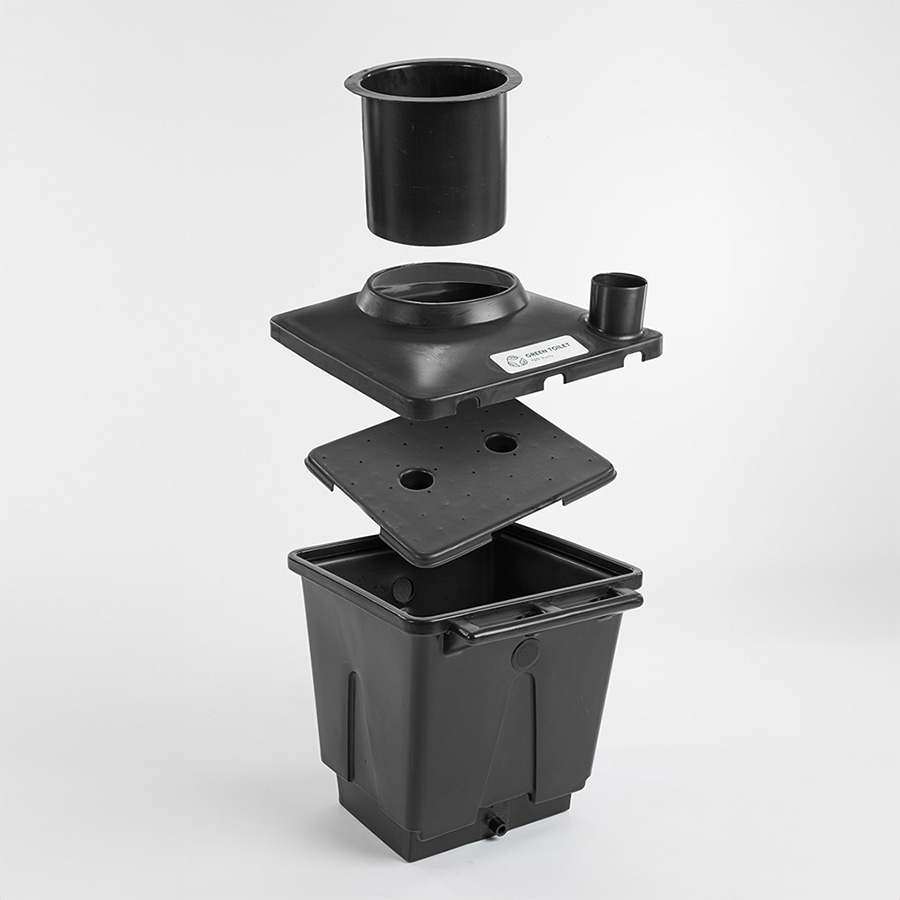
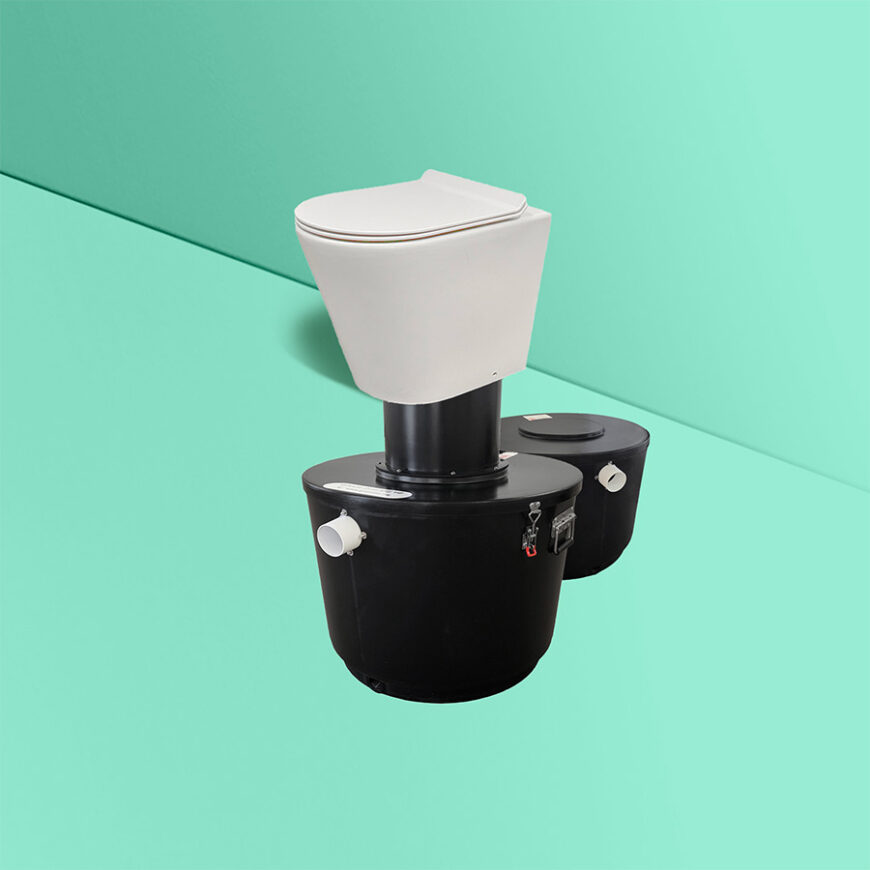
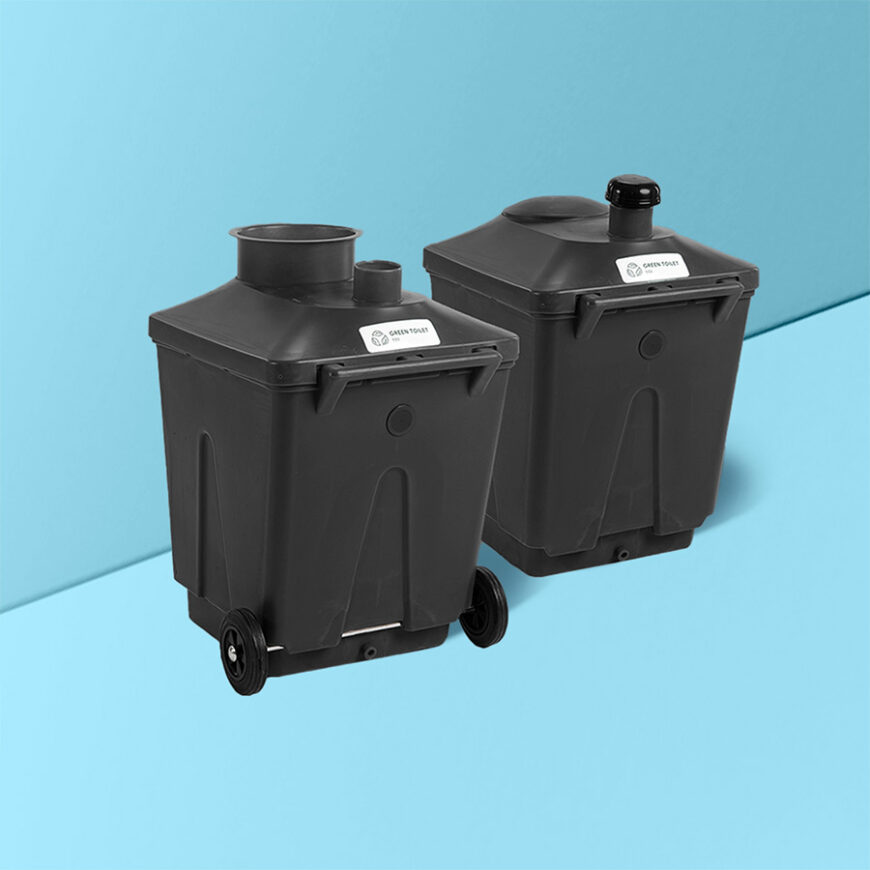
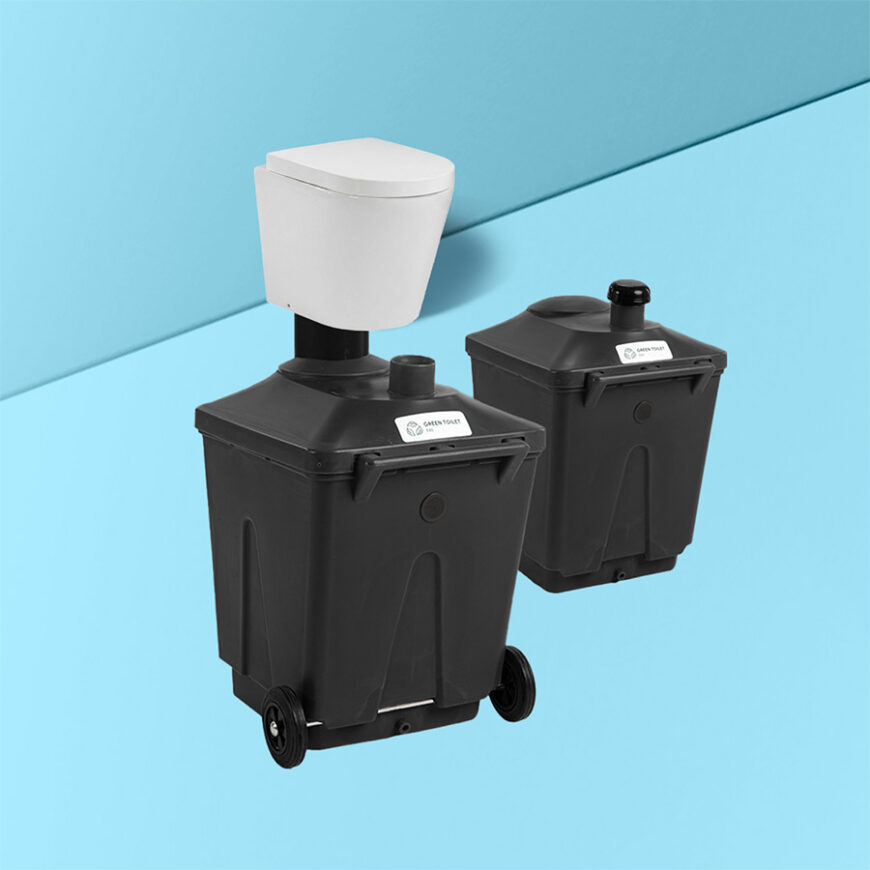
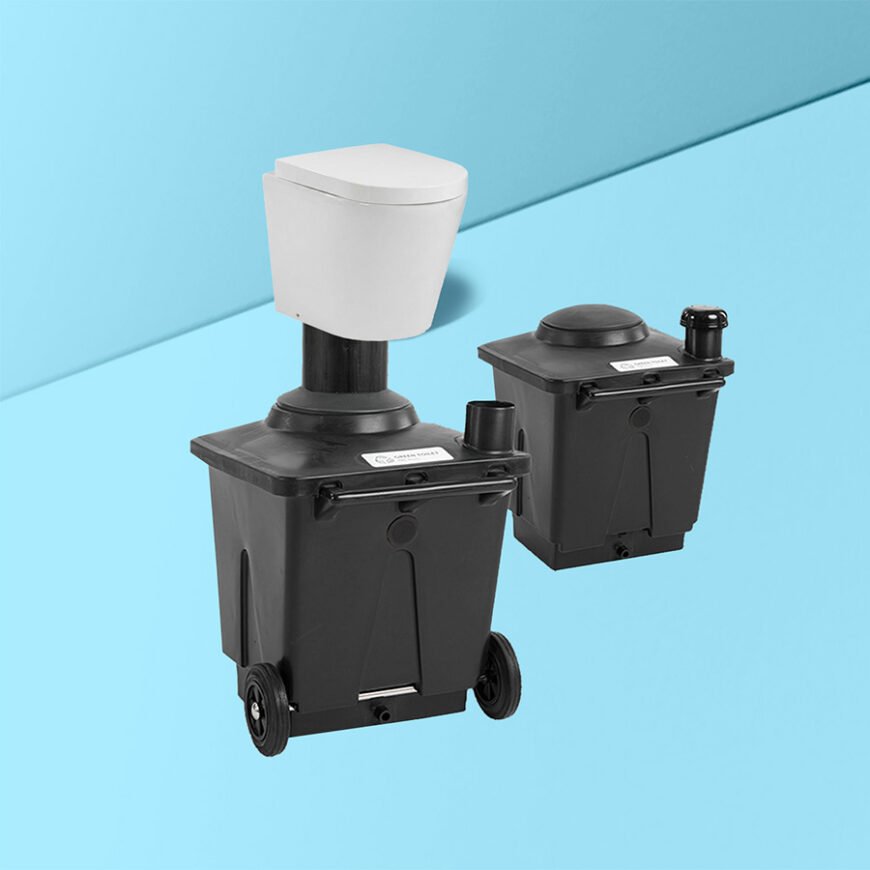
Many U.S. states allow the use of composting toilets. Some states like the State of Maine and Arizona have their own list of approved composting toilets. If you are considering to use a composting toilet in the State of Maine, we got good news: Maine has recently officially approved the use of Green Toilet composting toilet. Learn more Composting Toilets in Maine: A Practical Guide for Cabin Owners and Homeowners.
Step 2: Choose the Right Certified Composting Toilet System

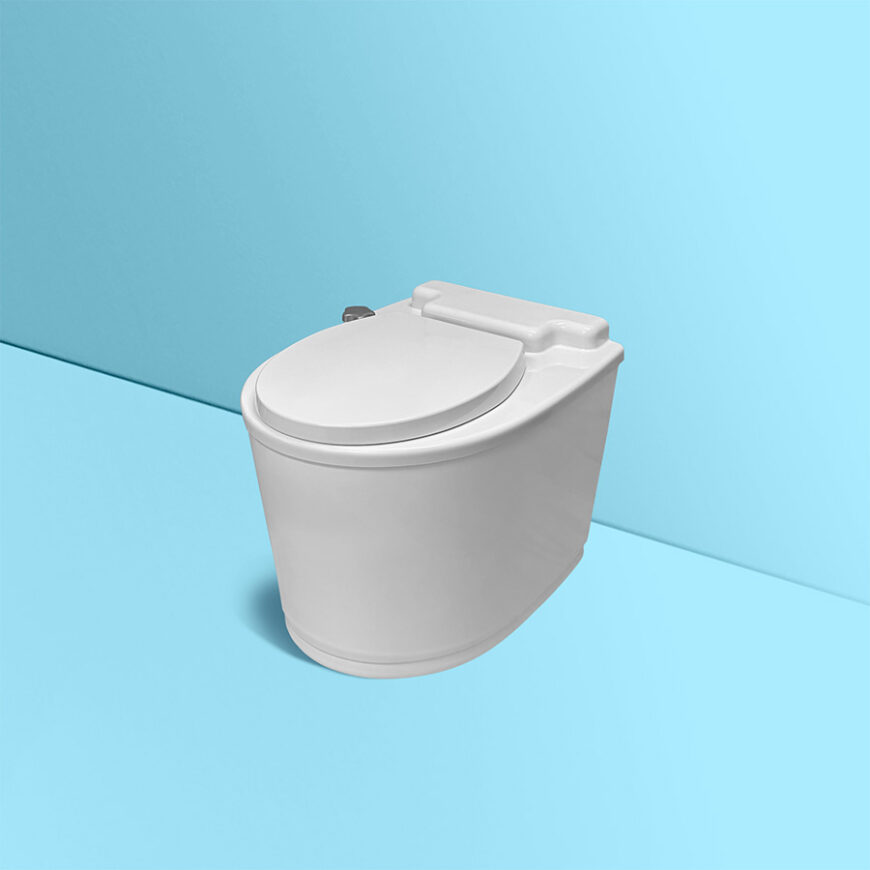
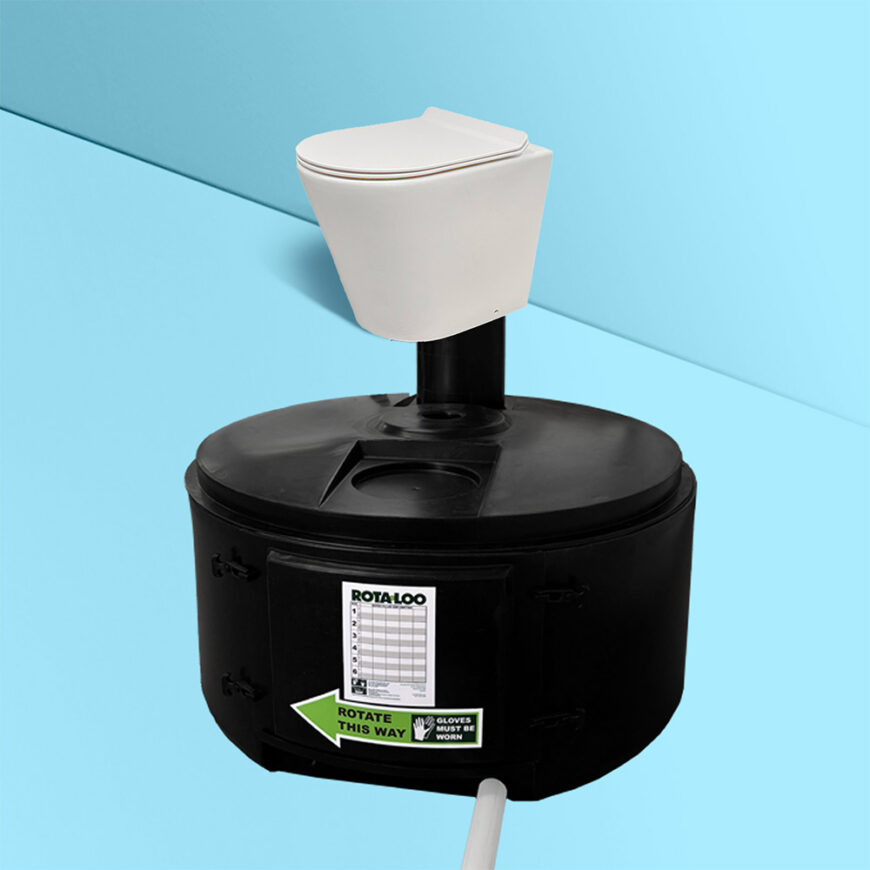
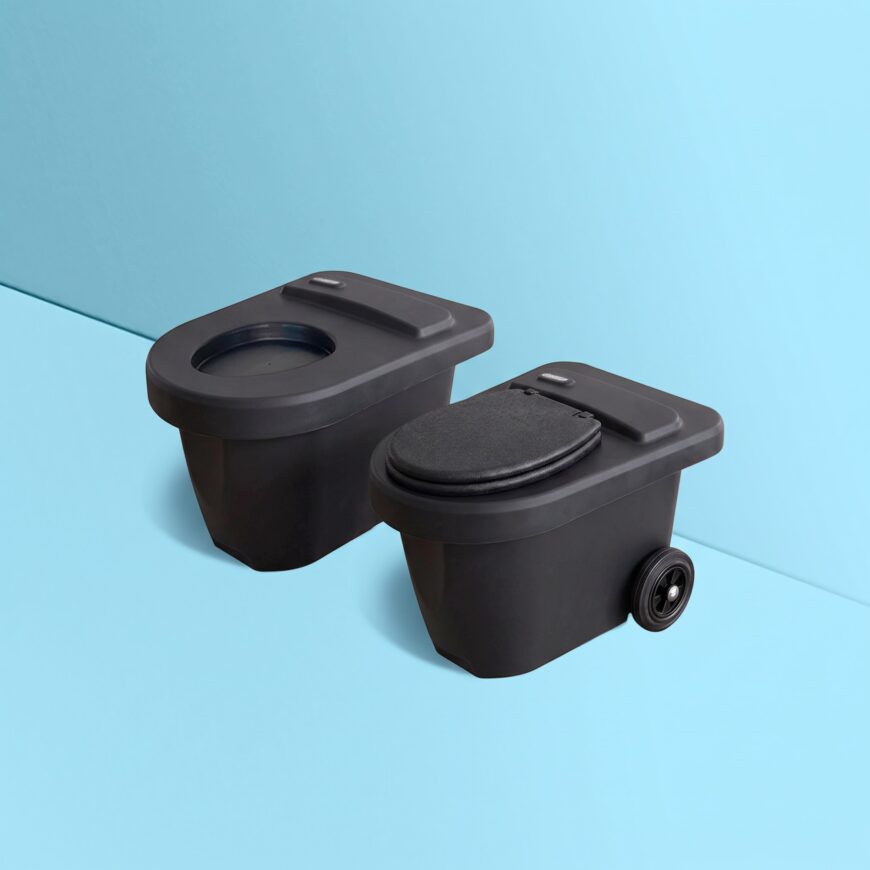
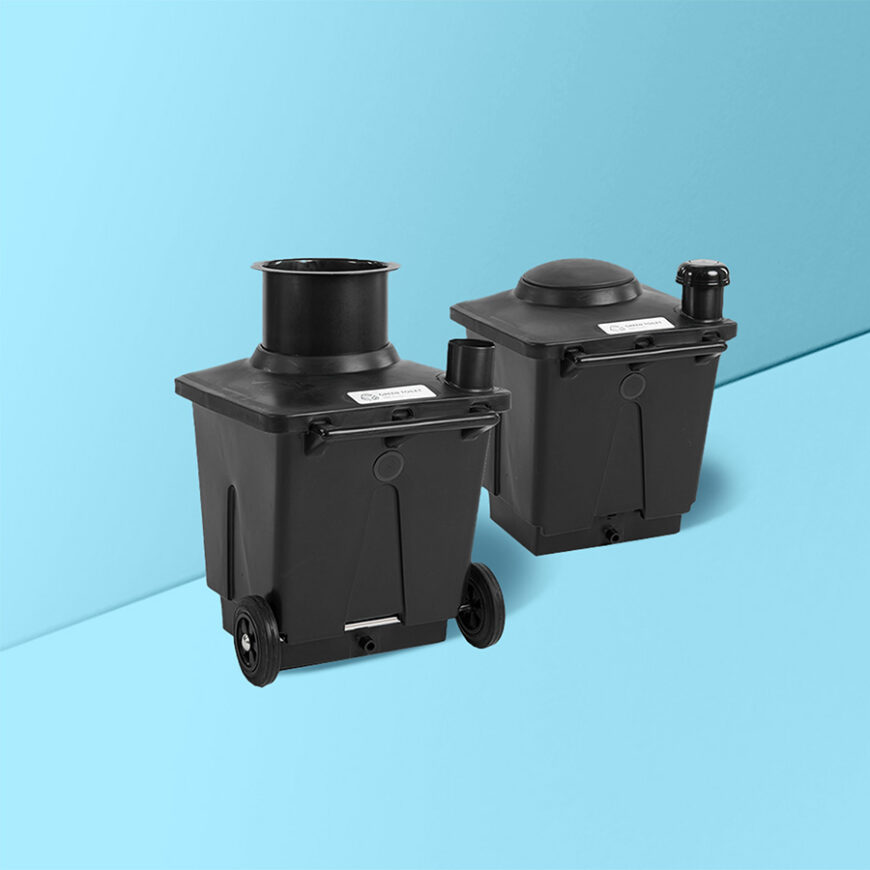
Before preparing your permit application, it’s important to select the composting toilet model that best fits your location, usage level, and installation type. Choosing a suitable system not only ensures a better user experience — it also strengthens your permit application by showing that you’ve selected a toilet with proven treatment performance and appropriate capacity.
At Waterless Toilet Shop, we make this step easy. You can:
- Use our Product Recommendation Form to get instant recommendations — no email required.
- Or contact us directly by email for a personal recommendation.
When reaching out, it helps to include a few basic details:
- Is the toilet for full-time or part-time use?
- How many people will use it?
- Will it be installed indoors or outdoors?
- In which state and county will it be located?
Providing these details helps us recommend a system that aligns with local permitting expectations and provides the most reliable performance for your setting.
Once you’ve chosen your composting toilet, you can move on to preparing the supporting documentation for your application — including product certificates, brochures, manuals, and a simple property layout showing how the system will be used.



Step 3: Gather Your Supporting Documentation
Once you’ve identified which local authority handles the permitting and the best composting toilet system for your needs, the next step is to collect the documents that support your application.
Most counties will ask for proof that your composting toilet meets a recognized performance standard — usually NSF/ANSI Standard 41: Non-Liquid Saturated Treatment Systems. This U.S. standard verifies that a composting toilet safely and effectively treats human waste. 
At Waterless Toilet Shop, none of our composting toilets are currently NSF/ANSI 41 certified. The certification process is extremely expensive and time-consuming, which is why most composting toilet manufacturers have not NSF certified the systems.

The good news is that many of our systems are certified under the Australian Standard AS/NZS 1546.2:2008, which is more or less the equivalent to NSF 41 and follows nearly identical testing requirements.
View AS/NZS 1546.2 Certificate
NSF-certified systems are verified to meet six requirements:
- The system can handle its rated capacity for long-term use and occasional overload.
- The system produces no offensive odors.
- The composted output meets strict bacterial-content and pathogen-reduction criteria.
- Advertising and labeling are accurate and not misleading.
- Testing is performed independently, without manufacturer access.
- Laboratory results are confirmed by additional field testing.
The AS/NZS 1546.2:2008 Standard follows very similar performance and verification principles. Many local health departments will accept such certification when presented with proper supporting documentation.
When preparing your application, include:
- Product brochure or fact sheet for the composting toilet model.
- Certification document (such as the AS/NZS 1546.2:2008).
- Installation and maintenance manual.
- A written statement explaining why the selected system is the most practical and reliable choice for your site (for example, the only batch-composting model with a porcelain pedestal, or a fully waterless system ideal for seasonal cabins).
- A clear description of the full treatment cycle — how waste is collected, composted, and safely reused as a soil conditioner.
- A simple property map or site sketch showing where the composting toilet will be located, where composting takes place, and how the end product will be managed or reused.

When describing your system to local authorities, it’s helpful to emphasize the following important points:
A) All our composting toilets are completely waterless. The volume of liquid leaving the system is typically 15–30 times less than that from a regular flush toilet, significantly reducing the overall wastewater load.
B) Every system we offer can be installed in a way that ensures no uncontrolled discharge into the environment. Both solids and liquids can be fully contained and treated within the system. Once composting is complete, the stabilized material can be safely reused as a natural fertilizer, as all harmful bacteria have died off during the composting process.
Finally, your application must also include the official forms provided by your local authority, such as the OWTS application form, any payment form, and other required attachments. These forms are typically downloadable from the county’s environmental health website or available upon request.
At Waterless Toilet Shop, we can help you prepare this package by providing manuals, brochures, certification documents, and product information for any of our composting toilet models — making your submission clear, complete, and ready for review.
Final Thoughts
Getting a composting toilet approved may seem complicated at first, but once you break the process into clear steps — finding the right local authority, choosing a certified system, and preparing proper documentation — it becomes much more manageable.
Every county and city has slightly different requirements, but most officials are open to waterless toilet solutions when presented with well-organized, factual information. By following these steps, you’ll maximize your chances of receiving an easy and successful permit and move one step closer to enjoying an odor-free, environmentally friendly sanitation system on your property.
If you need help at any stage of the process, don’t hesitate to contact us at Waterless Toilet Shop — we’re always happy to assist with documentation, recommendations, and advice.

Who We Are
At Waterless Toilet Shop we are a dedicated team of dry toilet experts based in Henderson, Nevada. As a family-owned company with deep roots in Scandinavia and Australia, we bring a blend of global insights and local expertise to every product we create.
At Waterless Toilet Shop, we do more than just design and manufacture innovative composting toilets; we also use them daily. This hands-on experience allows us to continuously improve our products and ensure they meet the high standards of functionality and sustainability that our customers expect.
We are committed to living the eco-friendly principles we teach, making our solutions not just part of our business, but a part of our lives. Join us in embracing a more sustainable future, one flush at a time.
Read Our Story