 Composting
 Off-Grid
 Indoors
 Premium
 Floor-standing
 Tiny House
 ADU
ADU Urine-diverting
 Year-around
 Luxurious
 Cabins
 RVs
RVs Large capacity
 Cold climate
 Glamping
 Outhouses
 Batch toilets
 Public use
 Single-chamber
 Toilet Pedestals
 Accessories
Vault Toilet vs. Composting Toilet: A Better Alternative for Cabins and Off-Grid Properties
If you’re planning an off-grid cabin, building on a remote property, or looking for a sustainable toilet solution without plumbing, you may have come across the term ‘vault toilet.’ These waterless systems are common in parks and campgrounds—but for cabins, smaller properties, and private use, they’re often expensive, high-maintenance, and not the most pleasant choice.In this article, we’ll explain how vault toilets work, why they may not be the right fit for your property, and how modern composting toilets offer a cleaner, more cost-effective alternative—with no service trucks, no underground tanks, and significantly less odor.
What is a Vault Toilet?
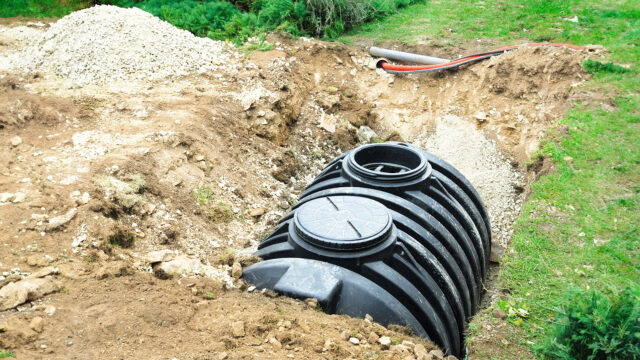
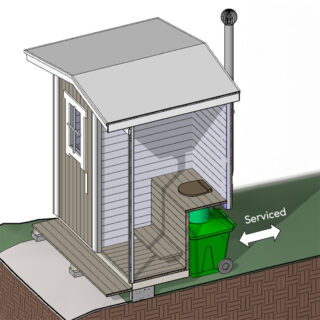
A vault toilet is a type of non-flush toilet that stores human waste in a large, sealed underground tank—known as a “vault.” Unlike traditional flush toilets, vault toilets do not use water. Instead, waste drops directly into the vault, where it is held until a service truck comes to pump it out and transport it to a treatment facility.
You’ll often find vault toilets in places where running water and sewer connections are not available, such as national parks, trailheads, campgrounds, and other remote outdoor recreation areas. They are designed to provide a simple and durable sanitation solution in off-grid settings, especially where heavy visitor traffic requires a large-capacity system.

How do Vault Toilets work?
Vault toilets operate on a simple principle: waste is collected in a large, sealed underground tank called a vault. Because they don’t use water or plumbing, everything goes directly into this holding tank.
To keep the system functioning, the vault must be periodically pumped out by a service truck and the waste transported to an approved treatment facility. The frequency of servicing depends on how heavily the toilet is used and the size of the tank.
Most vault toilets also include a ventilation system, usually a vent pipe that extends above the roof of the structure. This helps to release odors outside rather than inside the restroom, though in practice odors can still be an issue—especially if servicing is infrequent.

Why Vault Toilets May Not Be Right for Your Property
Vault toilets work well in their original context: high-traffic public sites where heavy infrastructure and regular service trucks are part of the operation. But for cabins, smaller properties, and most private off-grid use, they come with significant drawbacks that are worth understanding before you commit to one.
High Servicing Costs
Because waste is stored in a large underground tank, it has to be pumped out and hauled to a treatment facility by specialized service trucks. In remote areas, this can be expensive—often hundreds of dollars per servicing—and the cost recurs every time the tank fills. Over a 10-year period, the cumulative servicing cost typically far exceeds the initial installation, making vault toilets one of the most expensive long-term sanitation options for private use.
Persistent Odor Issues
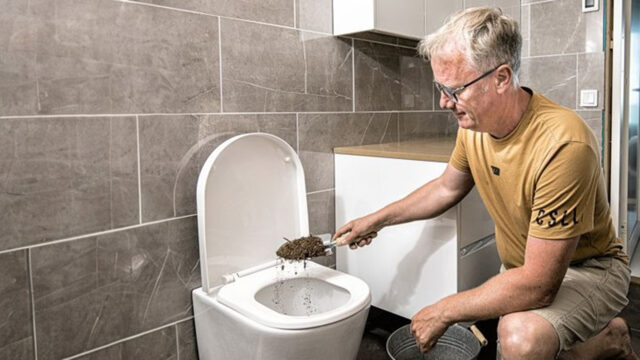
Odor is the single most common complaint about vault toilets. Waste accumulates in a sealed tank where it remains wet and densely packed, creating ideal conditions for unpleasant smells to develop. While vent stacks and airflow systems help move odors outside, they rarely eliminate them—especially in warm weather or during periods of heavy use.By contrast, composting toilets handle moisture very differently. They use organic bulking material like wood shavings or peat, separate excess liquid from solids, and rely on natural decomposition. The result is a drier composting mass, far less odor, and a much more pleasant experience for users.
Heavy Infrastructure Requirements
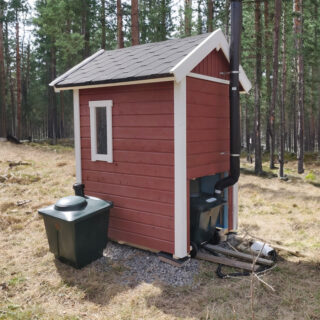
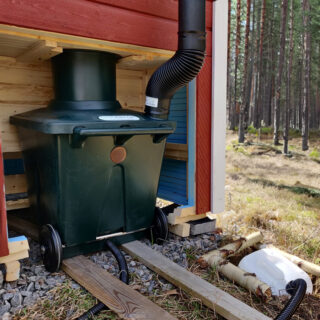
Installing a vault toilet isn’t simple. You need excavation for the underground tank, a structure built above it, and—crucially—year-round vehicle access for the service truck. For a remote cabin reached by a narrow forest road, a small island property, or a hillside lot, this kind of access often isn’t realistic. Composting toilets, on the other hand, can be installed almost anywhere: inside a cabin, in an outhouse, or even in a tiny home or RV.
Limited Environmental Benefit
Vault toilets don’t recycle anything. Waste is concentrated, transported, and processed elsewhere, which uses fuel and creates emissions every time the tank is emptied. For property owners who chose off-grid living partly for sustainability reasons, this is often a disappointing realization. Composting toilets break waste down naturally on-site, and the finished compost can be safely reused as soil conditioner for non-edible plants—closing the loop instead of trucking it away.
Not Designed for Smaller-Scale Use
Most importantly, vault toilets are designed for heavy public use. They’re built for campgrounds with hundreds of daily visitors, not for a family cabin used on weekends. Sizing one down for private use is technically possible, but you end up with all the disadvantages—the cost, the odor, the infrastructure—without any of the volume benefits that make vault toilets practical in their intended context. For most cabins and private properties, a properly sized composting toilet does the job better, cleaner, and at a fraction of the lifetime cost.


Composting Toilets: A Modern Alternative for Cabins and Off-Grid Living
For most cabin owners, off-grid homeowners, and small property developers, a composting toilet is a far better fit than a vault toilet. The reason is straightforward: composting toilets were designed from the start for the kind of use most private properties actually need—moderate, ongoing, and without easy truck access. A composting toilet handles waste through natural decomposition. Solids and liquids are typically separated, organic bulking material like wood shavings or peat is added, and aerobic bacteria break the waste down into a stable, soil-like end product. There’s no underground tank, no service truck, and no concentrated holding of raw waste. The entire process happens on-site, in a self-contained unit you can install almost anywhere.
Why composting toilets work for private properties
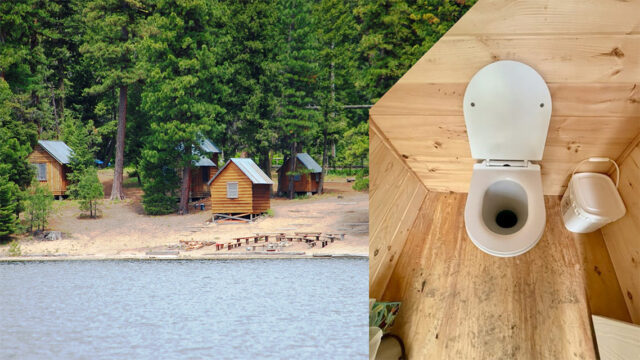
Installation is flexible. Composting toilets can go inside a cabin, inside an outhouse, in a tiny home, or in an RV. There’s no excavation, no underground tank, and no need for a service road. If you can get the unit to the site, you can install it.
Operating costs are low. Once installed, a composting toilet costs very little to run. There are no pumping fees, no service truck visits, and no ongoing infrastructure expenses. The main consumable is bulking material, which costs only a few dollars per month for typical cabin use.
A well-designed composting toilet eliminates toilet odor entirely. Because solids stay relatively dry and liquids are diverted or evaporated, the conditions that create vault toilet odor simply don’t exist. A properly used composting toilet doesn’t smell like a toilet at all—most users describe a faint earthy scent, similar to garden soil.The end product is useful, not waste. Finished compost from a properly managed system can be safely used as soil conditioner for non-edible plants—trees, shrubs, ornamental beds. Instead of paying to truck waste away, you’re closing the nutrient cycle on your own property.
Scalability for different needs. Composting toilets are available in a wide range of sizes and configurations, from compact units for weekend cabins to large continuous systems for year-round homes. There’s a model for almost any private use case—something vault toilets, designed for high-traffic public sites, simply don’t offer.For property owners who chose off-grid living for sustainability, independence, or cost reasons, composting toilets align with all three goals in a way that vault toilets cannot.


Composting Toilet vs. Vault Toilet: Cost, Maintenance, and Use Cases
Here’s a side-by-side comparison of the two systems across the factors that matter most for private property owners:
| Vault Toilet | Composting Toilet | |
|---|---|---|
| Upfront cost | High (excavation, tank, structure) | Moderate ($1,500–$2,600 for most private-use models) |
| Installation | Requires excavation and vehicle access | Self-contained; installs almost anywhere |
| Ongoing servicing | Pump-out by service truck, recurring | User-managed; remove finished compost periodically |
| Lifetime cost (10 yrs) | Often the most expensive option due to recurring servicing | Significantly lower |
| Odor | Persistent issue, especially in warm weather | Minimal when properly maintained |
| Environmental impact | Waste transported and processed off-site; uses fuel | Waste broken down naturally on-site; nutrients reused |
| Best fit | High-traffic public sites with truck access | Cabins, off-grid homes, tiny houses, RVs, private properties |
| Worst fit | Remote private properties, small-scale use | Extremely high-traffic public sites |

Which one is right for you?
For most private property owners, the answer is clear. If you’re building a cabin, developing an off-grid home, or adding sanitation to a remote property, a composting toilet will almost always serve you better than a vault toilet—lower lifetime cost, less odor, easier installation, and a smaller environmental footprint.
A vault toilet may still be the right choice if you’re managing a public campground or park with hundreds of daily users, year-round vehicle access, and a budget for ongoing service contracts. For everyone else, composting is the modern answer.



Choosing the Right Composting Toilet for Your Property
Composting toilets aren’t one-size-fits-all. The right model depends on three things: how many people will use it, how often, and where you want to install it.
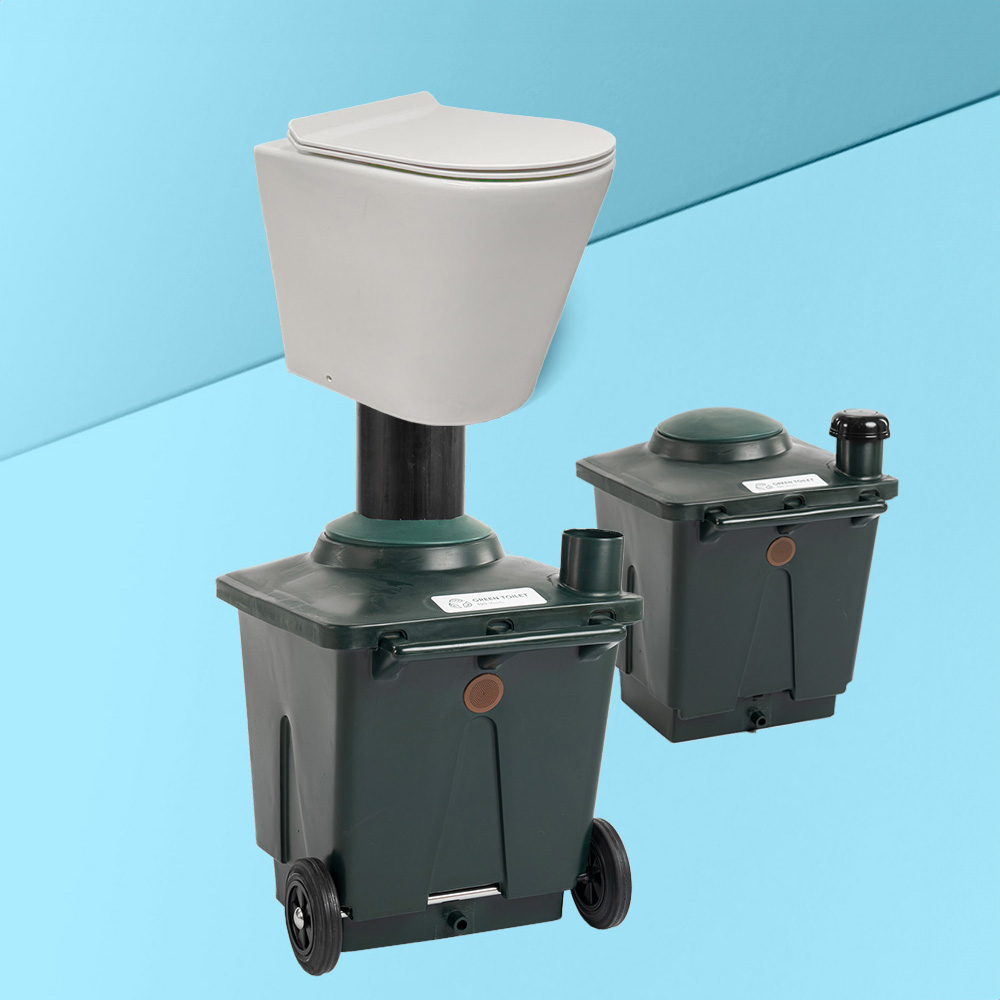
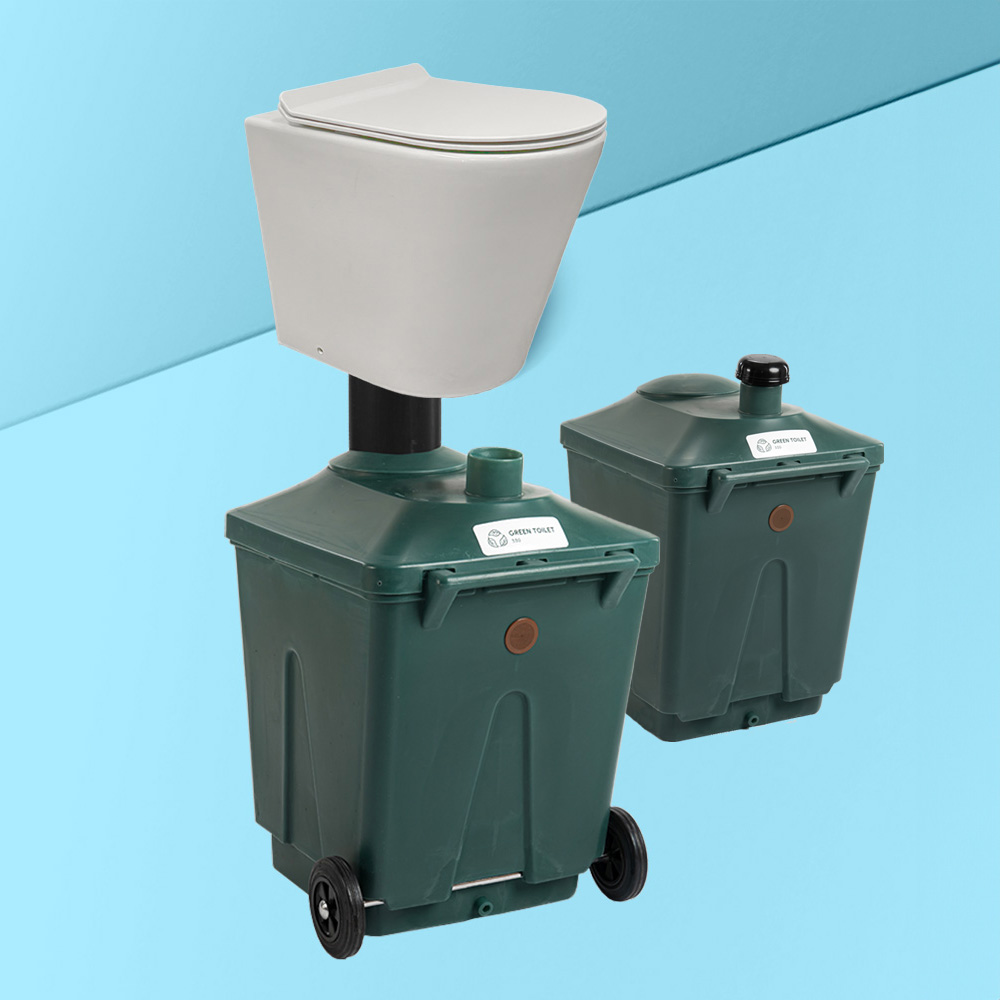
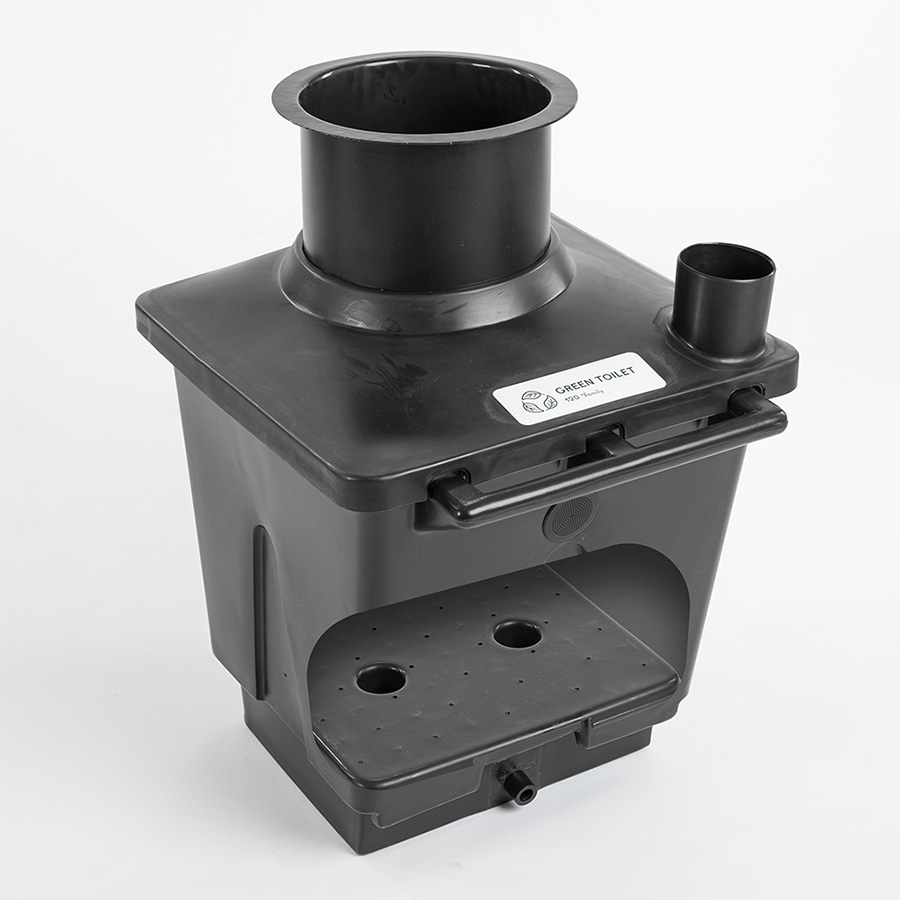
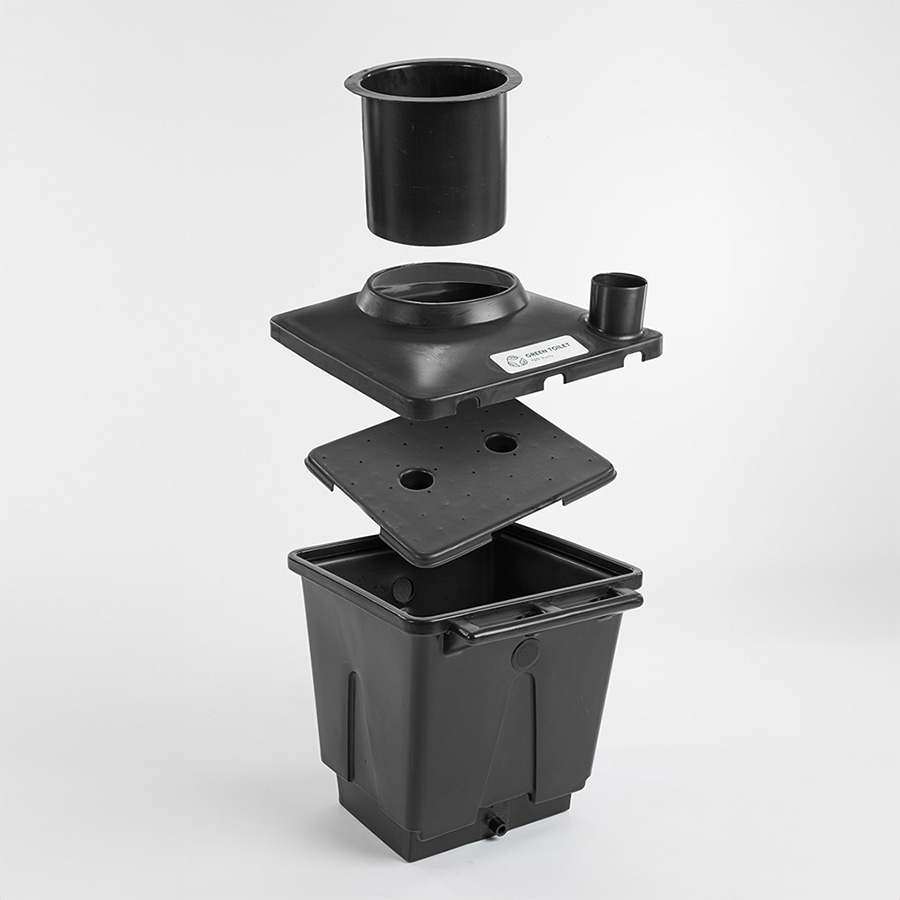
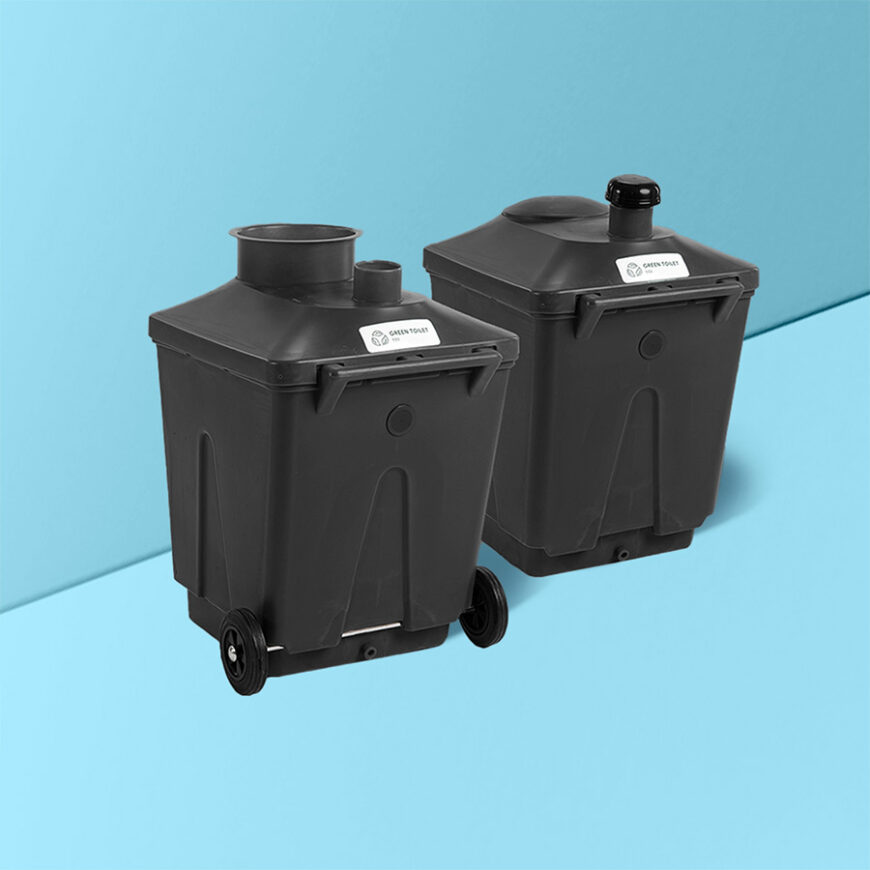
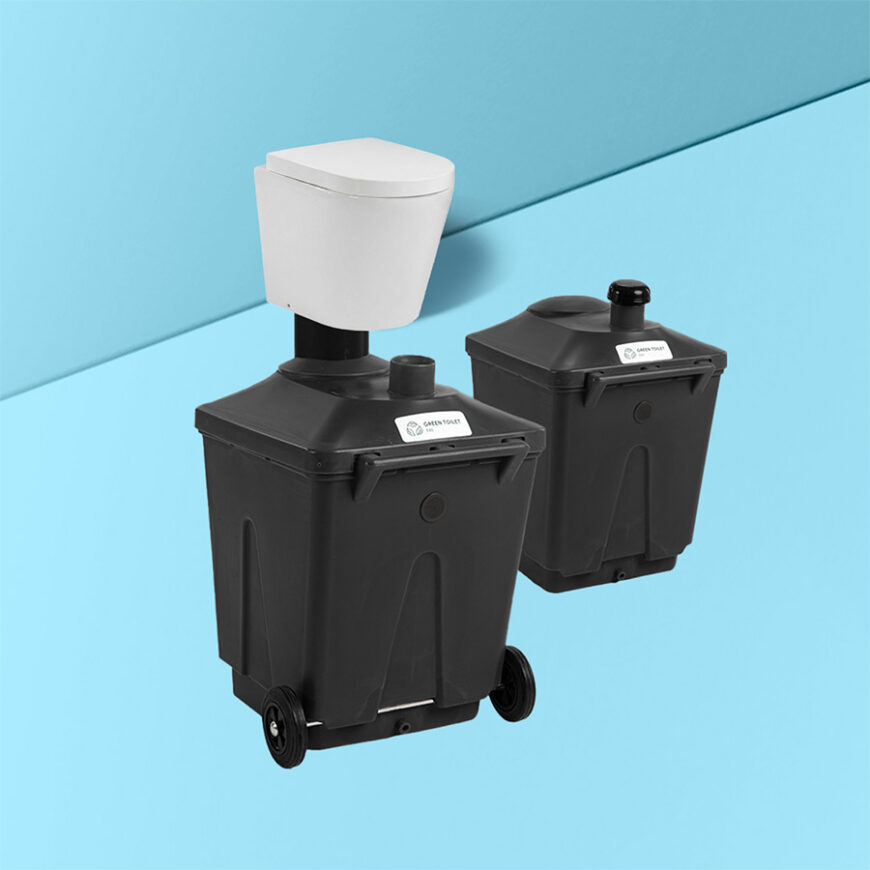
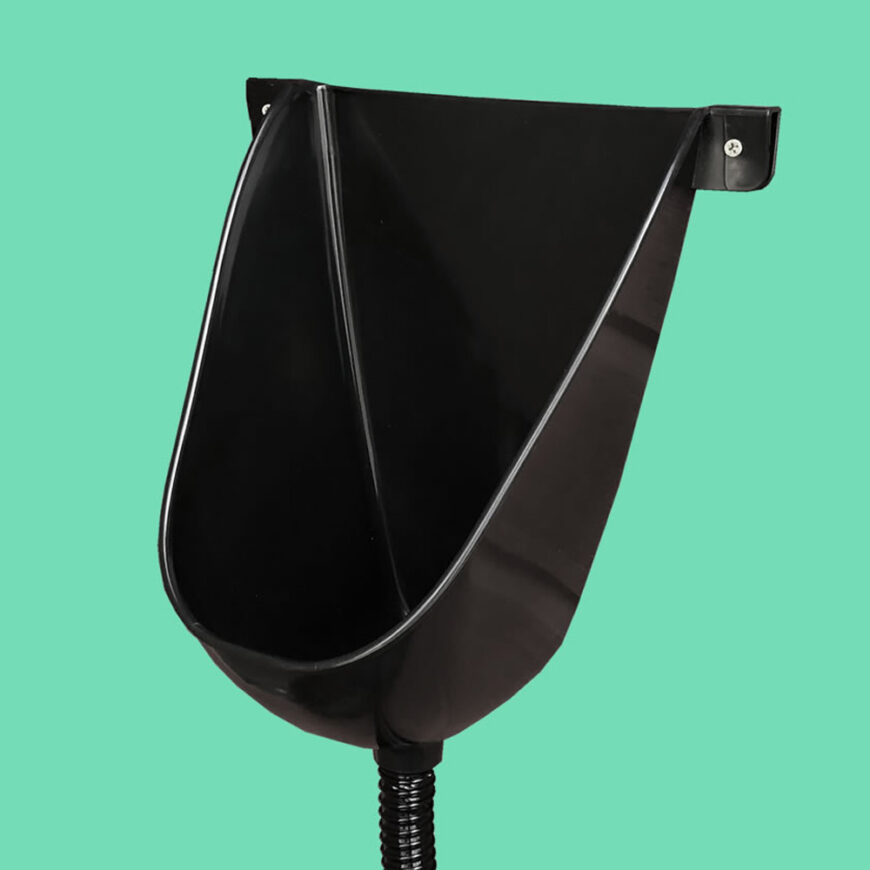
For weekend cabins and seasonal use, a compact batch composting toilet like the Green Toilet 120 is usually the simplest and most affordable option. It handles typical family use over a summer season without needing to be emptied mid-use.
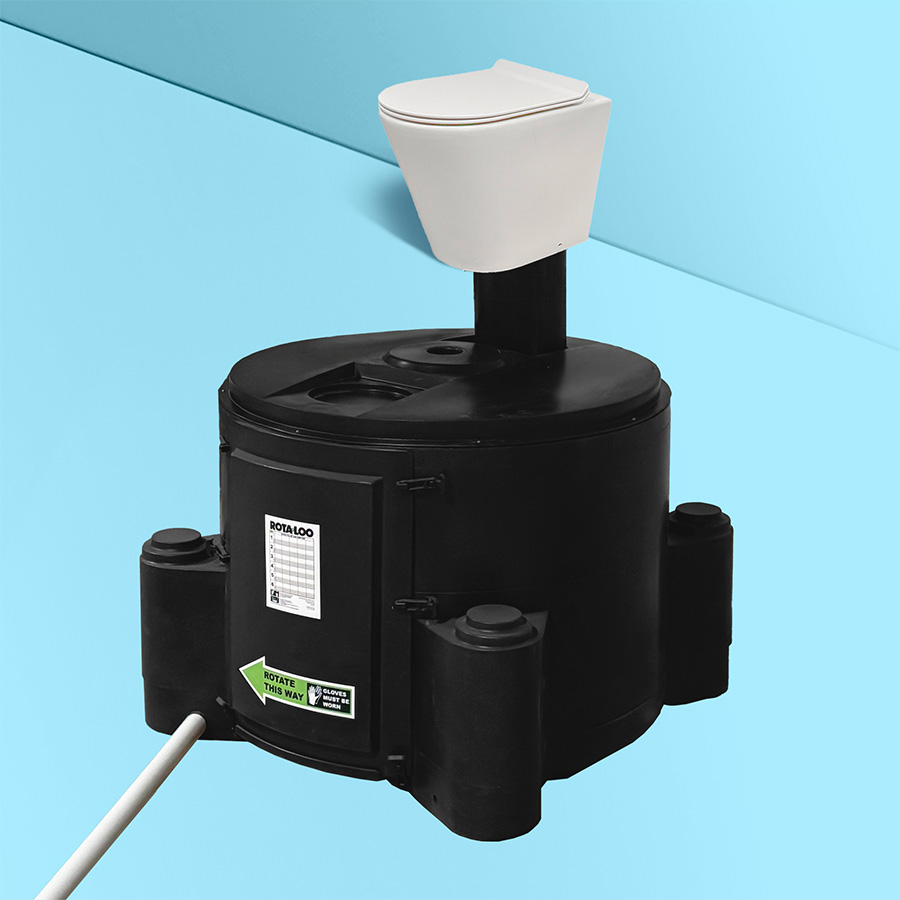
For year-round homes and continuous use, a larger continuous composting system like the CF 8 is designed to handle daily use without interruption, with gradual emptying that keeps the system running smoothly all year.
For tiny homes, RVs, and very small spaces, compact self-contained models like the Tiny-Pod or GT Easy provide a full composting toilet experience in a footprint small enough to fit anywhere.
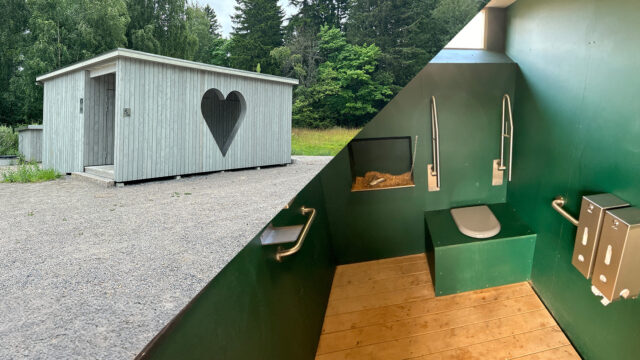
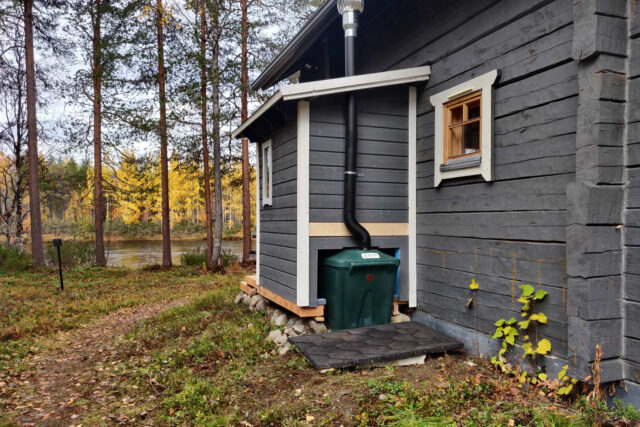
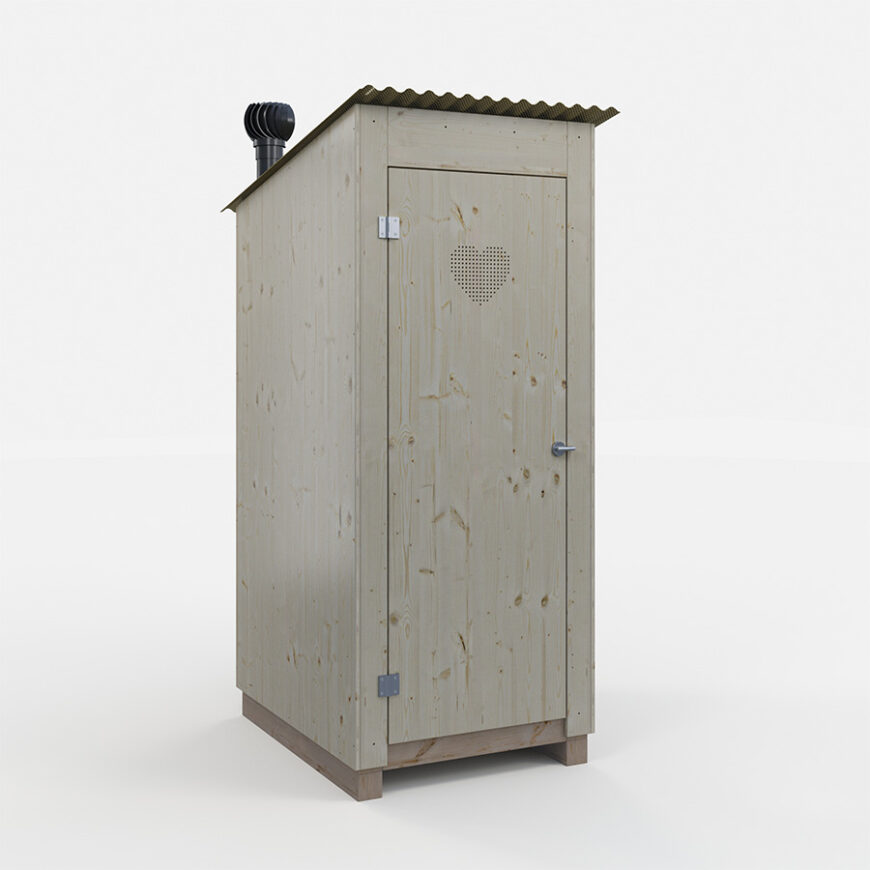
For higher-traffic sites or public-facing use like rental cabins, glamping sites, or small campgrounds, a Prefabricated Outhouse with a built-in composting toilet is often a practical solution—a complete, ready-to-install structure that replaces the need for a vault toilet entirely, without the service truck infrastructure.
Not sure which model fits your situation? Use our Product Finder Tool to get a personalized recommendation in under two minutes, or contact us directly and we’ll help you choose.
Conclusion
Vault toilets have a place in modern sanitation—but that place is in heavily trafficked public sites with the infrastructure to support them. For cabins, off-grid homes, and private properties, they’re usually an expensive, high-maintenance, and unpleasant choice compared to the alternatives.
Composting toilets solve the same fundamental problem—how to manage human waste without plumbing—in a way that actually fits how private properties are used. They cost less to install and run, they don’t smell, they don’t require service trucks, and they turn waste into something useful instead of trucking it away.
If you’re weighing a vault toilet for your property, take a serious look at composting first. For most off-grid situations, it’s not just a better alternative—it’s the right answer.

Who We Are
At Waterless Toilet Shop we are a dedicated team of dry toilet experts based in Henderson, Nevada. As a family-owned company with deep roots in Scandinavia and Australia, we bring a blend of global insights and local expertise to every product we create.
At Waterless Toilet Shop, we do more than just design and manufacture innovative composting toilets; we also use them daily. This hands-on experience allows us to continuously improve our products and ensure they meet the high standards of functionality and sustainability that our customers expect.
We are committed to living the eco-friendly principles we teach, making our solutions not just part of our business, but a part of our lives. Join us in embracing a more sustainable future, one flush at a time.
Read Our Story