 Composting
 Off-Grid
 Indoors
 Premium
 Floor-standing
 Tiny House
 ADU
ADU Urine-diverting
 Year-around
 Luxurious
 Cabins
 RVs
RVs Large capacity
 Cold climate
 Glamping
 Outhouses
 Batch toilets
 Public use
 Single-chamber
 Toilet Pedestals
 Accessories
How do I choose the right waterless toilet? #
No worries, usually it’s simpler than it looks. You don’t need to know anything technical to start — you just need to know how you’ll use it. A handful of everyday questions about your situation point straight to the right toilet, and we’ll translate those into the specifics for you. If you’d rather skip ahead, our product finder tool does exactly this in a minute — or read on to understand what’s actually driving the choice.
1. Is it for an indoor or an outdoor space? #
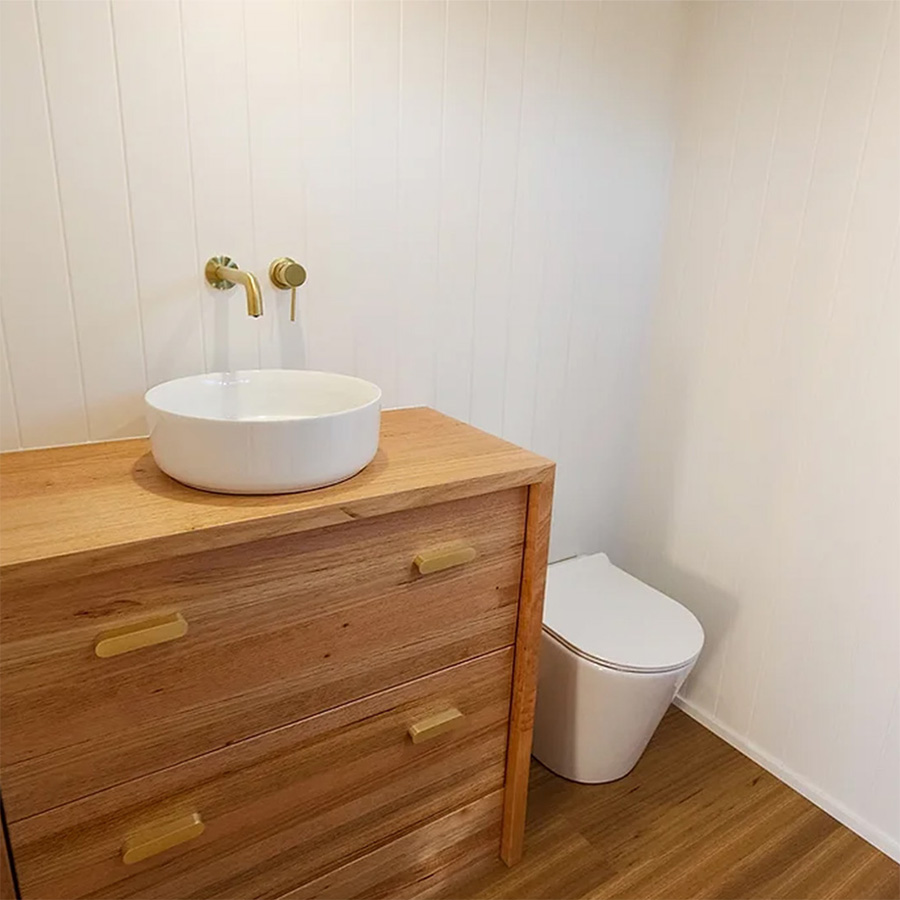
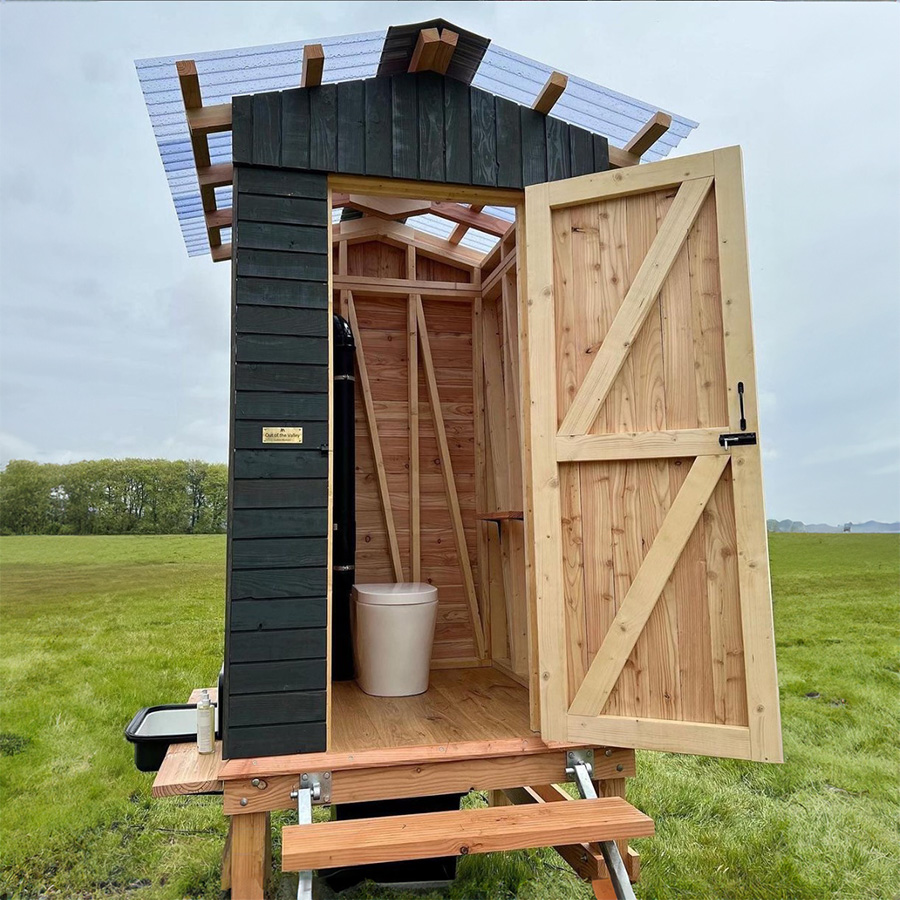
This is usually the easiest question to answer, and it’s the natural place to start — most people already know which one they need. Indoor waterless toilets are built to feel as close as possible to a regular flush toilet, since that’s what people are used to and it makes daily use more comfortable. Outdoor and outbuilding toilets have more room to differ in look and feel, though we also make excellent options built specifically for outhouses. In some cases it’s worth choosing a different toilet for indoor and outdoor use rather than one for both — get in touch and we can help you think that through.
2. Roughly how many people will use it, and how often? #
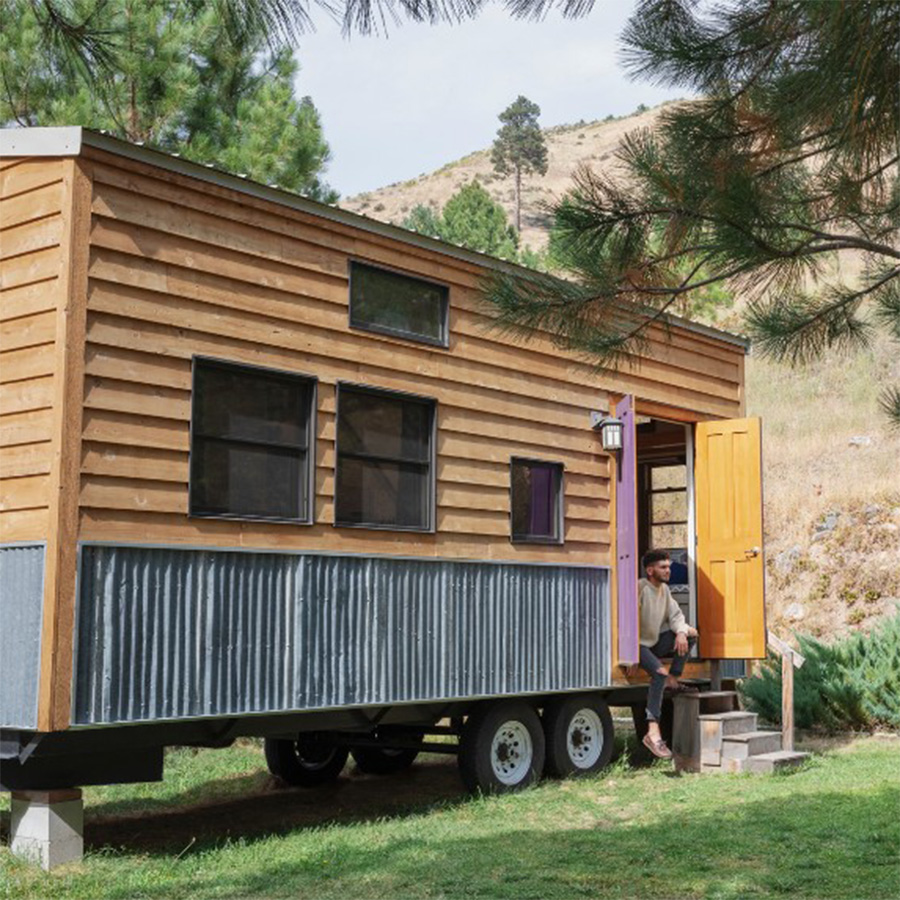

This is the single biggest factor in sizing. You don’t need to put a number on it — “two of us, mostly weekends” or “a family of four, every day” is enough for us to point you the right way. Indoor toilets tend to go into smaller buildings — cabins, tiny houses, ADUs — so the realistic user count there is usually one to four people. Outdoor and outbuilding toilets cover a much wider range: a private outhouse might see the same light, occasional use, while one at a public park, campground, or commercial site can serve dozens or even hundreds of people — which changes the capacity and service plan considerably.
3. Is there space below the floor? #
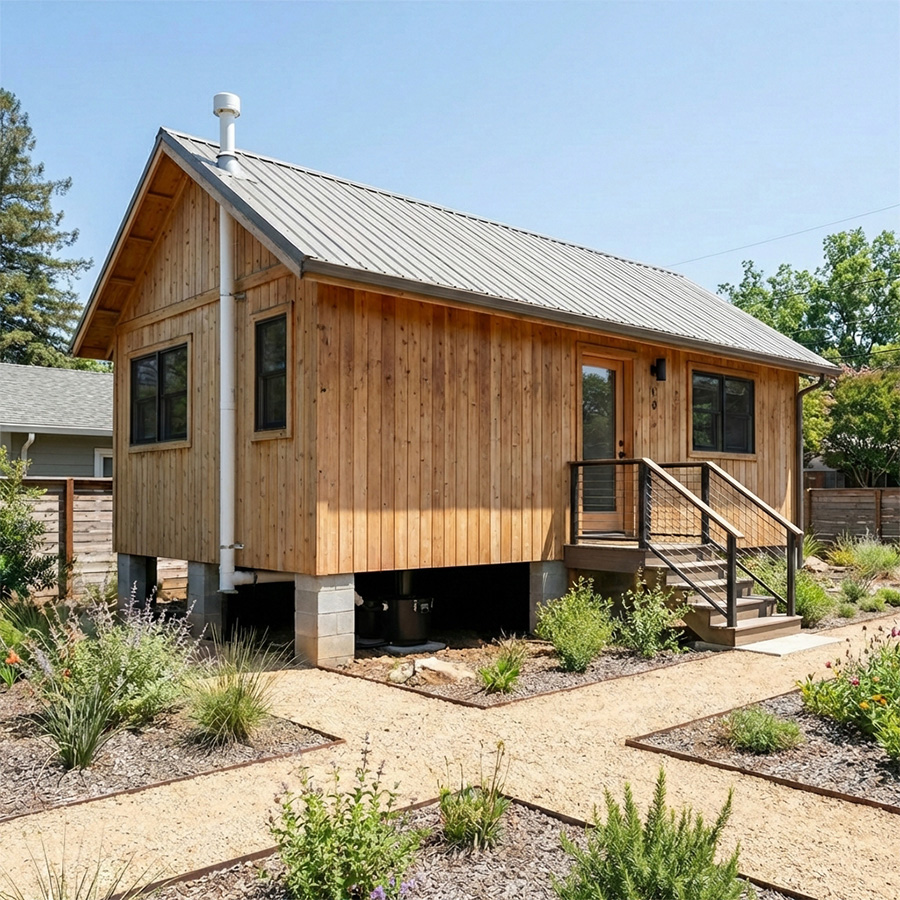
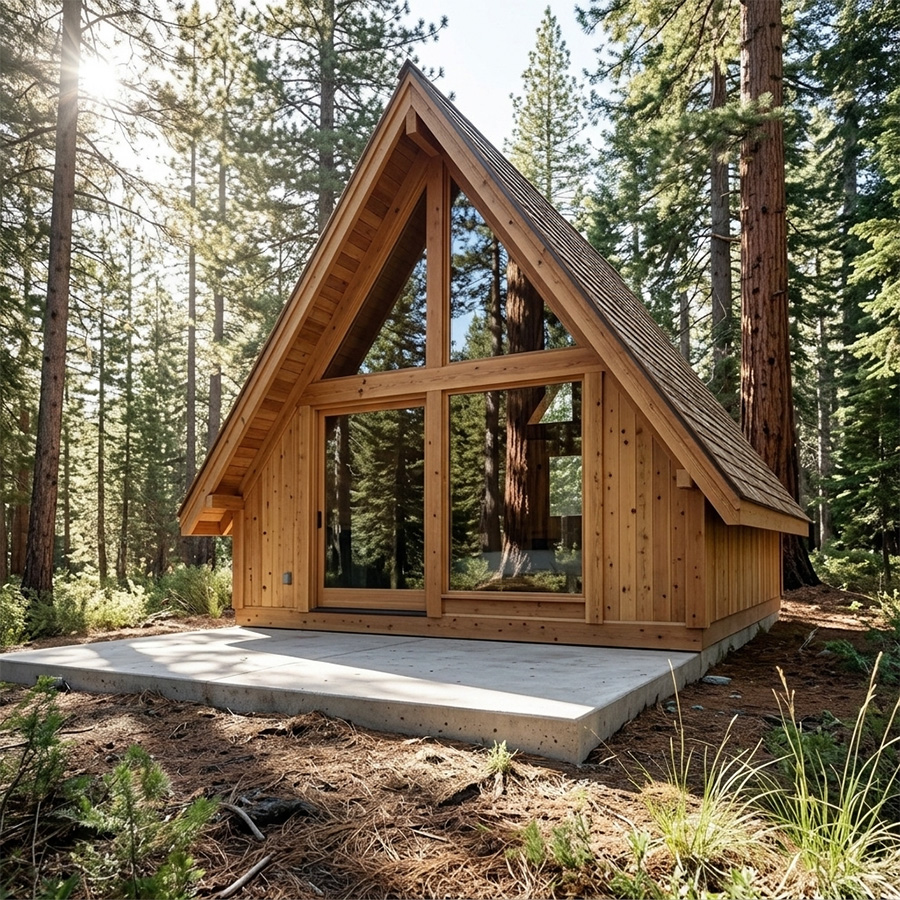
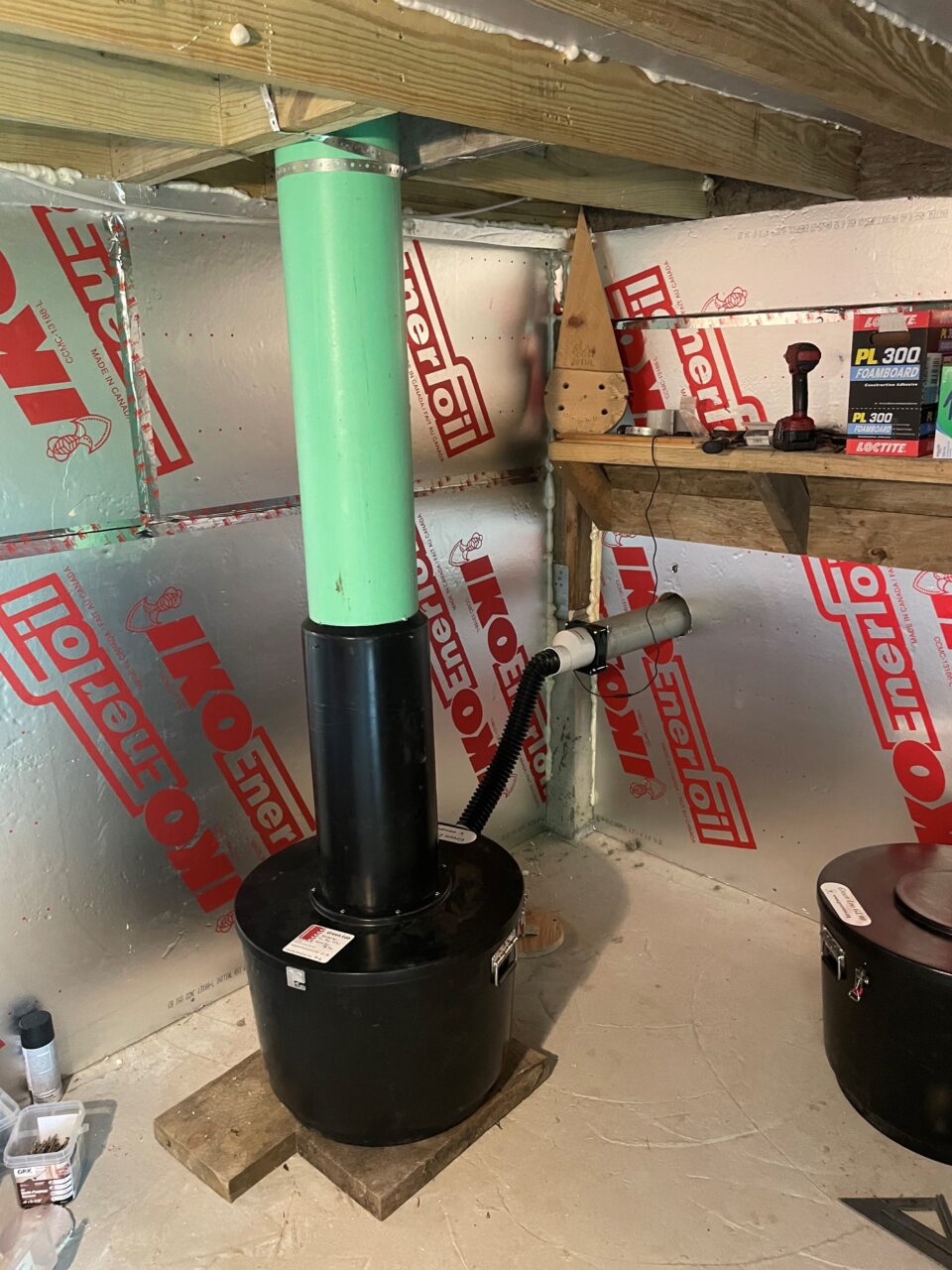
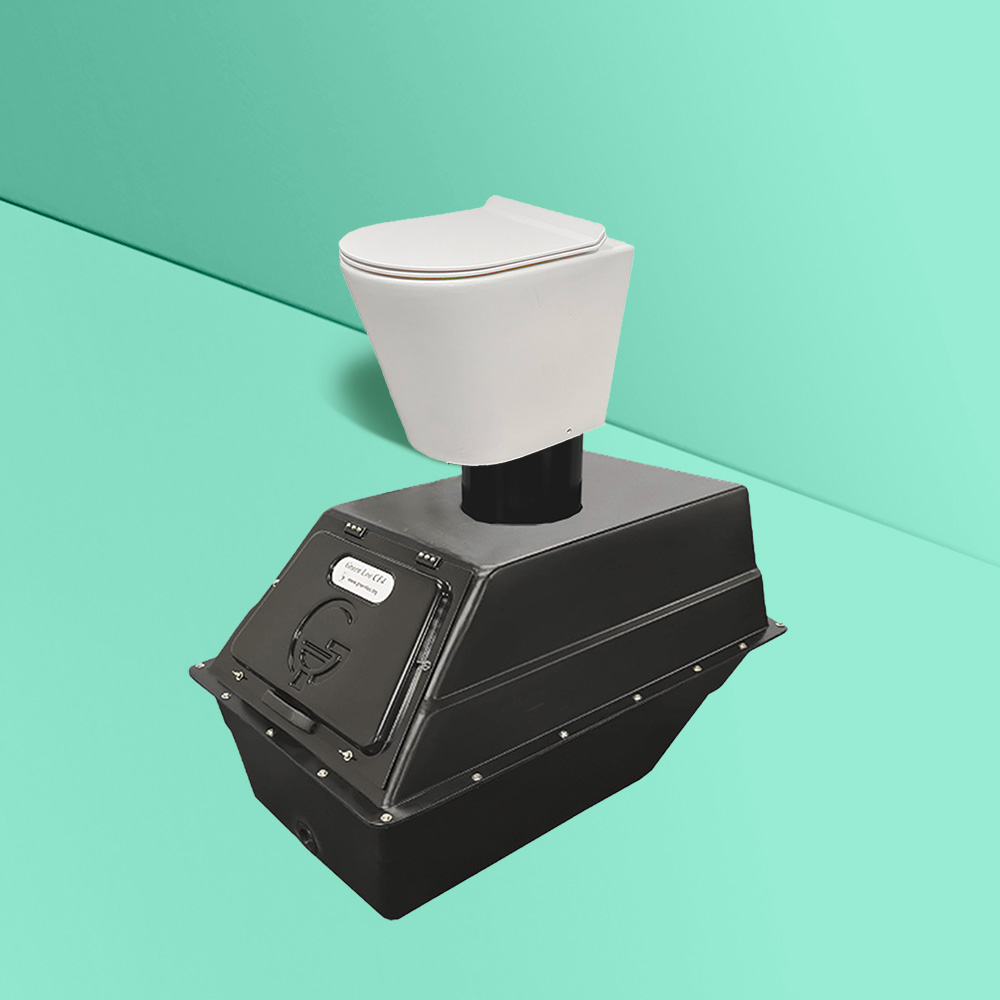
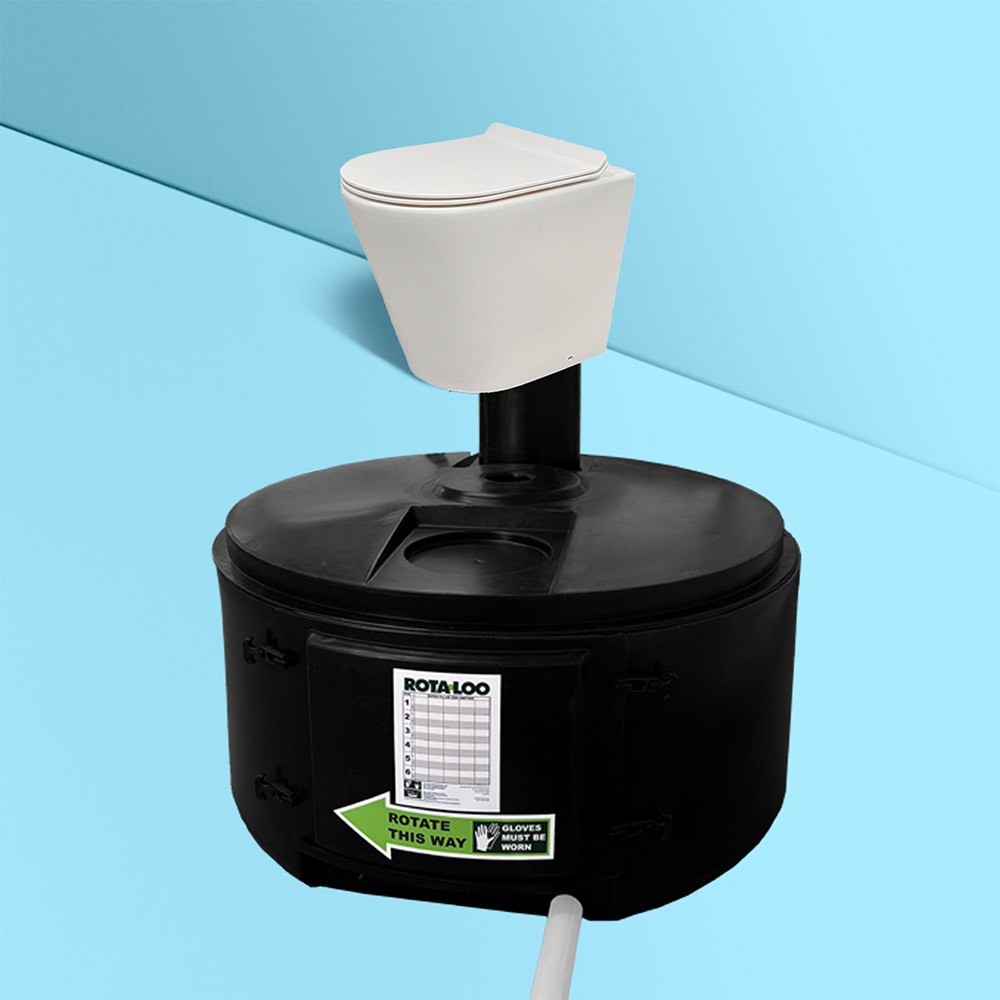
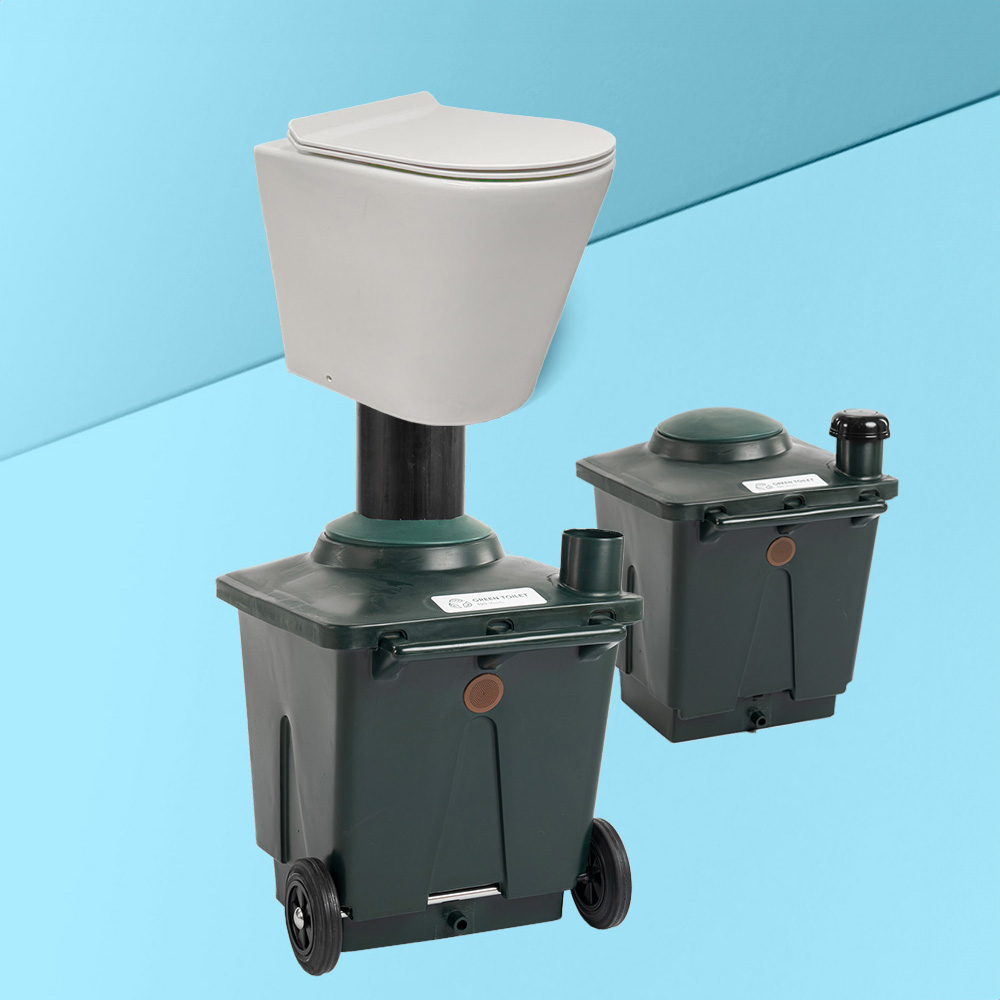
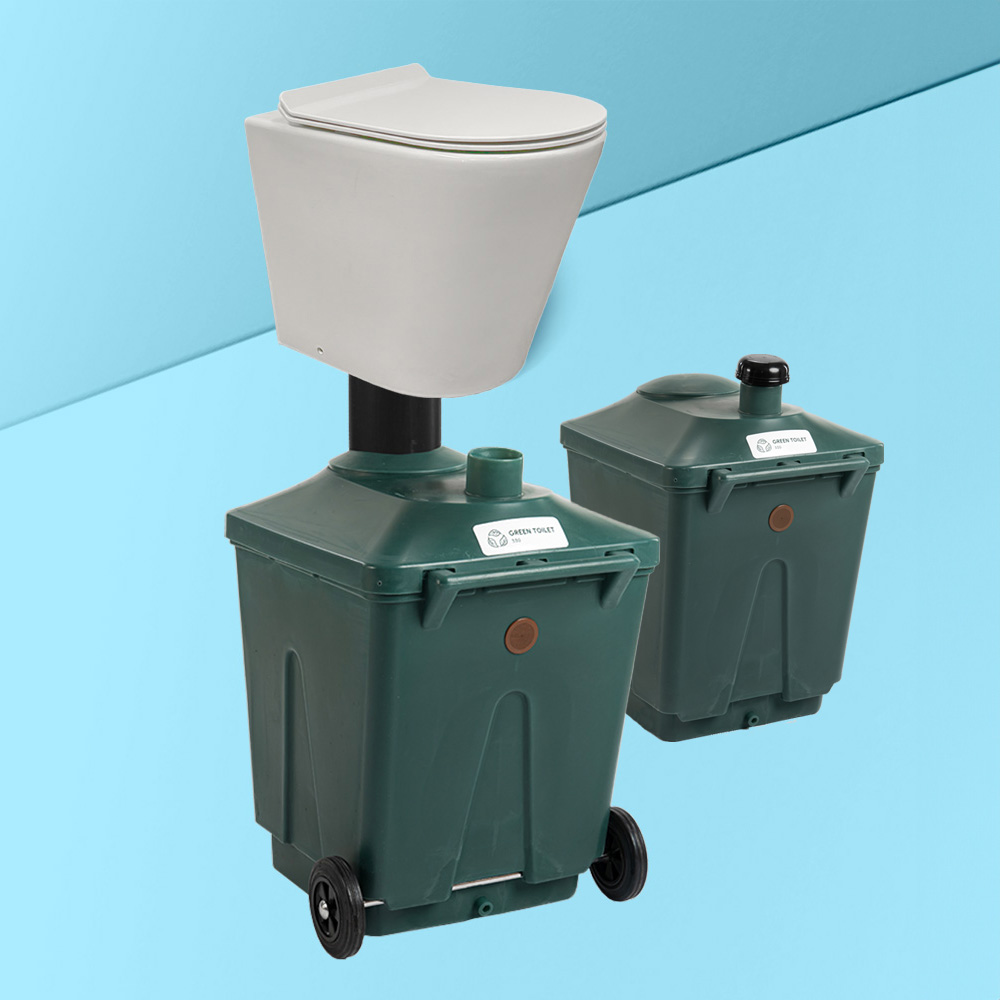
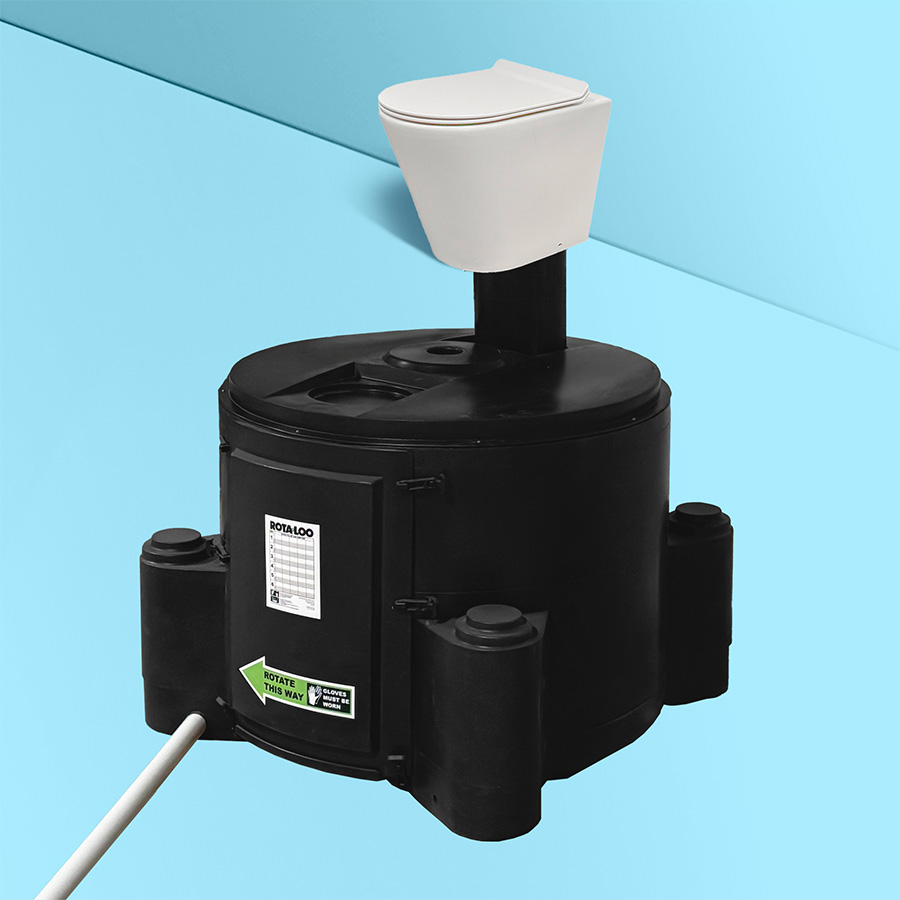
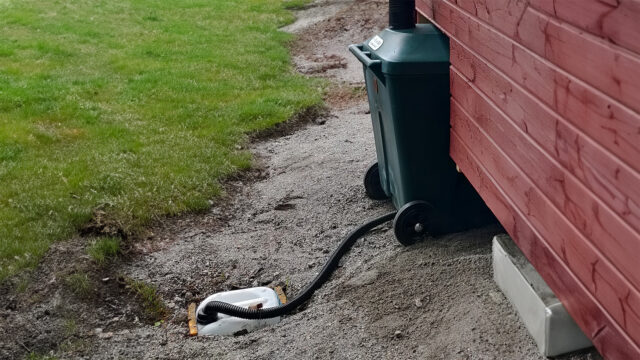
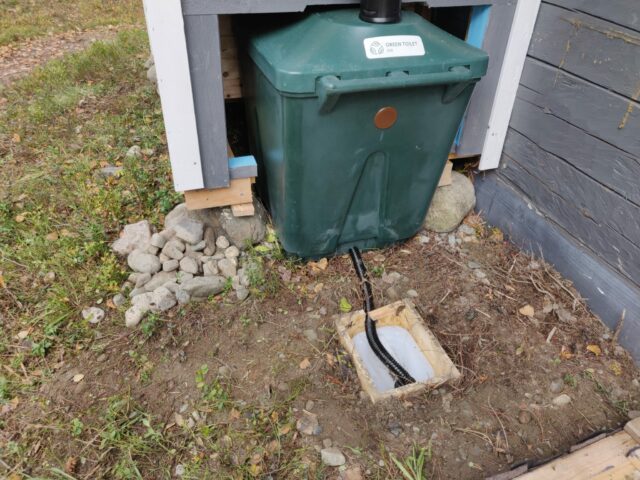
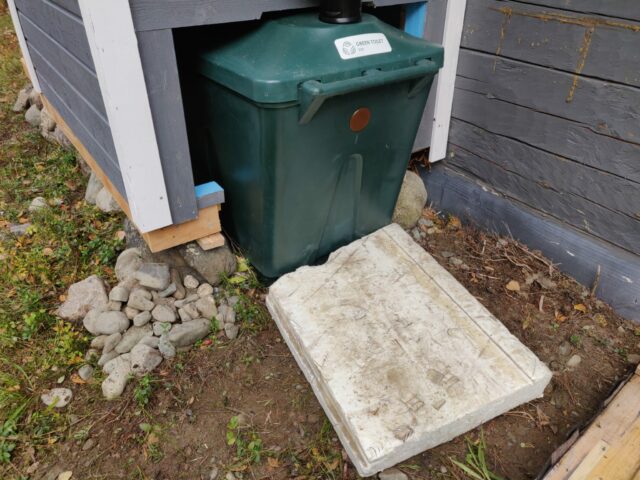
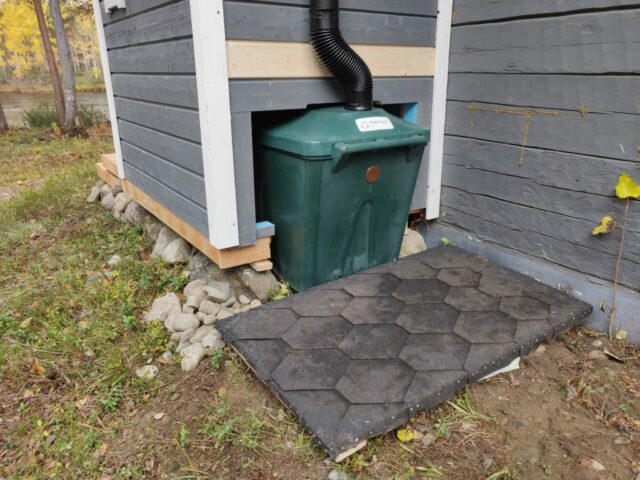
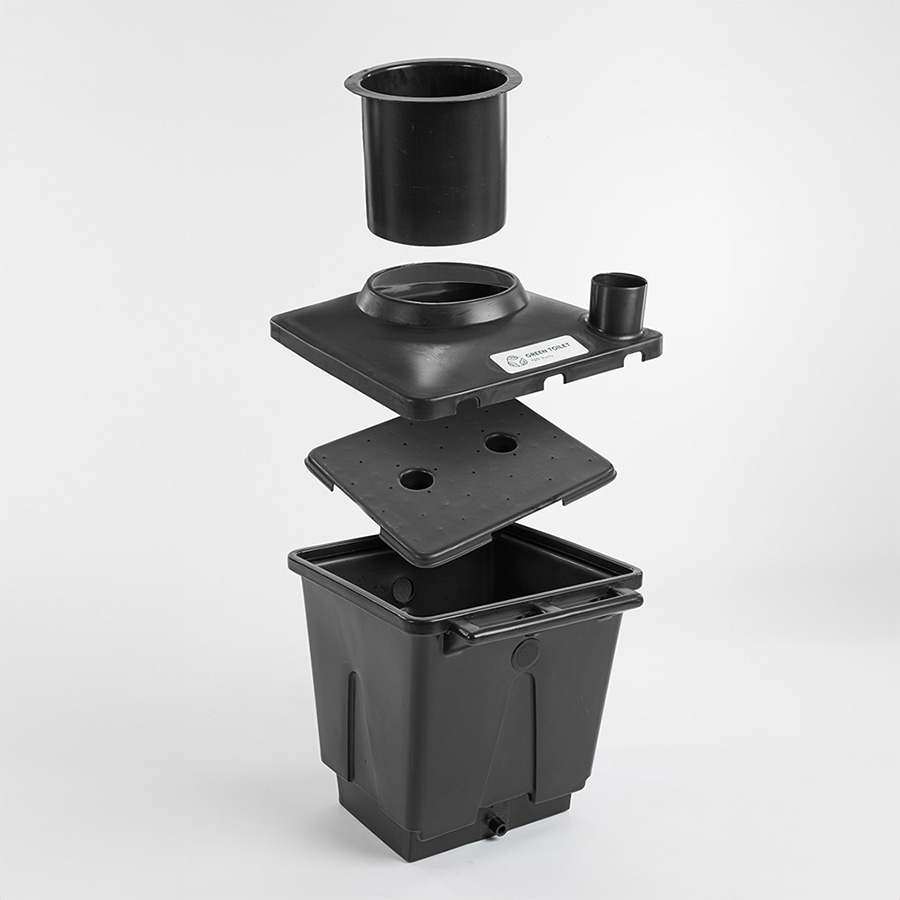
This is the one physical thing worth checking early, and it’s the biggest factor in which family of toilet suits you: whether you have space below the floor — a crawl space, basement, or raised platform — or only a solid floor to build on. Our premium, porcelain-pedestal models use that space below for a separate collection tank, so they need it; our standard floor-standing models don’t, and sit happily on any solid floor. It’s easy to check, and we explain exactly what to measure.
A note on premium vs. standard models #
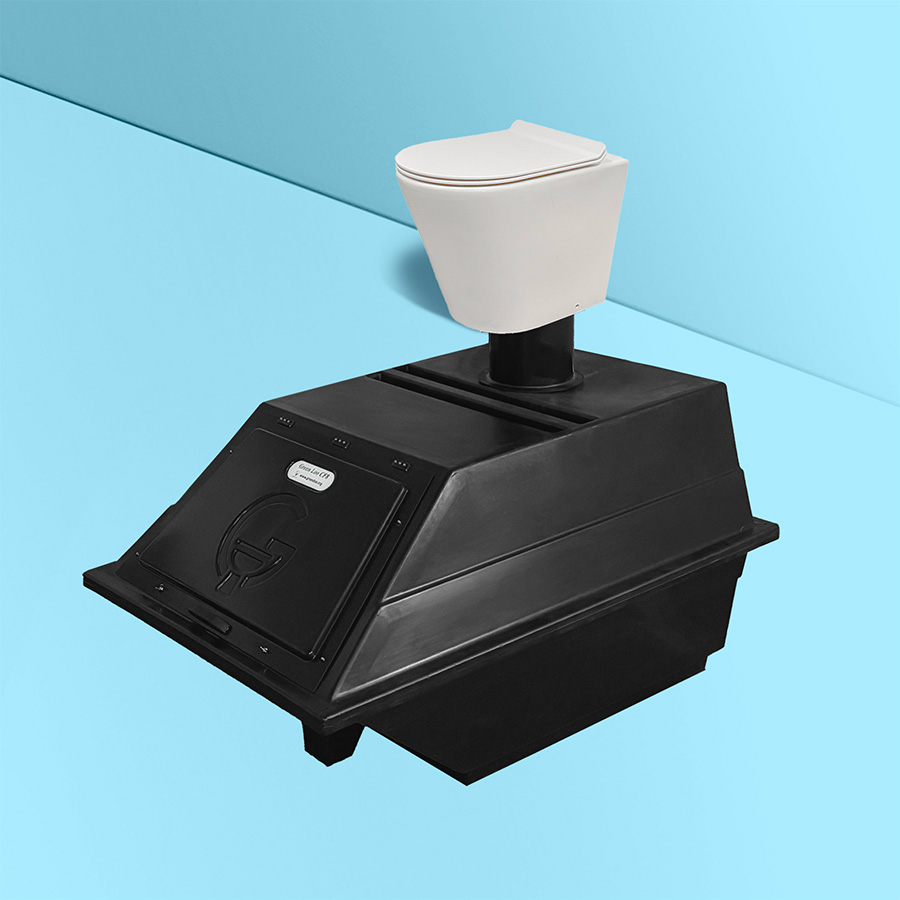
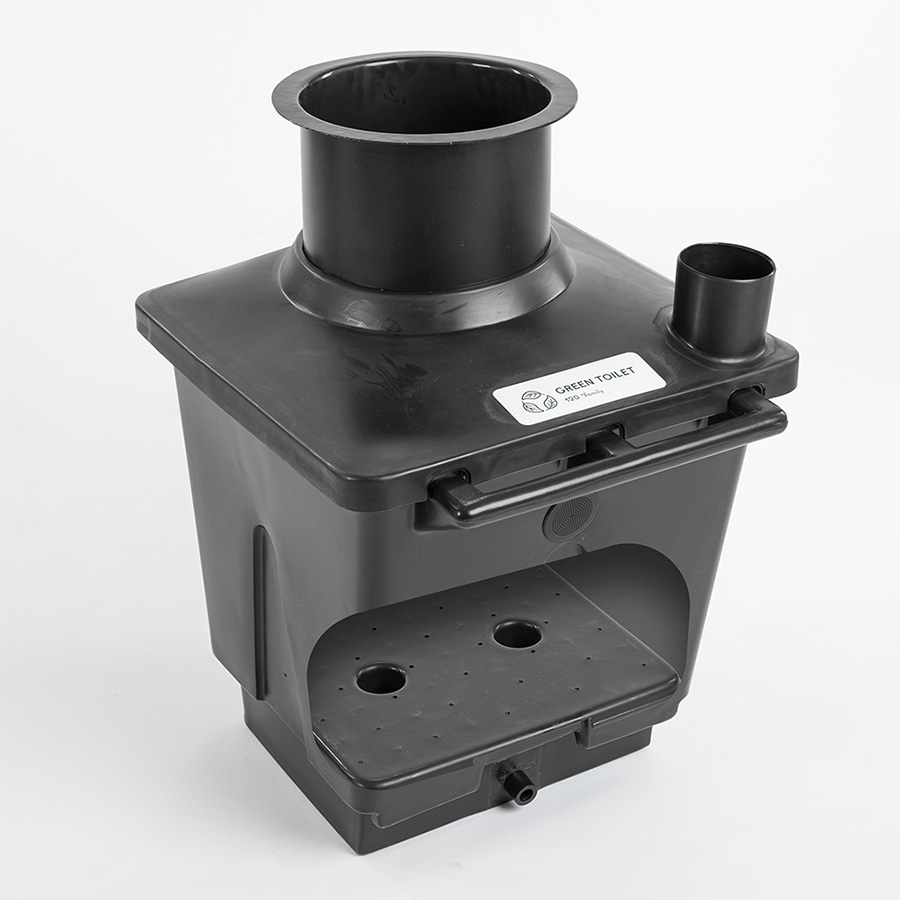
You’ll see our waterless toilets fall into two families, and the difference is easy to feel. Our standard models are floor-standing units — everything is contained within the toilet itself, so they’re simple to place and work on almost any floor. Their capacity is smaller, so they’re emptied more often: rarely an issue for one or two people using it part-time, but for a family using it daily that interval can shrink to just a few weeks. They’re still practical, flexible, and a genuinely good choice, especially where there’s no space beneath the floor to build on.
Our premium models pair a true porcelain pedestal — one that looks and sits exactly like a conventional household toilet, in either a standard or urine-diverting version — with a larger collection tank housed neatly below the floor. Because that tank can be sized up, often for only a few hundred dollars more, the service interval stretches out to months, sometimes a year or more. The result is the most natural, “just like home” experience: a familiar porcelain seat, far less frequent emptying, and the cleanest, most discreet setup, since the working parts sit out of sight beneath you.
Whichever family you land on, we’d generally point you toward a toilet whose capacity you can add to later — extra tanks rather than one fixed size — so your setup can grow with you instead of being locked in from day one.
4. Do you have power — and does it matter? #
None of our waterless toilets strictly need electricity to function — if the power goes out, you can keep using them without issue. That said, almost all indoor models include a small fan that helps with drying and odor control, and it’s best left running, which does need power: from the grid, a solar panel with a small battery, a wind-driven vent (a “Whirlybird”), or a combination of the two. Power availability generally shouldn’t decide which toilet you choose, but ventilation does matter, especially indoors. (More in Do waterless toilets need power?)
Conclusion #
Here’s the steer: if you have space beneath the floor — a crawl space, basement, or raised platform — the premium toilet is almost always the right choice, and it’s the one nearly all of those customers pick. When the option is on the table, the jump in comfort, capacity, and looks is well worth it. The standard model really comes into its own when building below the floor isn’t possible, or for lighter, occasional outdoor use.
The short version: tell us indoor or outdoor, how many people and how often, whether there’s space below the floor, and whether you’ve got power — and we’ll match you to the right model. Start with the product finder tool, or get in touch and we’ll do it with you.