 Composting
 Off-Grid
 Indoors
 Premium
 Floor-standing
 Tiny House
 ADU
ADU Urine-diverting
 Year-around
 Luxurious
 Cabins
 RVs
RVs Large capacity
 Cold climate
 Glamping
 Outhouses
 Batch toilets
 Public use
 Single-chamber
 Toilet Pedestals
 Accessories
Composting Toilet Rules in the U.S.: Permits, NSF 41 & State Laws (2026)
Human waste can pose a risk to public health because it may contain disease-causing organisms. For this reason, it must be safely contained and allowed to complete the composting process before handling or reuse. In fact, it is considered unsanitary—and is illegal in most parts of the United States—to defecate directly into holes in the ground or to apply untreated human waste to soil.


To protect health and the environment, there are four basic rules of human sanitation:
- Human excrement should not come into contact with water.
- Human excrement should not come into direct contact with soil.
- Hands should always be washed after using a toilet or after handling compost toilet materials.
- Human waste should be treated through composting before it is applied to soil.
The purpose of a composting toilet container (whether a bin, tank, or unit) is to isolate and safely store toilet waste so that it does not contaminate soil or water and cannot be accessed by children or animals. By keeping the waste in a dedicated above-ground unit, composting toilets also create the right conditions for decomposition: oxygen is available to the microorganisms that break down organic matter, and the material is elevated away from ground-level contamination risks.
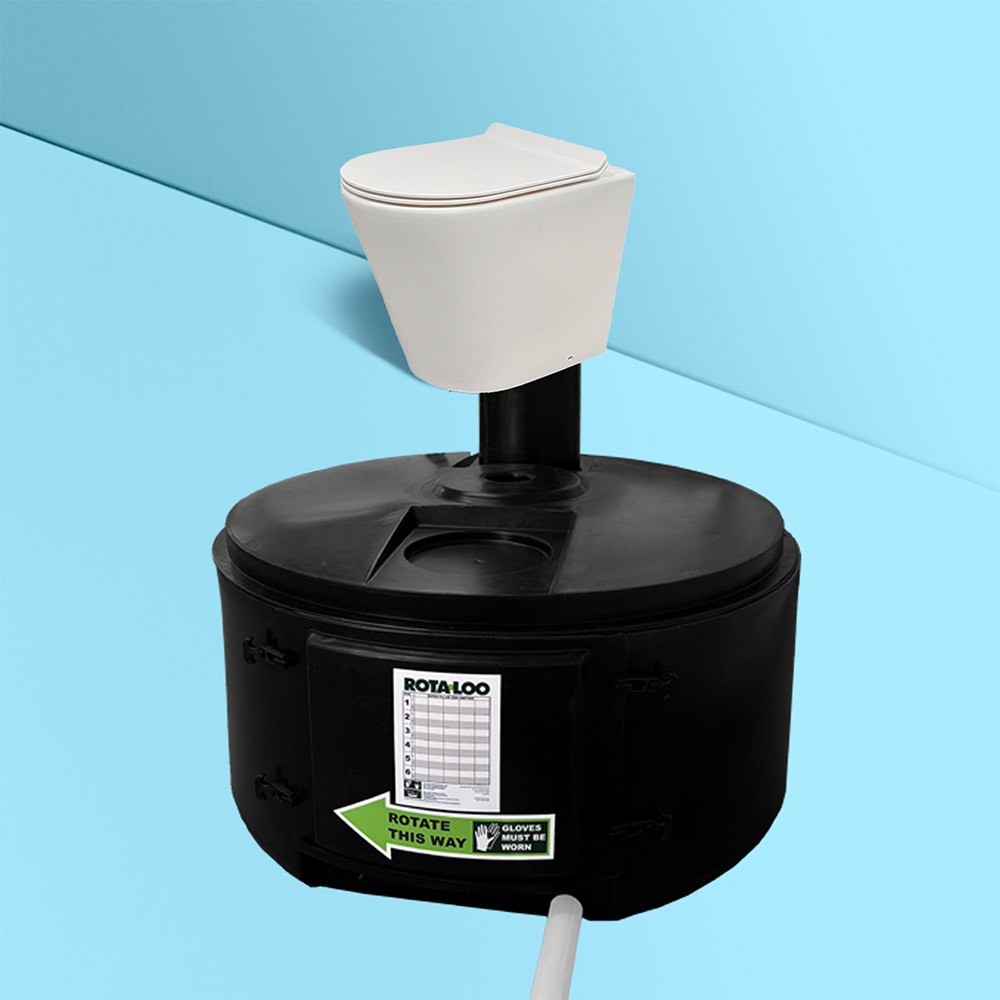
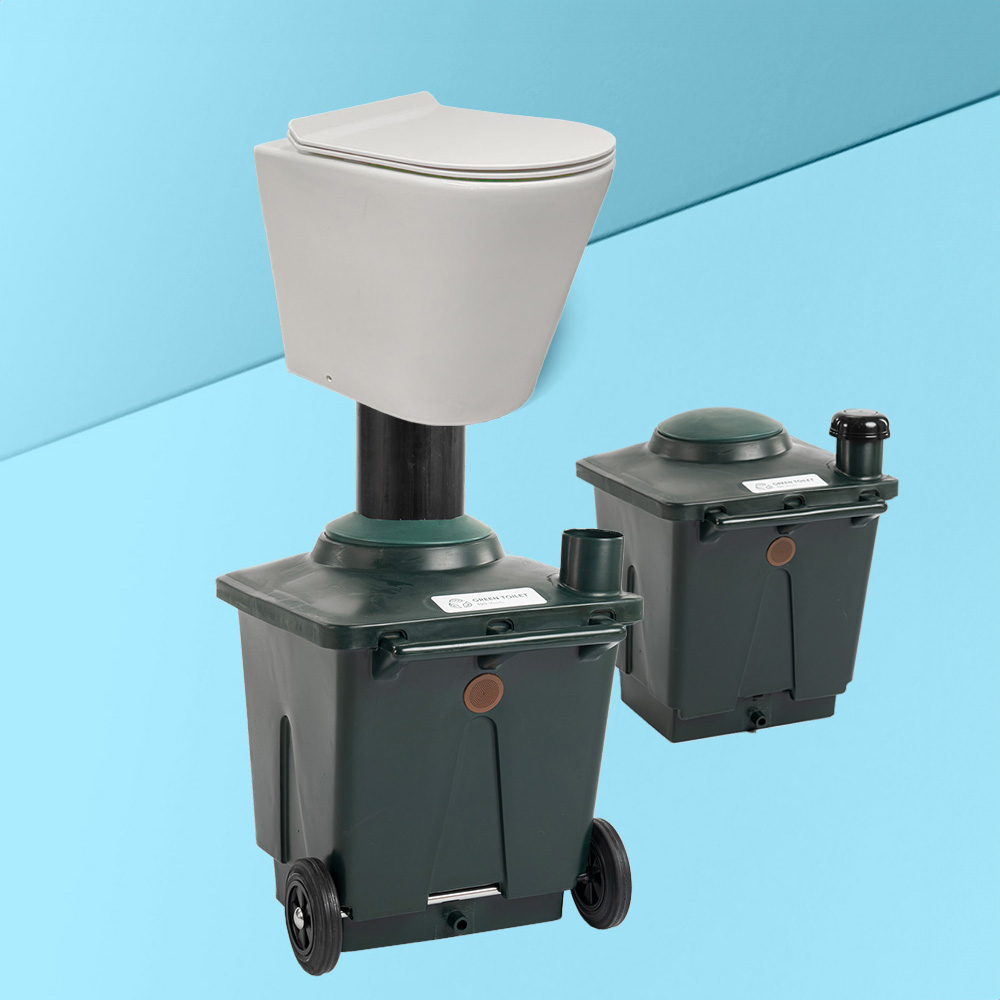
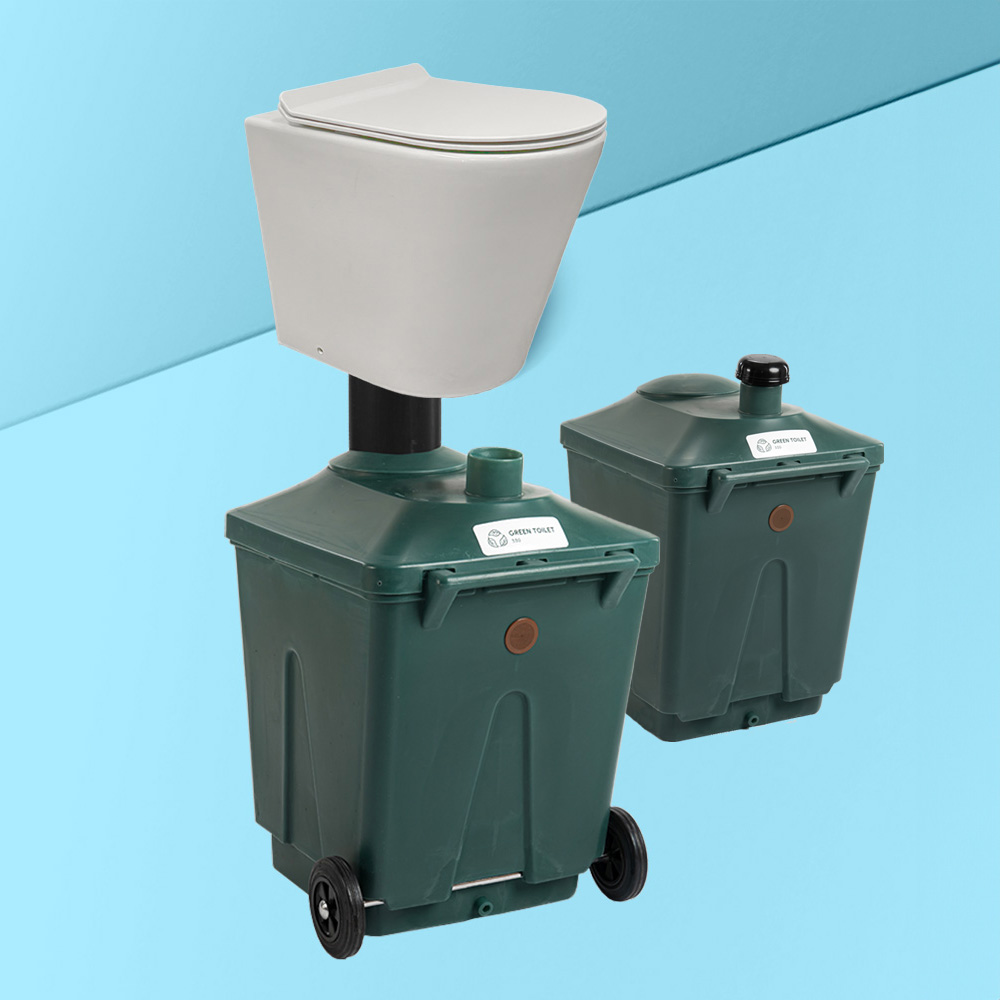
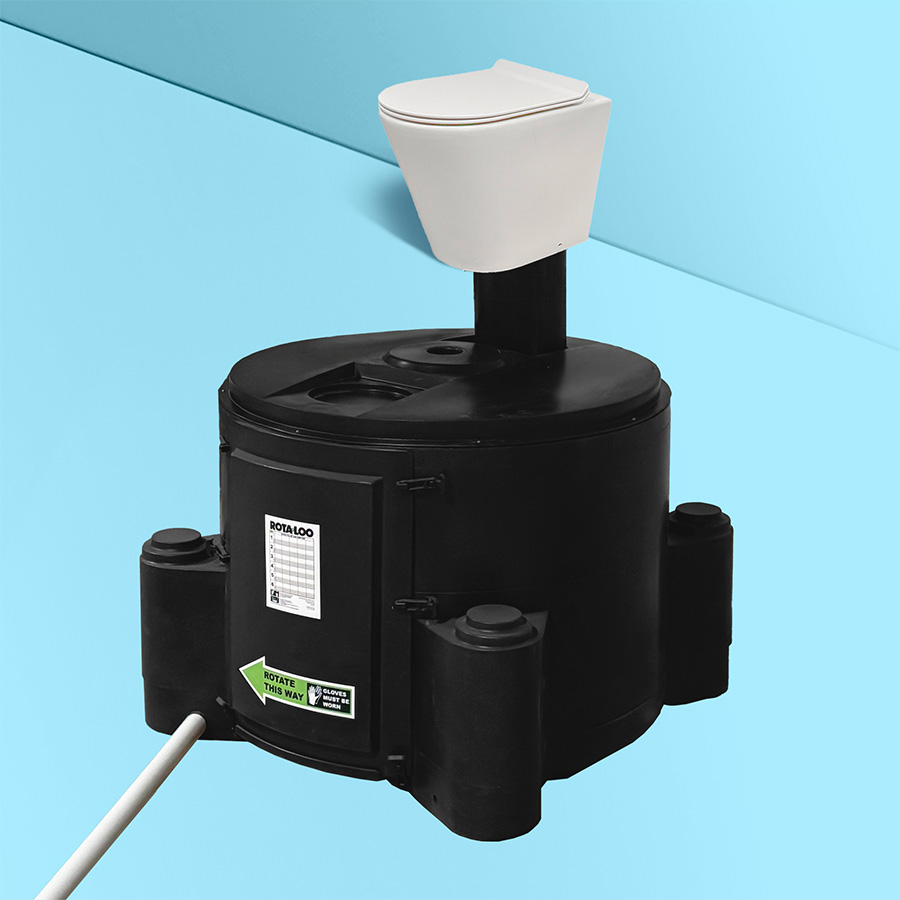
Popular composting toilets
NSF Rules for Composting Toilets

Alongside the general sanitation principles, the most widely recognized performance guideline for composting toilets in the United States is NSF/ANSI Standard 41: Non-Liquid Saturated Treatment Systems. This standard provides a benchmark for safe and effective operation, covering both the performance of the toilet and the reliability of the composting process.

To be NSF-certified, composting toilets must demonstrate that they meet six key requirements (source):
- Capacity – The toilet must reliably handle its rated user load for long-term use and occasional overloads.
- Odor control – The system must operate without producing offensive odors.
- Pathogen safety – The finished compost must meet strict bacterial content standards, ensuring it is hygienic and safe to handle.
- Truth in labeling – All advertising, manuals, and labeling must be accurate and not misleading.
- Independent testing – Certification requires that products under evaluation are tested independently, without manufacturer interference.
- Field verification – Laboratory results must be backed up by testing in real-life field installations.
NSF certification is valuable because it verifies compliance with these six requirements through independent, third-party testing. However, it is worth noting that high-quality composting toilets, like those we supply, are already designed to meet these same principles of capacity, odor control, pathogen safety, transparency, and real-world performance.
Are Waterless Toilets NSF Certified?
At present, our composting toilets are not NSF-certified. In the United States, some states and counties require composting toilets to meet the NSF/ANSI Standard 41. Although none of our composting toilets are yet NSF-certified (the certification process is both lengthy and costly), our systems have undergone independent testing and certification in Europe and Australia according to local standards. These test results demonstrate that our toilets meet the same six requirements of NSF 41 — even though the evaluations were not conducted by NSF itself but by independent foreign laboratories.



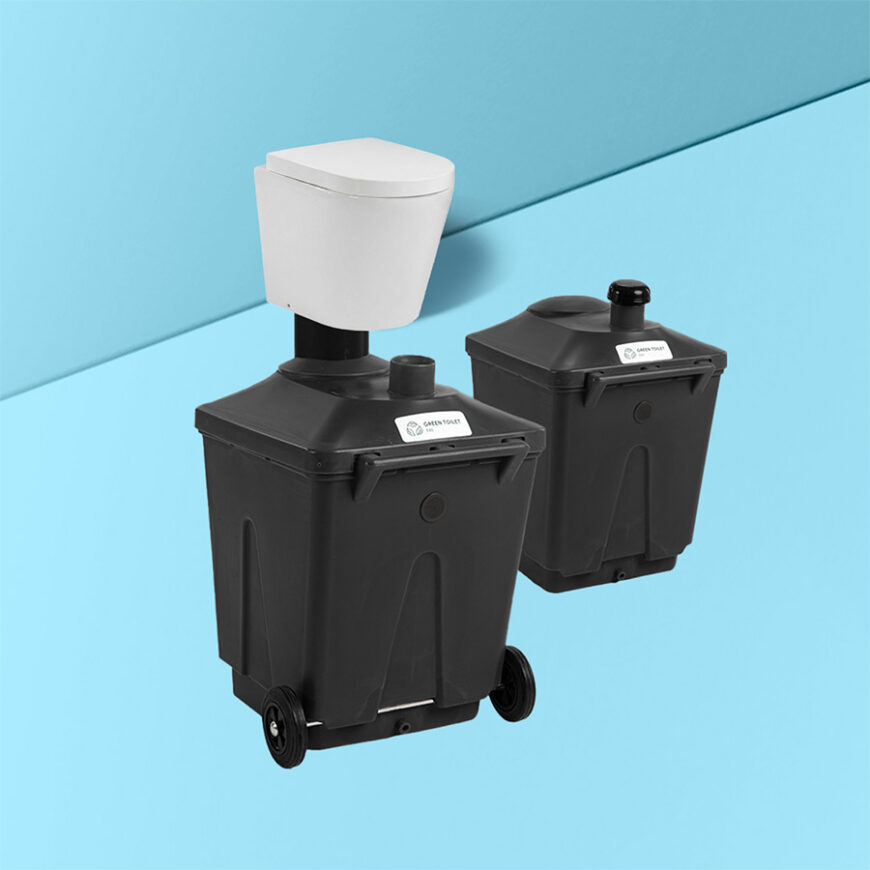


Do I Need a Permit to Install a Composting Toilet?
Whether or not you need a permit to install a composting toilet depends on your state and county regulations. In some areas, approval is straightforward, while in others local health departments may require additional documentation or specific certifications such as NSF/ANSI Standard 41. To avoid complications, it’s best to check with your local building authority or health department before installation to ensure full compliance with the rules in your area.

Contact us for more information!
📱(702) 328 0689
✉ info@waterlesstoiletshop.com
Everyday Rules for Using a Composting Toilet
To keep your composting toilet working properly and odor-free, there are a few simple everyday rules to follow:
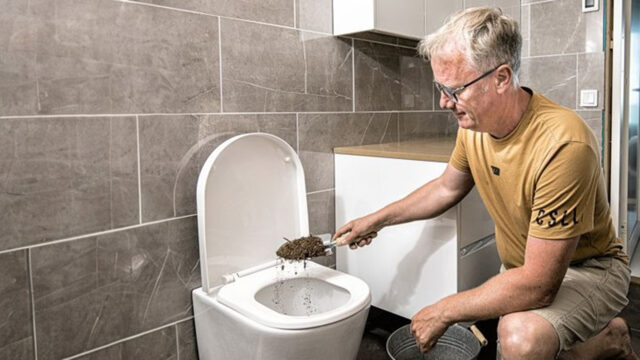
- Use only biodegradable bulking material. There are many good options, including coconut coir, hemp, wood shavings, or even plain sawdust. In practice, almost any dry, organic material will work — the key is that it should be natural and biodegradable.
- Never put chemicals or cleaning agents inside. Composting toilets rely on natural biological processes, and artificial chemicals can disrupt or kill the microorganisms that do the work.
- Pay attention to your toilet, especially in the beginning. When first starting with a composting toilet, it can take a little time to learn how often to add bulking material and when service is needed. Over time, most users quickly get into a routine and find maintenance to be simple.
- Empty and rotate bins as needed. Many of our composting toilets are designed with large-capacity containers, so in practice they may only need to be emptied one to four times per year, depending on the number of users and how often the toilet is used.
- Keep ventilation clear. Proper airflow is essential for odor control and to support the composting process.
Following these everyday rules helps ensure that your composting toilet remains hygienic, low-maintenance, and pleasant to use.
Contact us for more information!
📱(702) 328 0689
✉ info@waterlesstoiletshop.com

Frequently Asked Questions About Composting Toilets
A properly maintained composting toilet does not produce offensive odors at all. Effective separation of excess moisture, good ventilation and the use of dry bulking materials such as coir, hemp, or wood shavings keep the system totally odor-free.
Yes — once the composting process is complete and the material has had sufficient time to break down, it can be safely used as a soil amendment. However, local regulations vary, so always check whether your state or county has specific rules for applying composted human waste to soil.
What Does Poop Look Like Inside a Composting Toilet – Is It Gross?
Regulations differ by state and county. Some areas allow composting toilets without restrictions, while others require systems to be NSF/ANSI Standard 41 certified. Always check with your local health department or building authority before installation.
Not necessarily. Some composting toilets are fully waterless and operate without electricity, while others use small fans or heaters for improved airflow and faster composting. We offer both non-electric and electric-assisted options depending on your needs.
That depends on the size of the unit, the number of users, and how often it’s used. Many large-capacity composting toilets only need to be emptied one to four times per year, while smaller units for part-time use may need more frequent service.
For more information, visit our official 👉 FAQ page
Conclusion
Composting toilets are a safe, practical, and environmentally friendly alternative to conventional flush systems, provided they are used and maintained correctly. By following the basic sanitation rules, using the right bulking materials, and keeping up with simple maintenance, you can enjoy a hygienic and odor-free system that requires minimal servicing. While U.S. regulations vary and NSF/ANSI Standard 41 certification is the most recognized benchmark, high-quality composting toilets are already designed to meet the same core principles of safety and performance. Whether you’re installing a unit in a home, cabin, or off-grid property, understanding the rules will help ensure long-term success with your composting toilet.
[jgm-featured-carousel title=’carousel title’]
[jgm-all-reviews]

Who We Are
At Waterless Toilet Shop we are a dedicated team of dry toilet experts based in Henderson, Nevada. As a family-owned company with deep roots in Scandinavia and Australia, we bring a blend of global insights and local expertise to every product we create.
At Waterless Toilet Shop, we do more than just design and manufacture innovative composting toilets; we also use them daily. This hands-on experience allows us to continuously improve our products and ensure they meet the high standards of functionality and sustainability that our customers expect.
We are committed to living the eco-friendly principles we teach, making our solutions not just part of our business, but a part of our lives. Join us in embracing a more sustainable future, one flush at a time.
Read Our Story